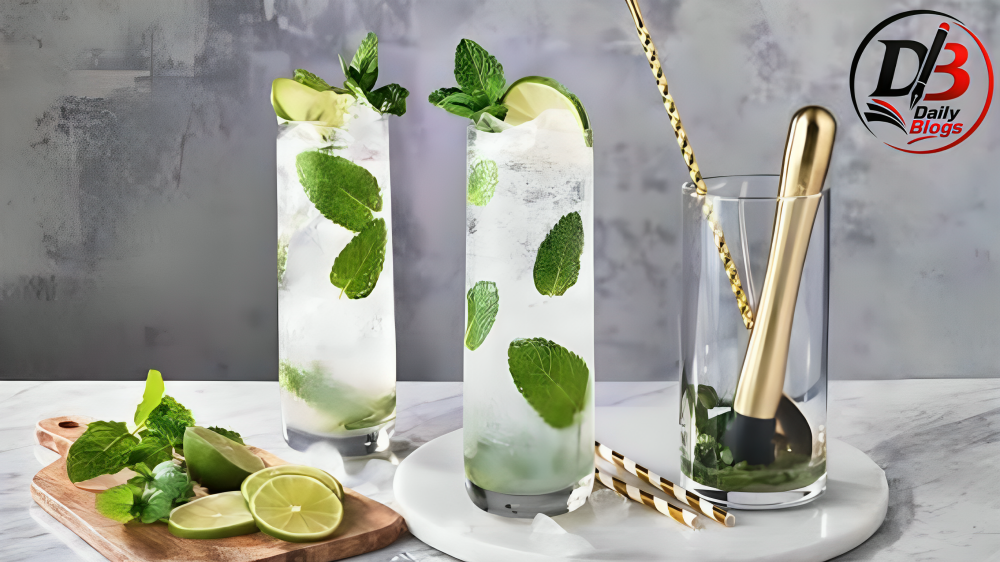
The mojito is one of the world’s most beloved cocktails, offering a harmonious blend of fresh mint, zesty lime, subtle sweetness, and crisp white rum. Whether you are hosting a garden party, unwinding after a long day, or simply craving a taste of the Caribbean, learning how to make a mojito? is a skill that will impress guests and delight your palate.
This iconic drink has transcended its Cuban roots to become a staple in bars worldwide. Its light, effervescent character makes it ideal for warm weather, while the simple ingredients allow for endless creativity. In this guide, we explore the history, the classic recipe, expert tips, and variations so you can master how to make a mojito? at home with confidence.
The Origins of the Mojito
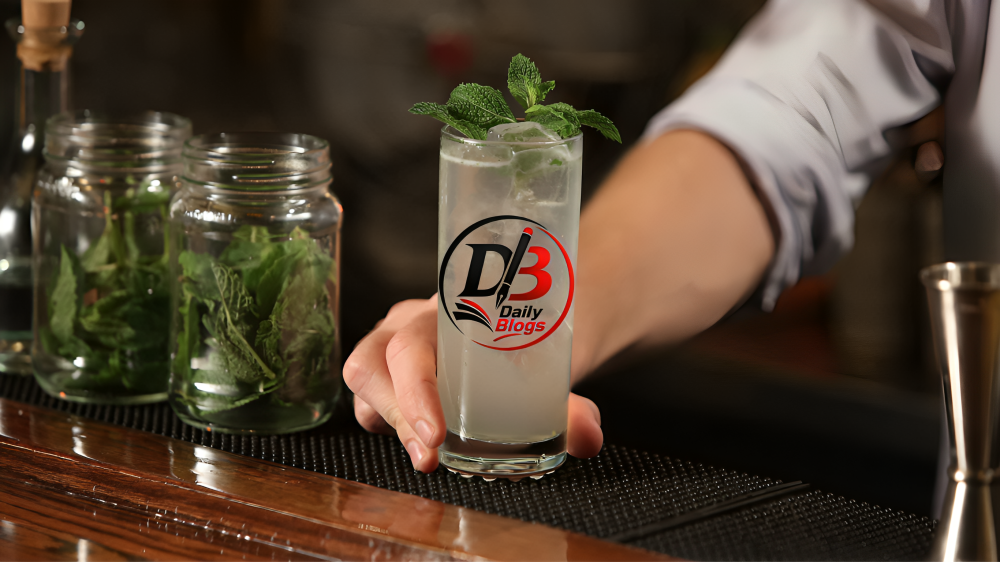
The mojito’s story begins in 16th-century Cuba. Early versions, known as “El Draque,” were medicinal concoctions created to combat scurvy and other ailments among sailors. These precursors combined aguardiente (a rough precursor to rum), lime, sugar cane juice, and mint. Over time, as rum production improved, the drink evolved into the refreshing mojito we know today.
Havana is widely regarded as its spiritual home. The cocktail gained international fame in the mid-20th century, partly through associations with figures like Ernest Hemingway (though stories linking him directly remain more legend than confirmed fact). Today, it symbolises Cuban hospitality and laid-back elegance.
Essential Ingredients for a Classic Mojito
To make an authentic mojito, quality matters. Here is what you will need for one serving:
- 50ml white rum (such as Bacardí Carta Blanca or Havana Club)
- Juice of 1 fresh lime (about 25-30ml)
- 8-12 fresh mint leaves, plus a sprig for garnish
- 2 teaspoons white sugar or 15-20ml simple syrup
- Soda water (club soda) to top up
- Crushed ice
- Lime wedges for garnish
Opt for fresh ingredients. Avoid bottled lime juice or pre-mixed mojito syrups, as they compromise the bright, vibrant flavour that defines the drink.
How to Make a Mojito?: Step-by-Step Guide
Step 1: Prepare the base
Place the mint leaves, lime juice, and sugar (or simple syrup) in the bottom of a highball glass. Gently muddle the mixture. The goal is to release the aromatic oils from the mint without shredding the leaves into bitterness. A light press with a muddler or the back of a spoon is sufficient.
Step 2: Add the rum and ice
Pour in the white rum and fill the glass about three-quarters full with crushed ice. Stir gently to combine the flavours and chill the drink.
Step 3: Top and garnish
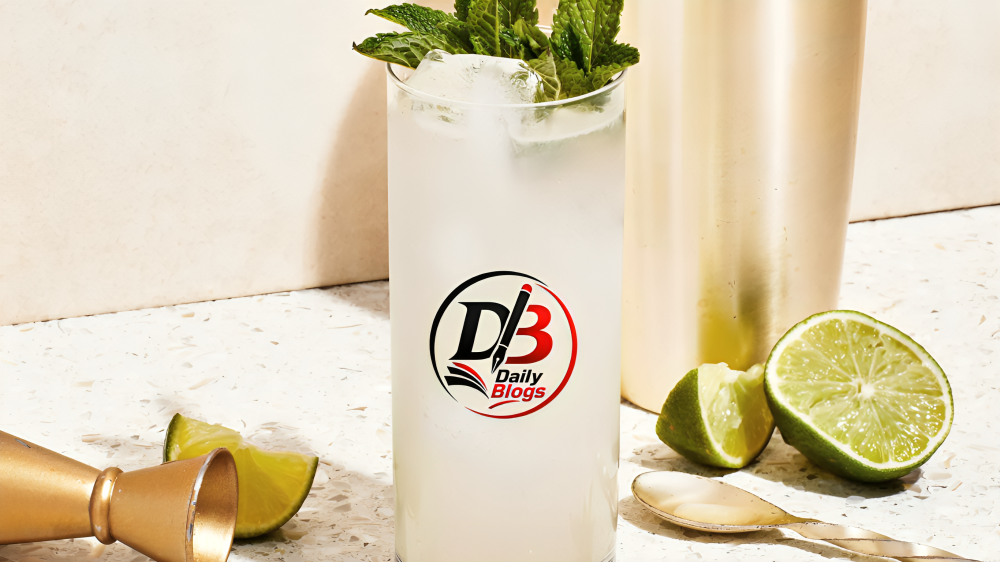
Top up with soda water and give the mixture one final light stir. Add more crushed ice if needed to create a generous, frosty crown. Garnish with a fresh mint sprig (lightly clap it between your hands to release the aroma) and a lime wheel or wedge.
The entire process takes just a couple of minutes, making how to make a mojito? an accessible skill for beginners and seasoned hosts alike.
Expert Tips for the Perfect Mojito
Achieving balance is key. The drink should taste refreshing rather than overly sweet or boozy. Here are some professional insights:
- Muddling technique: Less is more. Over-muddling mint releases bitter compounds. Some bartenders prefer to clap or slap the mint leaves instead.
- Ice choice: Crushed ice is traditional as it melts faster, diluting the drink slightly and integrating the flavours.
- Sweetener: Simple syrup dissolves instantly and ensures even sweetness. If using granulated sugar, muddle thoroughly or opt for caster sugar.
- Rum selection: A clean, light rum lets the other ingredients shine. Aged or dark rums can work in variations but change the character significantly.
- Freshness: Always use freshly squeezed lime juice. The acidity brightens the entire cocktail.
Serve immediately after preparation so the soda water retains its fizz.
Popular Variations to Try
Once you have mastered the classic, experiment with these twists:
- Virgin Mojito (Nojito): Omit the rum and increase the lime and soda for a refreshing non-alcoholic version.
- Fruit Mojitos: Add muddled strawberries, mango, pineapple, or watermelon for seasonal flair.
- Coconut Mojito: Use coconut rum for a tropical twist.
- Dirty Mojito: Swap white rum for gold or dark rum and use demerara sugar for deeper, caramel notes.
These variations demonstrate why the mojito remains so versatile while staying true to its Cuban heritage.
Common Mistakes to Avoid
Even simple cocktails have pitfalls. Do not use pre-made mixes, as they rarely capture the fresh balance. Avoid crushing mint into a pulp or using warm ingredients, which dull the vibrancy. Finally, resist the temptation to overload with rum — the mojito is about restraint and refreshment.
Pairing and Serving Suggestions
A well-made mojito pairs beautifully with light dishes such as ceviche, grilled fish, salads, or Cuban classics like ropa vieja. Serve in a chilled highball glass for maximum visual appeal. For parties, prepare a large batch in a pitcher (muddle and add rum ahead, then top with soda just before serving).
Quick Mojito Facts
| Detail | Information |
| Origin | Cuba (16th century roots) |
| Primary Ingredients | Rum, lime, mint, sugar, soda |
| Best Served | Ice-cold, in summer |
| Alcohol Content | Approximately 10-15% ABV |
| Popular In | Bars worldwide, especially beach and resort settings |
Why the Mojito Endures
The enduring appeal of how to make a mojito? lies in its simplicity and sensory delight. In a world of increasingly complicated cocktails, this classic offers pure, uncomplicated pleasure. It captures the spirit of Cuba — vibrant, welcoming, and full of life.
Conclusion
Mastering this recipe connects you to centuries of cocktail history while providing a reliable crowd-pleaser for any occasion. Whether you stick to the traditional method or add your own creative touch, the result is a drink that feels like sunshine in a glass.