Few regional dishes inspire the kind of devotion that Cincinnati-style chili commands, and no name is more closely tied to that devotion than Skyline. For more than seventy years, the Skyline chili recipe has drawn curious visitors and lifelong locals alike to diners across Ohio, sparking a quiet obsession that has spread far beyond the city’s borders.
What makes the story compelling isn’t just the taste, though that alone has built a loyal following. It’s the tale of a Greek immigrant who arrived in America with little more than his mother’s recipes and a determination to build something lasting. That story, combined with a genuinely unusual dish, is why people keep searching for the Skyline chili recipe decades after it first appeared on a modest menu in Price Hill.
Today, the brand is a fixture of Cincinnati life, sponsoring sports teams and feeding families at ballgames and backyard gatherings alike. Understanding where it came from makes the food taste even better.
Early Origins and the Man Behind the Recipe
The story begins not in Ohio but in Kastoria, a small city in northern Greece. It was there that a young Nicholas Lambrinides watched his mother and grandmother cook, absorbing techniques and flavour combinations that would later shape one of America’s most distinctive regional dishes.
Lambrinides emigrated to Cincinnati in 1912, arriving with little money but a strong sense of purpose. To save enough to bring his wife to America, he took whatever work he could find, cooking for a railroad crew and later in a hotel kitchen. Eventually, he opened a modest short-order restaurant of his own, learning the rhythms of the American food business while never quite letting go of the flavours he had grown up with.
By the years surrounding the Second World War, Lambrinides was working as a chef at the original Empress Chili restaurant in Cincinnati, a business often credited with introducing chili-topped spaghetti to the city. It was there that he continued refining a recipe of his own, drawing on the spice blends of his Greek childhood but shaping them into something entirely new: neither traditional Greek cooking nor the chili con carne familiar elsewhere in America.
Career and Rise to Fame
In 1949, Lambrinides and three of his sons opened their own restaurant at 3822 Glenway Avenue, in the Price Hill neighbourhood of Cincinnati. The diner overlooked the city, and that view is widely credited with inspiring the name Skyline, although the Lambrinides family has also said the name came from a skylight and the view from an upstairs storage room. Either way, the name stuck, and so did the food.
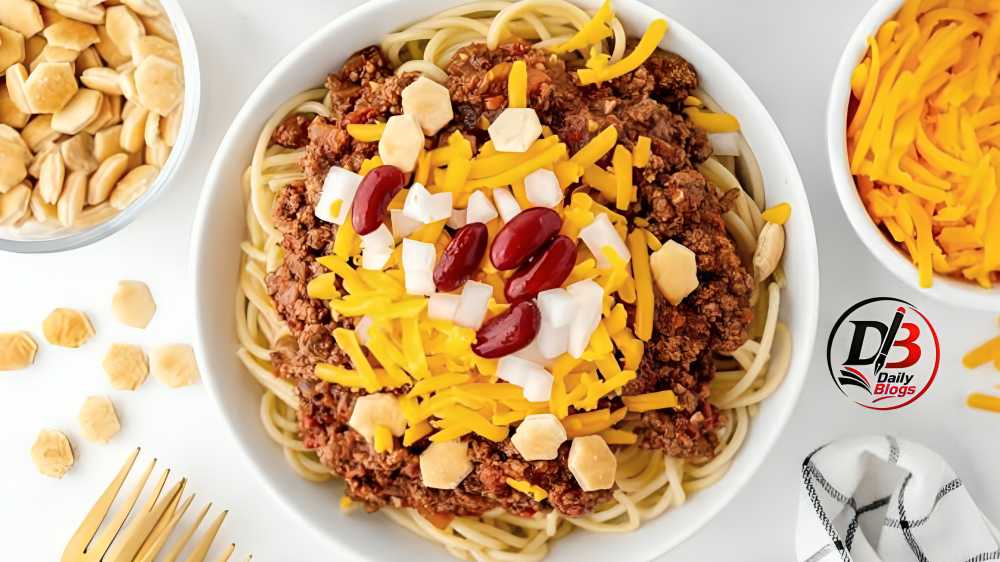
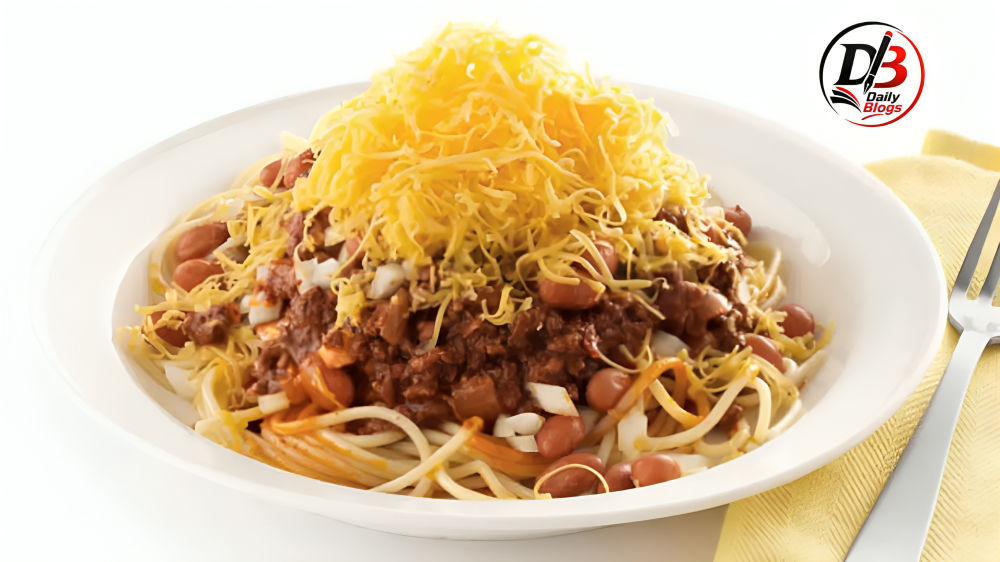
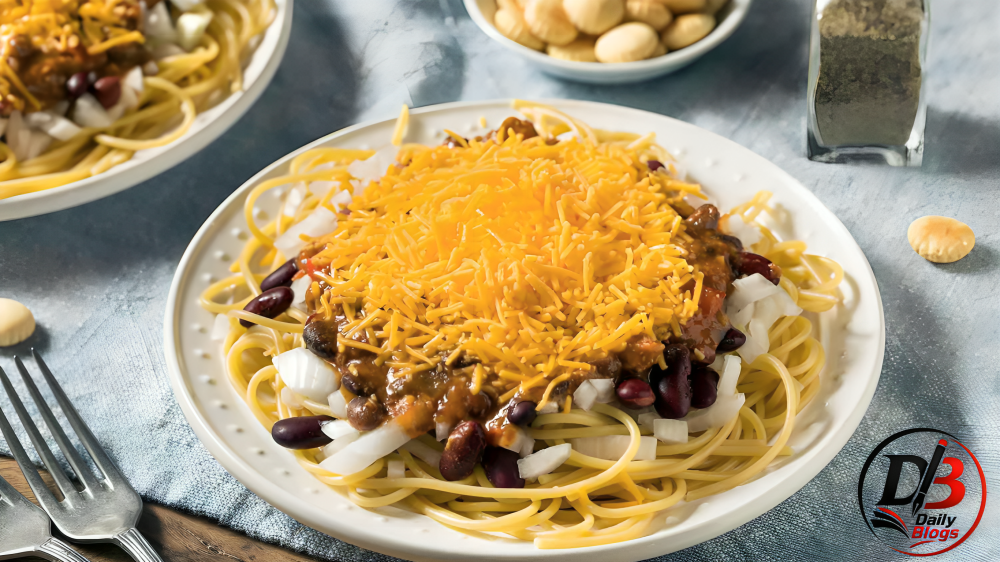
The restaurant’s signature offering was unlike anything else on the local dining scene: a thin, spiced chili sauce ladled generously over spaghetti and topped with a mountain of finely shredded cheddar. Locals began calling it a “three-way,” and the dish became something of a rite of passage for Cincinnatians. Adding beans created a “four-way,” while beans and onions together made it a “five-way.”
Success didn’t come instantly. The restaurant opened in a predominantly German Catholic neighbourhood where meatless Fridays were widely observed, and the new chili parlour faced some early scepticism. That resistance faded quickly, and a devoted customer base soon formed. A second location opened in 1953, and growth accelerated through the 1960s as the Lambrinides family expanded the business across Cincinnati and beyond.
By the end of the twentieth century, Skyline had grown to around 110 restaurants, spreading into Kentucky, Indiana, and Florida. The chain also became deeply woven into the fabric of Cincinnati sporting life, eventually earning recognition as the official chili of the Cincinnati Bengals, the Cincinnati Reds, the Cincinnati Cyclones, and the Columbus Blue Jackets. It has also long sponsored the Crosstown Shootout, the annual basketball rivalry between the University of Cincinnati and Xavier University.
Challenges and Turning Points
Like many family businesses, Skyline faced its share of difficult decisions. Nicholas Lambrinides died in 1962 at the age of 82, leaving his sons to carry the business forward. Their guiding principle, according to his son William Lambrinides, was straightforward: never alter the recipe. “Don’t change a thing with the recipe—don’t add anything, don’t take out anything, it’s perfect the way it is,” he later recalled his father saying.
That commitment was tested when the company changed hands. In 1998, Skyline was sold to Fleet Equity Partners, a New England investment firm, which agreed to preserve the original recipe, reportedly keeping the formula locked in a safe ever since. Ownership shifted again in 2007, when the company’s own board of directors purchased a majority stake previously held by a Chicago-based investment group, effectively bringing control back closer to home.
The brand also weathered periods of stalled expansion. An ambitious push into new markets during the 1990s, including a high-profile opening near Washington, D.C., generated enormous local excitement but ultimately struggled to sustain long-distance growth. Skyline eventually refocused on steady, regional expansion rather than chasing a national footprint, a more cautious strategy that has served it well.
Family Legacy and the People Behind the Brand
Skyline has always remained closely associated with the Lambrinides family, even as ownership structures evolved. Nicholas ran the original restaurant alongside his five sons, and it was their collective labour, and their insistence on protecting the founder’s original formula, that transformed a single diner into a regional institution.
Public information about the family’s personal lives beyond the business is limited, and no reliable sources suggest anything beyond the well-documented account of a father, his sons, and a shared commitment to a recipe brought from Greece. Where the historical record is thin, it is best to acknowledge that rather than speculate.
Later Years and Current Activities
Skyline Chili remains an active and evolving business today. As of recent years, the chain operates around 160 restaurants, primarily across Ohio, with a strong presence in Cincinnati, Dayton, and Columbus, alongside locations in Kentucky, Indiana, and Florida. The company also sells its chili, canned sauces, and frozen ready meals through supermarkets, most notably through fellow Cincinnati-based Kroger.
The brand has continued to adapt in smaller ways without ever touching the core recipe. In 2023, its location at Cincinnati/Northern Kentucky International Airport began offering breakfast items. The following year, marking its 75th anniversary, Skyline switched its beverage partnership from Pepsi to Coca-Cola, a change that stirred plenty of good-natured debate among fans, particularly those who missed having Mountain Dew on tap.
Skyline also remains active in community life, regularly donating food to local schools, sports teams, and charitable causes around Cincinnati, and continuing its long-standing sponsorships of regional sports franchises.
Quick Facts
| Detail | Information |
| Founder | Nicholas Lambrinides |
| Founded | 1949 |
| Origin | Price Hill, Cincinnati, Ohio |
| Founder’s Birthplace | Kastoria, Greece |
| Signature Dishes | Three-Way, Cheese Coney |
| Locations Today | Around 160, across Ohio, Kentucky, Indiana and Florida |
| Known For | Cincinnati-style chili served over spaghetti or hot dogs |
| Ownership | Company board of directors (as of 2007) |
How to Make a Skyline-Style Chili Recipe at Home
The exact Skyline chili recipe remains a closely guarded company secret, reportedly locked away and unchanged since Nicholas Lambrinides first developed it. However, food enthusiasts have spent decades attempting to recreate its distinctive flavour profile, which draws on warm spices more commonly associated with Greek cooking than with traditional American chili.
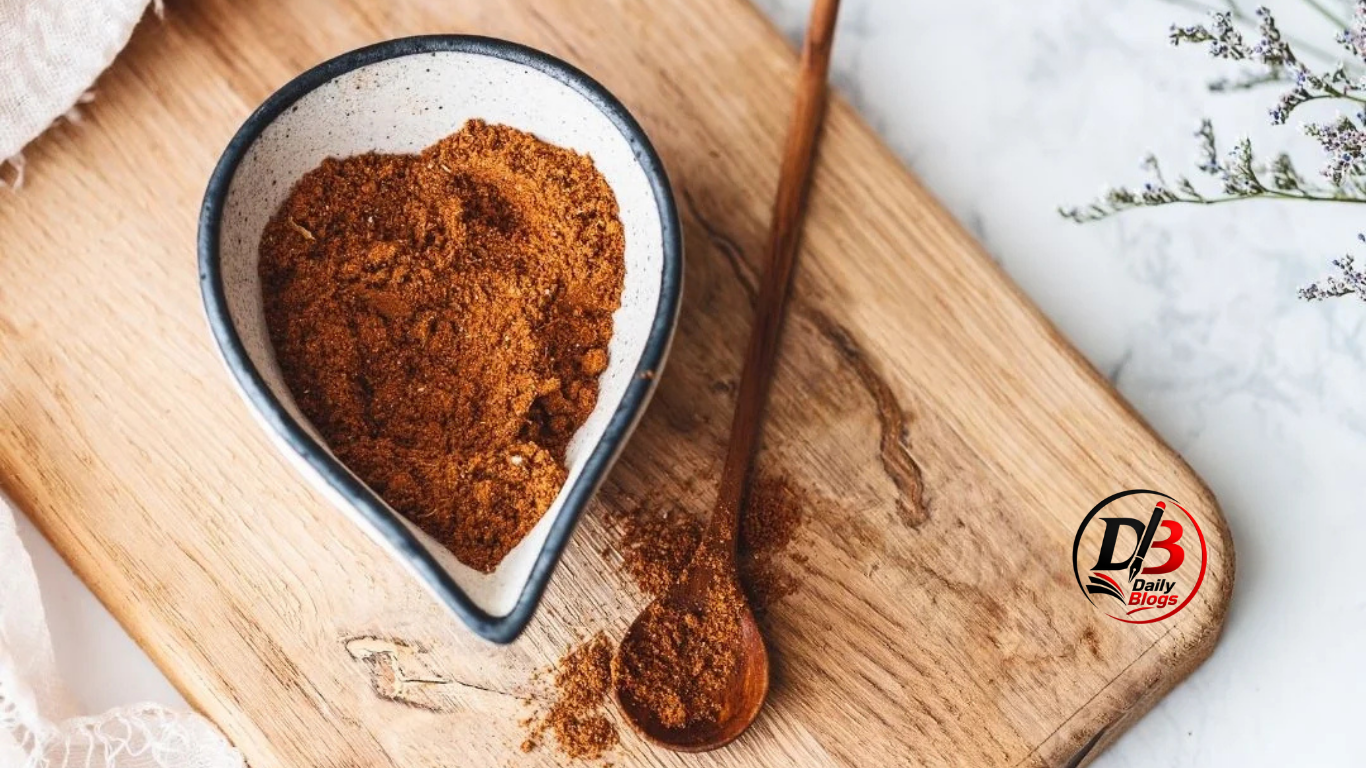
Cincinnati-style chili is best understood as a thin, meaty sauce rather than a thick, chunky stew. It typically includes finely minced beef, tomato, and a spice blend featuring cinnamon, allspice, and a touch of cocoa or dark chocolate, which gives it that unmistakable sweet, savoury depth.
A simple homemade approach:
Brown minced beef gently with onion and garlic, then add beef stock rather than draining the fat entirely, since the sauce should remain thin. Stir in tomato paste, a bay leaf, and a spice blend of cumin, cinnamon, allspice, chilli powder, and a small amount of unsweetened cocoa powder. A splash of cider vinegar or Worcestershire sauce adds welcome sharpness. Simmer uncovered for around an hour, skimming off excess fat, until the sauce thickens slightly and the spices meld together.
Serve it the Cincinnati way: ladled over spaghetti and finished with a generous handful of finely shredded cheddar cheese. For a proper five-way, add a spoonful of kidney beans and a scattering of diced raw onion. It’s equally good over a hot dog for a Cincinnati-style cheese coney.
Legacy and Lasting Impact
Skyline’s lasting significance goes beyond the food itself. It represents a distinctly American story of immigration, adaptation, and reinvention, in which a recipe rooted in Greek family tradition became inseparable from the identity of an entire American city. Few regional dishes carry that kind of cultural weight, and fewer still remain run with such consistency across three-quarters of a century.
The brand’s insistence on protecting its founder’s original formula, even through changes in ownership, has helped it retain a sense of authenticity that many larger chains lose over time. For Cincinnati residents, Skyline isn’t simply a restaurant; it’s a shared point of reference, tied to childhood memories, sporting events, and family gatherings.
Conclusion
The Skyline chili recipe endures not because it followed any conventional path to success, but because it never strayed far from where it began: a single immigrant’s determination to bring the flavours of home to a new country, refined patiently over years and protected carefully ever since. That consistency, paired with a genuinely distinctive dish, explains why the story still resonates with people who have never set foot in Cincinnati.