
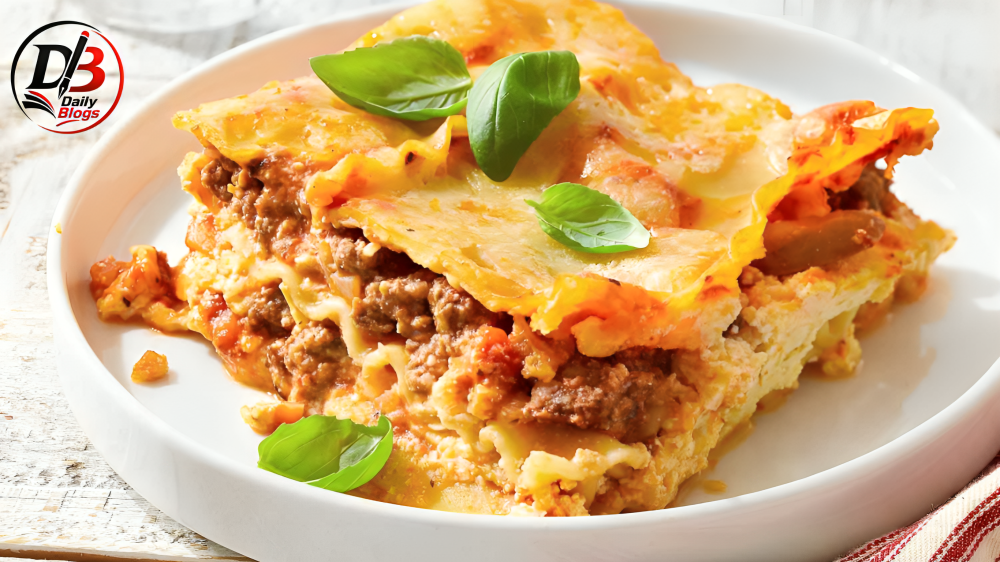
Few dishes bring people to the table quite like a bubbling tray of lasagna fresh from the oven. Layers of tender pasta, rich meat sauce, and melted cheese have made it a firm favourite in kitchens across the UK for decades, and it remains one of the most searched comfort foods for good reason. For many home cooks, though, the idea of making it from scratch can feel daunting, which is exactly why a genuinely easy lasagna recipe is so valuable.
This guide strips away the complication without sacrificing flavour. There is no need for hours of simmering or a long list of obscure ingredients. Instead, this is a straightforward, well-tested method designed for weeknight cooking, Sunday family dinners, or anyone simply craving something warm and satisfying.
Whether you are making lasagna for the first time or looking to simplify a recipe you already know, this article walks through everything from ingredients to assembly, along with practical tips to help it turn out well every time.
A Brief Background: Where Lasagna Comes From
Lasagna’s roots trace back to Italy, with early versions of layered pasta dishes appearing in the region of Emilia-Romagna, particularly around Bologna. The classic Italian version, known as lasagne al forno, traditionally combines ragù (a slow-cooked meat sauce), béchamel sauce, and sheets of pasta baked together until golden and bubbling.
Over time, as the dish travelled beyond Italy, home cooks around the world adapted it to suit local tastes and available ingredients. In Britain and North America, a simplified version emerged, often swapping béchamel for a straightforward cheese and tomato-based approach, and using no-boil pasta sheets to cut down on preparation time. This is the version most people now associate with an easy, family-friendly lasagna recipe, and it forms the basis of the recipe below.
Why This Recipe Works
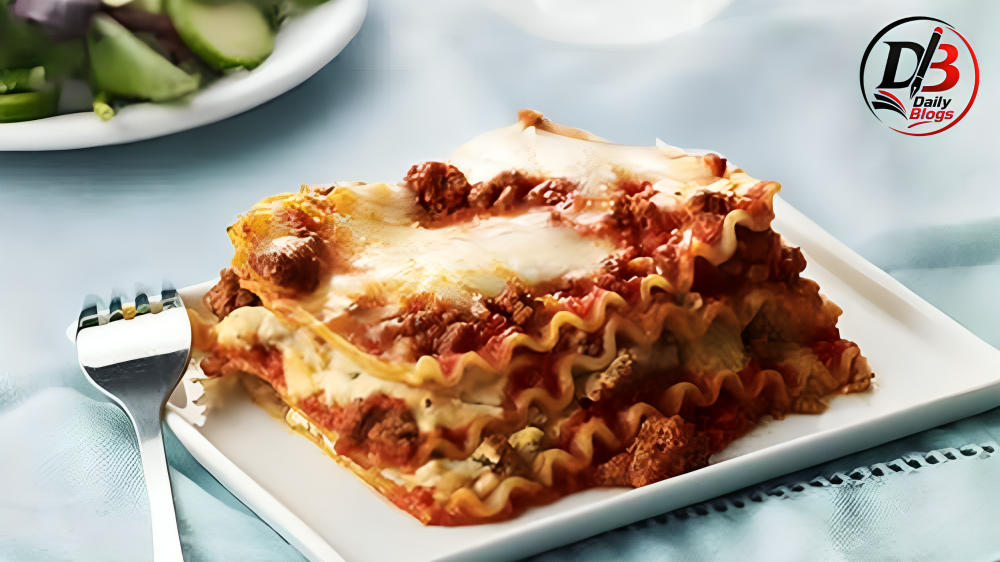
The appeal of an easy lasagna recipe lies in its balance of convenience and flavour. Rather than making a traditional béchamel sauce from scratch, this method uses a simple ricotta and egg mixture, which saves time while still delivering a creamy, satisfying layer. The meat sauce is built on pantry staples and simmers just long enough to develop depth without requiring an entire afternoon.
Using no-boil lasagna sheets is one of the biggest time-savers here. These absorb moisture from the sauce as the dish bakes, meaning there is no need to pre-cook the pasta separately, which cuts down on both time and washing up.
Ingredients
This recipe serves approximately 6 people.
For the meat sauce:
- 500g minced beef (or a mix of beef and pork)
- 1 onion, finely chopped
- 2 garlic cloves, minced
- 2 tablespoons olive oil
- 2 x 400g tins chopped tomatoes
- 2 tablespoons tomato purée
- 1 teaspoon dried oregano
- 1 teaspoon dried basil
- Salt and black pepper, to taste
- A pinch of sugar (optional, to balance acidity)
For the cheese layer:
- 250g ricotta cheese
- 1 egg
- 50g grated Parmesan
- A handful of fresh parsley, chopped (optional)
Additional:
- 9–12 no-boil lasagna sheets (depending on tray size)
- 300g mozzarella, grated
- Extra Parmesan, for topping
Step-by-Step Method
1. Make the meat sauce Heat the olive oil in a large pan over medium heat. Add the onion and cook gently until soft, about five minutes. Stir in the garlic and cook for a further minute. Add the minced beef, breaking it up with a wooden spoon, and cook until browned.
Stir in the chopped tomatoes, tomato purée, oregano, and basil. Season with salt, pepper, and sugar if using. Reduce the heat and let the sauce simmer gently for around 20 minutes, stirring occasionally, until it thickens slightly.
2. Prepare the cheese mixture While the sauce simmers, combine the ricotta, egg, and Parmesan in a bowl. Mix well until smooth, then stir in the parsley if using. Season lightly with salt and pepper.
3. Preheat the oven Set the oven to 180°C (160°C fan) or gas mark 4.
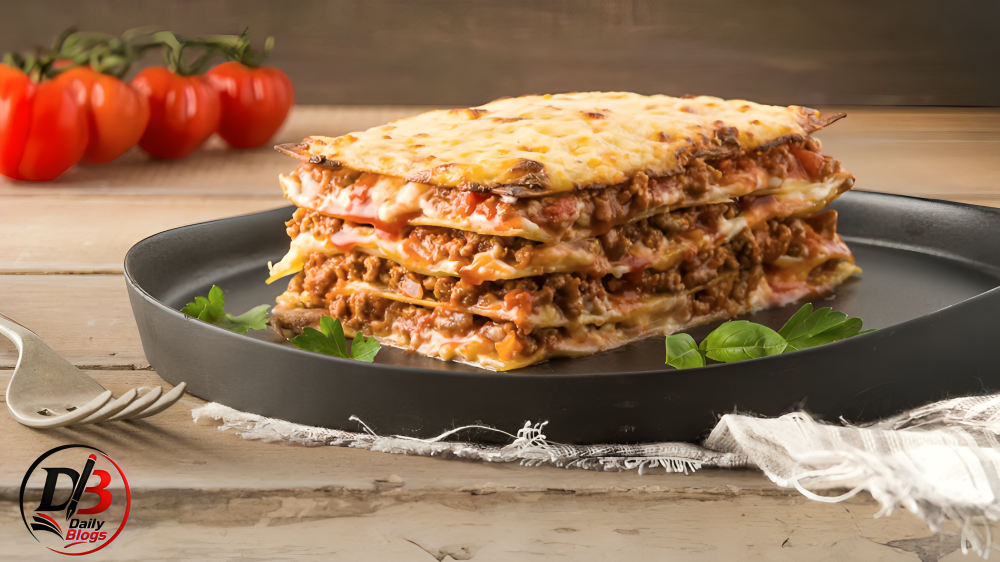
4. Assemble the layers Spread a thin layer of meat sauce across the base of a baking dish, roughly 23cm x 33cm. This prevents the pasta from sticking. Lay down a layer of no-boil lasagna sheets, followed by a portion of the meat sauce, a few spoonfuls of the ricotta mixture, and a scattering of mozzarella. Repeat the layers, finishing with a generous layer of meat sauce topped with the remaining mozzarella and a sprinkle of Parmesan.
5. Bake Cover the dish with foil, ensuring it does not touch the cheese, and bake for 30 minutes. Remove the foil and bake for a further 15–20 minutes, until the top is golden and the sauce is bubbling at the edges.
6. Rest before serving Allow the lasagna to rest for at least 10 minutes before cutting. This helps the layers set, making it much easier to serve neat portions.
Common Mistakes to Avoid
Even a simple dish can go wrong in small ways, so it helps to know the common pitfalls.
A watery lasagna is usually caused by a sauce that has not thickened enough before assembly, or by skipping the resting time after baking. Simmering the meat sauce until it reduces slightly will help avoid this.
Dry or undercooked pasta often happens when no-boil sheets do not have enough sauce moisture surrounding them. Make sure each layer of pasta is well covered with sauce so it can soften properly during baking.
Overly bland flavour can result from under-seasoning the meat sauce or the cheese layer. Taste and adjust seasoning at each stage rather than relying on salt added at the end.
Variations to Try
Once the basic method is familiar, it is easy to adapt this easy lasagna recipe to suit different tastes or dietary needs.
- Vegetarian lasagna: Replace the minced meat with a mixture of mushrooms, courgettes, and lentils for a hearty, plant-based alternative.
- Spinach and ricotta lasagna: Add wilted spinach to the cheese mixture for extra colour and nutrients.
- Spicier version: Include chilli flakes or a diced fresh chilli in the meat sauce for those who prefer a bit of heat.
- Lighter option: Use lean turkey mince and reduced-fat cheese to cut down on calories without losing much flavour.
Recipe Quick Facts
| Detail | Information |
| Dish Type | Baked pasta casserole |
| Origin | Emilia-Romagna, Italy |
| Preparation Time | 20 minutes |
| Cooking Time | 45–50 minutes |
| Serves | 6 people |
| Difficulty | Easy |
| Best Served With | Garlic bread and a green salad |
Storing and Reheating
Lasagna keeps well, making it a practical dish for meal planning. Once cooled, it can be covered and stored in the fridge for up to three days. To reheat, cover with foil and warm in the oven at 160°C until heated through, which usually takes around 20 minutes for a full tray or less for individual portions.
For longer storage, lasagna freezes well either before or after baking. If freezing unbaked, wrap the dish tightly and thaw fully in the fridge before cooking as directed. If freezing after baking, portion it first so individual servings can be reheated straight from frozen in the oven or microwave.
Why This Dish Remains a Favourite
Part of the enduring popularity of lasagna comes down to its versatility. It can be dressed up for a dinner party or kept simple for a Tuesday night meal. It also freezes and reheats well, making it genuinely useful for batch cooking, something increasingly valued by busy households.
There is also something inherently comforting about a layered baked dish. The combination of textures, from soft pasta to rich sauce and melted cheese, tends to appeal across age groups, which is likely why it remains a reliable choice for family dinners and gatherings alike.
Conclusion
Making lasagna does not need to be complicated. With a few pantry staples, no-boil pasta sheets, and a straightforward method, this easy lasagna recipe delivers the comforting, layered dish people love without demanding hours in the kitchen. Once the basic technique is mastered, it becomes a flexible base for countless variations suited to different tastes and occasions.