Searching for the best caldereta de cordero near me often leads food lovers down a rewarding path of Spanish rural tradition. This slow-cooked lamb stew, rich with paprika, garlic and vegetables, has long been a staple of Extremadura and Castilla-La Mancha. Its deep, comforting flavours make it a favourite on chilly evenings and at family gatherings. Whether you are hunting for an authentic restaurant version or planning to recreate it at home, understanding the dish helps you recognise quality when you find it.
Caldereta de cordero is more than a simple stew. The name comes from the caldero, the large cauldron once used over open fires by shepherds. What began as practical sustenance for long days in the fields has become a celebrated part of Spanish gastronomy, appearing on menus from modest taverns to more refined tables. Its appeal remains straightforward: tender lamb, a sauce that begs for crusty bread, and ingredients that speak of the land.
Readers drawn to the best caldereta de cordero near me are usually seeking that genuine taste of Spanish countryside cooking. The dish rewards patience and good produce. Once you know what to look for, locating a satisfying plate becomes far easier.
Origins and Early Traditions
Caldereta de cordero has deep roots in the pastoral life of western and central Spain. Shepherds in Extremadura and Castilla-La Mancha prepared it using whatever cuts of lamb were available, often including bone-in pieces for richer flavour. The stew simmered slowly in a large pot, allowing the meat to soften while vegetables and spices created a thick, savoury sauce.
Key elements have stayed consistent over generations. Pimentón de la Vera, the smoked paprika from Extremadura, gives the dish its characteristic depth and colour. Garlic, onion, bay leaf and sometimes a splash of wine or stock complete the base. In more traditional versions, offal such as liver might appear, reflecting the old practice of using the whole animal. Modern home and restaurant versions usually focus on shoulder or leg meat for tenderness.
The dish was never intended as haute cuisine. It was practical, nourishing food that could feed a group after a hard day’s work. Over time, protected designations for Extremaduran lamb and the continued use of local paprika have elevated its status. Today it appears in celebrations as well as everyday cooking, yet it retains the honesty of its origins.
How the Stew Is Made
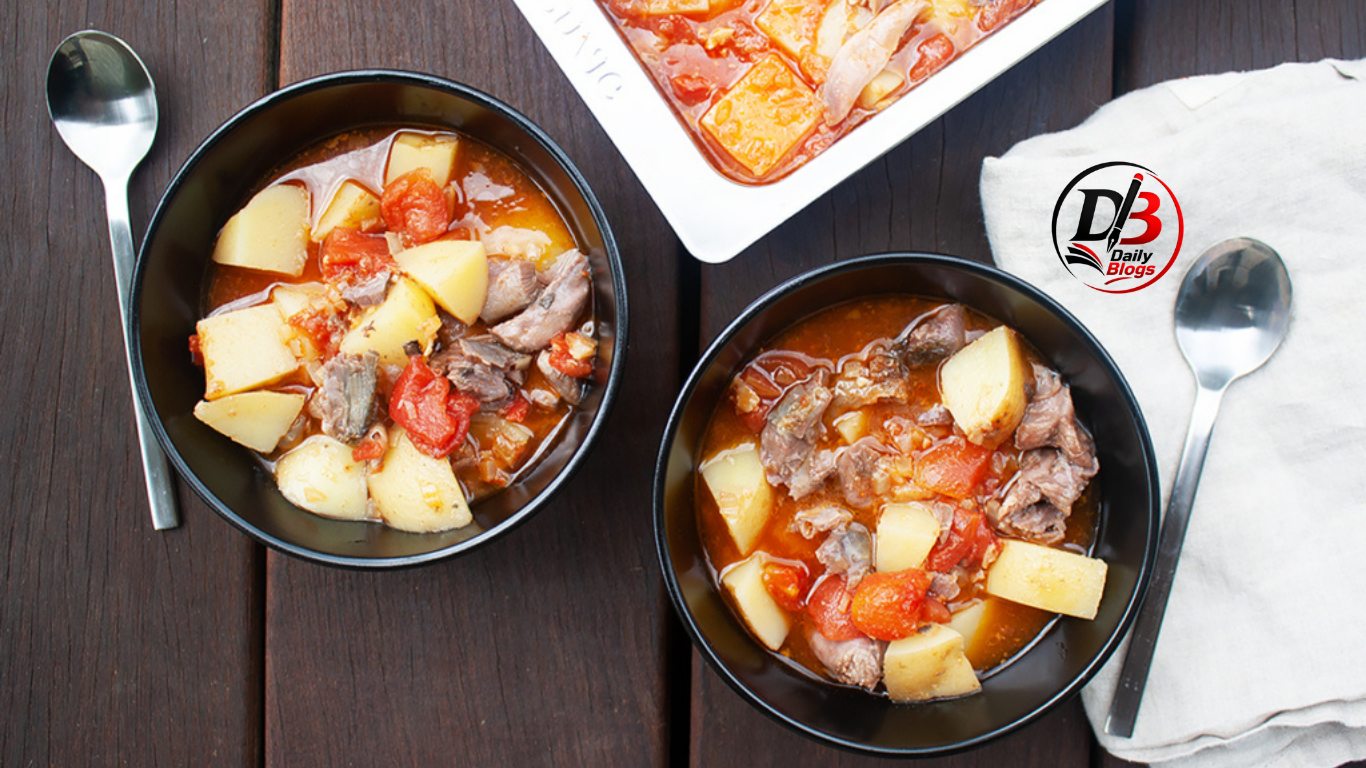
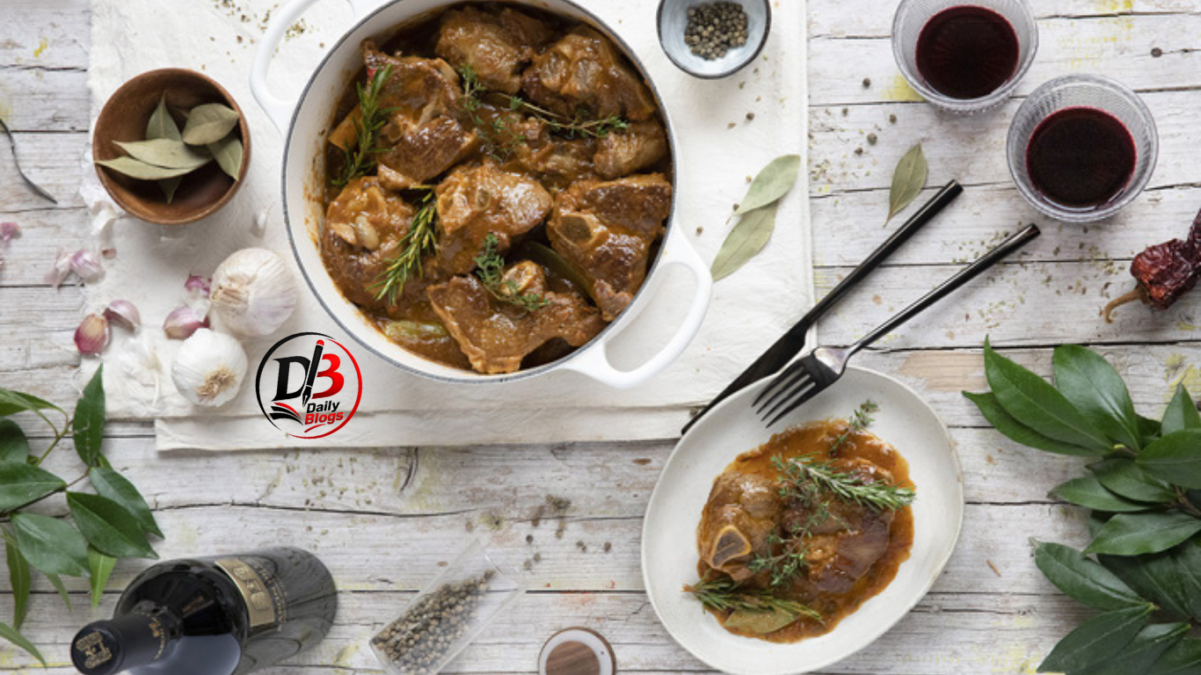
A good caldereta starts with well-browned lamb. Cubes of shoulder or similar cuts are seared in olive oil until they develop a deep colour. This step builds the foundation of flavour. Onions, garlic and peppers then soften in the same pan, followed by tomatoes or tomato paste, paprika and herbs. Liquid—wine, stock or water—is added, and the mixture simmers gently for one to two hours until the meat is tender and the sauce has thickened naturally from the potatoes or the collagen in the bones.
Some cooks include a picada or majado: a paste of fried bread, almonds or garlic pounded together and stirred in near the end for extra body and richness. Potatoes are a common addition, absorbing the sauce and making the dish more substantial. Regional touches vary. Extremaduran versions often highlight smoked paprika and may incorporate liver. Manchegan styles might lean on local wine and a broader mix of vegetables.
The result should be unctuous rather than watery. The sauce coats the meat and invites mopping with bread. When prepared with care, the flavours are layered but never fussy—smoky, savoury and deeply satisfying.
Regional Variations and Modern Takes
Extremadura claims a strong association with the dish, and its lamb benefits from quality designations that guarantee origin and standards. Castilla-La Mancha shares the tradition, sometimes under the name caldereta manchega. Further afield, similar stews appear with local twists. In some households the paprika is sweet, in others a touch of heat is welcomed. A few contemporary cooks experiment with slow cookers or pressure cookers for convenience while aiming to preserve the classic taste.
Outside Spain the dish has travelled with Spanish communities and chefs. José Pizarro and other Spanish cooks working in Britain have helped introduce it to wider audiences. Ready-made versions exist for those short on time, though nothing quite matches a carefully simmered homemade or restaurant pot. The core remains the same: good lamb, patient cooking and the distinctive note of Spanish paprika.
Finding the Best Caldereta de Cordero Near Me
Locating the best caldereta de cordero near me depends on where you live and how adventurous your local dining scene is. In cities with a strong Spanish presence—London, Manchester, Birmingham or smaller hubs with Iberian restaurants—look for places that specialise in regional Spanish cooking rather than generic tapas bars. Menus that list Extremaduran or Manchegan dishes, or that mention pimentón de la Vera by name, are promising signs.
Ask about the source of the lamb and the cooking method. Bone-in cuts and long, slow simmering usually produce better results than quick preparations. Independent Spanish restaurants and some gastropubs that focus on Mediterranean flavours occasionally feature the stew as a special, especially in cooler months. Markets and butchers who sell Spanish or quality British lamb can also point you towards restaurants that use their produce.
If restaurant options are limited, the best caldereta de cordero near me may be the one you make yourself. High-street butchers and larger supermarkets stock lamb shoulder. Smoked paprika is widely available, and the remaining ingredients are everyday staples. Online Spanish specialists can supply authentic pimentón and other items if needed. Cooking the dish at home also lets you control the seasoning and richness to suit your taste.
When evaluating a plate, consider the tenderness of the meat, the depth of the sauce and the balance of smoke from the paprika against the natural sweetness of the vegetables. A good version should feel generous and comforting rather than overly refined.
Tips for Enjoying and Preparing at Home
Serve caldereta de cordero with crusty bread to soak up the sauce, or with boiled or roasted potatoes if they are not already in the pot. A simple green salad provides contrast. A Spanish red wine or a robust Rioja pairs well, though a glass of water or soft drink suits everyday meals equally.
For home cooks, patience is the main requirement. Brown the meat thoroughly, avoid burning the paprika, and allow enough time for the lamb to become spoon-tender. Making it a day ahead often improves the flavour as the ingredients settle. Leftovers reheat beautifully and can be frozen.
Quality ingredients matter. Choose lamb with some fat and connective tissue for better texture after long cooking. Fresh garlic and good olive oil make a noticeable difference. If you can source Spanish smoked paprika, use it; the flavour is difficult to replicate with ordinary paprika.
Why This Stew Continues to Matter
Caldereta de cordero endures because it delivers honest pleasure from simple means. It connects modern diners to a pastoral past without requiring elaborate technique. In an age of fast food and complex restaurant trends, a well-made version reminds people of the value of slow cooking and seasonal or local produce.
Its rising profile in restaurants and media reflects wider interest in regional Spanish food beyond paella and tortilla. For those searching for the best caldereta de cordero near me, the reward is both culinary and cultural: a plate that tastes of the dehesa, the open fire and generations of careful practice.
The dish also illustrates how traditional recipes adapt. Shepherds’ stews have moved into domestic kitchens and professional menus while keeping their essential character. That balance of continuity and accessibility explains its lasting appeal.
Quick Facts
| Detail | Information |
| Full Name | Caldereta de Cordero |
| Origin | Extremadura and Castilla-La Mancha, Spain |
| Main Ingredient | Lamb (shoulder or similar cuts) |
| Key Flavouring | Smoked paprika (pimentón de la Vera) |
| Typical Cooking Time | 1½–2½ hours |
| Traditional Vessel | Caldero (cauldron) |
| Common Accompaniment | Crusty bread |
| Best Season | Autumn and winter |
Conclusion
The search for the best caldereta de cordero near me ultimately leads back to the qualities that have sustained the dish for generations: good meat, careful simmering and the distinctive warmth of Spanish paprika. Whether discovered in a neighbourhood Spanish restaurant or prepared in your own kitchen, a successful version offers comfort and depth in equal measure.