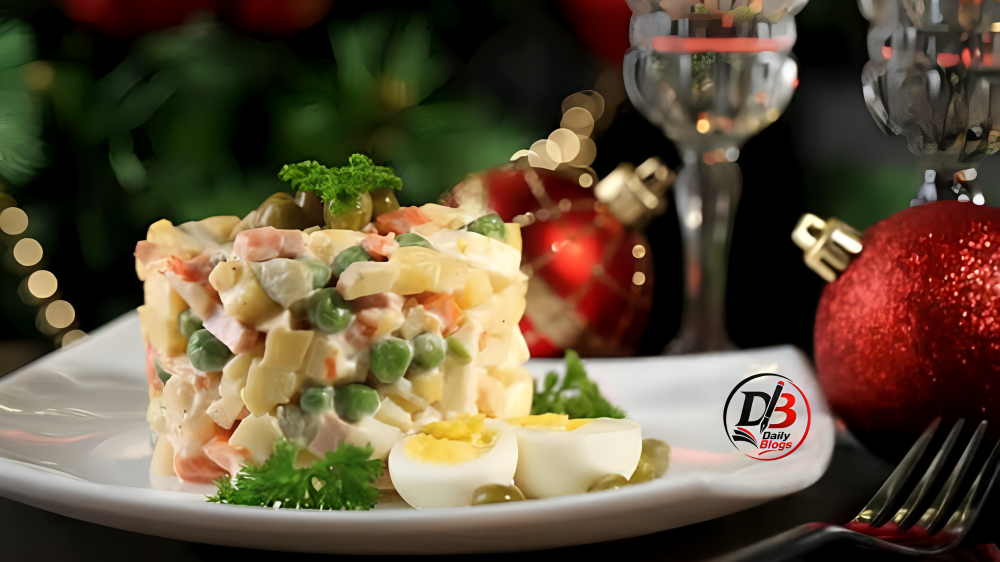
Searching for the best ensalada rusa navidad near me has become a seasonal ritual for many families who associate this colourful, creamy potato salad with festive tables. Whether you live in a city with Spanish or Latin American communities or simply want a reliable homemade version, the dish remains a Christmas favourite that bridges cultures and generations. Its mix of vegetables, mayonnaise and occasional seafood or meat makes it both comforting and celebratory.
The appeal is easy to understand. Ensalada rusa delivers familiar flavours with a sense of occasion. Readers keep returning to it because it feels both traditional and adaptable: some prefer the classic Spanish style, others lean towards South American variations, and many simply want the version that tastes closest to the one they grew up with. Local searches for “best ensalada rusa navidad near me” reflect a practical need—where to buy it ready-made or how to recreate it at home when time is short.
Early Life and Background
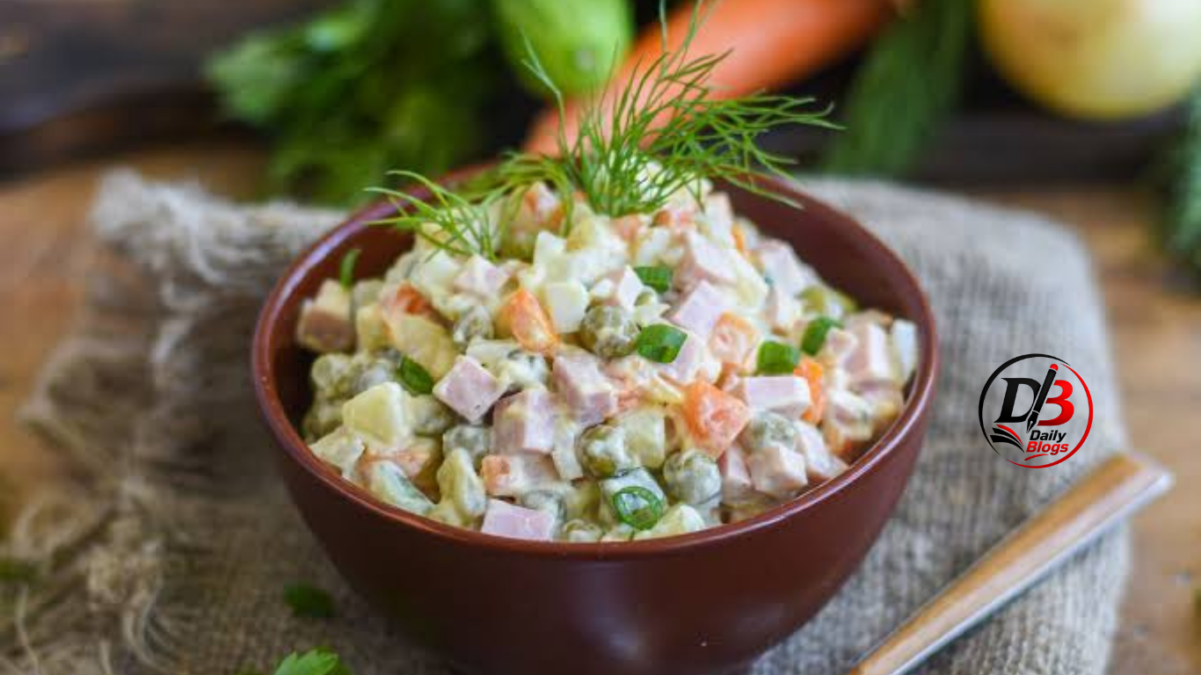
Ensalada rusa traces its roots to the late nineteenth century. The original creation is widely credited to Lucien Olivier, a Belgian or French chef who worked at the Hermitage restaurant in Moscow. His elaborate salad, known as Salad Olivier, combined game, caviar, potatoes and a secret mayonnaise-style dressing. Over time the recipe travelled and simplified. In Spain and across Latin America the dish shed many of its luxurious ingredients and settled into a more everyday form built around boiled potatoes, carrots, peas, eggs and mayonnaise.
Family background in the culinary sense is collective rather than personal. Generations of home cooks adapted the salad to local produce and tastes. In Spain it often appears as a tapa or side dish year-round, yet at Christmas it gains special status on many tables. In countries such as Argentina, Uruguay, Mexico and parts of the Caribbean, ensalada rusa is almost obligatory at Nochebuena gatherings. Childhood memories frequently centre on the preparation itself—peeling potatoes, carefully dicing vegetables so the pieces are uniform, and tasting the mayonnaise until the seasoning feels right.
Education in the formal sense does not apply, yet the dish has been “taught” through family kitchens and community cookbooks. Early interests for those who specialise in it usually begin with simple home cooking and expand into catering or restaurant menus during the festive season. Entry into the “profession” of serving ensalada rusa often happens when a home cook begins supplying neighbours, then local markets, then restaurants looking for authentic Christmas options.
Career and Rise to Fame
The salad’s public career began in Russian high society and then spread through migration and colonial culinary exchange. Its breakthrough in the Spanish-speaking world came as mayonnaise became widely available and potatoes remained a staple. By the mid-twentieth century ensalada rusa was firmly established on Christmas menus across Spain and Latin America.
Major milestones include its appearance in Spanish tapa bars, its inclusion in school and workplace Christmas parties, and its regular presence in supermarket deli counters during December. Recognition arrives less through formal awards and more through consistent demand. Restaurants that specialise in Spanish or Latin American food often list it among their most ordered festive dishes. Collaborations occur naturally when chefs combine classic versions with local twists—adding beetroot in some regions, tuna or prawns in others, or lighter yoghurt-based dressings for modern tastes.
Personal Challenges or Turning Points
Like many traditional dishes, ensalada rusa has faced challenges of authenticity and adaptation. Industrial mayonnaise and pre-cut frozen vegetables sometimes produce bland results, leading cooks to return to homemade dressings and carefully cooked produce. Career setbacks in the commercial sense appear when restaurants offer overly dense or under-seasoned versions that disappoint customers searching for the best ensalada rusa navidad near me.
Major life events for the dish itself include the rise of food safety awareness (proper refrigeration of mayonnaise-based salads) and the growing preference for fresher, less heavy preparations. Personal growth, in culinary terms, shows in the willingness of cooks to adjust ratios—more vegetables, less mayonnaise—or to accommodate dietary needs with vegan mayonnaise or egg-free versions. Resilience is evident in the salad’s continued popularity despite changing food trends; it simply refuses to disappear from Christmas tables.
Personal Life
Confirmed public information about ensalada rusa centres on its communal role rather than private relationships. It is rarely the star of a formal dinner yet almost always present. Families treat the preparation as a shared activity, with children often assigned the simpler tasks of shelling peas or arranging garnish. Public statements from chefs and home cooks tend to emphasise continuity: “This is the recipe my grandmother used” remains a common refrain.
There is no single marriage or set of children attached to the dish, yet it forms part of countless family narratives. At Christmas it sits alongside roast meats, seafood or other regional specialities, acting as a reliable supporting player that everyone expects to see.
Later Career and Current Activities
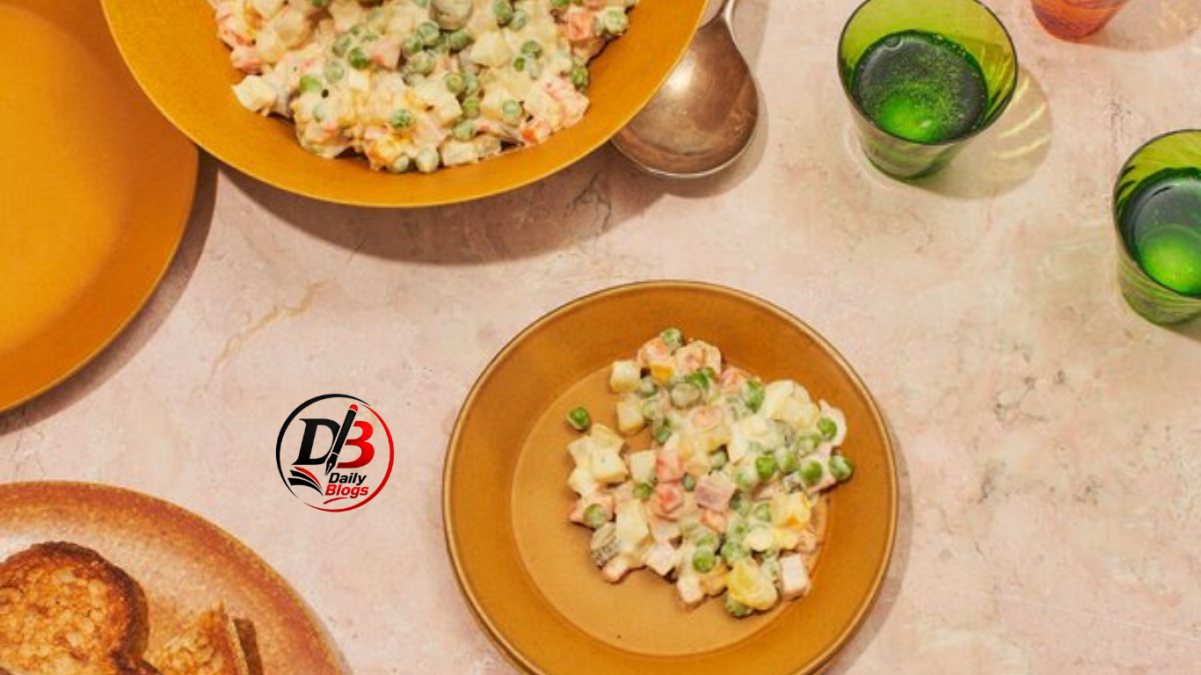
In recent years ensalada rusa has adapted to contemporary habits. Ready-made versions appear in supermarket fridges from late November, while specialist delis and Spanish or Latin American restaurants promote it as a Christmas essential. Public appearances take the form of festive menus, food-market stalls and social-media posts showing perfectly diced cubes of potato and carrot.
Charity work and advocacy are less formal, yet community kitchens and church groups often prepare large batches for shared Christmas meals. Business ventures include small catering companies that specialise in festive salads and side dishes. Other professional activities range from cooking classes focused on Spanish Christmas food to recipe testing for lighter or plant-based versions that still deliver the familiar flavour.
Quick Bio
| Detail | Information |
| Full Name | Ensalada rusa (Salad Olivier / Russian salad) |
| Date of Birth | Late 19th century (original form) |
| Place of Birth | Moscow (Hermitage restaurant) |
| Nationality | Originally Russian; widely adopted in Spain & Latin America |
| Profession | Festive side dish / tapa |
| Years Active | Circa 1860s–present |
| Known For | Christmas tables, potato-mayonnaise salad |
| Estimated Net Worth | Not applicable (cultural rather than commercial asset) |
Legacy and Lasting Impact
Ensalada rusa remains important because it represents continuity at a time of year when many people seek familiar flavours. Its influence appears in the way Christmas menus across multiple countries still make space for a simple vegetable salad bound with mayonnaise. Public perception is affectionate rather than reverential; the dish is loved for being dependable and generous.
Lessons from its long career include the value of adaptation without losing core identity, the power of shared preparation, and the quiet satisfaction of a dish that improves after a night in the fridge. For anyone searching for the best ensalada rusa navidad near me, the lasting message is practical: seek out places that respect the balance of textures and seasoning, or invest a little time at home to recreate the version that feels most like Christmas.
Conclusion
From its origins in a Moscow restaurant to its current place on festive tables from Madrid to Buenos Aires and beyond, ensalada rusa has travelled far while remaining recognisable. The search for the best ensalada rusa navidad near me is ultimately a search for that combination of comfort, colour and tradition that marks the season. Whether bought from a trusted local kitchen or made at home with careful attention to detail, a good version continues to earn its place year after year.