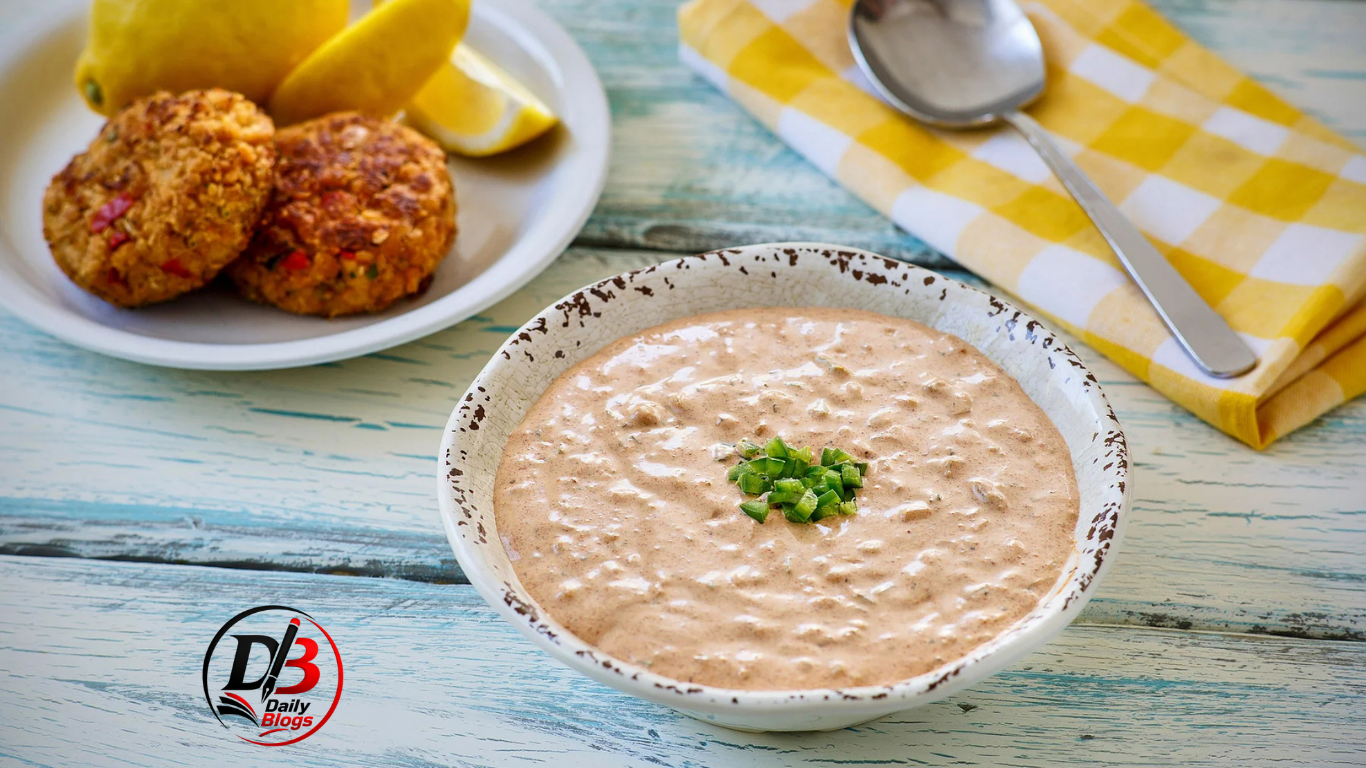
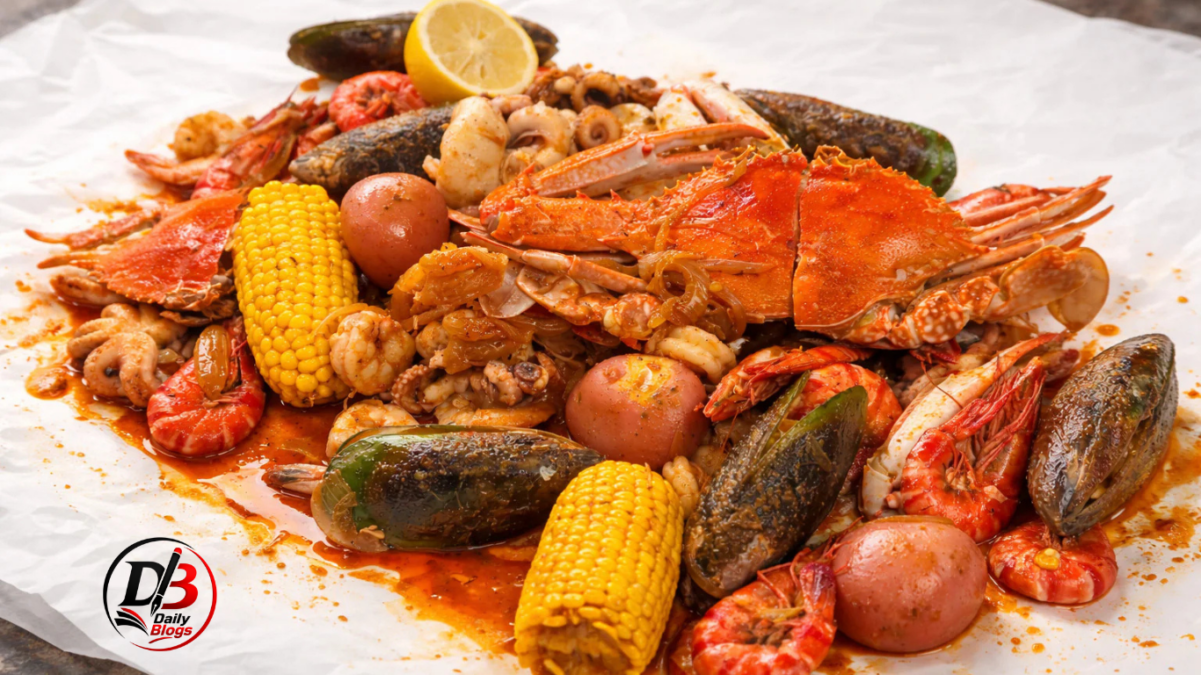
Few dishes capture the spirit of shared celebration quite like a seafood boil. Whether piled high with crab, prawns, mussels, corn and potatoes, the real star is often the sauce that coats everything in glossy, aromatic richness. A well-made seafood boil sauce recipe transforms simple boiled seafood into something memorable: buttery, garlicky, gently spicy and brightened with citrus.
This guide walks through a reliable, flavour-packed version that home cooks can prepare in under half an hour. It draws on classic Cajun and Creole influences while remaining adaptable for British kitchens, where Old Bay seasoning or similar blends can be sourced online or substituted with a homemade mix. The result is a sauce that clings beautifully, balances heat with sweetness, and elevates every bite.
A Brief Background to Seafood Boils and Their Sauce
Seafood boils trace their modern form to southern Louisiana in the early twentieth century, particularly around the Atchafalaya Basin. Cajun and Creole communities developed the practice of boiling crawfish, shrimp and later crab with robust seasonings, corn and potatoes as a practical way to feed large groups. Native American, French Acadian, African and Spanish culinary traditions all contributed techniques and spice combinations.
The accompanying sauce evolved as a finishing touch. Rather than relying solely on the seasoned boiling liquid, cooks began melting butter with garlic, onions and spice blends to create a pourable or dipping sauce that amplified flavour without overwhelming the seafood. Today the style has spread far beyond Louisiana, appearing at backyard gatherings, restaurants and home tables across the UK and further afield. The sauce remains the element that many people remember most.
Core Ingredients for a Classic Seafood Boil Sauce Recipe
A successful seafood boil sauce rests on a few key pillars: fat for richness, aromatics for depth, spices for character, a touch of sweetness and acidity for balance, and liquid to achieve the right consistency.
- Butter: Salted or unsalted, around 200–250 g forms the base. It carries flavour and creates that luxurious mouthfeel.
- Aromatics: Finely chopped onion or shallot plus plenty of fresh garlic. These soften in the butter and build savoury foundation.
- Seasonings: Old Bay (or a Cajun/Creole blend), smoked paprika, onion powder, chilli powder or cayenne, and red pepper flakes. Adjust quantities to suit heat preference.
- Sweetness: A tablespoon of soft brown sugar rounds the spices and prevents the sauce tasting one-dimensional.
- Liquid: Chicken, fish or shellfish stock, or reserved boiling liquid from the seafood itself. Some versions include a splash of lager or white wine.
- Finish: Fresh lemon juice and zest plus chopped parsley for brightness and colour.
These ingredients are widely available. In the UK, Old Bay can be ordered online; otherwise a mix of celery salt, paprika, black pepper, cayenne and a pinch of mustard powder works well as a substitute.
Step-by-Step Seafood Boil Sauce Recipe
This version yields roughly 500–600 ml, enough for four to six generous servings when poured over a seafood boil or served alongside for dipping. Preparation takes about five minutes; cooking around fifteen to twenty.
Ingredients
- 225 g salted butter
- 1 medium onion or 2 shallots, finely diced
- 6–8 garlic cloves, minced
- 2 tbsp Old Bay seasoning (or Cajun seasoning)
- 1 tbsp soft brown sugar
- 2 tsp smoked paprika
- 1 tsp onion powder
- 1 tsp chilli powder
- ½–1 tsp cayenne pepper or red pepper flakes (to taste)
- 120 ml chicken or fish stock
- Juice and zest of ½ lemon
- 2 tbsp fresh flat-leaf parsley, finely chopped
- Optional: a few dashes of hot sauce or a splash of lager
Method
- Melt the butter in a medium saucepan or deep frying pan over medium heat. Avoid letting it brown; the goal is a clear, golden liquid.
- Add the diced onion or shallot and cook gently for three to five minutes until softened and translucent. Stir occasionally.
- Stir in the minced garlic and cook for a further minute until fragrant. Do not allow it to colour, as burnt garlic turns bitter.
- Add the Old Bay, brown sugar, smoked paprika, onion powder, chilli powder and cayenne. Stir continuously for two to three minutes so the spices bloom in the hot butter and release their full aroma.
- Pour in the stock, bring the mixture briefly to a simmer, then reduce the heat and cook for six to eight minutes. The sauce should thicken slightly and coat the back of a spoon.
- Remove from the heat. Stir in the lemon juice, zest and parsley. Taste and adjust seasoning—add a pinch of salt if needed, more cayenne for heat, or an extra squeeze of lemon for brightness.
The sauce is ready to use immediately. Pour it over drained seafood, corn and potatoes while everything is still hot, or serve in small bowls for dipping. Leftovers keep in the fridge for up to three days and reheat gently on the hob or in a microwave.
Tips for Perfect Results and Common Variations
Heat control is essential. Medium to medium-low prevents the butter from separating or the garlic from scorching. If the sauce seems too thick, loosen it with a little extra stock or reserved boil liquid. For a smoother texture some cooks blend it briefly, though a rustic finish with visible bits of garlic and onion is traditional and appealing.
Variations allow personalisation. For a milder family-friendly version reduce or omit the cayenne. A beer-based twist replaces part of the stock with amber lager for malty depth. Adding a tablespoon of olive oil alongside the butter increases pourability. Some prefer a quicker method that simply whisks melted butter with reserved boiling liquid, lemon, garlic and Old Bay—no sautéing required—though the full method above develops deeper flavour.
The sauce pairs equally well with a classic Louisiana-style boil of prawns, crab legs and sausage or a simpler British version using mussels, clams and sustainable white fish. It also works as a dip for chips, brushed on grilled corn or tossed through cooked pasta with leftover seafood.
Serving Suggestions and Make-Ahead Advice
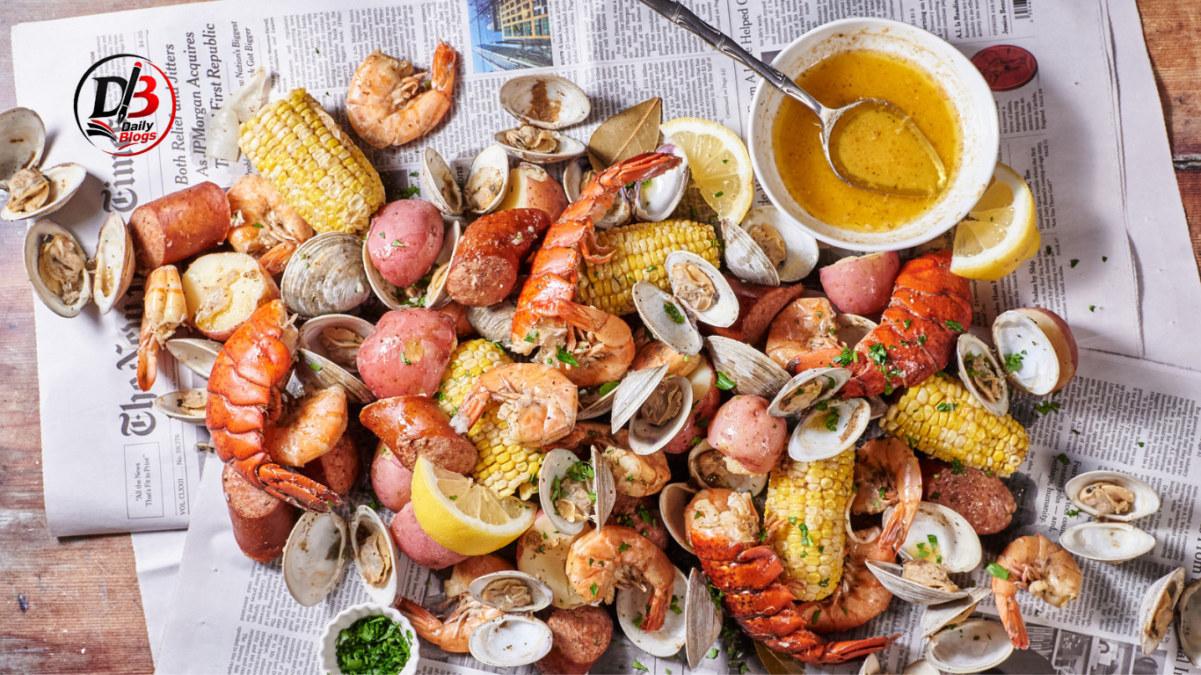
Present the boil the traditional way: drained onto a large tray or newspaper-lined table so everyone digs in together. Scatter extra parsley and lemon wedges around the edges. Keep the sauce warm in a small pan or thermos so it stays fluid.
The sauce can be made a day ahead. Cool completely, refrigerate in an airtight container, then reheat slowly while stirring. Freezing is possible for up to a month; thaw overnight in the fridge and re-emulsify over low heat, adding a splash of stock if needed.
Why This Seafood Boil Sauce Recipe Endures
Beyond the practical appeal of a quick, high-impact sauce, the dish carries social weight. Seafood boils encourage lingering conversation and shared plates. The sauce itself rewards attention to balance—richness cut by acidity, heat tempered by sweetness—mirroring the thoughtful approach many home cooks bring to entertaining.
Conclusion
most ingredients are store-cupboard staples, the method is straightforward, and the payoff is generous. Whether preparing a midweek treat or a weekend gathering, a well-executed seafood boil sauce recipe turns ordinary seafood into an occasion.