Metatarsalgia is one of those conditions that can quietly turn everyday walking into a chore. That sharp, burning or aching sensation under the ball of the foot often feels like you are permanently stepping on a small pebble. For many people in the UK, whether they spend long hours on their feet at work, enjoy regular walks or simply want to move without discomfort, the right pair of shoes makes a decisive difference.
Choosing the best shoes for metatarsalgia is less about fashion and more about how footwear redistributes pressure, cushions the metatarsal heads and allows the toes to sit naturally. This guide explores what the condition involves, the features that genuinely help, and some of the most consistently recommended options available today. The aim is practical, balanced advice grounded in common podiatry recommendations rather than hype.
Understanding Metatarsalgia
Metatarsalgia refers to pain in the ball of the foot, specifically around the heads of the metatarsal bones. It is a symptom rather than a single diagnosis and can stem from several factors. High-impact activities, prolonged standing on hard surfaces, high-heeled or narrow shoes, foot shape (such as high arches or a longer second toe), excess body weight and gradual loss of the natural fat pad under the forefoot all play a role.
Symptoms typically include sharp, aching or burning pain that worsens with standing, walking or running and eases with rest. Some people notice numbness or tingling in the toes, or the persistent sensation of something under the foot. Left unaddressed, the discomfort can alter gait and place extra strain on the knees, hips or back.
Conservative measures form the first line of management: rest, ice, activity modification, metatarsal pads and, crucially, better footwear. Surgery is rarely required and is reserved for cases that do not respond to these steps.
Key Features of the Best Shoes for Metatarsalgia
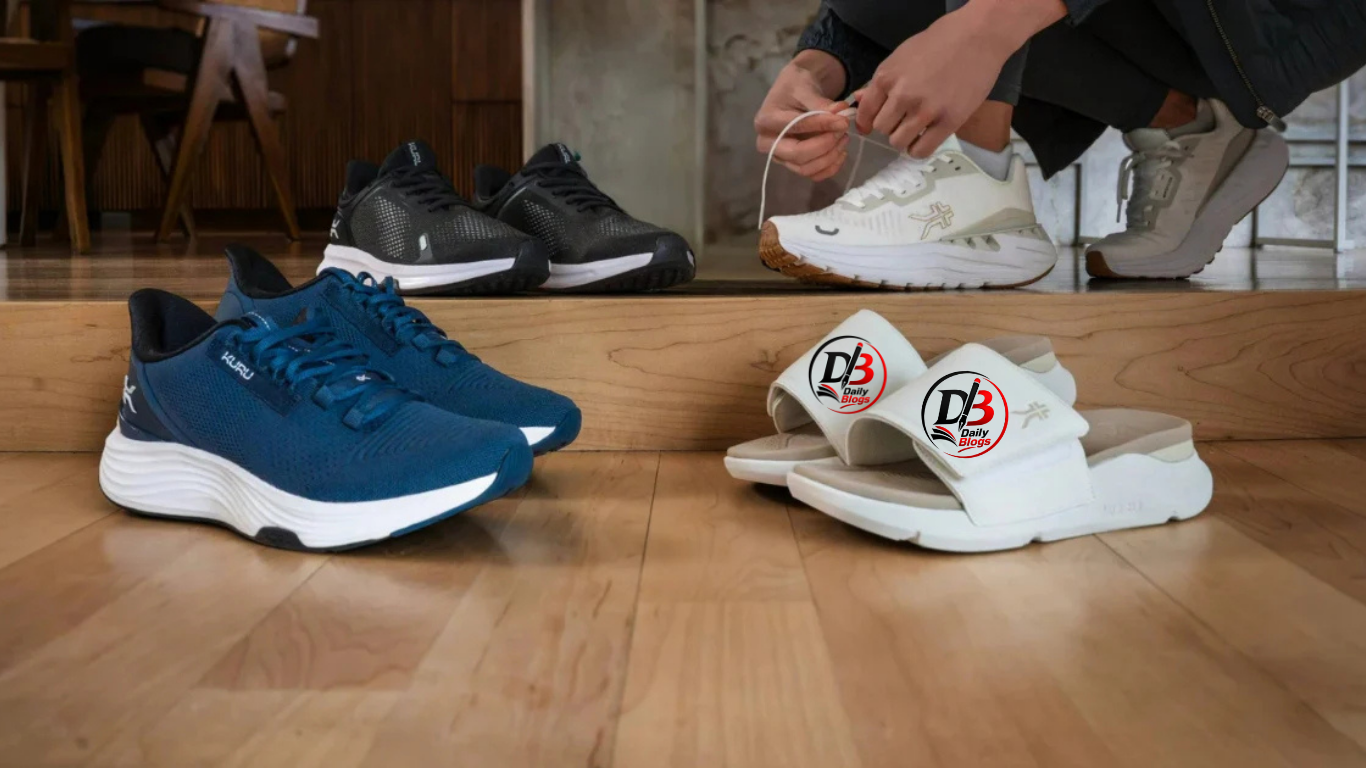
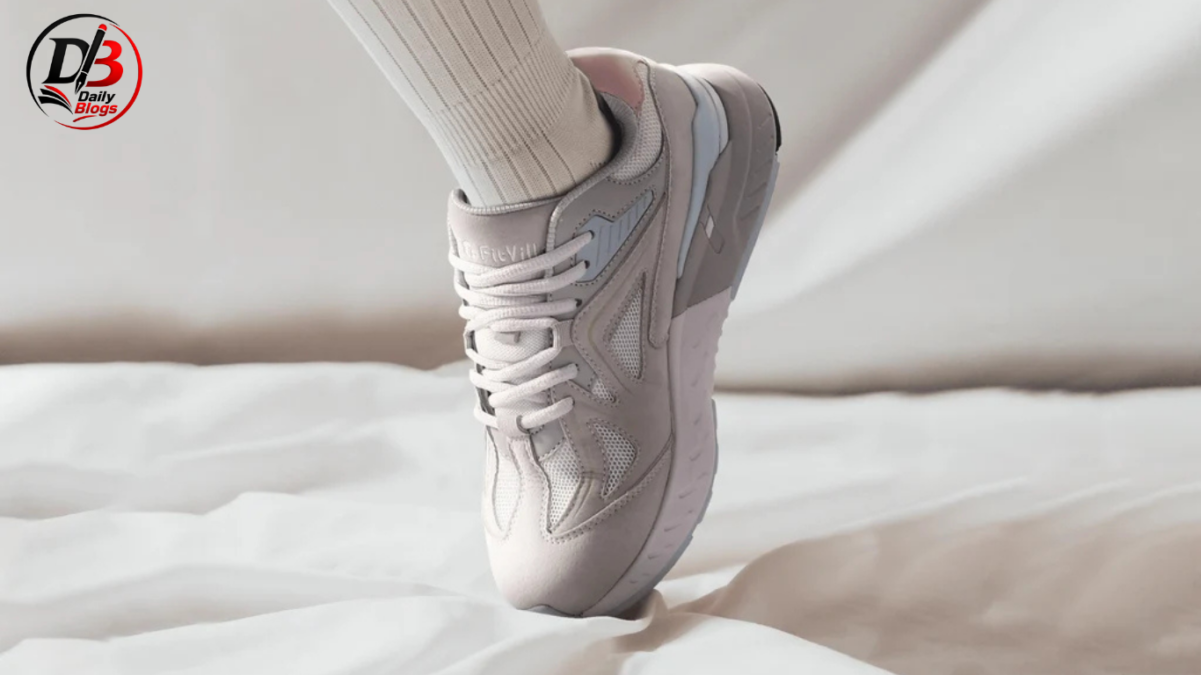
Not every cushioned trainer will help. The most effective shoes for metatarsalgia share several characteristics that podiatrists and foot-care specialists repeatedly highlight.
A wide, deep toe box is essential. It prevents the toes from being squeezed together, which increases pressure on the metatarsal heads. Many sufferers benefit from 2E or 4E width options.
Generous forefoot cushioning absorbs impact precisely where it is needed. Maximal-stack midsoles made from EVA, supercritical foams or similar materials reduce the load transmitted to the ball of the foot.
Rocker or meta-rocker geometry is another frequent recommendation. A curved sole encourages a smoother roll-through from heel to toe, shortening the time the forefoot spends under peak pressure during push-off.
Removable insoles allow the addition of a metatarsal pad (placed just behind the painful area, not directly under it) or custom orthotics. Low-to-moderate heel-to-toe drop helps distribute weight more evenly rather than pitching the body forward onto the forefoot. A reasonably stiff yet flexible sole and stable midfoot support complete the picture.
Shoes to avoid include high heels, ballet flats, thin-soled fashion trainers and anything with a narrow or pointed toe box. These designs concentrate force on the metatarsals and often prolong symptoms.
Recommended Shoes for Everyday Walking and Standing
For daily use and occupations that involve long periods on the feet, maximal cushioning combined with width is usually the priority.
Hoka’s Bondi range (including recent iterations such as the Bondi 9) consistently appears in podiatrist shortlists. Its thick stack, meta-rocker geometry and available wide fittings provide substantial offloading of the forefoot. The plush ride suits those with more severe symptoms or who stand for hours on hard floors.
The Hoka Clifton series offers a slightly lighter alternative with similar rocker benefits and roomy options. Many find the balance of cushioning and weight ideal for mixed walking and light activity.
Orthopaedic brands such as Orthofeet and certain FitVille models specialise in extra-depth, wide-fit designs with removable orthotic-friendly insoles. These often incorporate targeted forefoot padding and slip-resistant soles suitable for workplace use. They prioritise function over athletic styling, which is precisely what many people need.
Options for Running and Higher-Impact Activity
Runners with metatarsalgia need the same core features plus enough responsiveness to maintain a natural stride.
The Hoka Clifton remains a frequent top pick for its combination of cushioning, meta-rocker and relatively low weight. Brooks models with high forefoot stack, such as recent Glycerin or Ghost iterations, deliver plush protection while maintaining a smooth transition. New Balance Fresh Foam lines (including higher-stack “More” versions) provide thick midsoles and good width availability.
Altra’s FootShape toe boxes are particularly helpful when lateral compression of the metatarsals is a contributing factor. Zero-drop designs distribute pressure evenly across the foot, though they require gradual adaptation if the wearer is used to higher drops.
ASICS Gel-Cumulus and similar daily trainers offer reliable cushioning and a stable platform. Availability in multiple widths is an advantage for those whose feet swell or who need extra room in the forefoot.
Whatever the model, replacing shoes regularly is important. Cushioning breaks down with mileage, and worn-out midsoles can reintroduce the very pressure the shoe was meant to relieve.
Supporting Insoles and Additional Strategies
Even the best shoes for metatarsalgia can be improved with well-chosen insoles. Off-the-shelf options featuring a metatarsal pad or dome help lift and redistribute load away from the painful heads. Brands offering gel or polymer cushioning under the ball of the foot, combined with arch support, are widely used. Custom orthotics prescribed by a podiatrist remain the gold standard when over-the-counter solutions fall short.
Beyond footwear, simple habits matter. Gradual increases in activity, regular calf and foot stretches, maintaining a healthy weight and avoiding prolonged barefoot walking on hard surfaces all contribute. Ice after activity and short periods of rest can calm flare-ups. If pain persists beyond a few weeks despite these measures, professional assessment is wise to rule out related issues such as Morton’s neuroma, stress fracture or plantar-plate injury.
Choosing and Fitting Your Pair
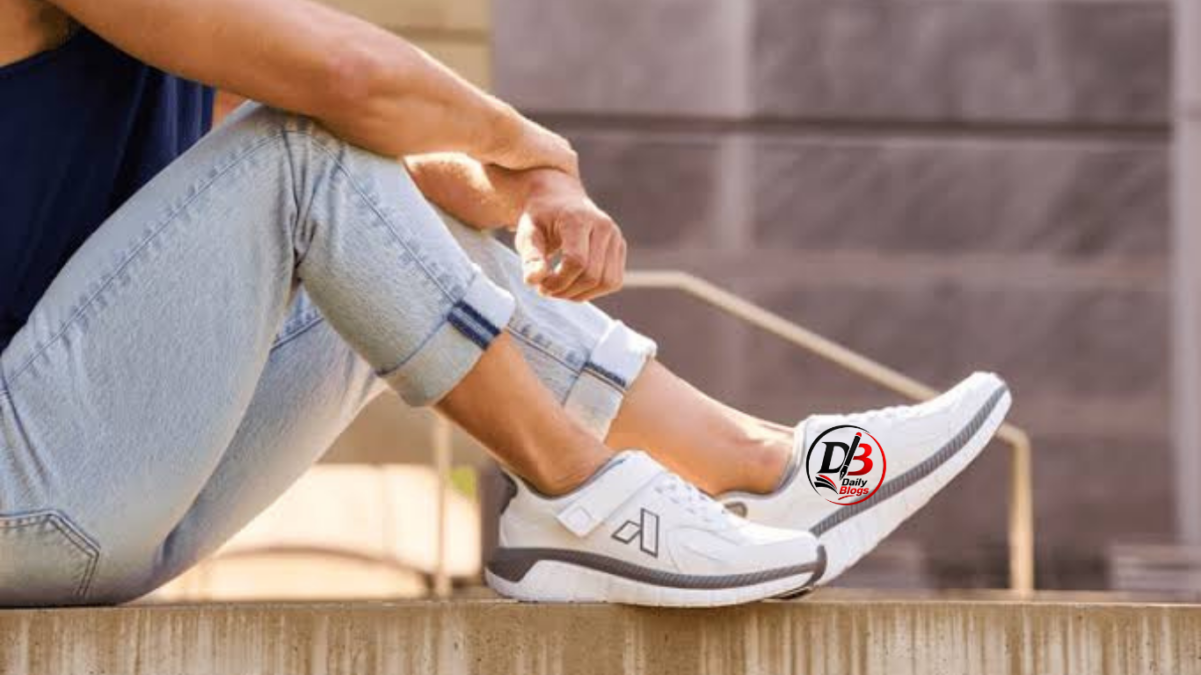
When shopping, try shoes later in the day when feet are slightly larger. Ensure there is a thumb’s width of space beyond the longest toe and that the widest part of the foot sits comfortably in the widest part of the shoe. Walk on a hard surface in the shop if possible; soft carpet can mask pressure points.
Consider the surfaces and activities you encounter most. A highly cushioned rocker shoe may excel for pavement walking yet feel less stable on uneven ground. Width is often more critical than brand loyalty. Many manufacturers now offer extensive wide-fitting ranges, which is good news for British shoppers who previously struggled with narrow last shapes.
Price varies. Effective options exist at mid-range price points as well as premium ones. The most expensive shoe is not automatically the best; the one that matches your foot shape, activity level and symptom pattern is.
Looking Ahead: Prevention and Long-Term Comfort
Once symptoms settle, continuing to wear supportive footwear reduces the chance of recurrence. Alternating pairs, rotating activities and strengthening the intrinsic foot muscles through simple exercises can further protect the forefoot. Awareness of footwear’s role in load distribution is itself a form of prevention.
Conclusion
Metatarsalgia is common and, in most cases, manageable. The best shoes for metatarsalgia do not promise miracle cures; they simply create conditions in which the foot can recover and function more comfortably. Wide toe boxes, thoughtful cushioning and rocker geometry remain the most reliable starting points supported by clinical experience and user feedback.