The Hugo Spritz has emerged as one of the most delightful aperitifs of recent years, offering a lighter, floral alternative to the brighter, bitter profile of its more famous cousin, the Aperol Spritz. With its elegant balance of prosecco, elderflower, and fresh mint, this Italian-born drink captures the essence of alpine summers and effortless European style.
Whether you’re sipping one on a terrace in the Dolomites or recreating it at home, understanding the Hugo Spritz ingredients is key to mastering this effortlessly chic cocktail. Its simple yet sophisticated profile makes it ideal for warm-weather gatherings, and its relatively low ABV means you can enjoy more than one without regret.
The Origins of the Hugo Spritz
The Hugo Spritz story begins in 2005 in South Tyrol, the Italian alpine region known for its breathtaking Dolomite mountains and bilingual Italian-German culture. Bartender Roland Gruber, also known as A.K., created the drink at San Zeno Bar in Naturns as a gentler alternative to the increasingly popular Spritz Veneziano (the classic Aperol version).
Originally, the recipe called for lemon balm syrup (melissa), which was common locally. However, as the drink spread across northern Italy, Austria, Switzerland, and Germany, elderflower syrup or liqueur became the standard. This shift made it more accessible while preserving its light, herbaceous character. Today, the Hugo (pronounced OO-go) is a staple of European aperitivo hour, particularly in Triveneto and beyond.
Hugo Spritz Ingredients: What You Need for the Perfect Pour
At its heart, the Hugo Spritz relies on just a handful of quality ingredients that work in beautiful harmony. The classic recipe follows a loose 3-2-1 template common to many spritzes, but proportions can be adjusted to taste.
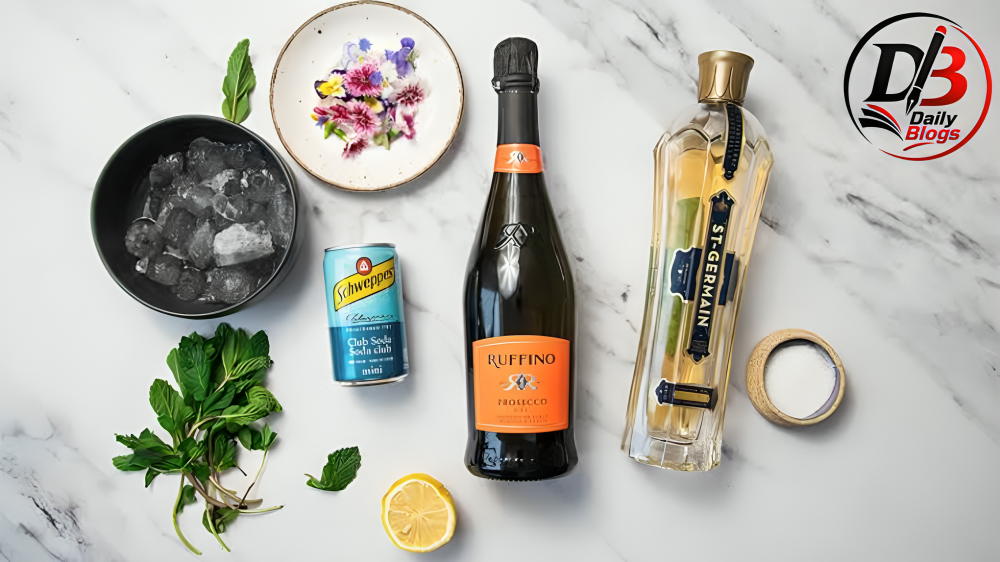
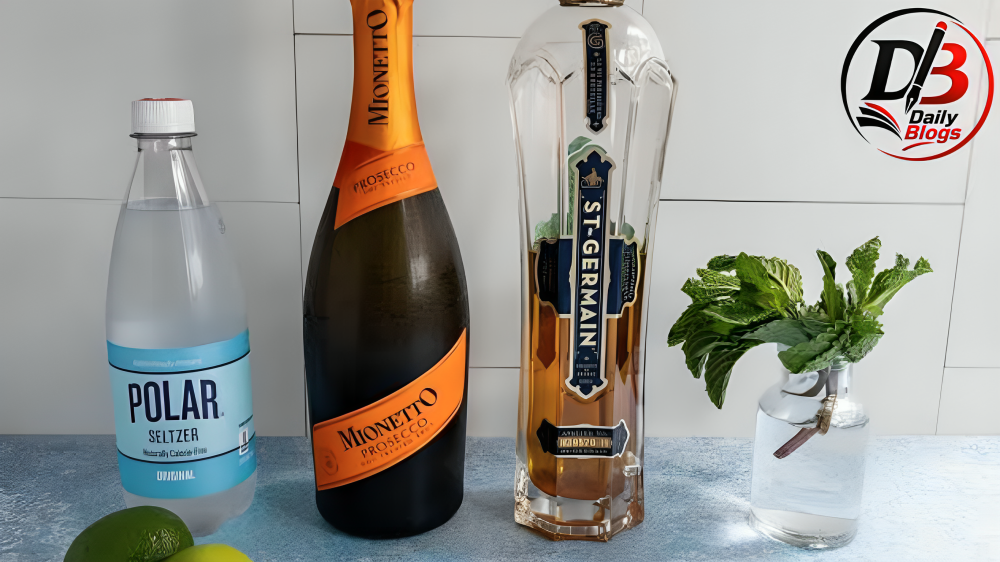
Core Hugo Spritz ingredients:
- Prosecco (chilled): The sparkling backbone, providing elegant bubbles and subtle fruit notes. Choose a dry or extra-dry style to balance the sweetness of the elderflower.
- Elderflower liqueur or syrup: Usually St-Germain (a French liqueur made with hand-picked elderflowers), though traditional versions may use a lighter elderflower cordial. This delivers the signature floral, honeyed perfume.
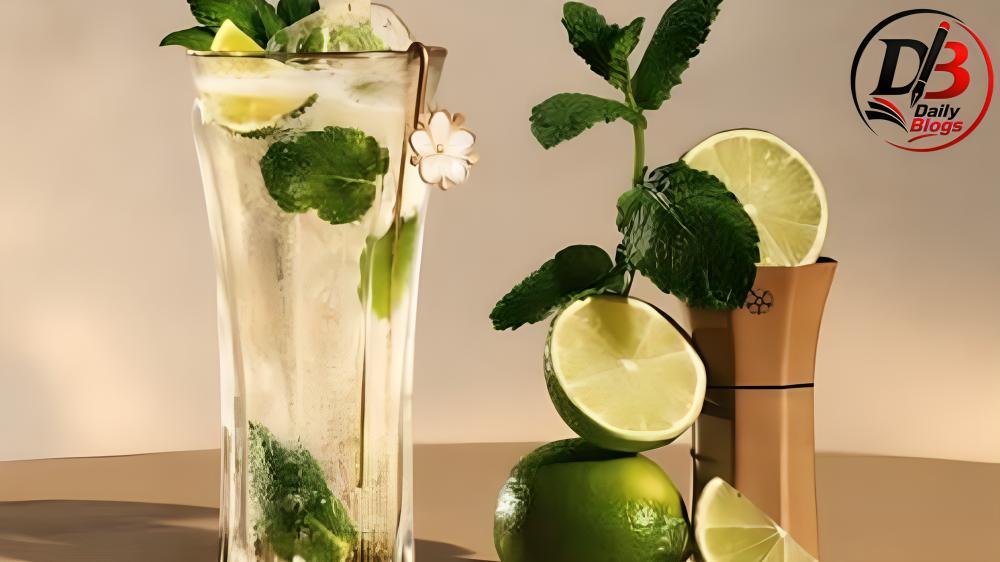
- Fresh mint leaves: A generous sprig or handful, lightly muddled or used as garnish, adds a cooling herbal lift.
- Soda water or sparkling water (chilled): To lengthen the drink and add extra fizz without diluting the flavours too much.
- Lime or lemon wedge: For brightness and a citrus garnish.
- Ice: Plenty of it, as the drink is served over ice in a large wine glass.
Optional touches include a dash of elderflower syrup if using a drier prosecco, or experimenting with lemon balm for a more authentic Tyrolean take.
How to Make a Hugo Spritz
Making a Hugo Spritz is wonderfully straightforward, perfect for both seasoned mixologists and beginners.
- Gently muddle a few mint leaves with a lime wedge in the bottom of a large wine glass (avoid over-muddling to prevent bitterness).
- Fill the glass with ice cubes.
- Add ½–1 oz (15–30 ml) of elderflower liqueur.
- Pour in 4–5 oz (120–150 ml) of chilled prosecco.
- Top with 1–2 oz (30–60 ml) of chilled soda water.
- Stir gently, garnish with a fresh mint sprig and another lime wedge, and serve immediately.
The result is a crisp, aromatic drink with prominent floral and herbal notes, balanced by the wine’s acidity and the sparkling finish. It’s lighter and less bitter than an Aperol Spritz, making it especially appealing to those who prefer delicate flavours.
Why Hugo Spritz Ingredients Work So Well Together
The magic of the Hugo lies in its thoughtful contrast. Elderflower brings a sweet, perfumed elegance reminiscent of elderflower cordial or even a light honey. Mint provides a refreshing counterpoint, evoking cool alpine breezes. Prosecco contributes structure and celebratory fizz, while the soda keeps it sessionable and prevents it from becoming cloying.
This combination creates a drink that feels both sophisticated and approachable. It pairs beautifully with light bites like prosciutto, fresh salads, or seafood—ideal for summer entertaining or a relaxed evening aperitivo.
Variations on the Classic Hugo Spritz
While the standard Hugo Spritz ingredients remain popular, creative bartenders have introduced welcome twists:
- Non-alcoholic version: Replace prosecco with sparkling grape juice or non-alcoholic sparkling wine, and use elderflower cordial instead of liqueur.
- Fruit-forward: Add fresh berries or a splash of elderflower syrup for extra depth.
- Herbal experiments: Some return to the original lemon balm or incorporate cucumber for an even cooler profile.
- Wine swaps: While prosecco is traditional, some use other sparkling wines like Cava or Franciacorta for subtle differences in character.
These adaptations keep the Hugo Spritz relevant and exciting while honouring its origins.
The Rise in Popularity
Since its creation, the Hugo Spritz has quietly become a favourite across Europe, appearing on menus from Milan to Munich and gaining traction further afield. Its timing was perfect—arriving amid a broader renaissance in aperitivo culture and a growing appreciation for lower-ABV cocktails.
Social media and travel have accelerated its fame. Visitors to Italy and the Alps return home eager to recreate the refreshing drink they enjoyed on holiday. Its photogenic appearance—pale gold with vibrant green mint—makes it a natural star on Instagram and Pinterest.
Hugo Spritz Ingredients Table
| Detail | Information |
| Full Name | Hugo Spritz (or simply Hugo) |
| Origin | South Tyrol, Italy (2005) |
| Primary Spirit/Base | Prosecco |
| Signature Ingredient | Elderflower liqueur (e.g. St-Germain) |
| Key Garnishes | Fresh mint, lime |
| Serve Style | Over ice in a wine glass |
| ABV (approximate) | 8–11% |
| Best Enjoyed | Summer aperitivo, warm evenings |
Lasting Appeal and Modern Relevance
The Hugo Spritz endures because it perfectly balances simplicity with sophistication. In an era where drinkers seek mindful enjoyment—great flavour without heavy consequences—this cocktail delivers. Its ingredients are easy to source, and the recipe forgives minor variations, encouraging personal interpretation.
Conclusion
It also represents a lovely piece of modern cocktail history: a drink born from a desire for something different that quickly found a devoted following. As interest in Italian and alpine-inspired drinks continues, the Hugo Spritz stands as a shining example of how a well-crafted, ingredient-led cocktail can capture hearts (and palates) worldwide.
In many ways, the Hugo Spritz embodies the spirit of European summer living: unpretentious, convivial, and full of fresh, natural flavours. Its rise reminds us that sometimes the most enduring creations come from humble innovation rather than grand ambition.