If you’ve typed “best asado negro near me” into a search engine, you’re likely craving a taste of something deeply comforting and richly flavoured. This traditional Venezuelan dish combines tender beef with a glossy, dark sauce that balances sweetness, savouriness, and subtle acidity. Whether you’re exploring Venezuelan cuisine for the first time or seeking an authentic reminder of home, finding exceptional asado negro rewards those willing to venture beyond the usual suspects.
Asado negro has earned its place as a centrepiece for celebrations and family gatherings across Venezuela. Its striking appearance—deep mahogany meat bathed in a thick, caramelised gravy—belies the patience and care required to prepare it. In the UK, particularly in London’s vibrant Latin American communities, a growing number of spots deliver versions that capture the soul of the original.
What Makes Asado Negro Special?
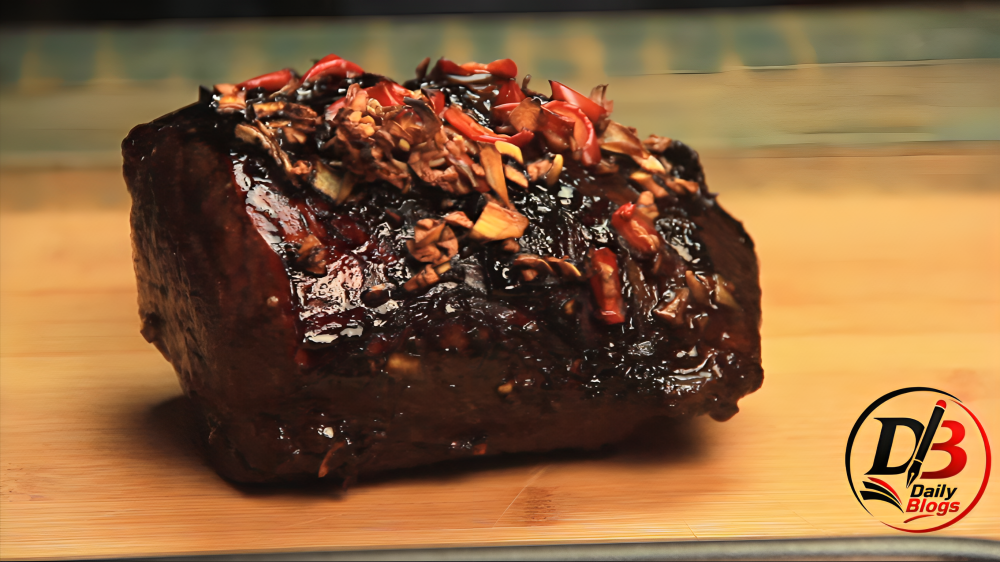
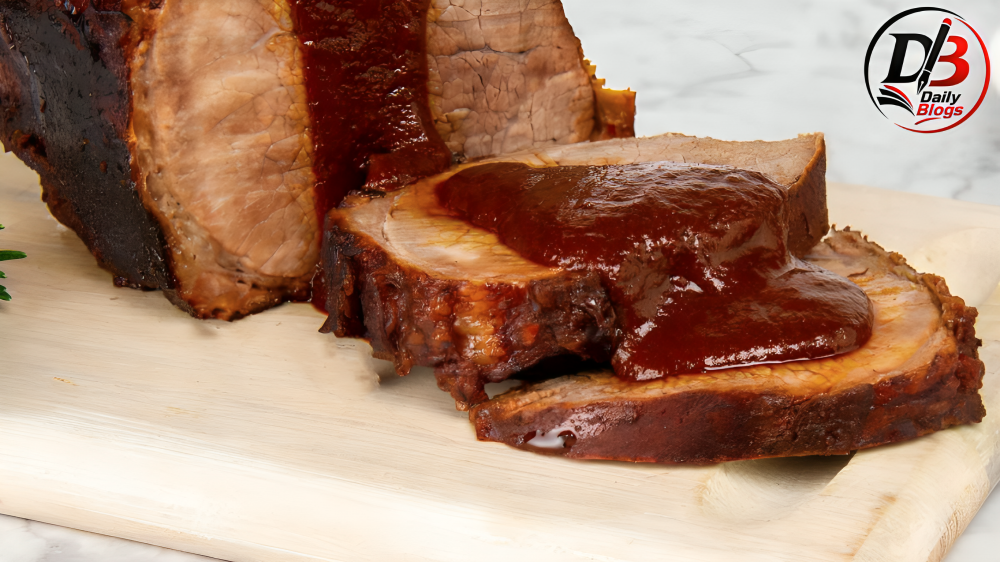
At its heart, asado negro is a slow-cooked eye of round roast (known locally as muchacho redondo). The meat is first seared or caramelised with burnt sugar or panela (unrefined cane sugar), which gives the dish its signature “black” or dark appearance and complex flavour. It then braises gently in a sauce featuring onions, garlic, tomatoes, peppers, red wine, and aromatic herbs. The result is fork-tender beef that absorbs every nuance of the reduction.
The name “asado negro” refers to this dramatic darkening process, not burnt food. Traditional recipes often call for overnight marinating, ensuring the flavours penetrate deeply. Served with white rice, fried sweet plantains (tajadas), and perhaps black beans or hallacas during festive periods, it exemplifies Venezuelan home cooking at its most generous.
Origins and Cultural Significance
Asado negro traces its roots to colonial Caracas, with influences from Spanish, Indigenous, and African culinary traditions. Early records date back to the 19th century, and it gained wider recognition through the work of renowned Venezuelan gastronome Armando Scannone, whose cookbooks documented cherished family recipes passed down through generations.
Like many iconic dishes, it evolved from resourceful cooking. A lean cut of beef benefits enormously from long, slow braising, transforming it into something luxurious. In Venezuelan households, preparing asado negro signals a special occasion—birthdays, holidays, or Sunday lunches—where the aroma fills the home and draws family together.
Finding the Best Asado Negro Near Me in the UK
For those searching “best asado negro near me,” location matters, but authenticity counts more. In London, several establishments stand out for their commitment to traditional flavours.
Arepa & Co has built a strong reputation as one of the go-to spots for Venezuelan food. With locations including Bethnal Green and Elephant Park, their asado negro features tender beef in a rich, dark gravy, often paired with classic sides. It’s a reliable choice for both dine-in and takeaway.
Other notable mentions include spots in the Elephant & Castle area, often called London’s Latin quarter, where smaller Venezuelan-run kitchens and markets offer homestyle versions. Places like those around Latin American communities frequently rotate specials, so checking current menus or calling ahead is wise.
Outside London, options may be more limited, but growing interest in South American cuisine means pop-ups, food trucks, and specialist delis occasionally feature it. Searching for “Venezuelan restaurant near me” or “Latin American food near me” on mapping apps yields the best results. Some home cooks and caterers also offer authentic versions for events.
How to Spot (and Enjoy) Authentic Asado Negro
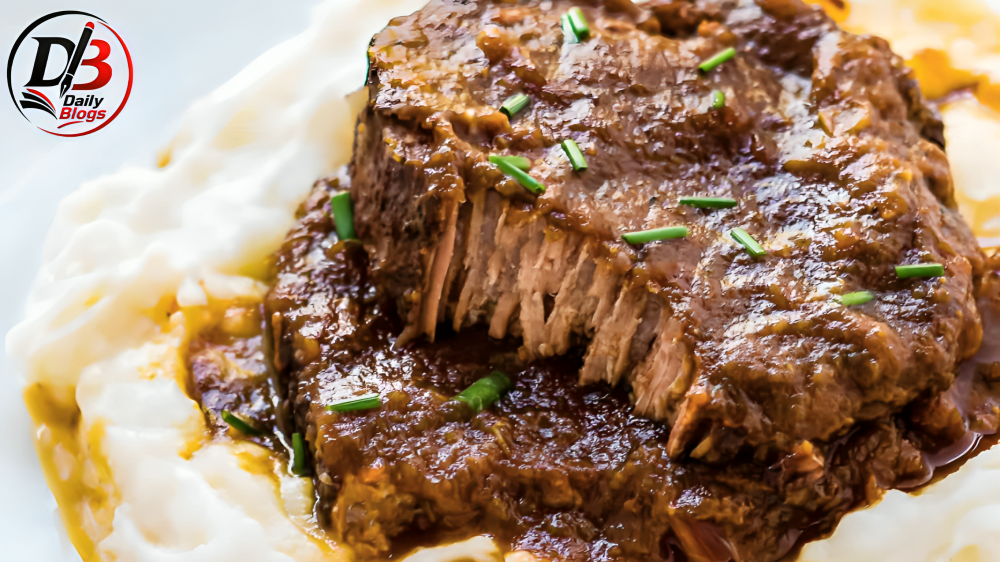
Authenticity shines through in the sauce: it should be thick, dark, and glossy without being overly sweet. The beef must be meltingly tender yet hold its shape. Traditional accompaniments include:
- Fluffy white rice to soak up the gravy
- Fried ripe plantains for sweetness and texture
- A simple salad or black beans
Many modern adaptations use pressure cookers or slow cookers for convenience while preserving flavour, making it more accessible for home preparation.
If dining out, don’t hesitate to ask about the preparation. Chefs who respect the tradition often welcome conversations about their methods.
Cooking Asado Negro at Home
For those unable to find the perfect restaurant version immediately, recreating asado negro at home is rewarding. Start with a good-quality eye of round or similar lean roast. Key steps include creating a caramel base with panela or sugar, marinating the meat with aromatics, and simmering low and slow—often 3–4 hours or more—until the sauce reduces beautifully.
Variations exist across families: some emphasise wine, others Worcestershire sauce (known as salsa inglesa in Venezuela), and some add subtle spices. Experimenting with trusted recipes from sources like Scannone’s compilations or experienced Venezuelan home cooks yields excellent results.
Why the Search for “Best Asado Negro Near Me” Matters
In a world of fast food and fleeting trends, dishes like asado negro remind us of the value of time-honoured cooking. Its preparation demands patience, much like the cultural resilience of Venezuelan communities who have carried these recipes across borders.
Whether you discover it in a bustling London restaurant, at a family table, or through your own efforts in the kitchen, a well-made asado negro delivers more than a meal—it offers connection to a rich culinary heritage.
Quick Facts About Asado Negro
| Detail | Information |
| Full Name | Asado Negro (Venezuelan Dark Roast Beef) |
| Place of Origin | Caracas, Venezuela |
| Main Ingredients | Beef (eye of round), panela/caramel, wine, aromatics |
| Typical Serving | With rice, plantains, beans |
| Occasion | Festive meals and family gatherings |
| Popularised By | Traditional family recipes and chef Armando Scannone |
Conclusion
Asado negro continues to captivate food lovers because it perfectly balances humble ingredients with sophisticated technique. Its dark, lustrous sauce and tender meat tell a story of adaptation, celebration, and flavour that transcends borders.
Next time you search for the best asado negro near me, consider it an invitation to explore not just a dish, but a piece of Venezuelan soul on a plate. The journey—whether across town or into your own kitchen—rarely disappoints.