Semolina halva is one of those quietly comforting sweets that appears across kitchens from the eastern Mediterranean to the Indian subcontinent. Known as sooji or suji ka halwa in South Asia, irmik helvası in Turkey and simigdalenios or simply halvas in Greece, this pudding-like dessert is made by toasting coarse or fine semolina in fat, then cooking it with a sweet syrup or milk until it thickens into a soft, grainy, aromatic mass. The main keyword, semolina halva recipe, points to a dish that is both everyday and celebratory – ready in under half an hour yet special enough for festivals, religious occasions or a simple weekend treat.
What keeps people returning to a good semolina halva recipe is its adaptability and reassuring simplicity. A handful of pantry staples – semolina, sugar or honey, ghee or olive oil, water or milk, and a few spices – transform into something fragrant with cardamom, cinnamon or orange zest. Nuts and dried fruit add texture, while the toasting step brings a deep, nutty flavour that distinguishes it from plain porridge. Whether you prefer the richer, ghee-and-milk Indian style or the lighter, oil-and-syrup Greek version often enjoyed during Lent, the method is forgiving and the results consistently rewarding.
A Sweet with Many Homes
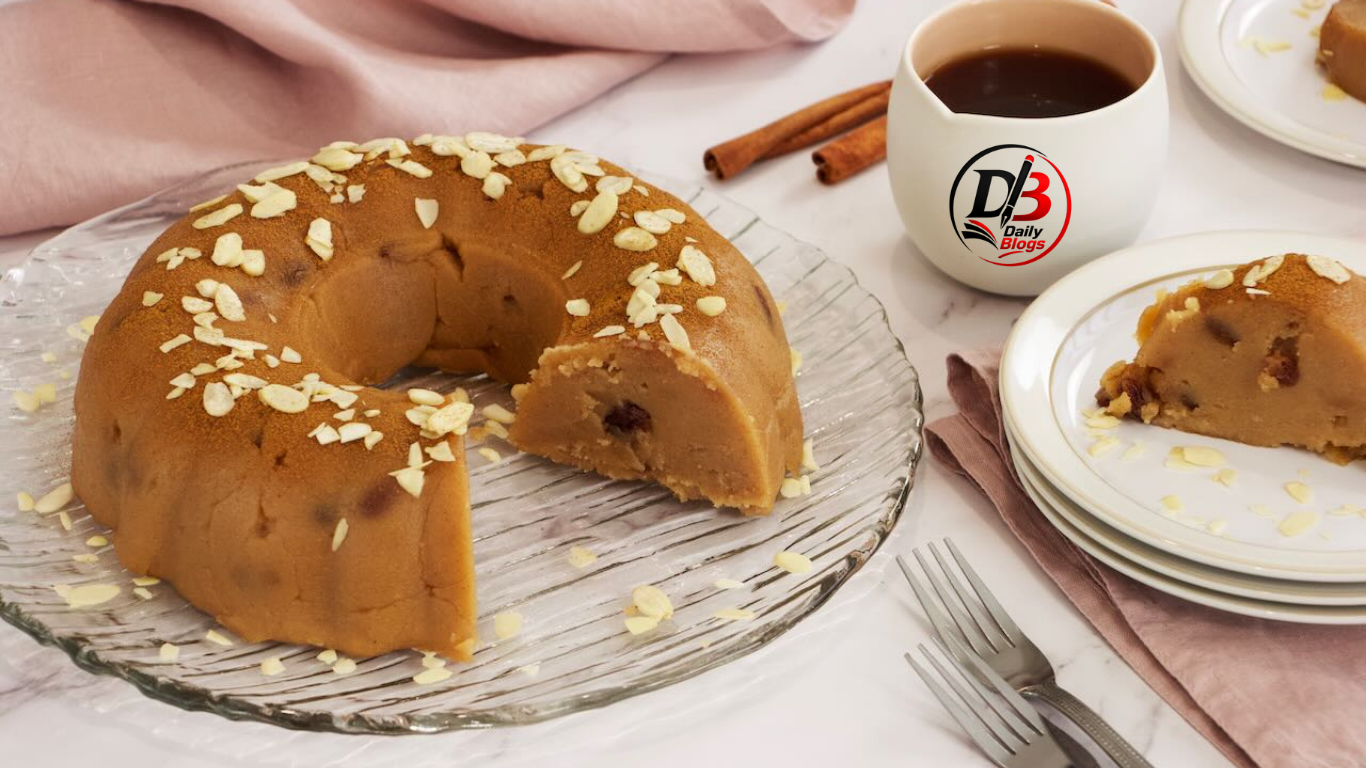
The name “halva” (or halvah, helva, halwa) comes from the Arabic root hulw, meaning sweet. Grain-based versions using toasted flour or semolina have been documented for centuries across the Middle East, the Balkans, Central Asia and South Asia. In India and Pakistan, sooji ka halwa is a familiar offering at temples, during Diwali, Eid or as a quick breakfast. Greek cooks favour a classic 1-2-3-4 ratio – one part oil, two parts semolina, three parts sugar, four parts water – often scented with cinnamon, cloves and citrus peel, and pressed into a mould to set. Turkish irmik helvası is similarly straightforward and sometimes linked with moments of both celebration and consolation.
Semolina itself is the coarse endosperm of durum wheat. In the UK it is widely available in both fine and coarse grades; Indian recipes often call for the slightly coarser “sooji” or “rava”. The toasting stage is essential: it develops flavour and prevents a raw, pasty taste. Once the liquid is added the grains swell and the mixture turns glossy and pudding-like. The finished dish can be served warm and spoonable or cooled and sliced, depending on the proportion of liquid and the desired texture.
Classic Semolina Halva Recipe (South Asian Style)
This version yields a soft, fragrant halwa perfect for four generous servings. It takes about 20–25 minutes and uses ingredients easy to find in British shops.
Ingredients
- 100 g ghee or unsalted butter (or a mix of both)
- 150 g fine or medium semolina
- 100–120 g granulated sugar (adjust to taste)
- 400–450 ml water, or a mixture of water and whole milk
- 4–5 green cardamom pods, lightly crushed
- Pinch of saffron strands (optional)
- 2–3 tbsp mixed nuts (almonds, cashews, pistachios), roughly chopped
- 1–2 tbsp sultanas or raisins
- Optional: ½ tsp rose water or a few drops of vanilla
Method
- Melt the ghee or butter in a heavy-based saucepan or non-stick frying pan over a medium-low heat. Add the nuts and sultanas and stir for a minute or two until the nuts colour lightly and the fruit plumps. Remove them with a slotted spoon and set aside.
- Add the semolina to the remaining fat. Stir constantly for 8–12 minutes. The grains will gradually turn golden and release a nutty aroma. Do not rush this step; uneven heat can leave some grains raw while others burn.
- Meanwhile, in a separate pan, dissolve the sugar in the water (and milk if using) together with the crushed cardamom and saffron. Bring just to the boil, then keep warm.
- Carefully pour the hot sweet liquid into the toasted semolina, stirring vigorously to avoid lumps. The mixture will bubble and steam – stand back. Continue stirring over a low heat for 5–7 minutes until the liquid is absorbed and the halwa thickens and begins to leave the sides of the pan.
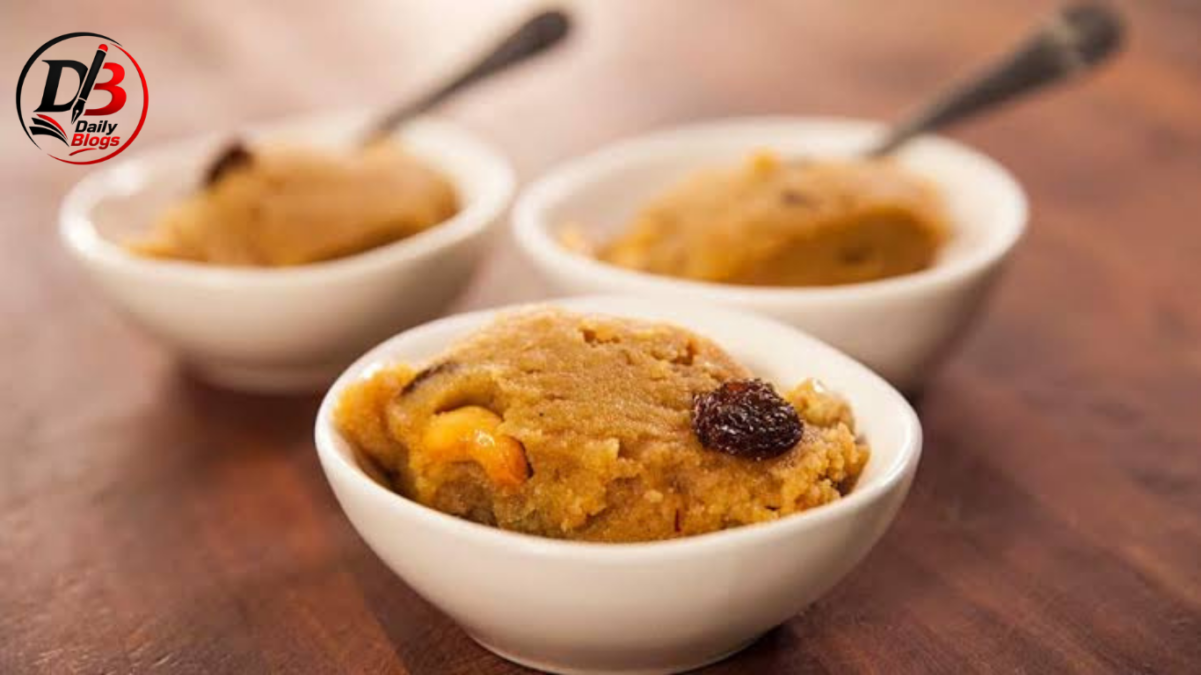
- Stir in the reserved nuts and fruit, plus rose water if using. Taste and adjust sweetness if needed. Serve warm, spooned into bowls, or press into a lightly greased dish, cool slightly and cut into diamonds or squares.
Greek-Style Semolina Halva (Olive-Oil Version)
For a dairy-free alternative that sets more firmly, try the traditional Mediterranean ratio.
Ingredients (serves 6–8)
- 200 ml mild olive oil
- 400 g coarse semolina (or a mix of coarse and fine)
- 600 g sugar (or a mix of sugar and honey)
- 800 ml water
- Zest of 1 orange or lemon
- 1 cinnamon stick, a few whole cloves, ½ tsp ground cinnamon
- 50–75 g toasted almonds or walnuts, roughly chopped
- 50 g raisins or currants (optional)
Method
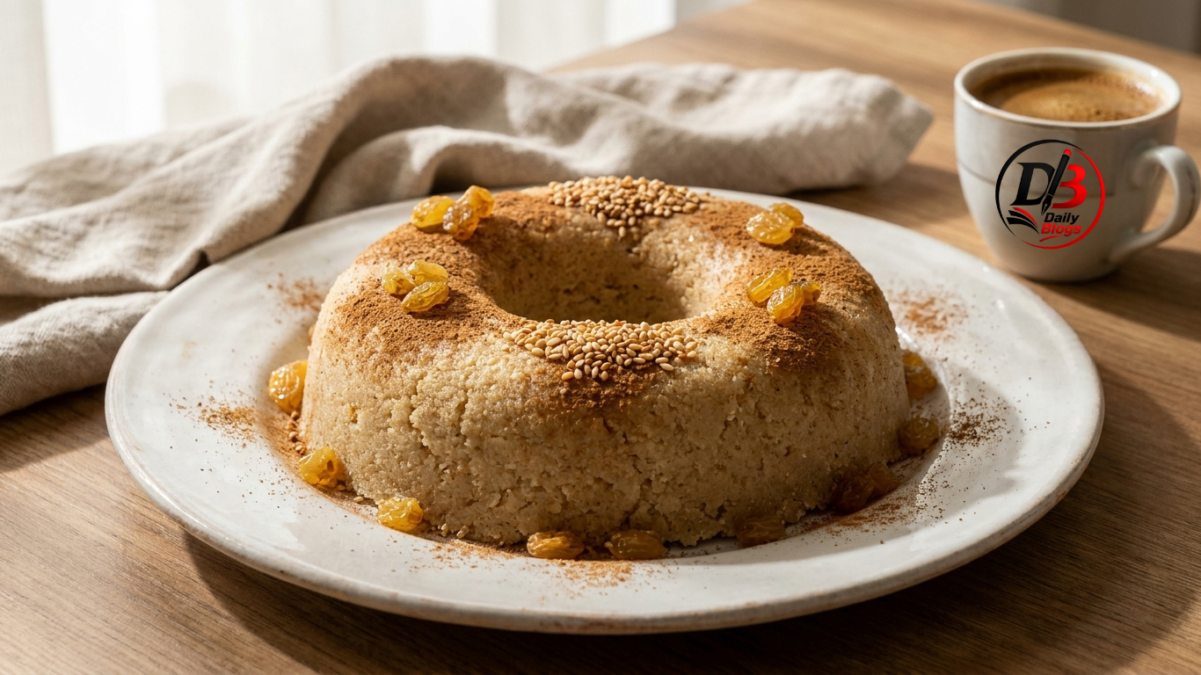
Toast the semolina in the oil over medium heat, stirring for 10–15 minutes until golden and fragrant. In another pan, simmer the water, sugar, citrus zest and spices for 5 minutes to make a light syrup. Off the heat, slowly pour the hot syrup into the toasted semolina (it will steam vigorously). Return to a low heat and stir until thick and the mixture pulls away from the pan. Fold in the nuts and dried fruit. Press into a mould or dish, cool completely, then unmould and dust with cinnamon.
Tips for Success and Easy Variations
Use a heavy pan and keep the heat moderate during toasting; burnt semolina tastes bitter. The amount of liquid controls texture: less liquid gives a firmer, sliceable result; more produces a softer pudding. Fine semolina absorbs liquid faster and yields a smoother finish; coarse gives more texture.
Variations are endless. Add a spoonful of gram flour during toasting for extra nuttiness (a tip from some Indian home cooks). Infuse the syrup with saffron, orange blossom water or a cinnamon stick. Stir in grated carrot or mashed banana for a fruitier version, or top with toasted coconut and flaked almonds. For a lighter option, reduce the sugar slightly and rely on the natural sweetness of dried fruit. Leftovers keep in the fridge for two to three days and reheat gently with a splash of milk or water.
Serving Suggestions
Warm Indian-style sooji ka halwa is lovely for breakfast or as an after-dinner dessert with a glass of cold milk or chai. Greek-style slices pair well with strong coffee or as part of a Lenten spread. Both look attractive garnished with extra nuts, a dusting of cinnamon or a few edible rose petals. In many households the dish is offered as prasad or shared at gatherings, carrying a sense of hospitality and comfort.
Conclusion
The appeal of a well-made semolina halva recipe lies in its honesty. No special equipment is required, the ingredients are inexpensive, and the process rewards patience with deep flavour. It travels easily between cultures – ghee and cardamom in one kitchen, olive oil and orange in another – yet remains recognisably the same dish. In an age of complicated desserts, its straightforward technique and reliable results keep it relevant. Whether you are cooking for a festival, a quiet evening or simply because the scent of toasting semolina is hard to resist, this is a recipe worth keeping close.