There is something quietly magnetic about the aroma of a well-made shawarma spice blend. Warm, earthy notes of cumin mingle with the gentle sweetness of cinnamon and the citrus lift of coriander, creating a scent that instantly transports the senses to bustling Levantine streets. For many, this blend is the invisible hero behind one of the world’s most beloved street foods. It turns ordinary meat into something memorable, and its popularity shows no sign of fading.
Readers remain drawn to the shawarma spice blend because it sits at the crossroads of history, migration and everyday pleasure. It is not a celebrity chef’s invention or a fleeting food trend. Instead, it is a living expression of Ottoman-era ingenuity and regional adaptation that has travelled far beyond its origins. Whether brushed onto chicken thighs before roasting or stirred into a yoghurt marinade, the blend delivers depth without demanding complicated technique. That accessibility, paired with its distinctive character, keeps people returning to it in home kitchens and professional ones alike.
This feature explores the story of the shawarma spice blend with the same curiosity one might bring to a biography. From its beginnings in the eastern Mediterranean to its place in contemporary cooking, the blend reveals how a handful of spices can shape culture, memory and daily meals.
Early Life and Background
The shawarma spice blend has no single birth date or inventor, yet its roots are firmly planted in the Ottoman Empire of the 19th century. The dish we now call shawarma evolved from the Turkish döner kebab, a method of stacking seasoned meat on a vertical spit and slowly roasting it. The Arabic word shawarma itself comes from the Turkish çevirme, meaning “to turn.” As the technique moved into the Levant—particularly Lebanon, Syria and Jordan—the accompanying spice mixtures adapted to local tastes and available ingredients.
Family background, in this case, is the wider family of Middle Eastern spice traditions. Cumin and coriander had long been staples across the region, while cinnamon, allspice and cardamom arrived via historic trade routes that once carried goods from India, Sri Lanka and the Spice Islands. Childhood for the blend was spent in market stalls and home kitchens, where cooks ground whole spices by hand and adjusted proportions according to the cut of meat and the season.
Education, if one can call it that, came through practical experience rather than formal schools. Street vendors and household cooks refined the balance of earthy, warm and slightly sweet notes until the mixture became inseparable from the spit-roasted meat. Early interests centred on enhancing flavour while helping the outer layers caramelise and the interior stay tender. By the time the vertical rotisserie technique spread more widely, the shawarma spice blend had already established its essential character.
Entry into its “profession” occurred naturally as the dish itself gained popularity. What began as a practical seasoning for layered lamb or mutton soon became the signature element that distinguished Levantine shawarma from its Greek and Turkish cousins.
Career and Rise to Fame
Career beginnings for the shawarma spice blend were modest and functional. In the late 19th and early 20th centuries it travelled with migrants and traders across the eastern Mediterranean. In Lebanon and Jordan the blend often leaned on cumin, coriander, cinnamon, allspice and cardamom, sometimes finished with sumac for brightness. Turkish-influenced versions favoured higher proportions of paprika and herbs, while Gulf variations introduced dried lime or extra cardamom.
The breakthrough came with the global spread of shawarma itself. Lebanese immigrants carried the dish and its seasoning to Mexico, where it later inspired tacos al pastor. In Europe and North America the vertical spit and the accompanying spice mix appeared in urban centres throughout the 20th century, turning the blend into a recognisable flavour of Middle Eastern cuisine abroad.
Major milestones include the rise of commercial spice mixes in the late 20th and early 21st centuries, which made the blend available to home cooks who had never visited a Levantine market. Recognition arrived not through formal awards but through sheer ubiquity: the warm, aromatic profile became shorthand for authentic shawarma in cookbooks, restaurant menus and social media recipes. Collaborations, in a culinary sense, happened whenever chefs paired the blend with yoghurt marinades, olive oil, lemon or garlic, refining techniques that remain standard today.
Public reputation rests on reliability and versatility. A good shawarma spice blend is expected to deliver layered warmth rather than aggressive heat. It should work equally well with chicken, lamb, beef or vegetables, and it should taste balanced rather than dominated by any single note. That reputation has kept it relevant even as food trends come and go.
Personal Challenges or Turning Points
Verified challenges for the shawarma spice blend centre on authenticity and commercialisation. As demand grew, some mass-produced versions introduced fillers, excess salt or preservatives that diluted the original character. Home cooks and professional chefs sometimes struggled to replicate the depth achieved by freshly toasted and ground spices. Regional differences also created confusion: a blend perfect for Lebanese-style chicken might taste incomplete on Turkish-style lamb.
Career setbacks appeared when the blend was reduced to a generic “Middle Eastern seasoning” label, losing the specific balance that distinguishes true shawarma flavour. Major life events included the dish’s adaptation in new countries, where local ingredients and preferences reshaped the mix. In Mexico the technique survived while the spice profile shifted towards chillies and achiote; elsewhere, milder or sweeter versions emerged to suit different palates.
Personal growth, if the metaphor holds, has come through renewed interest in homemade blends. Many cooks now toast whole cumin, coriander and cardamom seeds before grinding, restoring the aromatic complexity that commercial powders can lack. Resilience shows in the blend’s continued popularity despite these pressures. It has adapted without losing its core identity.
Personal Life
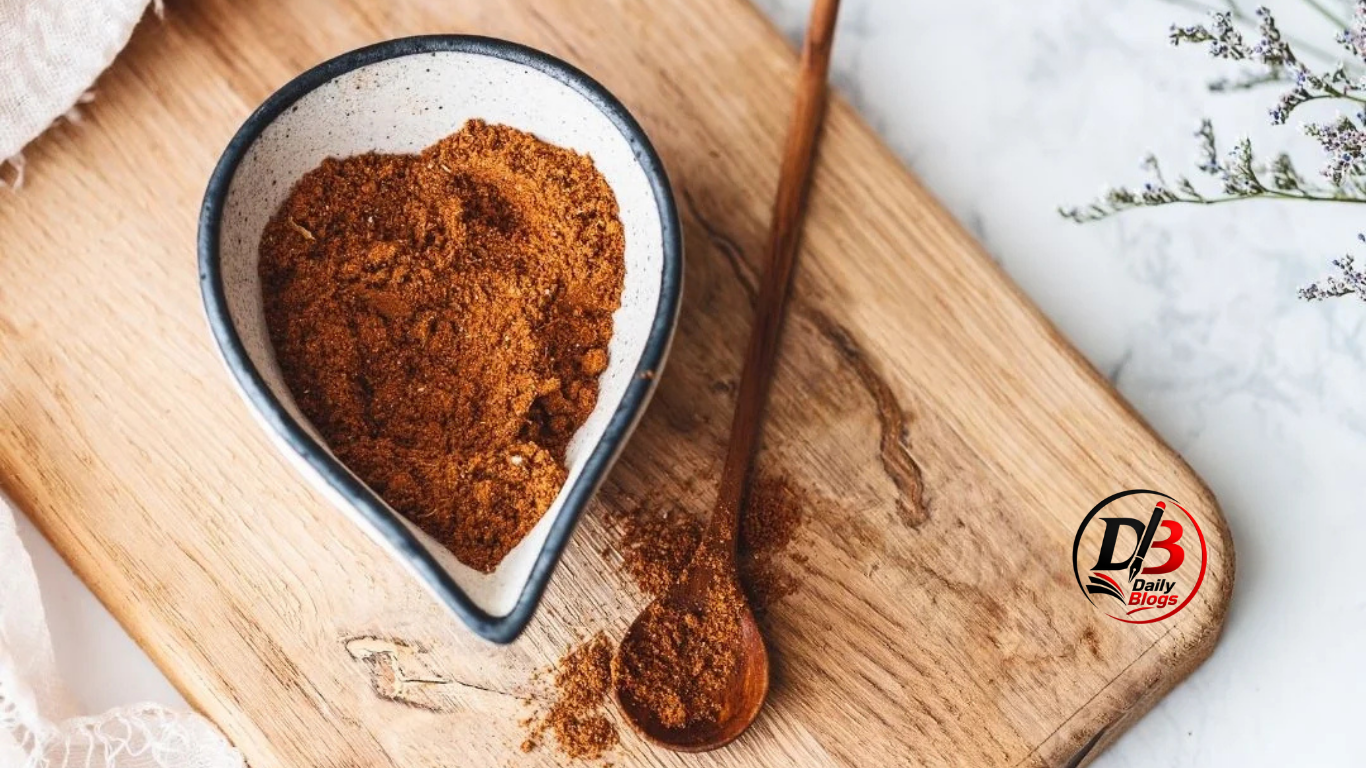
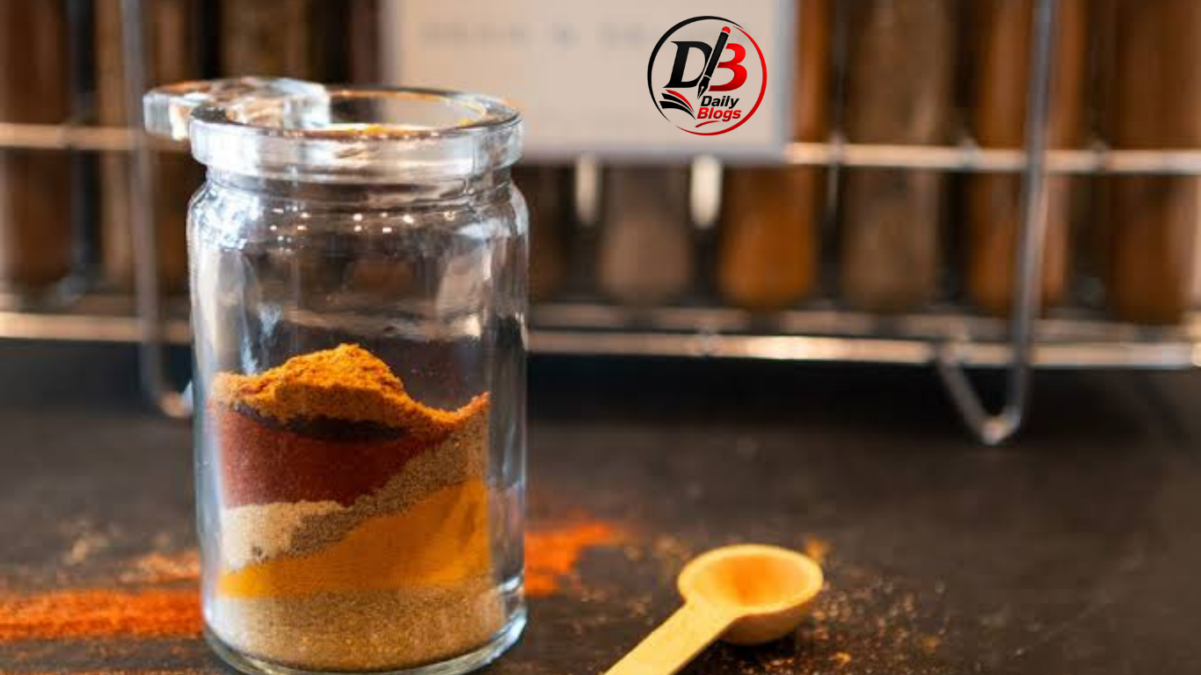
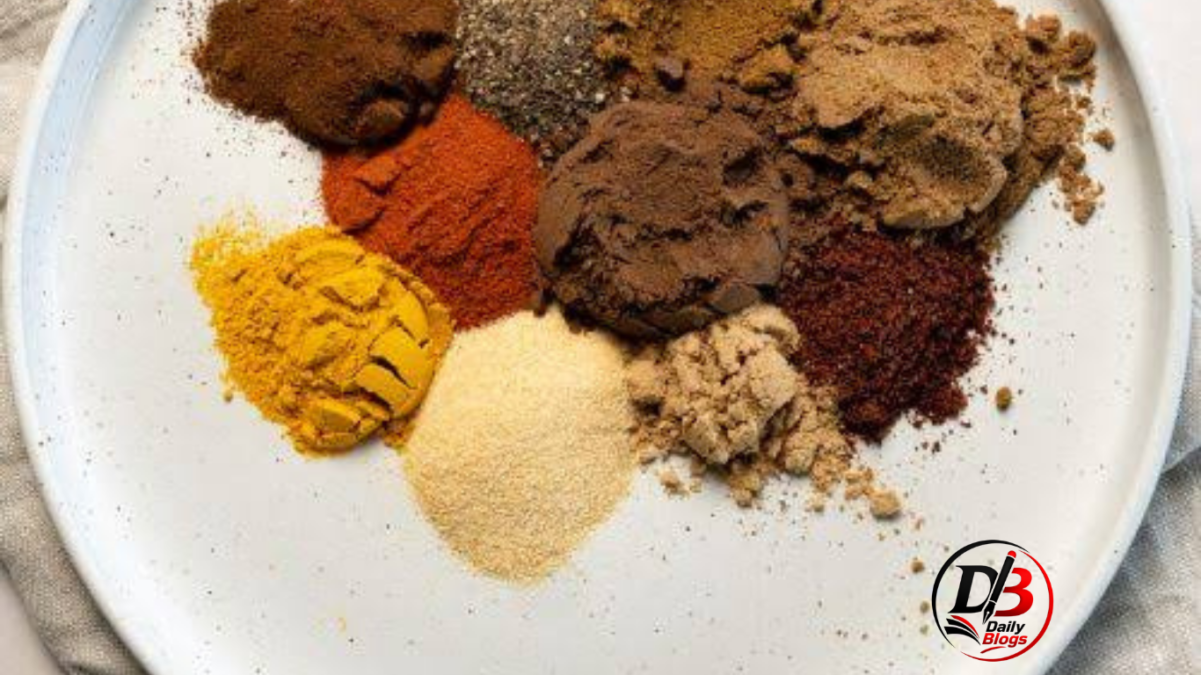
Publicly confirmed information about the “personal life” of a spice blend is limited to its composition and common pairings. Core ingredients typically include ground cumin for earthiness, coriander for citrus lift, paprika for colour and mild sweetness, turmeric for warmth and golden hue, cinnamon and allspice for gentle sweetness, garlic powder for savoury depth, and black pepper for subtle heat. Cardamom, cloves, nutmeg, sumac or ginger appear in many regional versions.
There is no single fixed formula. Lebanese-style blends often emphasise the seven-spice family (allspice, coriander, cinnamon, black pepper, clove, cumin and nutmeg) with additional turmeric or paprika. Turkish-influenced mixes may increase smoked paprika. Gulf versions sometimes incorporate dried lime. The blend forms lasting partnerships with yoghurt, lemon juice, olive oil and garlic in marinades, and it pairs naturally with pita, pickles, tahini and toum.
Family life, in culinary terms, includes related mixtures such as Lebanese seven spice and baharat. Public statements from cooks and spice merchants consistently stress that proportions should be adjusted to taste and that freshness matters more than rigid recipes. Speculation about secret family formulas exists, yet no reliable public sources confirm any single “original” recipe beyond the shared regional principles.
Later Career and Current Activities
In recent years the shawarma spice blend has enjoyed a quiet renaissance in home cooking. Online recipes and social media have made homemade versions widely accessible, encouraging people to mix their own rather than rely solely on jars. Public appearances take the form of restaurant menus, food-truck specials and supermarket shelves stocked with ready-made blends.
Charity or advocacy work is not applicable, yet the blend supports cultural continuity. It appears in diaspora communities as a tangible link to heritage. Business ventures include specialist spice companies offering small-batch, freshly ground mixes, some organic or single-origin. Other professional activities range from seasoning roasted vegetables and chickpeas to flavouring soups, rice dishes and even plant-based “shawarma” alternatives.
Current activities also include experimentation. Cooks now use the blend on tofu, cauliflower or halloumi, proving its versatility beyond traditional meats. Storage advice remains practical: keep the mix in an airtight container away from light and heat, and use within a few months for peak aroma.
Quick Bio
| Detail | Information |
| Full Name | Shawarma spice blend (also shawarma seasoning) |
| Date of Birth | 19th century (Ottoman Empire era) |
| Place of Birth | Levant / Ottoman Turkey |
| Nationality | Middle Eastern (Levantine roots) |
| Profession | Culinary seasoning |
| Years Active | Approximately 150+ years |
| Known For | Flavouring spit-roasted meats and wraps |
| Estimated Net Worth | Not applicable |
Legacy and Lasting Impact
The shawarma spice blend remains important because it embodies a practical form of culinary diplomacy. It carries the flavours of trade routes and migration into everyday meals, reminding diners of places they may never have visited. Its influence on the wider field of seasoning is clear: many modern spice mixes draw on the same warm, layered profile when aiming for “Middle Eastern” character.
Public perception is largely affectionate. The blend is seen as approachable yet distinctive, capable of elevating simple ingredients without requiring specialist equipment. Lessons from its journey include the value of balance over intensity, the importance of fresh spices, and the way food traditions adapt while retaining core identity. In an era of globalised ingredients, the shawarma spice blend continues to offer both comfort and curiosity.
Conclusion
From its origins beside a turning spit in the Ottoman Levant to its place in contemporary kitchens around the world, the shawarma spice blend has proved remarkably durable. It asks little more than careful measuring and a willingness to toast or grind when possible, yet it returns generous flavour in every use. Its story is one of quiet evolution rather than dramatic reinvention, and that steadiness is part of its appeal.