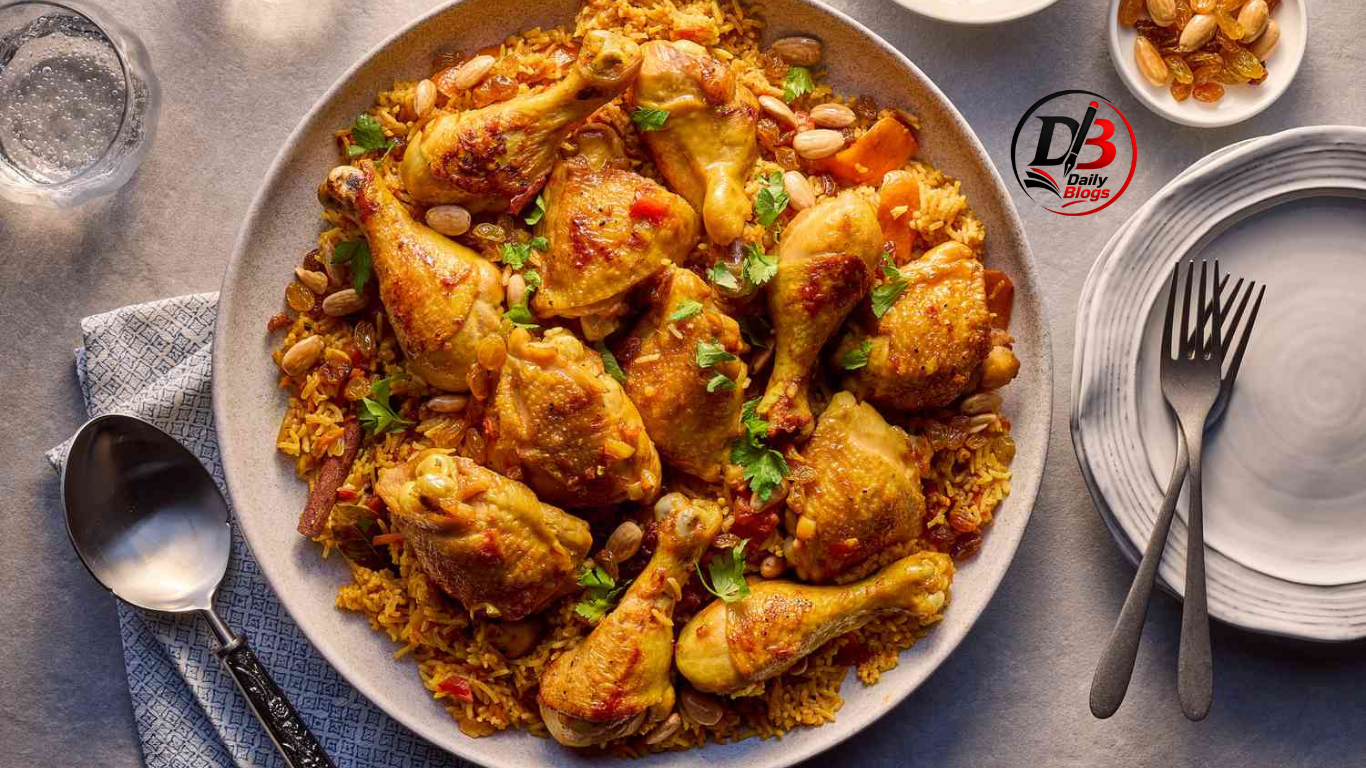
Few dishes capture the spirit of the Arabian Peninsula quite like kabsa. This fragrant mixed rice and meat creation sits at the centre of family tables, wedding feasts and Friday gatherings from Riyadh to the wider Gulf. Known also as machboos or makboos in neighbouring countries, kabsa is widely regarded as a national dish of Saudi Arabia and a shared culinary emblem across the Gulf Cooperation Council states. Its warm spices, tender meat and long-grain rice tell a story of desert practicality, ancient trade routes and enduring hospitality.
Readers remain drawn to kabsa because it is more than food. It represents generosity, community and the quiet ingenuity of a region that turned simple ingredients into something deeply satisfying. Whether served at a modest home lunch or presented as a vast platter for guests, the dish continues to invite people to gather, share and savour.
Origins and Early Development of Kabsa
The precise beginnings of kabsa remain contested, as is often the case with beloved national dishes. Many accounts link it to the Bedouin tribes who moved across the deserts of the Arabian Peninsula. For nomadic communities, a one-pot meal of rice, available meat and whatever spices could be obtained offered practicality and nourishment over open fires. Long-grain rice, later commonly basmati, arrived through trade; meat came from herds of sheep, goats or, on special occasions, camel.
Another theory points to Yemen and the related dish mandi, in which meat and rice are cooked in a sealed pit. A third, more speculative suggestion notes possible distant echoes of Andalusian rice preparations that travelled with traders and returning pilgrims, though the connection is not firmly established. What is clear is that kabsa evolved along the busy trade and pilgrimage routes of the Hijaz. Spices from India and East Africa, dried limes from Persian influence, and tomatoes that later became common all found their way into the pot.
The name itself comes from the Arabic root k-b-s, meaning to press or squeeze. It refers to the traditional method of cooking everything together in a single vessel so that flavours meld. Over time regional styles emerged: a drier, more heavily spiced version associated with the Najd, and a slightly saucier, herb-influenced style from the Hijaz that reflects centuries of cosmopolitan contact through Mecca, Medina and Jeddah.
How Kabsa Is Made and Why It Captivates
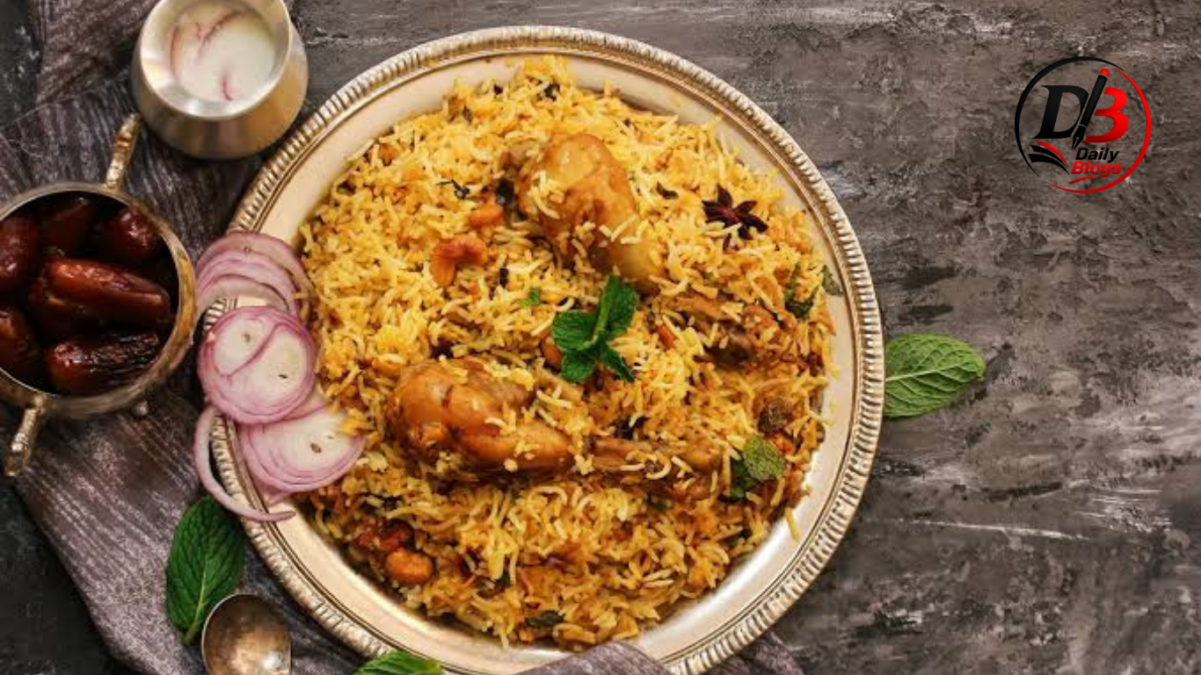
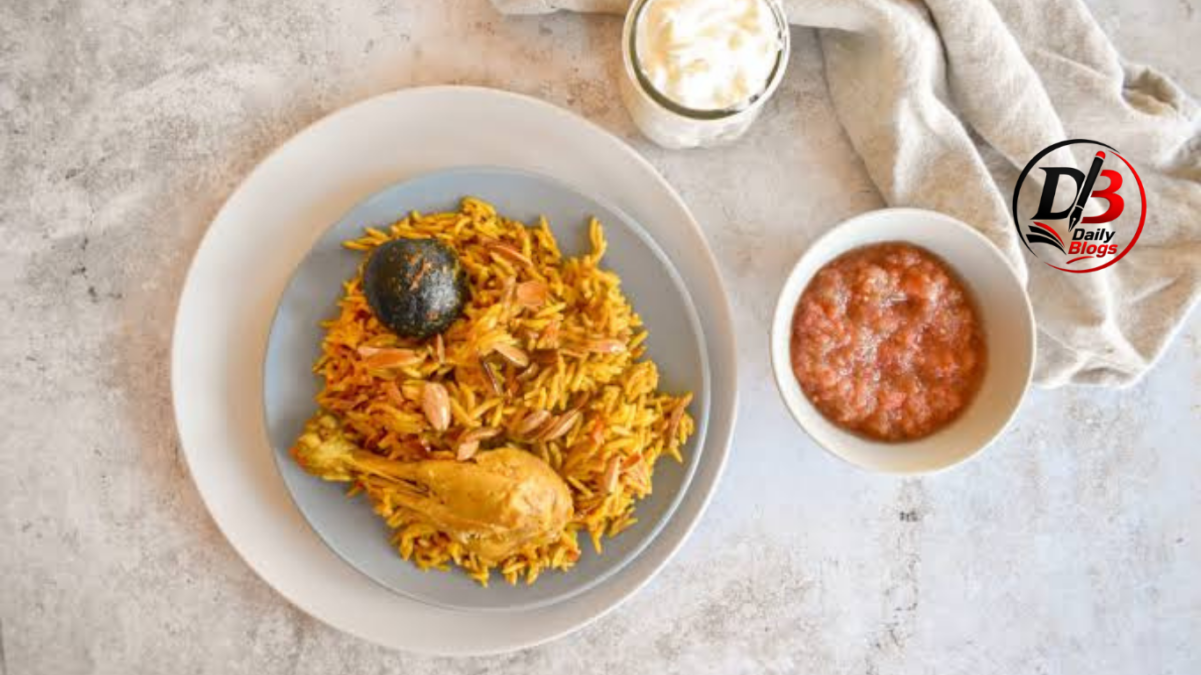
At its core, kabsa is straightforward yet layered. Basmati rice is cooked in a richly seasoned broth produced by simmering meat—most often chicken or lamb, though goat, camel, fish or shrimp appear in coastal or regional versions. Onions, tomatoes and a carefully balanced spice mix form the aromatic base. The distinctive ingredient is often loomi, or dried black lime, which contributes a tart, almost smoky depth unmatched by fresh citrus. Cardamom, cinnamon, cloves, bay leaves, black pepper and sometimes saffron or nutmeg complete the profile.
A common technique involves cooking the meat first until tender, then using the resulting stock to cook the rice so every grain absorbs the flavour. The meat may be returned to the pot or finished under a grill for colour before being arranged on top of the mounded rice. Garnishes of toasted almonds, pine nuts or raisins add texture and a gentle sweetness. A side of dakkous—a simple tomato and chilli sauce—frequently accompanies the dish.
What elevates kabsa is its communal presentation. Traditionally it is piled high on a large round platter placed in the centre of the table or floor cloth. Guests sit around it and eat with the right hand, taking only the portion directly in front of them. This shared style underscores equality and togetherness. In Saudi culture the dish often appears as the first and most prominent offering when guests arrive, signalling welcome and respect. On grand occasions an entire cooked lamb may crown a vast platter known as al-mufattah.
Cultural Significance and Everyday Presence
Kabsa occupies a central place in Saudi social life. It appears at weddings, Eid celebrations, funerals and ordinary Friday family lunches. Its presence at the table of strangers who have only just met illustrates how food functions as a social bond. In 2021 the Saudi Ministry of Culture announced initiatives to highlight kabsa as part of the nation’s heritage, recognising its role in expressing cultural identity.
Across the Gulf the dish travels under slightly different names and local tweaks, yet the essentials remain recognisable. It has also found homes further afield—among diaspora communities, in restaurants serving Levantine or Gulf cuisine, and in the kitchens of home cooks who discovered it through travel or family connections.
Variations, Adaptations and Enduring Appeal
No single recipe defines kabsa. Household spice blends differ, some favouring more tomato, others emphasising dried lime or saffron. Meat choice shifts with region, season and occasion. Vegetarian adaptations using chickpeas or additional vegetables exist, though they depart from the classic form. Ready-made kabsa spice mixes simplify preparation for busy cooks without fully replacing the depth of a carefully toasted homemade blend.
The dish’s resilience lies in its flexibility and emotional resonance. It requires no elaborate equipment—only time, a good pot and attention to balance. That accessibility has allowed it to travel while retaining its identity. In an era of globalised food, kabsa still feels rooted: a product of desert logic refined by centuries of exchange.
Quick Bio
| Detail | Information |
| Full Name | Kabsa (also Machboos / Makboos) |
| Place of Origin | Arabian Peninsula (Saudi Arabia / Yemen, contested) |
| Nationality / Region | Saudi Arabia and wider GCC countries |
| Type | Mixed rice and meat dish |
| Key Ingredients | Basmati rice, chicken or lamb, tomatoes, spices including dried black lime |
| Years of Prominence | Traditional; widely recognised as national dish in modern era |
| Known For | Aromatic one-pot cooking, communal serving, hospitality |
| Cultural Status | National dish of Saudi Arabia; shared Gulf staple |
Legacy and Lasting Impact
Kabsa endures because it embodies practicality transformed into pleasure and hospitality made tangible. It demonstrates how trade, migration and everyday necessity can shape a cuisine that feels both ancient and alive. For many Saudis and Gulf residents it is the taste of home, celebration and belonging. Outside the region it introduces diners to the quieter, spice-layered side of Arabian cooking—distinct from more widely known Levantine or North African dishes.
Conclusion
the journey of kabsa—from desert campfires and trade-route kitchens to contemporary tables—reflects a culture that values both tradition and the warmth of gathering. Whether you encounter it in a Riyadh restaurant, a family kitchen or a Gulf-inspired menu far from the Peninsula, the fragrant rice and tender meat invite the same response: sit down, share, and enjoy.