There’s a reason the pear martini has quietly become one of the most requested drinks at bars and dinner parties across the UK. It sits at a rare intersection of sophistication and approachability — sweet enough to charm a first-time cocktail drinker, refined enough to hold its own on a proper cocktail menu. If you’ve ever wondered how to make a pear martini recipe that tastes like it came from a boutique bar rather than a rushed home shaker, you’re in good company.
Unlike trend-driven drinks that fade after a season, the pear martini has staying power. It draws on the same DNA as the classic martini — clean spirit, careful balance, a touch of theatre in the glass — while swapping in the soft, honeyed notes of pear for something warmer and more forgiving. It’s a drink that works in June and in December, which is part of its enduring appeal.
This guide walks through everything you need: the right ingredients, the technique that separates a good pear martini from a great one, sensible variations, and answers to the questions people most often ask before they start shaking.
Why the Pear Martini Deserves Its Own Moment
Pear as a cocktail ingredient has always lived slightly in the shadow of apple and citrus, which is a shame, because it brings something neither can. Pear is floral rather than sharp, rounder than apple, and far less acidic than citrus-forward drinks like a classic sour. That gentleness is exactly why the pear martini recipe works so well as an “everyone likes it” drink — it doesn’t demand that you enjoy a strong, boozy hit to appreciate it.
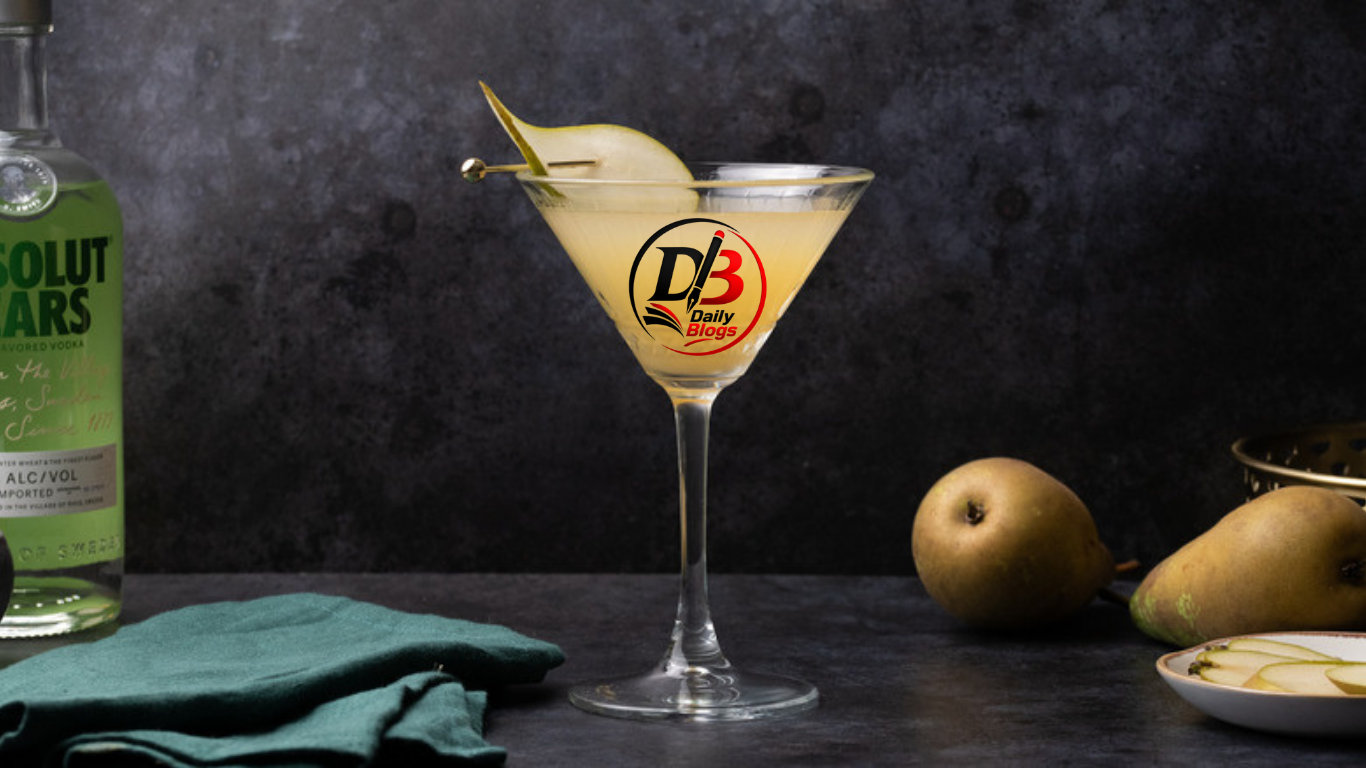
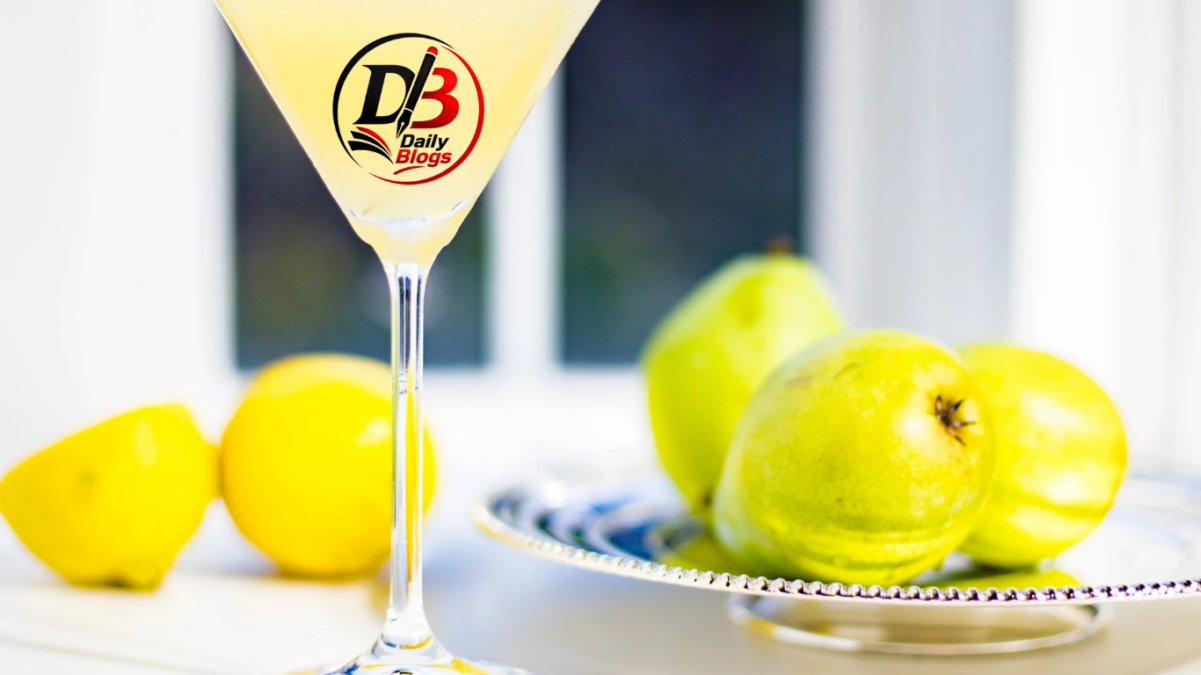
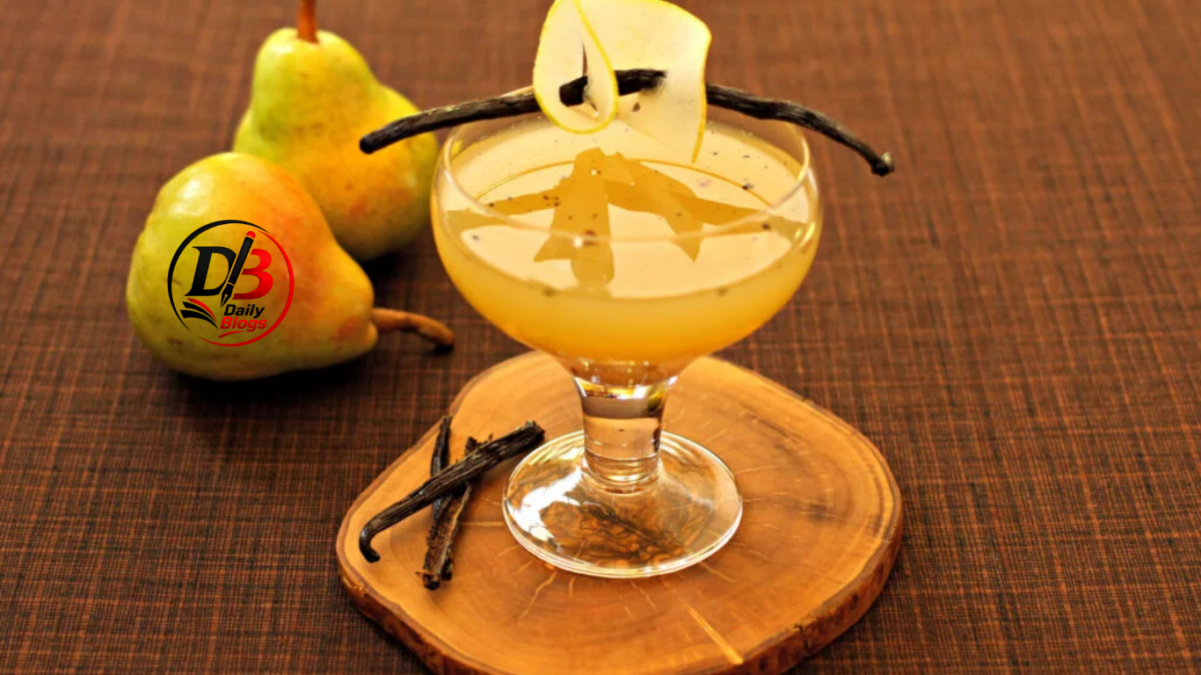
It’s also a visually striking cocktail. A pale gold liquid, a thin slice of pear balanced on the rim or floating on the surface, served in a chilled martini glass — it photographs beautifully, which hasn’t hurt its popularity on social media and at events.
Ingredients You’ll Need
A proper pear martini doesn’t require an exotic bar cabinet. The classic version uses:
- 50ml vodka (a clean, neutral vodka works best, though pear-infused vodka is a popular variation)
- 25ml pear liqueur (such as Mathilde Poire or a similar pear brandy)
- 15ml fresh pear juice or purée
- 10ml fresh lemon juice
- A thin slice of ripe pear, for garnish
- Ice, for shaking
Some versions add a small amount of simple syrup or elderflower liqueur for extra depth, but the four core components above are all you strictly need.
How to Make a Pear Martini, Step by Step
1. Chill your glass first
This is the step most home bartenders skip, and it matters more than people think. Pop your martini glass in the freezer for ten minutes, or fill it with ice water while you prepare everything else. A cocktail served in a warm glass loses its edge within minutes.
2. Combine the ingredients
Add the vodka, pear liqueur, pear juice and lemon juice to a cocktail shaker filled with ice. If you’re using a very ripe pear, you can muddle a small piece directly in the shaker before adding the liquids — this gives a fresher, slightly textured result.
3. Shake properly
Shake hard for around 15 seconds. You want the outside of the shaker to feel genuinely cold to the touch, with a light frost forming. Under-shaking is the most common reason a martini tastes thin or overly sweet — proper dilution from the ice is what balances the drink.
4. Strain and serve
Discard the ice from your chilled glass, strain the cocktail into it, and garnish with a thin fan of pear slices. A light dusting of cinnamon on top is a popular seasonal touch, particularly through autumn and winter.
Variations Worth Trying
- Spiced pear martini: add a small piece of muddled fresh ginger or a dash of cinnamon syrup for warmth.
- Pear and elderflower martini: replace the lemon juice with a splash of elderflower liqueur for a softer, more floral profile.
- Sparkling pear martini: top with a small amount of chilled prosecco just before serving, for a lighter, celebratory version.
- Non-alcoholic pear martini: use a good-quality pear juice, a splash of non-alcoholic “spirit,” and a touch of lemon and soda water for balance.
Common Mistakes to Avoid
Even a simple cocktail can go wrong in predictable ways. The most frequent issues are over-sweetening (easy to do, since pear liqueur is already quite sweet, so taste before adding syrup), under-chilling (a martini served too warm loses its clean finish), and using pear juice from concentrate, which tends to taste flat compared with fresh or good-quality bottled juice.
Serving Suggestions
The pear martini pairs particularly well with light appetisers — think soft cheeses, cured meats, or delicate canapés — rather than heavy or spicy food, which can overwhelm its subtlety. It also works nicely as a pre-dinner drink at autumn gatherings, weddings and festive events, where its pale colour and elegant garnish suit the occasion.
Frequently Asked Questions
Can I make a pear martini without pear liqueur?
Yes, though the result will be less rounded. Pear-infused vodka combined with a little extra pear juice and a touch of simple syrup can approximate the flavour, though most bartenders agree the liqueur gives a more authentic depth.
What’s the best vodka for a pear martini?
A clean, mid-range vodka is ideal — you don’t need anything premium, since the pear flavours dominate. Avoid heavily flavoured vodkas other than pear, as they can clash.
Is a pear martini very sweet?
It’s on the sweeter end of the martini family, but well-balanced versions use lemon juice to keep it from feeling cloying. Adjusting the ratio of lemon to liqueur is the easiest way to control sweetness to taste.
Conclusion
The appeal of a well-made pear martini recipe lies in its balance — it’s elegant without being fussy, sweet without being sickly, and simple enough to make confidently at home once you understand the basic technique. Whether you’re serving it at a dinner party, a festive gathering, or just treating yourself to something a little more considered than a standard drink, it rewards a bit of care in the shaking and chilling.