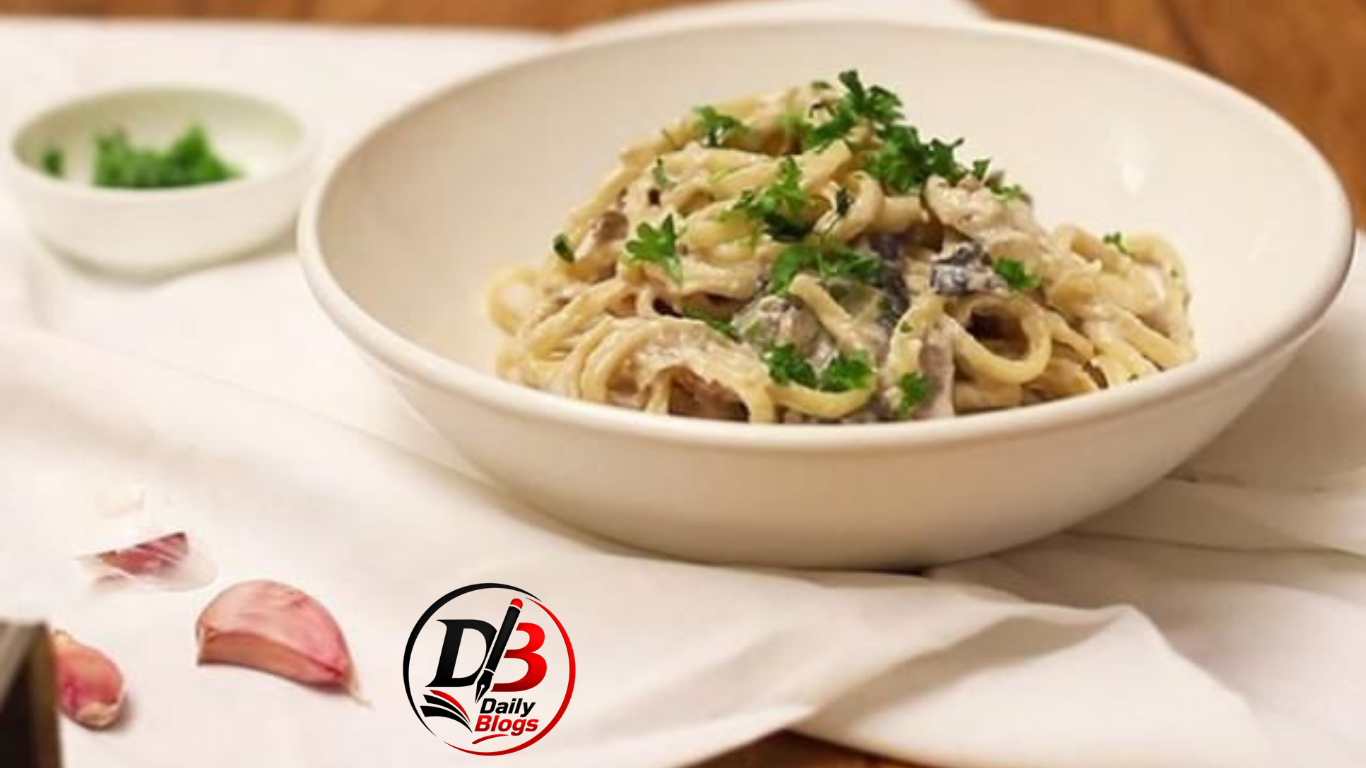
Few dishes manage to feel both indulgent and comforting in quite the same way as chicken carbonara. Creamy, savoury and satisfying, it has become a firm favourite on restaurant menus and dinner tables across the UK, offering a heartier twist on the classic Italian original. But why has this particular version of carbonara captured so much attention, and how did it evolve into the dish so many of us reach for on a chilly evening?
Chicken carbonara sits at an interesting crossroads of tradition and adaptation. It borrows its identity from one of Italy’s most cherished pasta dishes, yet it has been reshaped by British and international kitchens into something distinctly its own. Understanding its journey says as much about how food evolves across cultures as it does about the dish itself.
In this article, we’ll explore where chicken carbonara comes from, how it rose to popularity, the debates that surround its authenticity, and why it remains a beloved staple in home cooking and restaurant dining alike.
Origins and Background
To understand chicken carbonara, it helps to start with its ancestor: the traditional Roman dish known simply as carbonara. Classic carbonara is made with just a handful of ingredients — pasta (usually spaghetti), guanciale (cured pork cheek), eggs, Pecorino Romano cheese and black pepper. Notably, it contains no cream and no chicken.
The exact origins of carbonara are debated among food historians. Some trace it to Roman charcoal workers, or carbonari, who are said to have made simple, hearty meals using ingredients that kept well and cooked quickly. Others suggest the dish gained popularity in the mid-20th century, possibly influenced by American soldiers stationed in Italy during the Second World War, who had access to eggs and bacon.
Whatever its true beginnings, carbonara became a symbol of Roman culinary identity — simple, precise and deeply tied to technique. The magic lies in how the eggs and cheese emulsify with the pasta’s starchy cooking water to create a silky sauce, without ever scrambling.
Chicken carbonara, by contrast, is a more recent and largely non-Italian invention. As the dish spread internationally, particularly through American and British restaurant culture from the 1980s onwards, cooks began adapting it to suit local tastes. Chicken was introduced as a protein-rich, family-friendly alternative to pork, and cream was often added to create a thicker, more indulgent sauce that appealed to Western palates unfamiliar with the traditional egg-based method.
Rise to Popularity
Chicken carbonara’s popularity grew alongside the broader rise of Italian-American and Italian-inspired cuisine in the latter half of the 20th century. As Italian restaurants opened across the UK, US and beyond, menus began featuring dishes that were “Italian-inspired” rather than strictly authentic, allowing for greater creative licence.
The addition of chicken made the dish more filling and appealing to diners looking for a complete, protein-packed meal rather than a smaller pasta starter. It also made carbonara easier to prepare at home, since chicken breast is widely available, straightforward to cook, and familiar to most household cooks.
By the 1990s and 2000s, chicken carbonara had firmly established itself in pub menus, chain restaurants and home kitchens throughout Britain. Supermarkets began stocking ready-made carbonara sauces, and countless recipe websites and cookbooks featured their own versions, cementing its place as a go-to comfort food.
Celebrity chefs and food writers have also played a role in shaping how the dish is perceived. While purists such as Italian chefs often distance themselves from the cream-and-chicken version, many British and international cooks have embraced it as a legitimate, enjoyable dish in its own right — simply a different culinary branch rather than a corruption of the original.
Public reputation for chicken carbonara today is largely positive, particularly among home cooks. It’s frequently cited in “quick and easy dinner” round-ups, family meal planners and comfort food lists, prized for being both indulgent and relatively simple to prepare within thirty minutes.
Culinary Challenges and Debates
Chicken carbonara isn’t without controversy, at least in culinary circles. Traditionalists, particularly those rooted in Roman cooking, argue that adding cream and chicken strays too far from the dish’s origins. In Italy, carbonara is protected almost like a cultural artefact, with debates over ingredients — cream, garlic, onions or additional proteins — often sparking passionate discussion among chefs and food enthusiasts.
There’s also a technical challenge inherent to any carbonara-style dish: achieving the right sauce consistency. Traditional carbonara relies on carefully tempering eggs with hot pasta water to avoid scrambling, a technique that requires practice and confidence. Cream-based versions, including most chicken carbonara recipes, sidestep this challenge by using cream instead of raw eggs, making the dish more forgiving for home cooks but further removing it from its Roman roots.
Nutritionally, chicken carbonara has occasionally faced criticism for being calorie-dense, given its combination of cream, cheese, bacon or pancetta, and chicken. However, many modern recipes have adapted to health-conscious trends, offering lighter versions using reduced-fat cream, wholemeal pasta or additional vegetables, allowing the dish to remain relevant amid changing dietary preferences.
How the Dish Is Typically Prepared
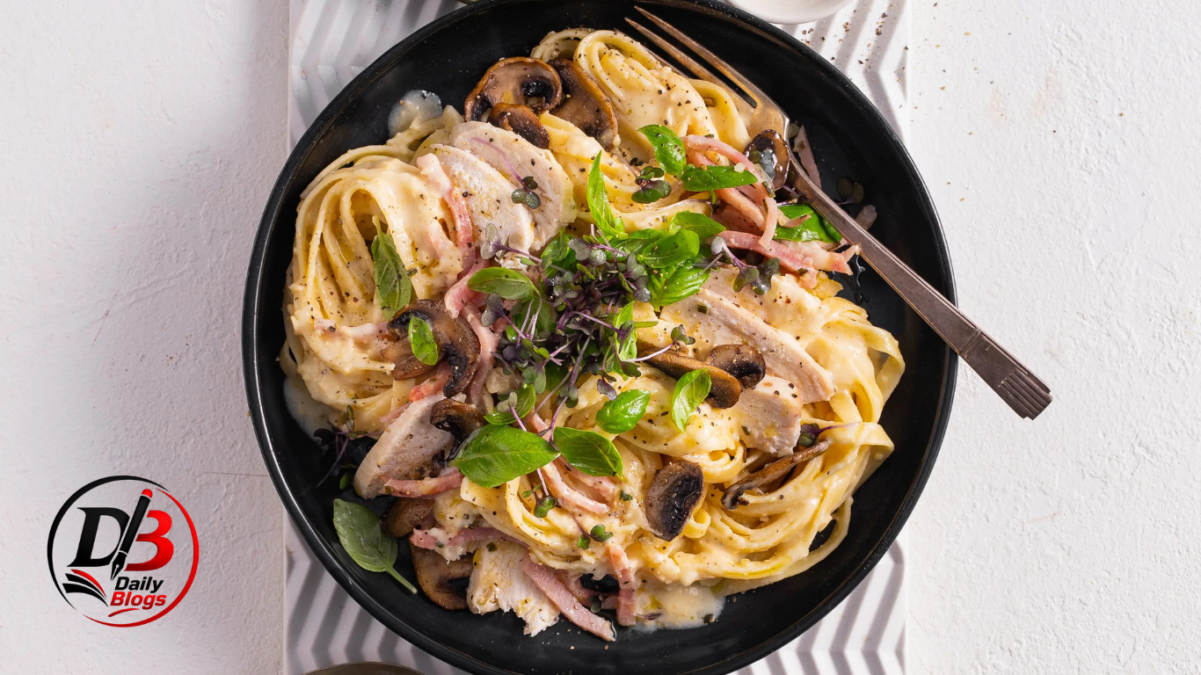
While recipes vary, most chicken carbonara dishes share a common foundation. Chicken breast or thigh is typically pan-fried until golden, often alongside bacon, pancetta or smoked lardons for added depth of flavour. Garlic is frequently included, despite its absence from traditional Roman recipes, along with a cream-based sauce enriched with Parmesan or Pecorino cheese.
Pasta — commonly spaghetti, fettuccine or penne — is cooked separately and combined with the sauce, chicken and bacon before being finished with black pepper and extra grated cheese. Fresh parsley is sometimes added for colour and freshness.
Regional and personal variations abound. Some cooks incorporate mushrooms, peas or spinach for added texture and nutrition, while others stick closely to a simpler, more classic combination of chicken, bacon, cream and cheese.
Family Life of the Dish: A Household Staple
Unlike a person’s personal life, chicken carbonara’s “family life” is best understood through its place in everyday households. It has become a dish closely associated with weeknight dinners, family gatherings and casual entertaining, largely due to its relatively short cooking time and universally appealing flavour profile.
Its adaptability has made it a popular choice for families with varying tastes and dietary needs, as it can easily be adjusted — swapping proteins, reducing cream, or adding vegetables — without losing its essential comfort-food identity.
Current Popularity and Where It Stands Today
Today, chicken carbonara remains a mainstay across pub menus, casual dining chains and Italian-inspired restaurants throughout the UK. It continues to feature prominently in online recipe searches, meal-planning apps and cooking shows, reflecting sustained public interest.
Food bloggers, nutritionists and chefs regularly release updated takes on the dish, from healthier, lighter versions to indulgent “ultimate comfort food” recreations. Meal-kit delivery services have also embraced chicken carbonara, often listing it among their most popular recurring recipes due to consistent customer demand.
Its enduring popularity speaks to a broader culinary trend: the willingness of home cooks to embrace hybrid dishes that blend authenticity with convenience and personal preference.

Quick Facts
| Detail | Information |
| Dish Name | Chicken Carbonara |
| Origin (Base Dish) | Rome, Italy (traditional carbonara) |
| Chicken Variant Origin | Likely US/UK adaptation, mid-to-late 20th century |
| Main Ingredients | Chicken, pasta, cream, bacon/pancetta, Parmesan or Pecorino, garlic, black pepper |
| Typical Preparation Time | 25–35 minutes |
| Popularity | Widely featured in UK restaurants, pubs and home cooking |
| Common Pasta Types Used | Spaghetti, fettuccine, penne |
| Dietary Adaptations | Lower-fat, gluten-free, vegetable-added versions available |
Figures and details are based on widely available culinary sources and general industry trends; exact origins of specific recipe adaptations are not precisely documented.
Legacy and Lasting Influence
Chicken carbonara’s legacy lies in its role as a bridge between traditional Italian cooking and modern, adaptable home cuisine. While purists may continue to debate its authenticity, its widespread popularity demonstrates how food evolves as it travels across cultures and generations.
The dish has influenced countless variations and inspired home cooks to experiment confidently with pasta dishes, proving that comfort food doesn’t need to be complicated to be satisfying. Its continued presence on menus and in kitchens across Britain reflects a broader appreciation for dishes that balance indulgence with practicality.
Perhaps most importantly, chicken carbonara illustrates how culinary traditions aren’t static. They shift, adapt and take on new identities depending on where — and by whom — they’re cooked, without necessarily losing their appeal or comfort-food status.
Conclusion
Chicken carbonara may not carry the strict culinary pedigree of its Roman predecessor, but its journey from a traditional Italian classic to a beloved British comfort dish tells its own compelling story. It reflects how food adapts to new audiences, ingredients and lifestyles while still delivering warmth and satisfaction on a plate.
Whether enjoyed at a family dinner table or ordered from a pub menu on a rainy evening, chicken carbonara continues to earn its place as a modern comfort food staple — proof that sometimes, reinvention can be just as rewarding as tradition.