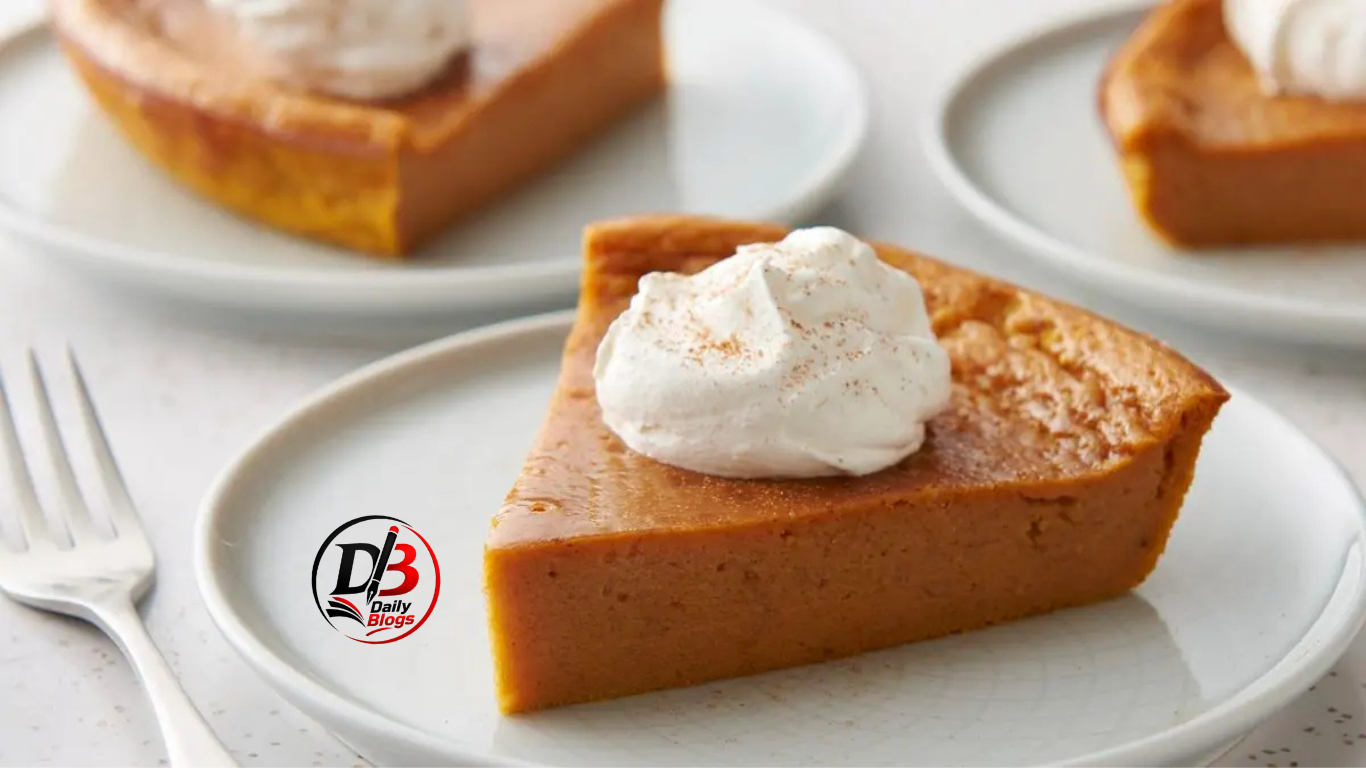
There is something quietly satisfying about a dessert that delivers pure flavour without unnecessary extras. Crustless pumpkin pie does exactly that. Smooth, warmly spiced pumpkin custard sets into a silky slice that needs no pastry base, making it lighter, simpler and naturally gluten-free. Whether you are preparing an autumn pudding, a Thanksgiving-style treat or simply craving the taste of pumpkin spice, this version has earned a loyal following for good reason.
Readers keep returning to crustless pumpkin pie because it solves common kitchen frustrations. Traditional pumpkin pie can feel heavy or fussy; the crust requires chilling, rolling and careful handling. By removing it, the filling takes centre stage. The result is a dessert that feels both nostalgic and practical, ideal for busy home cooks, those following gluten-free diets or anyone who prefers the creamy centre to the pastry edge.
Origins and Early Forms of Pumpkin Pie
Pumpkins have deep roots in the Americas. Cultivated in Central America for thousands of years, they travelled to Europe in the sixteenth century, where they were known as “pompions.” English and French cooks soon experimented with them in sweet and savoury dishes.
Early colonial versions in New England often skipped pastry entirely. Settlers hollowed out whole pumpkins, filled them with milk, spices and sweeteners, then baked or roasted them over the fire. The softened flesh mixed with the sweetened liquid created a simple pudding-like dish. English cookbooks of the seventeenth century, such as Hannah Woolley’s The Gentlewoman’s Companion (1670), featured layered pumpkin and apple pies with herbs, while some recipes still relied on the pumpkin shell itself as the vessel.
The custard-style filling we recognise today appeared more clearly in Amelia Simmons’s American Cookery (1796), the first cookbook written by an American and published in America. Her “pompkin pudding” combined stewed pumpkin with cream, eggs, sugar and spices, baked in a crust. Over time the single-crust version became standard, especially once Thanksgiving grew into a national holiday in the nineteenth century. Yet the idea of baking the filling alone never fully disappeared. Modern crustless pumpkin pie is essentially a return to that practical spirit: all the flavour of the filling, none of the pastry work.
Why Crustless Pumpkin Pie Works So Well
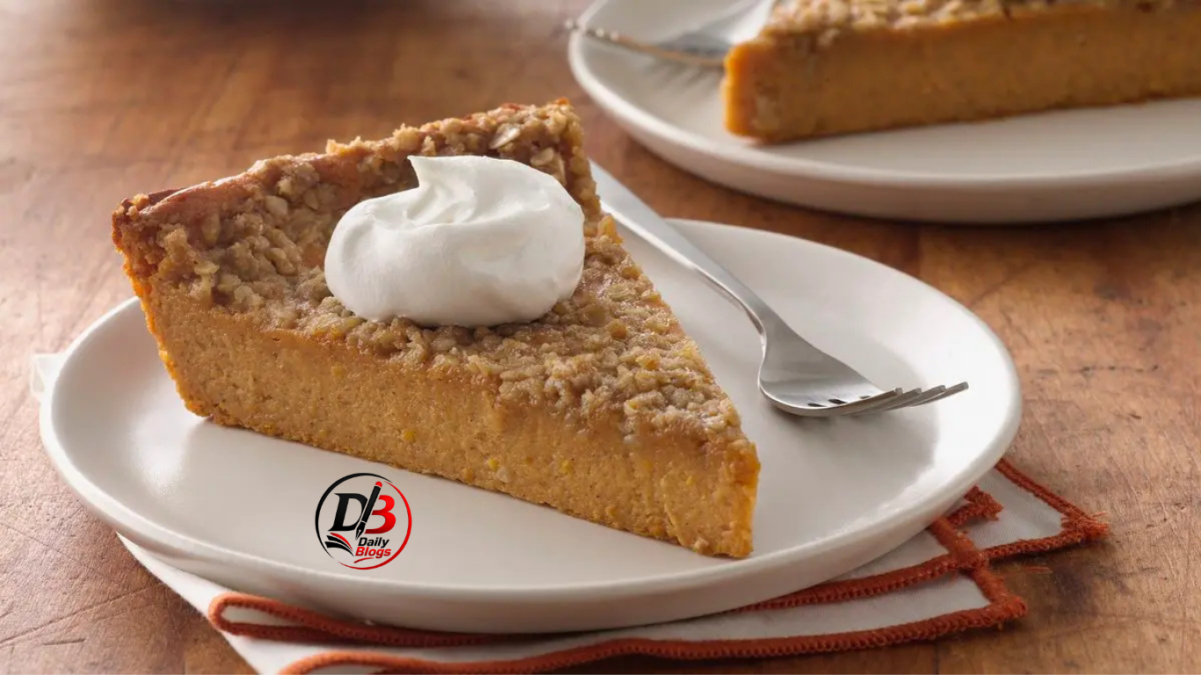
The appeal of crustless pumpkin pie rests on both texture and convenience. Without a base, the custard can set more evenly. Eggs, milk or cream, pumpkin purée and spices combine into a smooth mixture that bakes into a firm yet tender slice. A little starch—cornstarch, arrowroot or flour—helps it hold its shape when cut.
Many home cooks favour it for dietary reasons. It is naturally gluten-free when no flour is added, lower in calories and fat than a traditional pie, and easy to adapt for dairy-free or lower-sugar versions. Pumpkin itself brings nutritional value: it is rich in beta-carotene (which the body converts to vitamin A), fibre and potassium. A typical slice of crustless pumpkin pie often lands between 100 and 160 calories, depending on the recipe, compared with higher counts once pastry is included.
The flavour profile remains classic. Ground cinnamon, ginger, nutmeg and cloves (or a ready-made pumpkin pie spice blend) provide the familiar warmth. Maple syrup, brown sugar or coconut sugar can replace refined white sugar, adding subtle caramel notes that complement the pumpkin.
How to Make a Reliable Crustless Pumpkin Pie
A basic method requires only a mixing bowl, a pie dish and an oven. Most recipes start with a 15-ounce (about 425 g) can of plain pumpkin purée—never pumpkin pie filling, which already contains sugar and spices. Whisk in eggs (often two whole eggs plus an extra yolk for richness), a liquid such as evaporated milk, half-and-half or coconut milk, sweetener, spices and a small amount of starch. Pour into a well-greased 9-inch pie dish and bake at a moderate temperature, usually 160–175 °C (325–350 °F), until the centre is just set with a slight wobble.
Cooling is essential. Allow the pie to cool fully at room temperature, then chill for several hours or overnight. This firms the custard so clean slices are possible. Serving with lightly sweetened whipped cream, a sprinkle of toasted pecans or a few sugared cranberries adds contrast without overshadowing the pumpkin.
Tips for success include greasing the dish thoroughly so slices release cleanly, avoiding over-baking (which can cause cracks or a dry texture), and using pure pumpkin rather than watery homemade purée unless excess moisture has been cooked off. Individual ramekins work well for portion control and shorter baking times.
Variations and Modern Twists
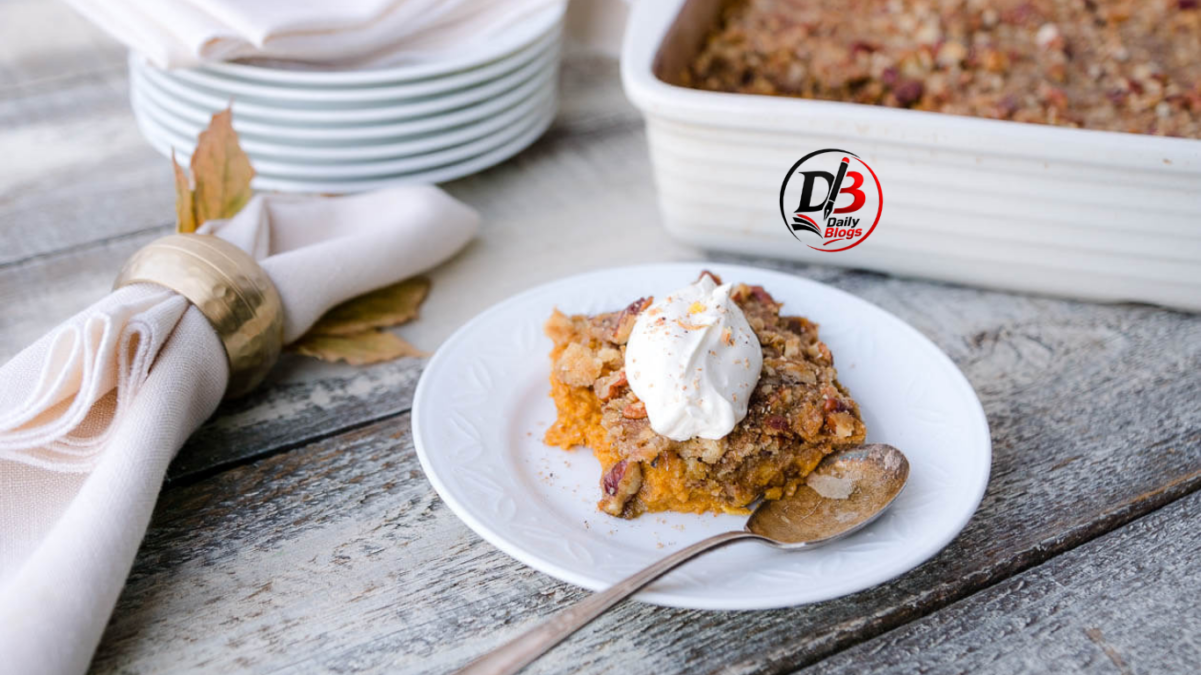
Home cooks and recipe developers have created many adaptations. Some add a crunchy topping of candied pecans or a ginger-snap streusel for texture. Others replace dairy with full-fat coconut milk for a dairy-free version, or use sugar alternatives for lower-carbohydrate options. High-protein versions incorporate protein powder, while lighter recipes rely on evaporated skimmed milk or almond milk.
Baking in a water bath can produce an especially silky texture, similar to a cheesecake. Mini crustless pies in muffin tins make attractive individual servings. Flavour variations include a touch of orange zest, a pinch of black pepper to heighten the spices, or a swirl of maple syrup on top before serving.
These adaptations keep the dessert relevant. What began as a practical colonial method has become a flexible modern favourite that suits different dietary needs and preferences without losing its comforting character.
Quick Facts About Crustless Pumpkin Pie
| Detail | Information |
| Main Ingredient | Pumpkin purée (canned or fresh) |
| Typical Key Spices | Cinnamon, ginger, nutmeg, cloves |
| Common Binders | Eggs, evaporated milk or cream, starch |
| Approximate Prep Time | 10–15 minutes |
| Bake Time | 45–70 minutes |
| Chill Time | 3–4 hours or overnight |
| Dietary Notes | Naturally gluten-free options easy; lower calorie than traditional |
| Best Served | Chilled, with whipped cream or nuts |
| Seasonal Peak | Autumn and winter holidays |
The Enduring Appeal of Crustless Pumpkin Pie
Crustless pumpkin pie endures because it prioritises what many people love most about the classic dessert: the spiced, creamy filling. It removes barriers—time, gluten, excess calories—while preserving the taste that signals the arrival of cooler weather and shared meals. In an era when home cooks seek both tradition and practicality, this version offers both.
Its simplicity also encourages creativity. Once the basic custard is mastered, toppings, sweeteners and spices can be adjusted to personal taste or available ingredients. The result feels homemade and thoughtful rather than elaborate.
Public perception remains positive. Food writers and home bakers consistently praise it for ease and flavour. It appears regularly in seasonal recipe round-ups precisely because it delivers reliable results with minimal fuss.
Conclusion
Crustless pumpkin pie stands as a reminder that good cooking often means knowing what to leave out. By focusing on the smooth pumpkin custard and warm spices, it creates a dessert that feels both familiar and refreshingly straightforward. From early colonial methods of baking pumpkin with milk and spice to today’s adaptable recipes, the idea has travelled a long way while remaining true to its practical roots.