
Smoked rump roast is a delicious way to transform a relatively lean and affordable cut of beef into a tender, flavour-packed centrepiece. With its rich beefy character, smoky crust and versatile serving options, it has become a popular choice among home cooks and barbecue enthusiasts looking for something a little different from the usual brisket or steak.
Unlike celebrity biographies or entertainment profiles, there is no individual person associated with the term smoked rump roast. Instead, the phrase refers to a cooking method and a specific cut of beef. That distinction matters when searching for information online, as recipes, smoking techniques and preparation advice are far more relevant than personal details such as birth dates, family backgrounds or career histories.
For anyone hoping to master this dish, understanding the cut, choosing the right seasoning and controlling the smoker are all important. Whether served in thick slices for dinner or thinly sliced for sandwiches, a well-prepared smoked rump roast can be an impressive and satisfying meal.
What Is Smoked Rump Roast?
A rump roast is a cut of beef taken from the hindquarters of the animal. Because these muscles are used regularly, the meat tends to be lean and relatively firm compared with more heavily marbled cuts. It is often sold as a boneless roast and is commonly prepared by roasting, slow cooking or braising.
Smoking introduces a different approach. Instead of relying solely on high heat, the roast is cooked slowly in a controlled environment, allowing it to absorb the aroma of wood smoke while developing a seasoned exterior. The result is a roast with a distinctive smoky flavour and a savoury bark.
The key challenge is moisture. Since rump roast does not contain as much intramuscular fat as cuts such as brisket, it can become dry if it is cooked too aggressively or taken far beyond the desired internal temperature. Careful temperature management and proper resting are therefore essential.
Early Life and Background: Understanding the Cut
There is no birth date, family history or childhood associated with smoked rump roast because it is a culinary preparation rather than a person. However, its background can be understood by looking at the role of the rump in traditional beef butchery.
The rump is located towards the rear of the animal and contains muscles that contribute to movement. This helps explain why the meat is generally leaner and firmer than cuts from areas that perform less work.
Historically, cooks have developed numerous methods for making tougher or leaner beef cuts enjoyable. Slow roasting, braising and stewing became practical ways of breaking down connective tissue while building flavour. Smoking follows a similar principle but adds the character of burning or smouldering wood.
Modern barbecue culture has helped bring smoked rump roast into wider attention. Home smokers, pellet grills and versatile outdoor cookers have made it easier for cooks to experiment with cuts beyond traditional barbecue favourites.
Career and Rise to Fame: How Smoked Rump Roast Became Popular
If smoked rump roast had a career, its breakthrough would arguably be its transition from a simple roasting cut to a versatile barbecue option. While brisket and pulled pork often dominate discussions about smoking, rump roast offers a practical alternative for cooks who want a smaller piece of beef.
Its appeal comes partly from accessibility. A rump roast is often easier to manage than a very large brisket, making it suitable for smaller households or cooks who are still learning how to use a smoker.
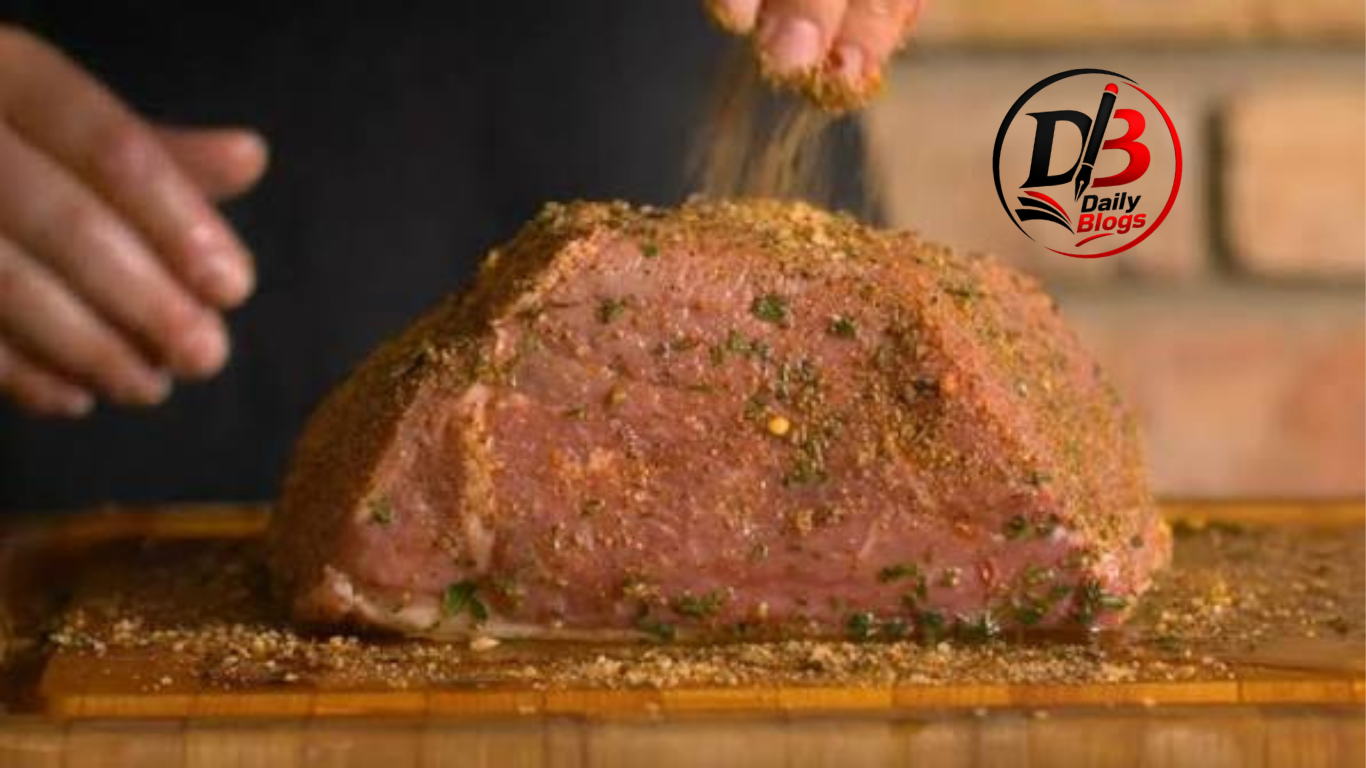
The preparation typically begins with trimming any excessive surface fat and applying a dry rub. Common seasonings include salt, black pepper, garlic powder, onion powder and paprika. Some cooks add herbs or chilli for extra complexity, while others prefer a minimalist approach that allows the flavour of the beef and smoke to take centre stage.
The roast is then placed in a smoker operating at a relatively low temperature. The cooking process can take several hours, depending on the size of the roast, the smoker and the desired final result.
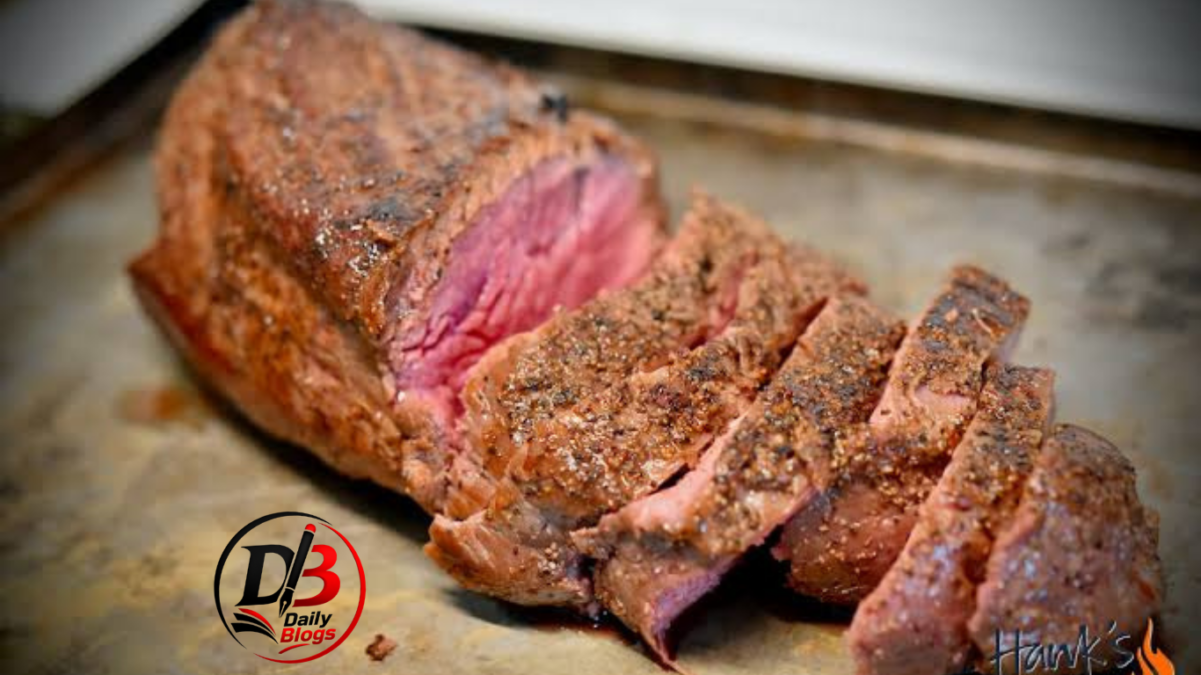
One of the most important milestones in the process is the development of the bark. As the seasoned exterior heats gradually, it darkens and forms a savoury crust. This layer provides contrast to the softer interior and is one of the defining features of good smoked beef.
Unlike a person, smoked rump roast has no awards, professional collaborations or public reputation in the traditional sense. Its recognition instead comes from its popularity among barbecue cooks and food enthusiasts.
Choosing the Right Wood
Wood selection can significantly influence the finished dish. Oak is a popular choice for beef because it provides a balanced smoky character without necessarily overpowering the meat. Hickory offers a stronger, more assertive flavour, while fruit woods such as apple can provide a milder smoke profile.
The best choice ultimately depends on personal preference. A heavily smoked roast is not automatically better; the goal is to create harmony between the beef, seasoning and smoke.
Getting the Temperature Right
Temperature control is one of the most important parts of preparing smoked rump roast. A smoker that is too hot can cook the exterior quickly while leaving the texture less desirable. Conversely, an excessively long cooking time can cause a lean roast to lose too much moisture.
A reliable meat thermometer is therefore more useful than simply following a fixed cooking time. Roast size and equipment vary, so internal temperature should guide the final stages of cooking.
The desired finishing temperature depends on how the roast will be served. Those seeking a medium-rare to medium result generally aim for a lower internal temperature than cooks who prefer their beef more thoroughly cooked.
Personal Challenges or Turning Points
Although there are no personal struggles to document, smoked rump roast does present a few culinary challenges that can determine whether the final result succeeds.
The first is the risk of dryness. Because the cut is relatively lean, overcooking can quickly affect its texture. Monitoring internal temperature and allowing the meat to rest after smoking can help preserve moisture.
Another challenge is achieving a good balance of smoke. Too little smoke may leave the roast tasting like an ordinary roast, while too much can create a bitter or overpowering flavour.
The seasoning also requires balance. Salt is essential for enhancing beef’s natural flavour, but an overly complicated rub can distract from the meat itself. Many successful preparations rely on a small number of well-chosen ingredients.
Perhaps the most important turning point is learning to judge the roast by its condition rather than relying solely on the clock. Experienced cooks understand that every piece of meat behaves slightly differently.
Personal Life: How Smoked Rump Roast Fits into Everyday Cooking
There is no personal life to document, but smoked rump roast has a practical role in home cooking. Its versatility makes it suitable for family meals, weekend gatherings and casual entertaining.
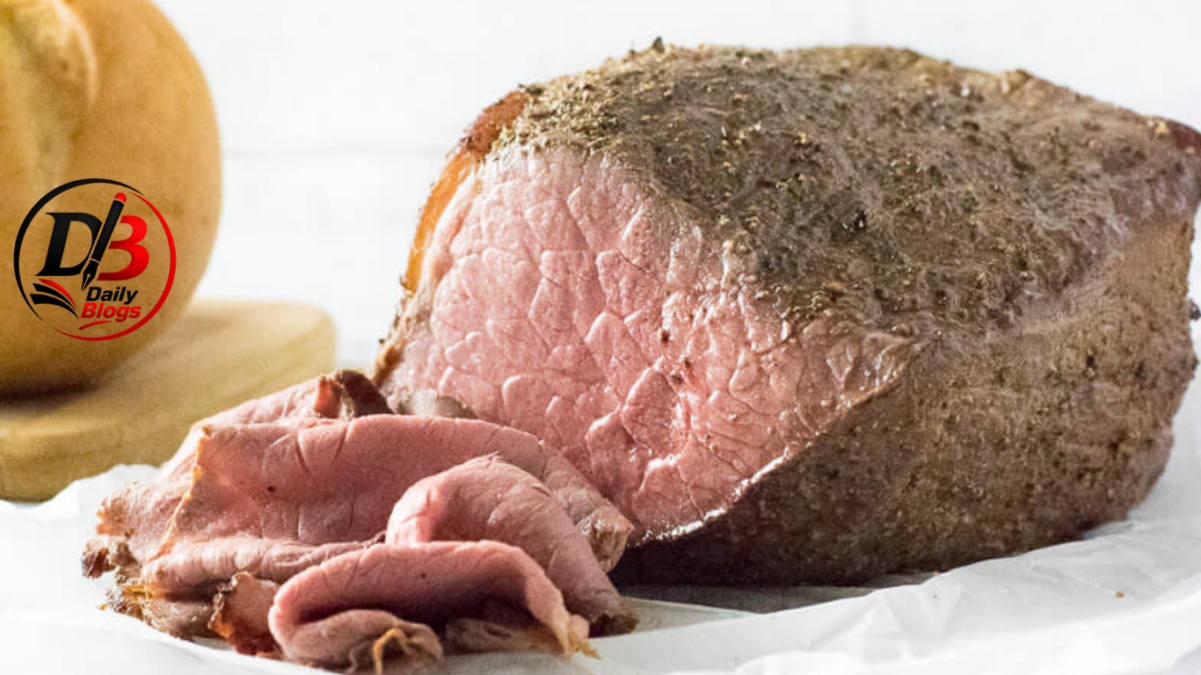
The roast can be sliced and served alongside roasted vegetables, potatoes or a fresh salad. It can also be incorporated into sandwiches, wraps and tacos, giving leftovers a useful second life.
For many cooks, this versatility is part of its appeal. A single roast can provide the foundation for several meals, making it a practical choice when prepared in advance.
The dish can also be adapted to different tastes. Traditionalists may prefer a simple salt-and-pepper seasoning, while others may choose a barbecue-inspired rub with paprika, garlic and brown sugar.
Later Career and Current Activities
As a food preparation rather than a person, smoked rump roast does not have a later career or current professional activities. However, the technique continues to evolve as home-smoking equipment becomes more accessible.
Pellet smokers, digital thermometers and temperature-controlled grills have made low-and-slow cooking easier for beginners. At the same time, traditional offset smokers and charcoal cookers remain popular among enthusiasts who enjoy a more hands-on approach.
Online cooking communities have also encouraged experimentation. Cooks regularly adapt smoked rump roast recipes by changing wood varieties, seasoning blends and finishing sauces.
Some prefer to serve the beef with a classic barbecue sauce, while others favour a simple jus or horseradish-based accompaniment. The versatility of the roast means there is considerable room for personal interpretation.
Quick Bio
Because smoked rump roast is a dish rather than a person, a conventional celebrity biography table is not applicable. However, the key facts about the dish can be summarised in a more useful format:
| Detail | Information |
| Full Name | Smoked Rump Roast |
| Type | Smoked beef dish |
| Main Ingredient | Rump roast |
| Cooking Method | Low-and-slow smoking |
| Typical Seasoning | Salt, pepper, garlic and herbs or spices |
| Common Wood Choices | Oak, hickory and fruit woods |
| Best Known For | Smoky flavour and savoury bark |
| Serving Options | Sliced roast, sandwiches, wraps and tacos |
| Estimated Net Worth | Not applicable |
This format avoids presenting invented personal information while still providing readers with useful context.
How to Make Smoked Rump Roast at Home
Preparing smoked rump roast does not require an elaborate recipe, but attention to detail makes a noticeable difference.
Begin by selecting a good-quality rump roast with an even shape. Trim away unwanted surface fat and any tough connective tissue. Pat the meat dry before applying the seasoning so that the rub adheres properly.
A straightforward rub can contain coarse salt, black pepper, garlic powder, onion powder and paprika. Apply the seasoning evenly over all sides, then allow the meat to sit for a short period before cooking.
Preheat the smoker and maintain a steady low temperature. Place the roast inside and allow it to cook gradually. Add wood according to the smoker’s instructions and avoid excessive smoke.
Use a reliable thermometer to monitor the internal temperature. Rather than cooking strictly according to the clock, use temperature and texture as guides.
Once the roast reaches the preferred level of doneness, remove it from the smoker and allow it to rest. Resting gives the juices time to redistribute throughout the meat, helping the slices remain moist.
When ready to serve, slice the roast against the grain. Cutting across the muscle fibres makes the meat easier to chew and can significantly improve the eating experience.
Legacy and Lasting Impact
The lasting appeal of smoked rump roast lies in its ability to make an everyday beef cut feel special without requiring the size or expense of a traditional brisket.
It also reflects a broader trend in modern cooking: the desire to use familiar ingredients in creative ways. Smoking gives cooks an opportunity to experiment with flavour while making the most of a versatile cut.
For barbecue enthusiasts, it offers a useful alternative when cooking for a smaller group. For beginners, it provides an opportunity to learn essential smoking skills, including temperature control, seasoning and resting.
Most importantly, the dish demonstrates that great barbecue is not always about the most expensive cut of meat. With patience and careful preparation, a relatively lean roast can become a memorable meal.
Conclusion
Smoked rump roast may not have the biography of a famous person, but it has earned its own place in the world of home cooking. Its combination of beefy flavour, smoky character and versatility makes it an appealing choice for cooks who want to explore beyond the usual barbecue staples.
The secret to successful smoked rump roast is patience. Choosing a suitable seasoning, maintaining a consistent cooking temperature and avoiding overcooking can make all the difference. Once the roast has rested and been sliced against the grain, it can be enjoyed in everything from a traditional dinner to a hearty sandwich.
Ultimately, smoked rump roast is a reminder that good cooking often comes down to technique rather than extravagance. With the right approach, a simple cut of beef can become a flavourful and satisfying centrepiece worth sharing.