Many home cooks reach for a jar of mild pickled peppers only to pause at the supermarket shelf. Are those bright yellow rings banana peppers or pepperoncini? The two look strikingly similar, share a mild heat profile and often appear in the same recipes, yet they are distinct varieties with subtle but noticeable differences in shape, skin, flavour and best uses. Understanding the pepperoncini vs banana pepper debate helps you choose the right one for Greek salads, Italian sandwiches, Mississippi roast or simple stuffing.
Both belong to the Capsicum annuum species and sit at the gentle end of the Scoville scale. Confusion is understandable: commercial labelling is sometimes loose, and pickled versions blur the lines further. This guide sets out the clear distinctions so you can shop, cook and substitute with confidence.
Origins and Background
Pepperoncini, sometimes called golden Greek peppers or Tuscan peppers (and related to Italian friggitelli), have long Mediterranean roots. They developed in the warm climates of Italy and Greece, where they remain a staple of antipasti, salads and pickled preparations. The name itself reflects Italian influence, though Greek growers produce a popular slightly sweeter strain.
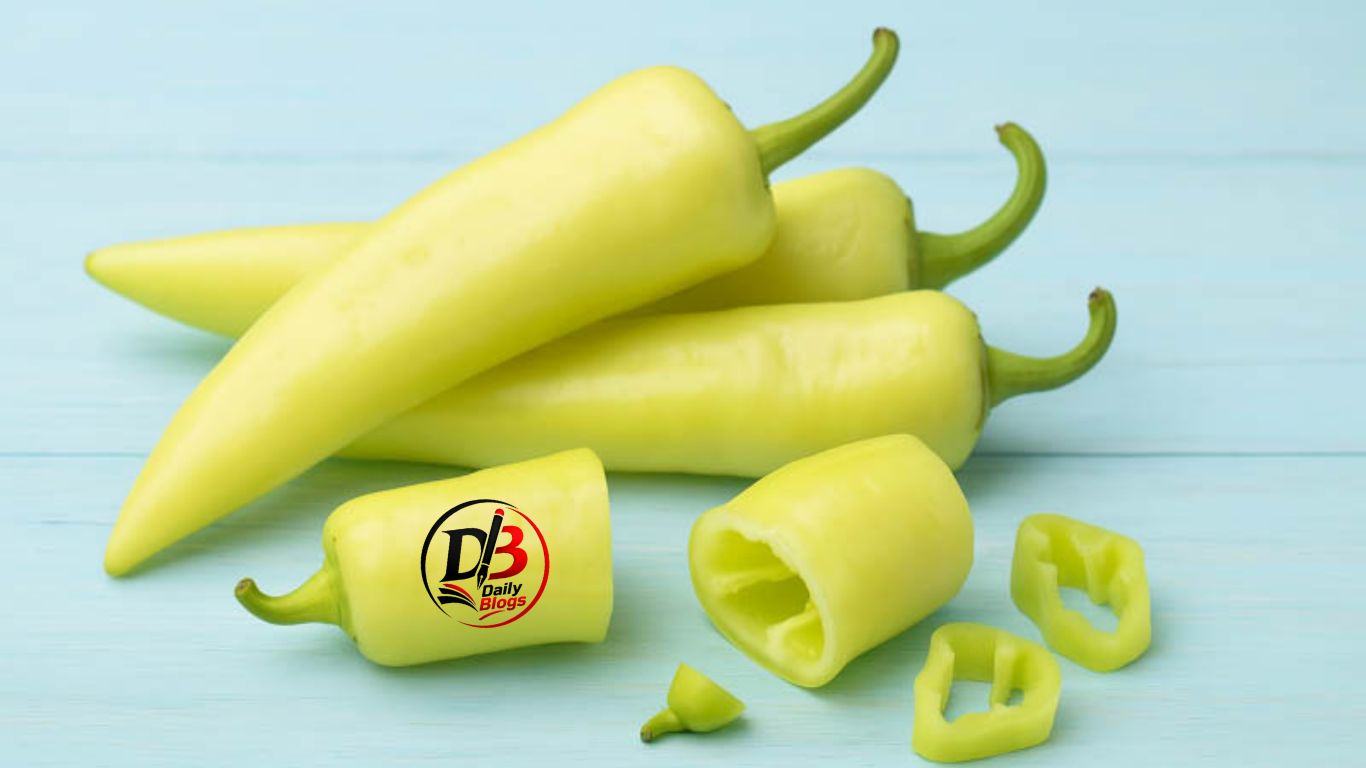
Banana peppers, also known as yellow wax peppers, take their name from their elongated, gently curved shape that recalls a banana. Their modern cultivated form has Hungarian associations and later became widely grown in the United States. They thrive in milder climates with reliable rainfall and are frequently available both fresh and pickled.
Neither pepper is a modern hybrid created purely for novelty. Both have been selected over generations for mildness, productivity and suitability for pickling or fresh eating. Their shared botanical family explains the visual overlap, yet selective breeding has produced clear differences in wall thickness, skin texture and flavour balance.
Appearance and Physical Traits
Side by side, the peppers reveal their identities most clearly through shape and skin.
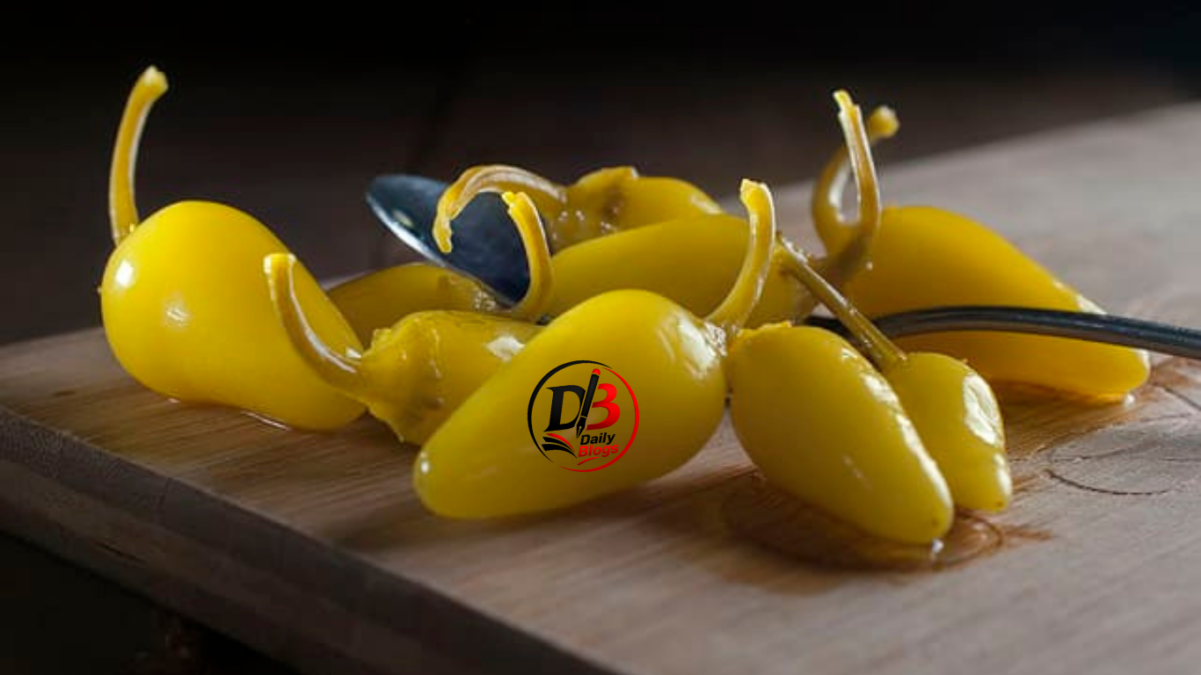
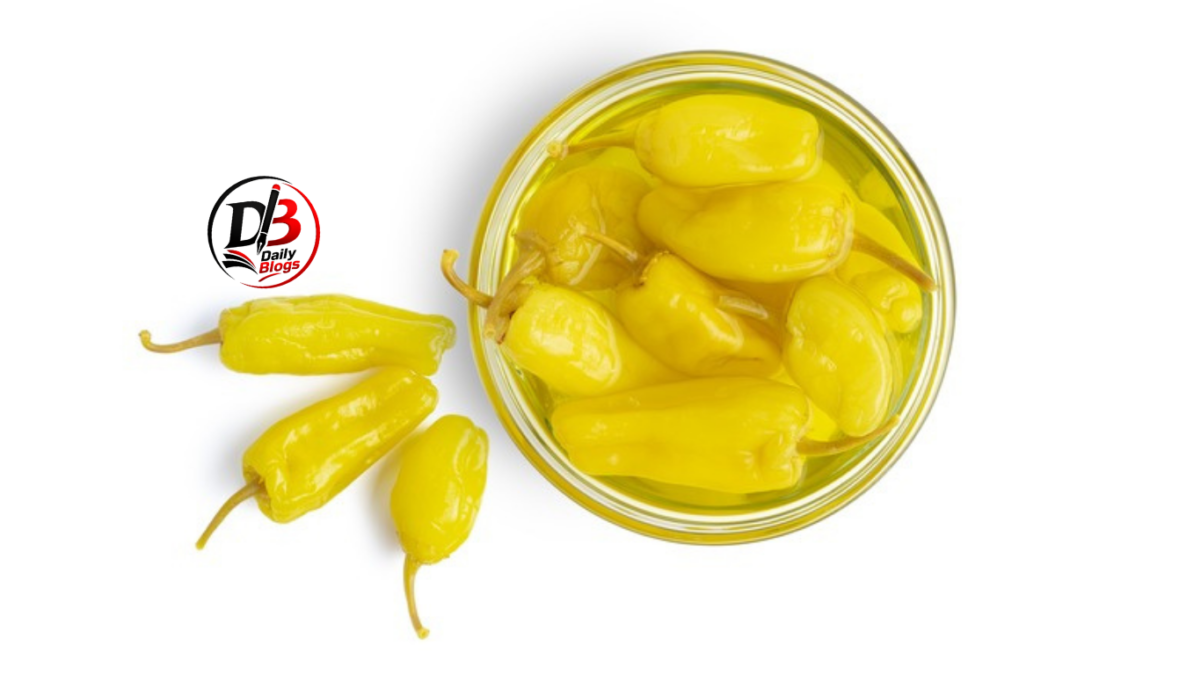
Banana peppers are typically longer—often 10–15 cm—and more elongated with a gentle curve and a distinctly pointed tip. Their skin is smooth, waxy and relatively thick, giving them a firm, crisp bite when raw. Colour ranges from pale green-yellow when immature to bright yellow and eventually orange-red as they ripen and sweeten.
Pepperoncini tend to be shorter and slightly squatter, usually 5–8 cm, with a more rounded or bulbous tip. Their skin is thinner and characteristically wrinkled or folded, even when fresh. Colour is often a greenish-yellow, sometimes deeper green, and they can develop red tones when fully ripe. The thinner walls make them softer and more delicate.
These visual cues remain useful even after pickling, although brine softens both. Banana peppers generally hold their shape better for stuffing because of their thicker flesh; pepperoncini are better suited to whole or sliced use where structural integrity is less critical.
Heat Levels Compared
Heat is the point most cooks notice first. Both peppers sit firmly in the mild category, far below a jalapeño’s 2,500–8,000 Scoville Heat Units (SHU).
Pepperoncini typically measure 100–500 SHU. They almost always deliver a gentle, consistent tingle rather than zero heat. Banana peppers range from 0–500 SHU; many commercial specimens register near the bottom of that scale and can taste essentially sweet with no detectable burn. At the upper end the two overlap, but the floor is lower for banana peppers.
In practical terms, pepperoncini offer a more reliable mild kick, while banana peppers are the safer choice for diners who prefer virtually no heat. Pickling does not dramatically alter the inherent heat ranking, though vinegar can amplify the perception of brightness.
Flavour and Texture Profiles
Flavour differences are subtler yet decisive for recipe success.
Banana peppers lean sweet and zesty, with a clean, slightly citrus-like note that intensifies as the fruit ripens. Fresh ones deliver a satisfying crunch thanks to thicker walls. When pickled they absorb brine readily and remain mild and approachable.
Pepperoncini bring a brighter, more pronounced tang and a faint floral or vegetal edge. Even before pickling they carry a sharper acidity; once brined that sour-tangy character becomes their signature. The thinner skin and walls give a softer texture when raw, though they retain pleasant crunch after pickling.
Many tasters describe banana peppers as the sweeter, gentler option and pepperoncini as the more assertive, Mediterranean-leaning choice. Neither overwhelms a dish; both elevate rather than dominate.
Culinary Uses and Substitutions
Both peppers shine in sandwiches, salads, pizzas, antipasti and slow-cooked dishes such as Mississippi roast or chicken. Their mild profiles make them versatile for families and mixed-spice preferences.
Pepperoncini excel where acidity is welcome: classic Greek salads, Italian subs, olive-based antipasti, pizza toppings and any dish needing a bright cut through rich meats or cheeses. Their thinner walls suit whole or sliced presentation rather than heavy stuffing.
Banana peppers are ideal for stuffing (with cheese, meat or grains), fresh salsas, grilling, roasting and situations where a sweeter, milder note is preferred. Their sturdier walls hold fillings well and they perform reliably fresh or pickled.
Substitution is possible in most recipes. Use banana peppers when you want less heat and more sweetness; reach for pepperoncini when tang and a little extra bite matter. Always taste before swapping, especially with pickled products whose brine intensity varies by brand. Fresh banana peppers are easier to find in many UK and European supermarkets; pepperoncini more often appear jarred.
Growing and Availability Notes
Both are productive plants suited to home gardens in temperate climates with a reasonably long growing season. Banana peppers often grow longer pods and thicker walls; pepperoncini produce more compact fruit with the characteristic wrinkles. In shops, banana peppers appear more frequently in the fresh produce aisle, while pepperoncini dominate the pickled-goods section. Quality varies—look for firm, unblemished specimens and check pickle brine for excessive softness or off flavours.
Quick Comparison
| Detail | Pepperoncini | Banana Pepper |
| Typical length | 5–8 cm | 10–15 cm |
| Skin | Thin, wrinkled | Smooth, waxy, thicker |
| Tip shape | Rounded / bulbous | Pointed |
| Heat (SHU) | 100–500 | 0–500 |
| Flavour emphasis | Tangy, bright, slight heat | Sweeter, milder, zesty |
| Best structural use | Sliced or whole in salads/sandwiches | Stuffing, grilling |
| Common form | Often pickled | Fresh or pickled |
| Origin associations | Mediterranean (Italy/Greece) | Hungarian / US cultivation |
Conclusion
The ongoing interest in pepperoncini vs banana pepper reflects how small differences shape everyday cooking. These mild peppers bridge the gap between sweet bell peppers and anything genuinely hot, making them reliable pantry staples across Mediterranean, American and British tables. Their accessibility, low heat and complementary profiles ensure they remain favourites for sandwiches, salads and slow-cooker classics. Choosing the right one simply means matching the desired balance of sweetness, tang and texture to the dish at hand.