A good beer batter recipe transforms ordinary ingredients into something special. Whether you are coating fresh fish for classic British fish and chips, vegetables for a lighter alternative, or even sweet treats, the right batter delivers a golden, airy crunch that stays crisp. This simple combination of flour, beer and a few supporting ingredients has become a kitchen staple in homes and pubs across the UK for good reason.
Beer batter works because the carbonation in the beer creates tiny bubbles that expand when the batter hits hot oil, producing a light texture rather than a dense coating. The alcohol evaporates during frying, leaving behind flavour and structure. When done well, the result is shatteringly crisp on the outside while the food inside stays moist and tender. Interest in the perfect beer batter recipe remains high because it is versatile, relatively inexpensive and deeply satisfying when it works.
Origins and Background of Beer Batter
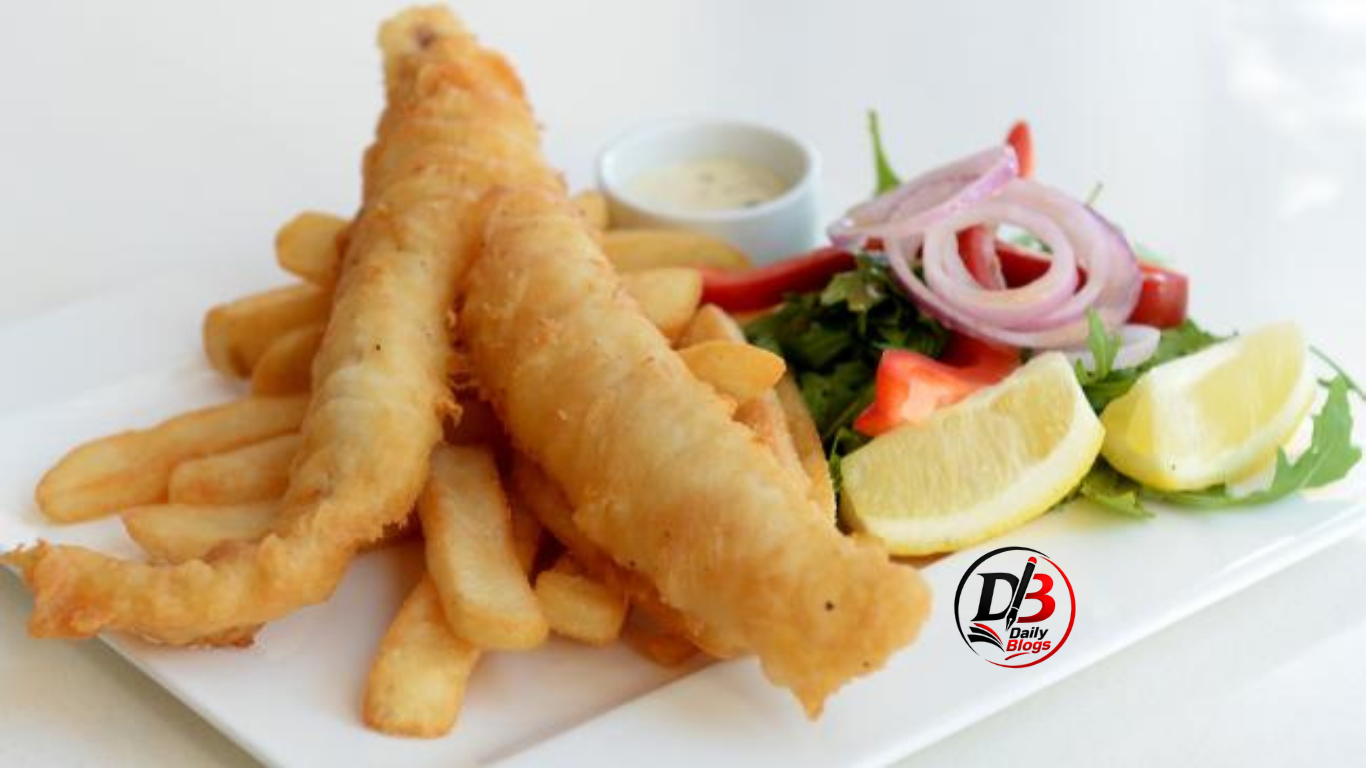
Beer has been used in batters for centuries, though the precise origins of the modern beer batter recipe are difficult to pin down with certainty. In Britain, the practice of frying fish in batter became widespread in the 19th century as fish and chips grew popular among working-class communities. Early batters often relied on water or milk; the addition of beer appears to have developed as a practical way to lighten the mixture and use what was readily available in pubs and homes.
The carbonation and slight acidity of beer help tenderise the batter and promote browning. Traditional British recipes typically call for a mild lager or ale rather than a strongly flavoured stout, though regional preferences vary. By the mid-20th century, beer batter had become closely associated with fish and chips shops, where large quantities of batter are mixed daily. Home cooks later adapted the method for everything from onion rings to prawns and even sweet fritters.

How a Classic Beer Batter Recipe Works
A reliable beer batter recipe rests on a few straightforward principles. The base is usually plain flour (sometimes mixed with a little cornflour or rice flour for extra crispness), cold beer, a pinch of salt and sometimes a raising agent such as baking powder. Some versions include an egg, though many traditional recipes omit it to keep the coating lighter.
Temperature matters. Cold beer helps the batter cling and creates more steam when it meets hot oil, which contributes to the airy texture. The oil should be hot enough—around 180°C—so the coating sets quickly without absorbing excess fat. Over-mixing develops gluten and produces a tough result, so a few lumps are preferable to a smooth paste.
A Reliable Beer Batter Recipe
Here is a straightforward, well-tested beer batter recipe suited to fish, seafood or vegetables. It yields enough for four generous portions.
Ingredients
- 150 g plain flour, plus extra for dusting
- 50 g cornflour (optional, for extra crispness)
- 1 tsp baking powder
- ½ tsp fine salt
- 300–350 ml cold lager or light ale
- Vegetable oil or sunflower oil, for deep-frying
Method
- In a large bowl, whisk together the plain flour, cornflour (if using), baking powder and salt.
- Gradually pour in the cold beer while whisking gently. Stop when the batter reaches the consistency of single cream—thick enough to coat the back of a spoon but still pourable. A few small lumps are fine.
- Rest the batter in the fridge for 10–15 minutes if time allows; this helps it cling better.
- Heat the oil in a deep, heavy pan or deep-fat fryer to 180°C. Test with a small drop of batter—it should sizzle and rise immediately.
- Pat the food dry and dust lightly with flour. Dip into the batter, allowing excess to drip off, then lower carefully into the hot oil. Fry in small batches until golden and crisp, usually 3–5 minutes depending on the item.
- Drain on kitchen paper and season while hot. Serve immediately for the best texture.
This beer batter recipe produces a light, golden coating that stays crisp longer than many water-based alternatives. Adjust the beer quantity slightly according to the flour’s absorbency and the desired thickness.
Common Challenges and How to Overcome Them
Even experienced cooks sometimes encounter issues with a beer batter recipe. A heavy or greasy result usually stems from oil that is not hot enough, overcrowding the pan, or batter that is too thick. Conversely, a coating that slides off may indicate food that was not dried properly or batter that is too thin.
Another frequent problem is loss of crispness after frying. This often happens when the cooked items sit for too long or are stacked, trapping steam. Serving promptly and using a wire rack rather than paper alone helps. Some cooks find that a brief rest of the battered food in a low oven (around 100°C) keeps it warm without softening the exterior.
Gluten development can also toughen the batter. Mixing by hand with a fork or whisk just until combined, rather than using an electric mixer, reduces this risk. Using very cold beer and keeping the mixture chilled until frying further improves results.
Variations and Modern Twists
Once the basic beer batter recipe is mastered, small changes open new possibilities. Replacing a portion of the plain flour with rice flour or cornflour increases crispness and suits those seeking a lighter gluten content (though the beer itself may contain gluten). A splash of sparkling water alongside the beer can heighten the bubbles for an even airier finish.
For flavour, a pinch of smoked paprika, cayenne or dried herbs can be added to the dry ingredients. Some prefer a darker ale for a richer taste with robust foods such as sausages or mushrooms, while a pale lager keeps the coating neutral for delicate white fish. Sweet versions exist too—simply reduce the salt, add a spoonful of sugar and use the batter for apple or banana fritters.
Vegetarian and vegan cooks adapt the recipe easily by ensuring the beer is suitable and omitting any egg. The core technique remains the same.
Quick Facts Table
| Detail | Information |
| Main ingredients | Plain flour, cold beer, salt, baking powder |
| Typical uses | Fish, seafood, vegetables, onion rings |
| Key technique | Cold batter into hot oil (≈180°C) |
| Texture goal | Light, crisp, golden |
| Preparation time | 10–15 minutes active |
| Best served | Immediately after frying |
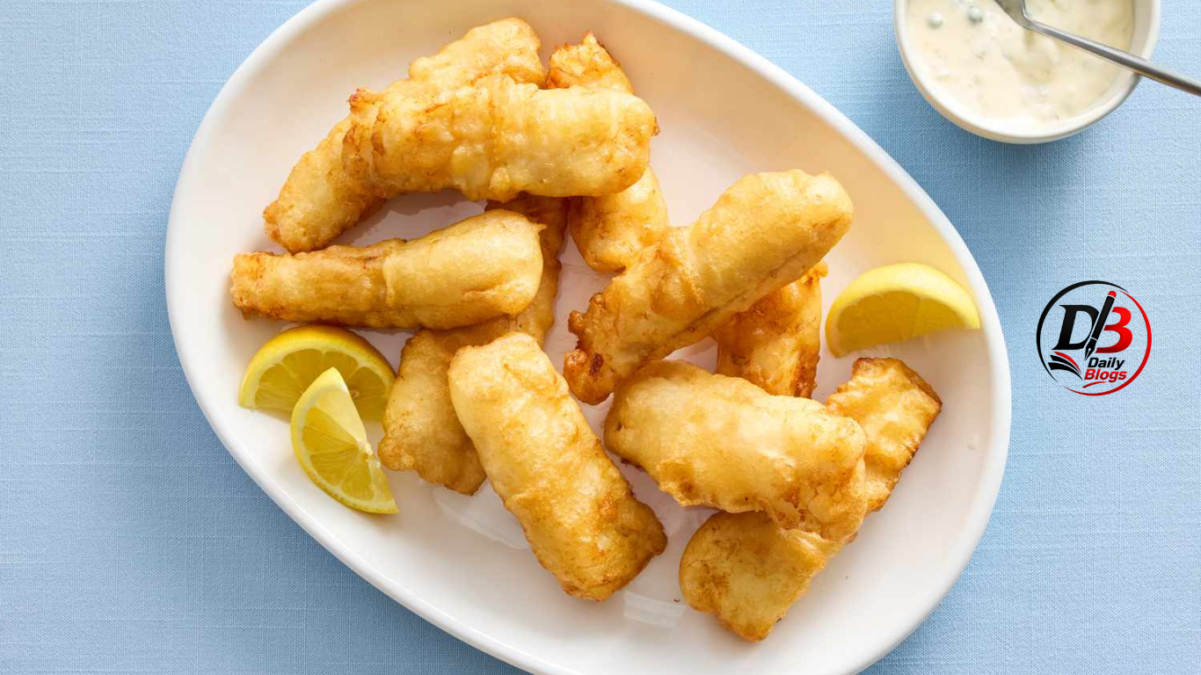
| Common pairing | Traditional fish and chips, tartare sauce |
| Storage note | Best fresh; leftovers reheat poorly |
Why Beer Batter Endures
The lasting appeal of a good beer batter recipe lies in its simplicity and reliability. It requires no specialised equipment beyond a thermometer or careful temperature control, and the ingredients are widely available. In an era of elaborate cooking techniques, the method remains accessible yet capable of restaurant-quality results at home.
Public perception continues to link beer batter closely with British fish and chips culture, even as cooks experiment with global ingredients and dietary preferences. Its influence appears in countless pub menus, takeaway counters and home kitchens. The recipe rewards attention to detail—temperature, timing and restraint in mixing—while forgiving minor variations.
Lessons from working with beer batter apply more widely: respect the physics of heat and steam, keep mixtures cold when needed, and serve promptly. These principles improve many fried foods beyond the classic applications.
Conclusion
A well-made beer batter recipe delivers one of the most satisfying textures in home cooking: a crisp shell that gives way cleanly, revealing perfectly cooked food beneath. From its practical roots in British frying traditions to modern variations suited to different diets and tastes, the method remains both useful and enjoyable. Master the balance of flour, cold beer and hot oil, and the results speak for themselves.