If you have ever stood at a fish counter or scrolled through recipes wondering whether steelhead trout and salmon are essentially the same fish, you are not alone. The two look remarkably similar, share a family tree, and both deliver that desirable pink-orange flesh packed with protein and healthy fats. Yet the question of steelhead trout vs salmon reveals some important biological, culinary and practical distinctions that matter to cooks, anglers and anyone simply choosing dinner.
Steelhead trout is not a separate species from rainbow trout. It is the sea-run, or anadromous, form of Oncorhynchus mykiss. Rainbow trout that remain in freshwater stay smaller and more colourful; those that migrate to the ocean or large lakes such as the Great Lakes grow larger, turn silvery and return to rivers to spawn. Salmon, by contrast, refers to several species. Pacific salmon (Chinook, coho, sockeye, pink and chum) also belong to the genus Oncorhynchus, while Atlantic salmon belongs to a different genus, Salmo. Understanding steelhead trout vs salmon therefore starts with recognising that one is a migratory trout and the other a group of related but distinct fishes.
Both have captivated people for generations. Their dramatic migrations, rich flavour and nutritional value keep them on menus and in the public imagination. Whether you are deciding which fillet to buy or simply curious about the natural world, the comparison is both practical and fascinating.
Biological Background and Classification
Steelhead and Pacific salmon share the Salmonidae family and, in the case of the Pacific species, the same genus. This closeness explains many surface similarities. Atlantic salmon, however, sits in the genus Salmo alongside brown trout and sea trout.
The single most important biological difference in the steelhead trout vs salmon discussion is reproductive strategy. Most Pacific salmon are semelparous: they spawn once and then die. Their bodies undergo dramatic changes during the upstream journey, energy is poured into reproduction, and they deteriorate rapidly afterwards. Steelhead are iteroparous. They can survive spawning, return to the ocean or lake, recover and spawn again, sometimes two to four times in a lifetime, although post-spawning mortality remains significant. Atlantic salmon share this ability to spawn more than once.
Lifecycle timing also differs. Steelhead typically spend one to three years in freshwater as juveniles, then one to four years at sea before returning. Spawning often occurs in late winter or early spring. Many Pacific salmon return in late summer or autumn. Steelhead continue to feed once they re-enter rivers, whereas salmon largely stop feeding as they focus on reproduction.
Appearance and How to Tell Them Apart
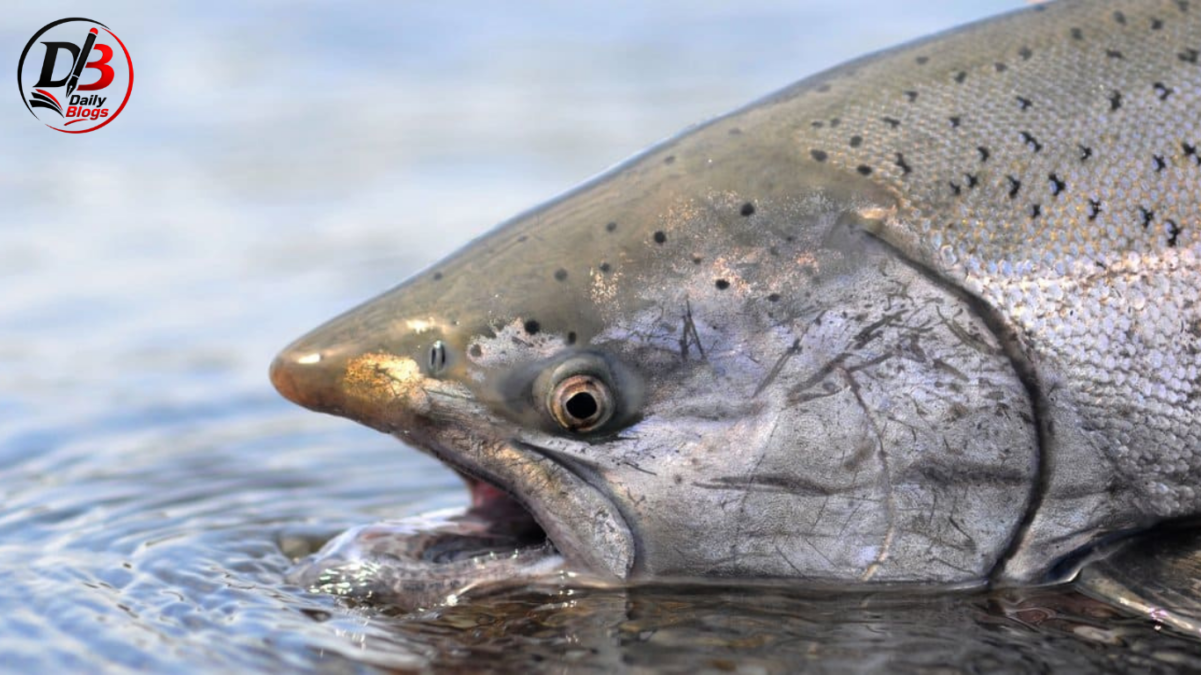
Fresh from the ocean, both fish present a bright chrome or silver body with a darker back. Distinguishing features become clearer with experience. Many steelhead show a distinctive pink or reddish lateral stripe, a trait shared with resident rainbow trout, though not every individual displays it clearly. Their tails tend to be broader at the base with a relatively square edge and often carry rows of spots, particularly on the upper lobe. Gums and the inside of the mouth are typically white.
Pacific salmon show greater variation by species. Males develop a pronounced hooked jaw (kype) and, in some cases such as pink salmon, a hump. Spotting patterns differ: Chinook and coho are often spotted, while chum and sockeye may have few or none. Several Pacific species have dark or black gum lines, a useful field mark against the white gums of steelhead. Atlantic salmon also have white gums, so the mouth test is less reliable on the east coast of North America or in Europe.
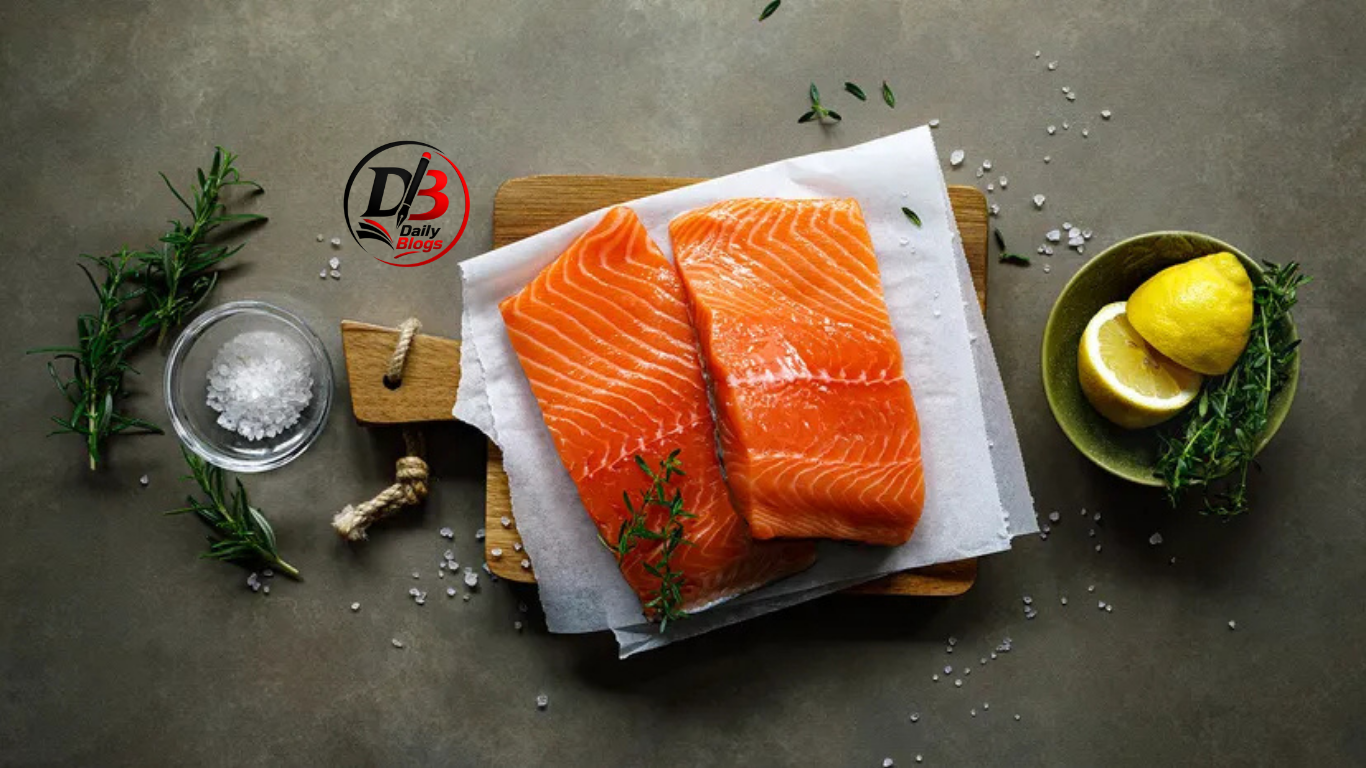
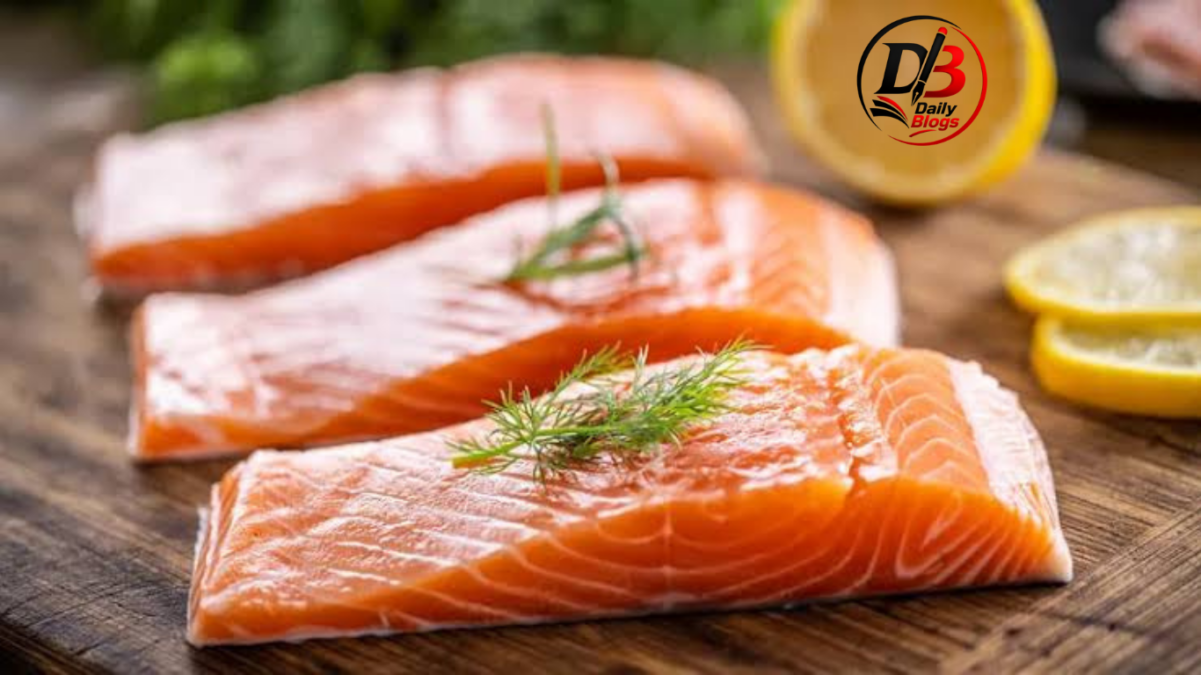
Size ranges overlap but trends exist. Adult steelhead commonly weigh 4–11 kg (roughly 8–25 lb) and measure 50–70 cm, though exceptional fish can exceed 20 kg. Chinook salmon regularly grow larger, with some individuals well over 45 kg, while pink salmon are generally smaller. Flesh colour in both is pink to orange-red, though steelhead is often slightly lighter.
Habitat, Migration and Distribution
Both are anadromous: born in freshwater, they migrate to salt water (or large freshwater systems) to grow, then return to natal rivers to spawn. Steelhead are native to the North Pacific rim, from California northwards to Alaska and across to Russia and Japan. Introduced populations thrive in the Great Lakes. Pacific salmon share much of that range. Atlantic salmon historically occupied rivers on both sides of the North Atlantic.
Steelhead often tolerate slightly warmer water than many salmon species and can utilise a broader range of tributaries. Salmon, particularly certain Pacific stocks, typically prefer colder, highly oxygenated gravel beds for spawning. Migration windows also differ: salmon runs are frequently more concentrated in late spring through autumn, while steelhead runs can stretch from autumn into spring depending on the river system.
Taste, Texture and Culinary Uses
On the plate, steelhead trout vs salmon becomes a matter of preference. Steelhead generally offers a milder, slightly sweeter flavour with a more delicate, flaky texture. Many describe it as less “fishy” than stronger salmon varieties, making it an appealing choice for those who find full-flavoured salmon overpowering. Its fat content is typically lower than that of Chinook or sockeye.
Salmon flavour varies widely by species and whether the fish is wild or farmed. Chinook (king) is prized for its rich, buttery, high-fat flesh. Sockeye delivers a deeper colour and more assertive classic salmon taste. Coho sits in the middle, while pink and chum are milder and often used for canning. Farmed Atlantic salmon tends to be milder and more consistent in texture than many wild Pacific fish.
Cooking methods overlap considerably. Both respond well to pan-searing, grilling, roasting, baking and gentle poaching. Because steelhead is leaner, it benefits from careful timing to avoid drying out and pairs successfully with lighter sauces, citrus, herbs and delicate spices. Richer salmon can stand up to bolder flavours, stronger marinades and higher-heat methods that render its oils.
Nutritionally both excel. They supply high-quality protein and valuable omega-3 fatty acids that support heart and brain health. Wild salmon often contains higher levels of certain nutrients, though steelhead remains an excellent, sometimes lower-mercury alternative depending on origin and farming practices. Availability differs too: steelhead is frequently offered year-round, while wild salmon seasons are more restricted.
Fishing and Angling Appeal
Anglers value both for their power and fighting ability. Salmon runs create intense seasonal opportunities, after which many fish die and the fishery closes. Steelhead, because they survive spawning and continue feeding in rivers, can provide sport through winter and into spring in many systems. Their willingness to take a variety of presentations—egg patterns, streamers, spinners and bait—adds to their reputation as a challenging and rewarding quarry. In the Great Lakes, steelhead often follow salmon into rivers to feed on eggs, extending the season for dedicated anglers.
Quick Comparison
| Detail | Steelhead Trout | Salmon |
| Scientific identity | Anadromous Oncorhynchus mykiss (rainbow trout) | Several species (Oncorhynchus Pacific; Salmo salar Atlantic) |
| Spawning | Can spawn multiple times | Pacific: once then die; Atlantic: can repeat |
| Typical adult size | 4–11 kg, up to ~20+ kg | Highly variable; Chinook often larger |
| Mouth / gums | Usually white | Many Pacific species dark; Atlantic white |
| Flavour profile | Milder, delicate, less oily | Richer, more variable by species |
| Primary range | North Pacific & introduced lakes | North Pacific or North Atlantic |
Conservation Context and Lasting Interest
Both groups face pressures from habitat loss, dams, climate change, overfishing and competition from hatchery fish. Several steelhead populations on the US West Coast are listed as threatened or endangered under the Endangered Species Act. Many salmon stocks face similar challenges. Successful recovery efforts often involve restoring river connectivity, protecting cold-water habitat and careful management of fisheries. Their shared sensitivity to environmental change makes them important indicators of ecosystem health.
Conclusion
The ongoing fascination with steelhead trout vs salmon stems from more than culinary or sporting value. These fish embody remarkable life histories—journeys of hundreds or thousands of kilometres, precise homing to natal streams, and, in the case of steelhead, the resilience to repeat the cycle. They connect oceans, rivers and people across continents. Choosing one over the other depends on the occasion: steelhead for a milder, year-round option; a specific salmon species when richer flavour or seasonal tradition is desired.