Seaweed snacks have slipped into shopping baskets and lunchboxes across the UK with remarkable ease. Once associated mainly with sushi wrappers or traditional Welsh laverbread, these thin, crispy sheets of roasted seaweed now sit comfortably beside crisps and nuts on supermarket shelves. Their mild saltiness, light crunch and impressive nutrient profile have won over health-conscious snackers and curious food lovers alike.
What makes seaweed snacks so enduringly interesting is the blend of ancient roots and modern appeal. They carry centuries of coastal tradition yet feel thoroughly contemporary – low-calorie, plant-based and linked to sustainability. In a world looking for snacks that deliver flavour without excess, seaweed snacks have found a natural place.
This feature explores how seaweed snacks moved from shoreline foraging to mainstream recognition, examining their history, nutritional strengths, challenges and growing presence in British kitchens.
Early Life and Background
Seaweed has been part of human diets for thousands of years. Archaeological evidence from dental plaque shows that early Europeans consumed seaweed and aquatic plants as far back as the Mesolithic period, continuing through the Neolithic era and into the early Middle Ages. Coastal communities in Britain and Ireland gathered species such as dulse (Palmaria palmata), laver (Porphyra) and Irish moss for food, medicine and survival during lean times.
In Wales, laver – essentially the same seaweed known as nori in Japan – was boiled into a dense, spinach-like paste and mixed with oats to make laverbread, still enjoyed today with bacon and cockles. Scottish and Irish foragers toasted or fried dulse, used it in broths or chewed it as a snack. These practices were practical responses to the abundance of seaweed along rocky shores rather than fashionable choices.
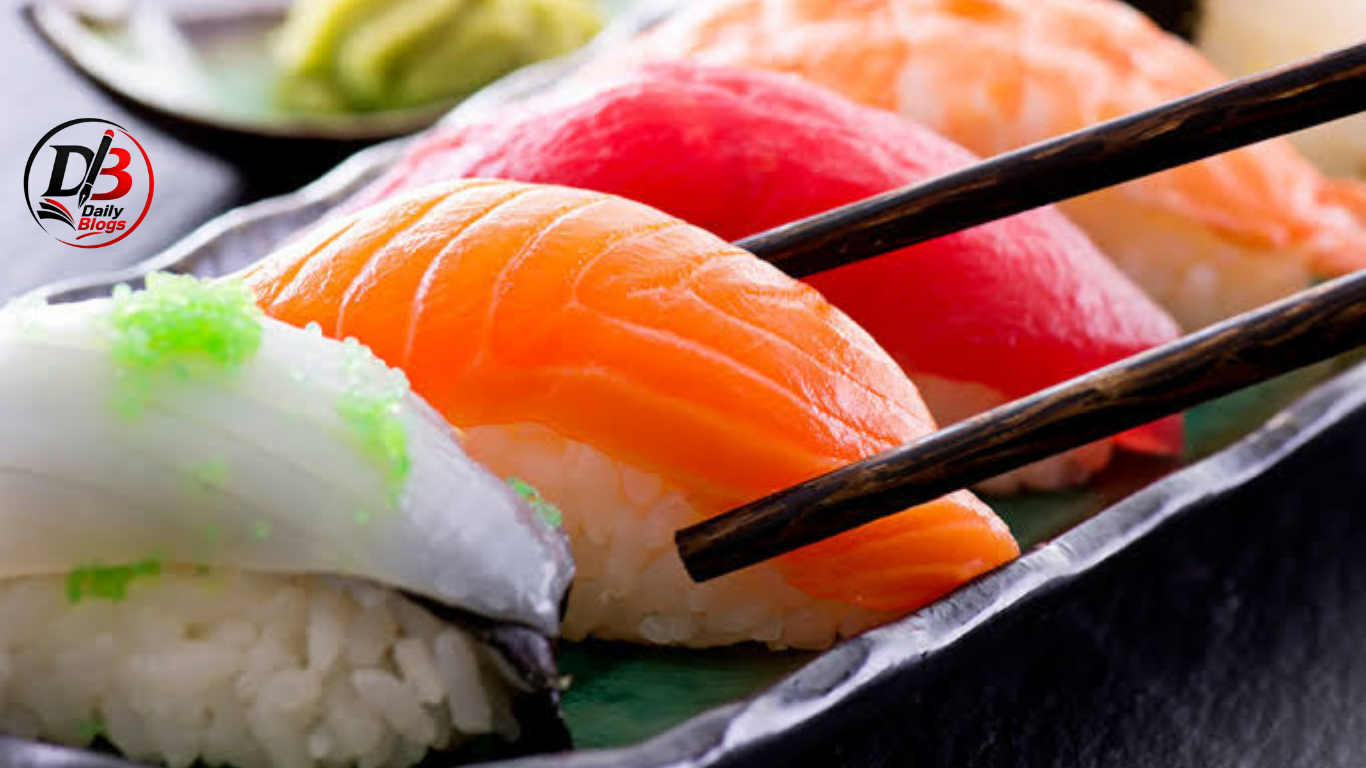
Education in the modern sense does not apply, yet traditional knowledge passed through generations of coastal families. People learned which species were edible, how to wash and dry them, and when to harvest for best flavour. In Asia, particularly Japan, Korea and China, seaweed cultivation and preparation developed into refined culinary arts over centuries. Nori sheets became essential for sushi, while kombu and wakame featured in stocks, salads and everyday meals.
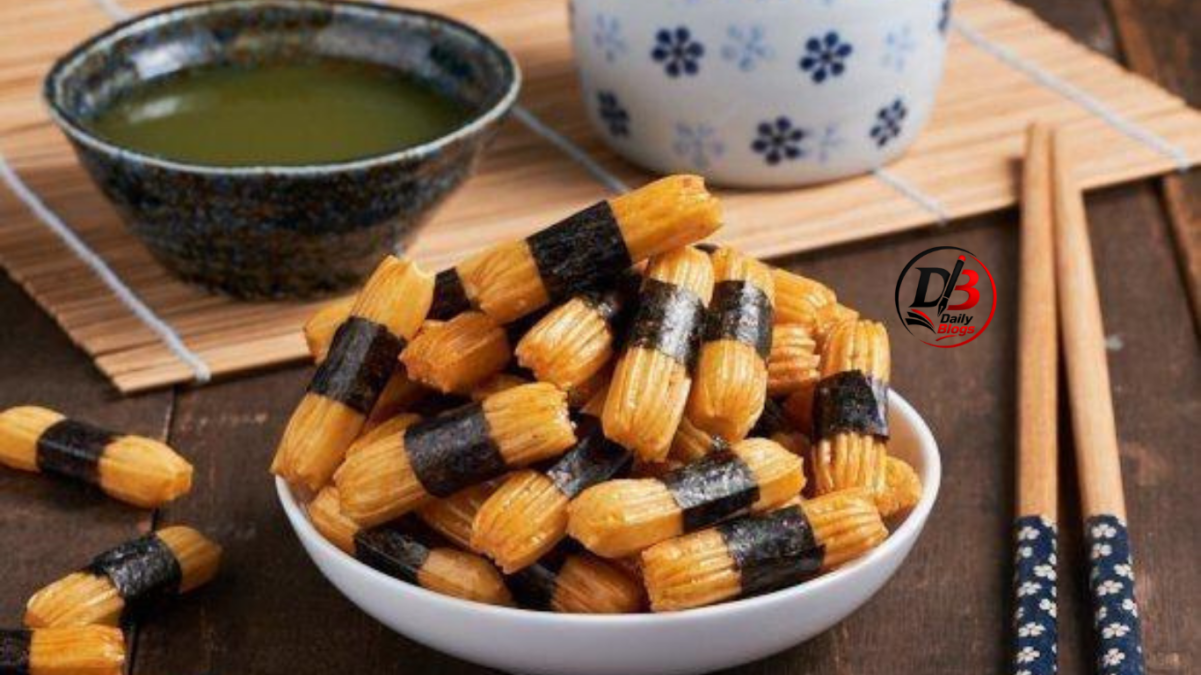
The “entry into the profession” for seaweed snacks as we know them today came through drying and roasting techniques refined in East Asia. Thin sheets of nori, lightly seasoned and crisped, transformed a traditional side dish into a portable, shelf-stable product ready for global distribution.
Career and Rise to Fame
Seaweed’s commercial journey accelerated in the 20th century. In Japan, nori production grew into a major industry after scientific breakthroughs in the mid-1900s allowed reliable cultivation. Welsh researcher Kathleen Mary Drew-Baker’s 1949 discovery of the life cycle of Porphyra proved pivotal; her work enabled Japanese scientists to revive declining nori farms, ultimately supporting the global sushi boom.
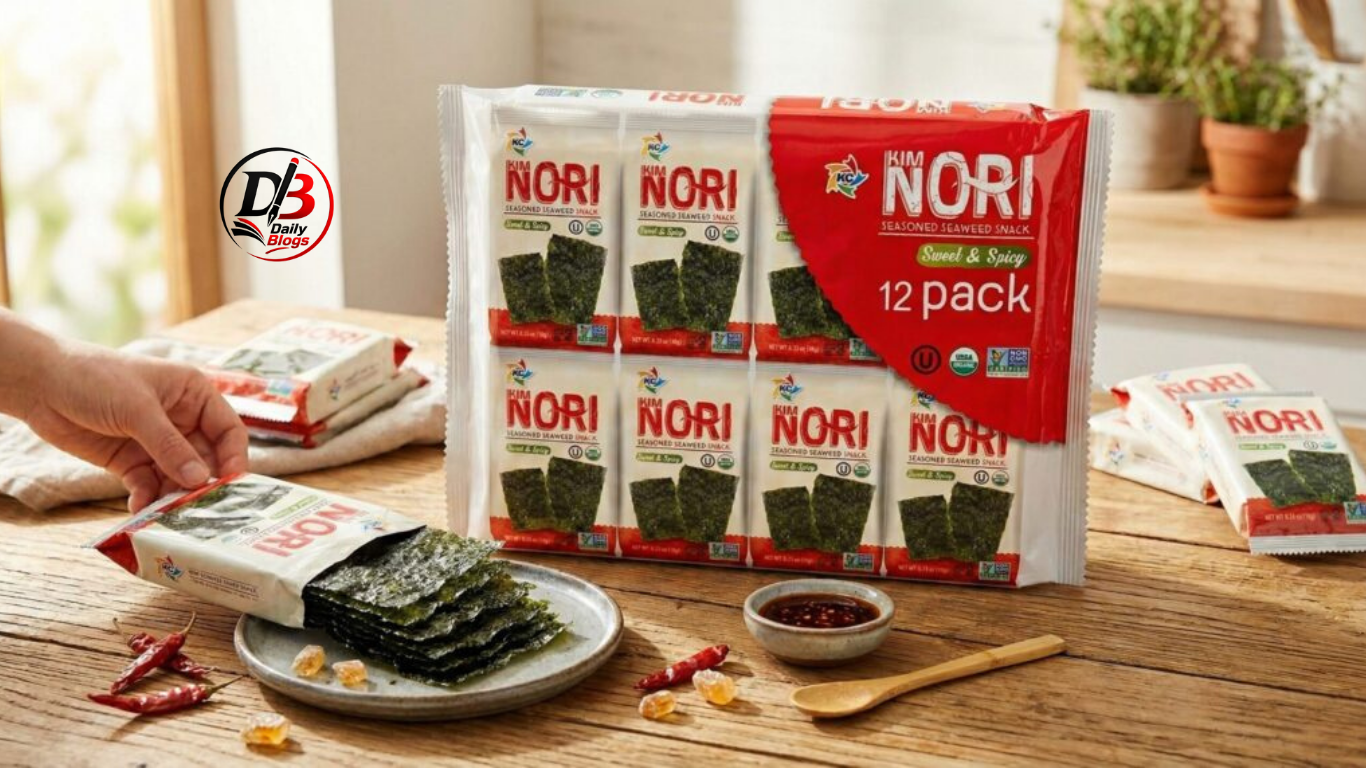
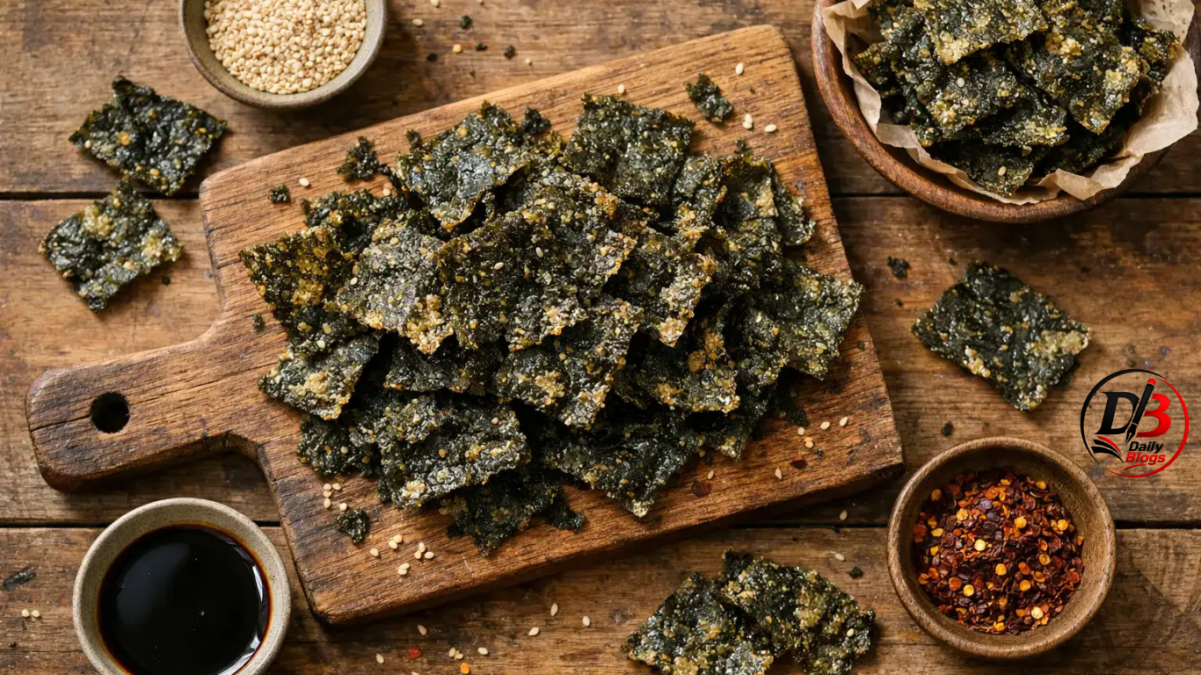
In the West, seaweed snacks remained niche until the early 2010s. Packaged roasted seaweed sheets began appearing in health-food stores and Asian markets. Brands such as Annie Chun’s and later gimMe helped introduce flavoured versions – sesame, sea salt, wasabi – to American and then European shoppers. Trader Joe’s listings and mainstream supermarket placements marked a turning point. Search interest in “seaweed snack” rose sharply around 2011, signalling growing curiosity.
Major milestones include the expansion into organic and non-GMO certified products, flavour innovation (Korean BBQ, sriracha, olive oil), and recognition of seaweed’s sustainability credentials. Seaweed requires no freshwater, fertiliser or arable land, and it absorbs carbon dioxide while growing. These qualities aligned with rising demand for plant-based, low-impact foods.
In the UK, the market has expanded steadily. Brands such as Itsu, Clearspring, Ocean’s Halo and Scottish producers like Shore have brought crispy seaweed thins and chips into Tesco, Waitrose, Asda and independent retailers. Flavours range from classic sea salt to more adventurous options like Peking duck or sweet sriracha. The number of seaweed-related businesses in the UK has more than doubled since 2016, with a significant share focused on food.
Public reputation centres on health and convenience. Seaweed snacks are frequently described as a lighter alternative to potato crisps, offering fibre, protein, iodine, vitamins and minerals in a low-calorie package. Typical servings deliver around 15–30 calories, with notable amounts of iodine and dietary fibre.
Personal Challenges or Turning Points
Seaweed’s path has not been entirely smooth. In Europe, consumption declined sharply after the 18th and 19th centuries as agriculture and other foods became more reliable. By the 1800s it was largely forgotten outside specific regional traditions such as Welsh laverbread. The modern revival required overcoming perceptions of seaweed as exotic, slimy or simply unfamiliar.
Nutritional concerns have also surfaced. Seaweed is naturally high in iodine, which supports thyroid function but can exceed safe limits if consumed in large quantities, particularly from kelp varieties. Some products have been found to contain elevated levels of heavy metals such as arsenic, cadmium and lead, depending on growing waters. Labelling of iodine content remains inconsistent in many markets, prompting calls for clearer guidance.
Career setbacks in the commercial sense include early retailer hesitation and the need to educate consumers about taste and texture. Resilience has come through careful sourcing, improved processing, flavour development and transparent sustainability messaging. Producers emphasising organic cultivation, hand-harvesting and ocean-friendly practices have helped rebuild trust and expand the category.
Personal Life
As a food category rather than an individual, seaweed snacks have no private relationships or family details in the conventional sense. What is publicly confirmed is their deep connection to coastal communities and cultural traditions. In Japan and Korea they form part of daily meals; in Wales and Scotland they link to heritage foods. Public statements from producers frequently highlight environmental stewardship and the desire to make nutrient-dense ocean foods accessible.
Varieties themselves form a kind of extended family: nori for classic snacks, dulse for a bacon-like savouriness, wakame for salads, and sugar kelp or alaria for chips and seasonings. Each brings slightly different textures and mineral profiles while sharing the same oceanic origins.
Later Career and Current Activities
Today seaweed snacks continue to diversify. UK innovators such as Shore have secured supermarket listings with flavoured seaweed chips made from sustainably harvested Scottish seaweed. Other brands experiment with avocado oil, shiitake seasoning and larger-format sheets suitable for sharing or topping dishes. The global seaweed snacks market has shown strong growth, driven by demand for plant-based, functional snacks and greater awareness of ocean-sourced nutrition.
Public appearances take the form of product launches, food-festival tastings and collaborations with retailers. Charity and advocacy often focus on ocean conservation; some brands donate a portion of revenue to marine protection or education initiatives. Business ventures extend beyond pure snacks into seasonings, plant-based ingredients and even packaging alternatives derived from seaweed.
Advocacy centres on sustainability and nutrition education. Producers and researchers emphasise seaweed’s low environmental footprint and its potential role in more resilient food systems. In Scotland, government reports have projected significant growth potential for the seaweed sector, supporting rural coastal economies.
Quick Bio
| Detail | Information |
| Full Name | Seaweed snacks (primarily roasted nori sheets) |
| Date of Birth | Ancient origins; modern packaged form popularised mid-to-late 20th century in Asia, mainstream West from ~2011 |
| Place of Birth | Coastal waters worldwide; commercial refinement in East Asia, traditional use in UK & Ireland |
| Nationality | Global, with strong Asian and British coastal roots |
| Profession | Healthy snack food / sea vegetable product |
| Years Active | Traditional use for millennia; commercial snacks widely available since early 2010s |
| Known For | Crispy texture, umami flavour, iodine & fibre content, sustainability |
| Estimated Net Worth | Global market valued in billions of US dollars and growing (category-level figure) |
Legacy and Lasting Impact
Seaweed snacks remain important because they bridge ancient coastal wisdom and contemporary dietary preferences. They demonstrate that a humble marine plant can become a convenient, nutrient-rich alternative to more processed snacks. Their influence appears in the wider acceptance of sea vegetables, the growth of UK seaweed businesses, and increased consumer interest in foods that support both personal health and planetary health.
Public perception has shifted from curiosity or mild suspicion toward everyday acceptance. Many now view them as a sensible cupboard staple rather than a novelty. Lessons from their journey include the value of cultural exchange (Japanese cultivation techniques meeting Western snack habits), the importance of transparent sourcing, and the power of simple preparation to unlock an ingredient’s potential.
Conclusion
From prehistoric foragers to modern supermarket aisles, seaweed snacks have travelled a long and quietly successful path. Their story is one of rediscovery: a food once common on British coasts, refined through Asian culinary tradition, and reintroduced to a new generation seeking lighter, more sustainable options. The combination of satisfying crunch, natural minerals and environmental advantages continues to earn them a place in kitchens and lunchboxes.