If you’ve typed “kisir bulgur salad near me” into your phone recently, you’re in good company. This tangy, herb-flecked Turkish salad has been quietly winning over food lovers well beyond its home country, popping up on the menus of Mediterranean restaurants, mezze bars and health-conscious cafés across the UK and beyond.
Part of the appeal is how kisir manages to feel both hearty and refreshing at once. It’s built around fine bulgur wheat, softened rather than boiled, and tossed with tomato paste, pepper paste, lemon juice, olive oil and a generous handful of fresh herbs. The result sits somewhere between a grain salad and a dip, equally happy scooped up with lettuce leaves or served alongside grilled meat and fish.
This guide walks through what kisir actually is, its roots in Turkish home cooking, how to spot the good stuff when you’re eating out, and how to recreate it in your own kitchen if the search for kisir bulgur salad near me comes up empty.
What Exactly Is Kisir?
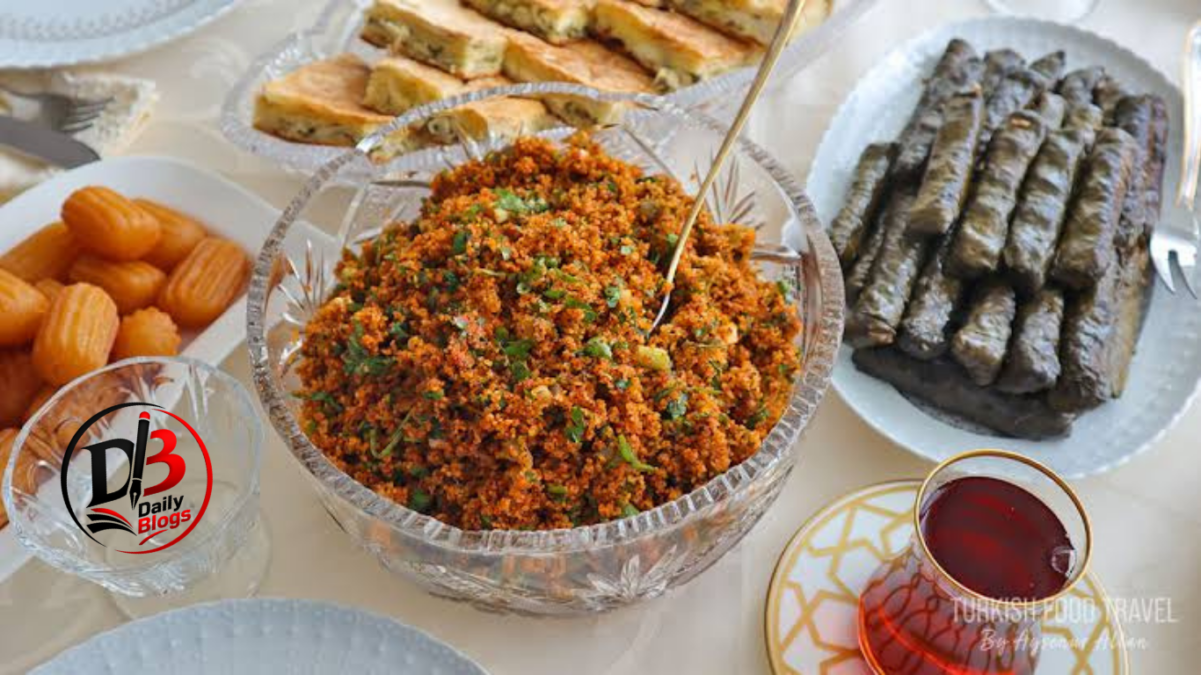
Kisir (pronounced roughly “kuh-suhr”) is a cold bulgur-based salad that hails from south-eastern Turkey, with particularly strong ties to the Gaziantep region, an area widely regarded as one of the country’s great culinary heartlands. Unlike its better-known cousin tabbouleh, which leans heavily on parsley and uses bulgur more sparingly, kisir puts the grain firmly centre stage.
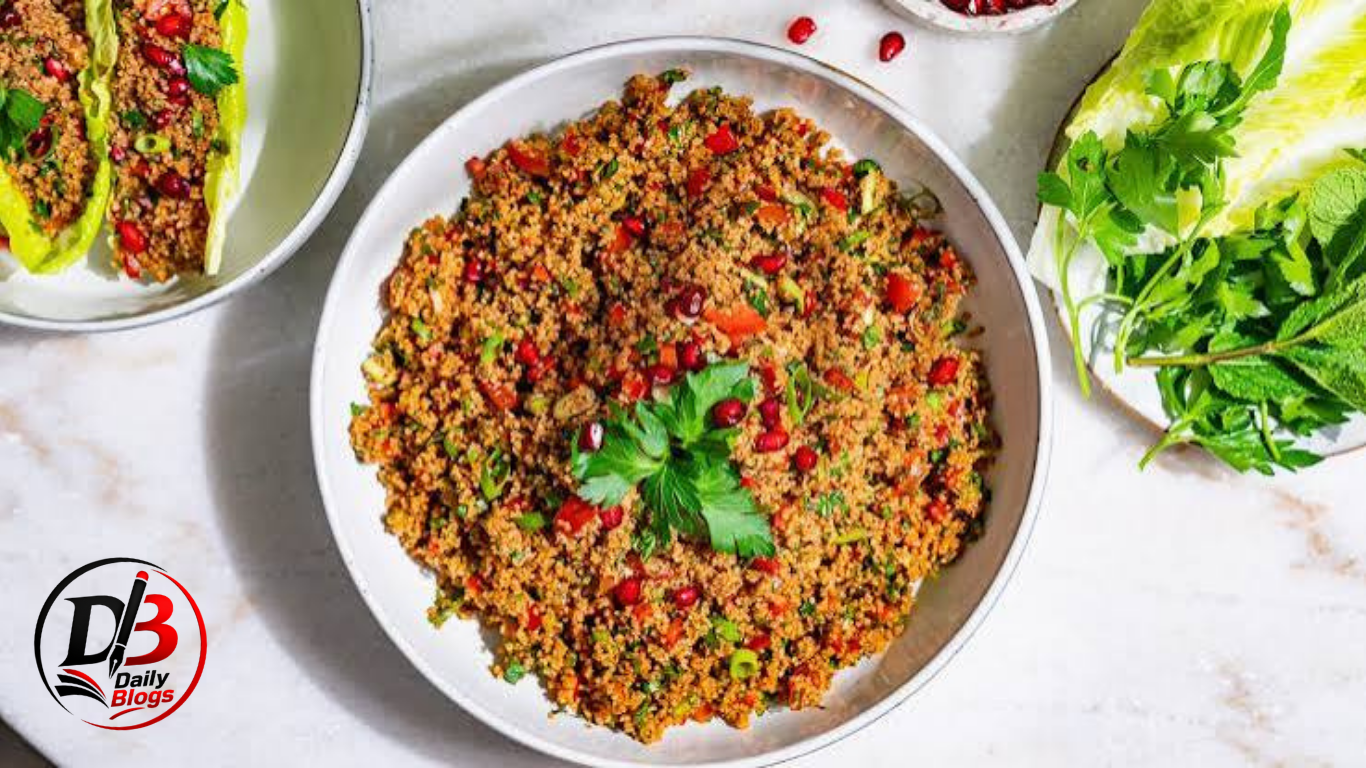
The fine-ground bulgur is soaked in hot water or stock until tender, rather than simmered on the hob, which keeps the texture light rather than mushy. It’s then mixed with a paste made from tomatoes and Turkish red peppers, along with olive oil, pomegranate molasses, lemon juice, and a mix of chopped herbs, most commonly parsley and spring onion or fresh mint. Ground cumin and dried mint often make an appearance too, giving the salad its distinctive warmth.
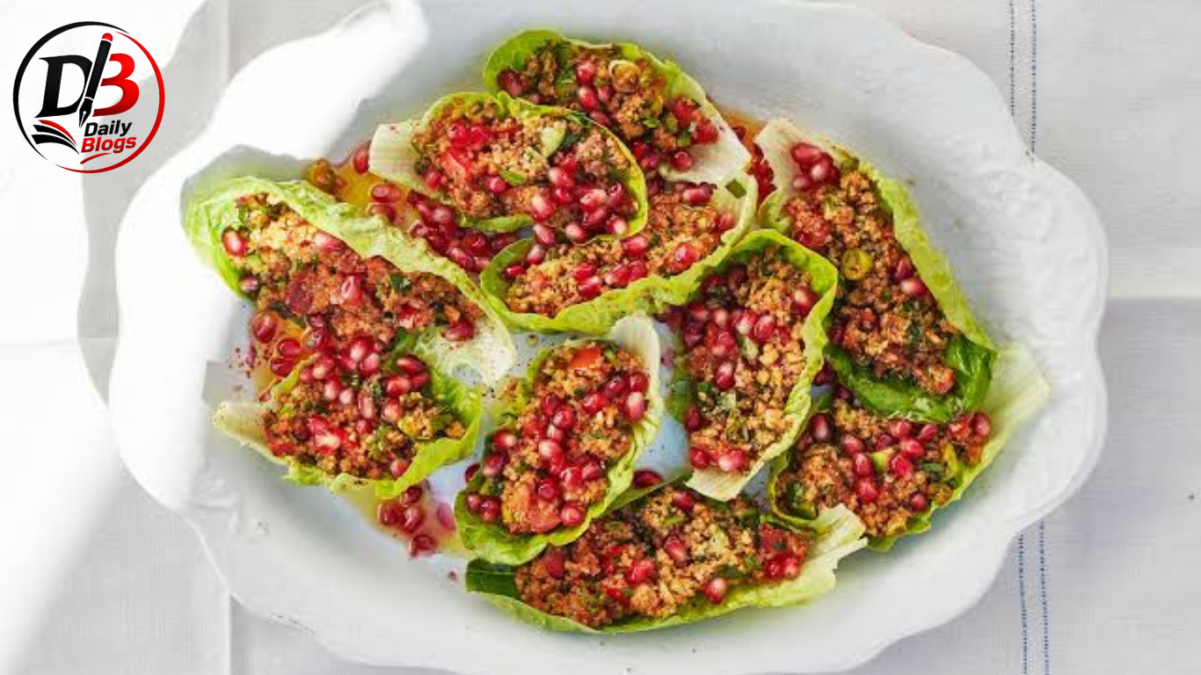
The finished dish has a deep reddish colour from the pepper and tomato pastes, a pleasant chew from the bulgur, and a flavour profile that’s simultaneously tart, savoury and faintly sweet thanks to the pomegranate molasses. It’s traditionally served with crisp lettuce or cos leaves used as edible scoops, alongside lemon wedges for squeezing over.
Why Kisir Has Found Fans Far Beyond Turkey
Kisir’s rise in popularity outside Turkey mirrors the broader appetite for Mediterranean and Middle Eastern mezze-style eating. As diners have grown more familiar with dishes like hummus, muhammara and fattoush, kisir has found a natural place alongside them on shared-plate menus.
It also fits neatly into how a lot of people eat today. It’s plant-based, doesn’t require dairy, and travels well, making it a popular choice for meal prep and packed lunches. Because it’s served cold or at room temperature, it holds up nicely for a day or two in the fridge, often tasting even better once the flavours have had a chance to settle.
There’s also a practical reason so many people search for kisir bulgur salad near me rather than attempting it from scratch on a weeknight: sourcing genuine Turkish pepper paste (biber salçası) and pomegranate molasses isn’t always straightforward outside specialist Middle Eastern or Turkish grocers, so finding a restaurant that already has these staples on hand can be the quicker route to an authentic bowl.
Where to Look When Searching for Kisir Bulgur Salad Near Me
If you’re hunting for a proper plate of kisir locally, a few types of venues tend to be the most reliable starting points.
Turkish restaurants and ocakbaşı grills are usually your best bet, since kisir is a staple mezze offering rather than a rare specialist item. Many grill houses serve it as a starter alongside hummus, ezme and haydari.
Mediterranean and Middle Eastern mezze restaurants frequently include kisir on shared-plate menus, sometimes under a slightly different spelling such as “kısır” or described simply as “bulgur salad.”
Turkish and Middle Eastern grocery delis in cities with established Turkish communities often sell fresh kisir by weight from a chiller counter, which can be a quick, affordable option if you just fancy a portion to take home.
When searching online, it can help to widen your terms slightly. Alongside “kisir bulgur salad near me,” try “Turkish mezze near me,” “bulgur salad restaurant,” or the name of your nearest Turkish-run high street, since smaller family-run spots don’t always optimise their listings for the dish’s various spellings.
How Kisir Compares to Tabbouleh
Because both are cold, herb-forward, bulgur-based salads from the wider region, kisir and tabbouleh are often mentioned in the same breath, but the two are genuinely distinct dishes.
Tabbouleh, with roots in Lebanese and Syrian cooking, is predominantly a parsley salad with a modest amount of fine bulgur folded through, along with tomato, mint, lemon juice and olive oil. The herbs do the heavy lifting, and the bulgur is more of a supporting texture.
Kisir flips that ratio. Bulgur is the main event, bound together by the tomato and pepper pastes, with herbs playing a supporting role rather than dominating the bowl. The addition of pomegranate molasses also gives kisir a more pronounced sweet-tart edge that tabbouleh typically doesn’t have.
Neither is “better” than the other, but if you order kisir expecting tabbouleh, the denser, paste-bound texture can come as a surprise.
Making Kisir at Home
If your search for kisir bulgur salad near me hasn’t turned up anywhere local, the good news is that it’s a genuinely approachable dish to make yourself, provided you can get hold of two key ingredients: fine bulgur wheat and either Turkish red pepper paste or a decent substitute, such as a mix of tomato purée and a mild chilli paste.
A simple approach:
- Soak fine bulgur in an equal amount of just-boiled water or vegetable stock, cover, and leave for around 15–20 minutes until softened and the liquid is absorbed.
- While it soaks, finely chop parsley, spring onions, and mint (fresh or dried).
- Whisk together olive oil, lemon juice, pomegranate molasses, tomato paste, and pepper paste to form a thick dressing.
- Fluff the bulgur with a fork, then stir through the dressing until every grain is coated a deep red.
- Fold in the chopped herbs, season with ground cumin, salt and a little chilli flake if you like extra heat, then chill for at least 30 minutes before serving.
Serve with crisp lettuce leaves for scooping, and lemon wedges on the side. Most versions keep well in an airtight container in the fridge for two to three days.
Nutritional Notes
Kisir is generally considered a wholesome choice. Bulgur is a whole grain, providing fibre and a decent amount of plant protein compared with refined grains, while the olive oil contributes healthy monounsaturated fats. The dish is naturally vegan when made without any animal-based additions, and it’s easy to adapt for those watching sodium or spice levels by adjusting the pepper paste and seasoning to taste.
That said, portion sizes matter, as with any dish, since the tomato and pepper pastes can carry a fair amount of salt, and a generous glug of olive oil adds up calorie-wise. As part of a balanced spread of mezze, though, it’s a genuinely nourishing option.
Quick Facts: Kisir Bulgur Salad
| Detail | Information |
| Origin | South-eastern Turkey, closely associated with Gaziantep |
| Main Ingredient | Fine bulgur wheat |
| Key Flavourings | Tomato paste, red pepper paste, pomegranate molasses, lemon juice |
| Typical Herbs | Parsley, spring onion, fresh or dried mint |
| Served | Cold or at room temperature, often with lettuce leaves |
| Dietary Notes | Naturally vegan and dairy-free |
| Best Paired With | Grilled meats, fish, or as part of a mezze spread |
| Shelf Life | Around 2–3 days refrigerated |
Conclusion
Whether you track down a proper plate at a local Turkish grill or decide to make your own version at home, kisir is one of those dishes that rewards a bit of curiosity. It’s simple in its ingredients but layered in flavour, and it offers a genuinely different take on the grain salad compared with more familiar options like tabbouleh or couscous salad.
The next time the craving for kisir bulgur salad near me strikes, you’ll have a clearer idea of where to look, what to expect on the plate, and how to put together a very respectable version yourself if the search comes up short.