There is something quietly reassuring about a loaf cake cooling on a wire rack. It doesn’t demand the precision of a layered sponge or the drama of a soufflé, yet it consistently delivers comfort, flavour and a slice of nostalgia. Loaf cake recipes have earned a permanent place in British baking, from the humble lemon drizzle to rich, spiced fruit loaves passed down through generations.
Part of the enduring appeal lies in simplicity. A single tin, a handful of pantry staples, and an hour in the oven can produce something genuinely worth sharing. Whether served with afternoon tea, packed into a lunchbox, or presented as a homemade gift, loaf cakes strike a balance between everyday practicality and genuine indulgence.
This article explores where loaf cake recipes came from, how they evolved, the common pitfalls bakers face, the many variations available today, and why this understated bake continues to hold such a firm place in home kitchens across the country.
Origins and Background
The loaf cake’s story is tied closely to the history of bread-making itself. Long before dedicated cake tins existed, home bakers used loaf-shaped bread tins to bake sweetened, enriched mixtures, largely because they were the most readily available vessel in most kitchens.
As sugar, butter and raising agents like bicarbonate of soda became more accessible during the nineteenth century, cakes gradually separated from bread in both technique and purpose. The rectangular tin remained, however, because it was practical, economical with ingredients, and easy to slice evenly for a family or gathering.
Early loaf cakes were often dense fruit cakes, designed to keep well without refrigeration. Dried fruit, spices and sometimes a splash of tea or spirits helped preserve the bake for days, making it a sensible choice for households before modern food storage was common. Over time, lighter versions using creamed butter and sugar, similar to a Victoria sponge mixture but baked in a loaf tin, became increasingly popular.
Rise to Popularity
Loaf cakes moved from practical household staple to genuine baking favourite for several reasons. Their straightforward method appealed to home cooks who wanted reliable results without specialist equipment. A single bowl, a wooden spoon or electric whisk, and one tin were often all that was needed.
The format also suited changing lifestyles. As more households balanced work and family commitments, the loaf cake offered an efficient bake that produced generous, easily portioned slices ideal for lunchboxes, café counters and community fundraisers.
Cookbook authors and baking programmes further cemented the loaf cake’s popularity throughout the latter half of the twentieth century. Recipes for classics such as banana loaf, marble cake and Madeira cake became staples of household recipe collections, often handwritten and passed between relatives and neighbours.
More recently, the rise of home baking during periods of increased time at home encouraged a renewed interest in traditional bakes, loaf cakes included. Social media has also played a role, with bakers sharing glossy drizzle toppings, marbled swirls and citrus glazes that showcase just how visually appealing a well-made loaf can be, despite its simple shape.
Common Challenges in Baking a Loaf Cake
Even experienced bakers encounter recurring issues with loaf cakes, largely because the tin’s depth and shape create specific challenges compared with shallower cake tins.
Sinking in the middle is one of the most common complaints, usually caused by underbaking, too much raising agent, or opening the oven door too early. Because a loaf tin is deep, the centre takes longer to set than the edges, so patience during baking is essential.
Uneven rising often results from an oven that runs hot on one side, or from batter that hasn’t been distributed evenly before baking. Rotating the tin halfway through baking, once the structure has set, can help.
A dry or dense crumb is frequently down to overmixing once flour has been added, which develops too much gluten, or to overbaking, which draws out moisture. Measuring ingredients accurately, rather than estimating, tends to produce far more consistent results.
A domed or cracked top is generally not a fault at all, but a natural result of the cake rising faster in the centre than at the edges. Many bakers embrace this as part of the loaf cake’s rustic character rather than trying to eliminate it entirely.
Lining the tin properly with baking paper, checking oven temperature with a separate thermometer, and testing doneness with a skewer inserted into the centre remain the most reliable ways to avoid common mishaps.
Popular Variations
One of the loaf cake’s greatest strengths is its adaptability. The basic principle, a moist, sliceable cake baked in a rectangular tin, lends itself to an enormous range of flavours and dietary adjustments.
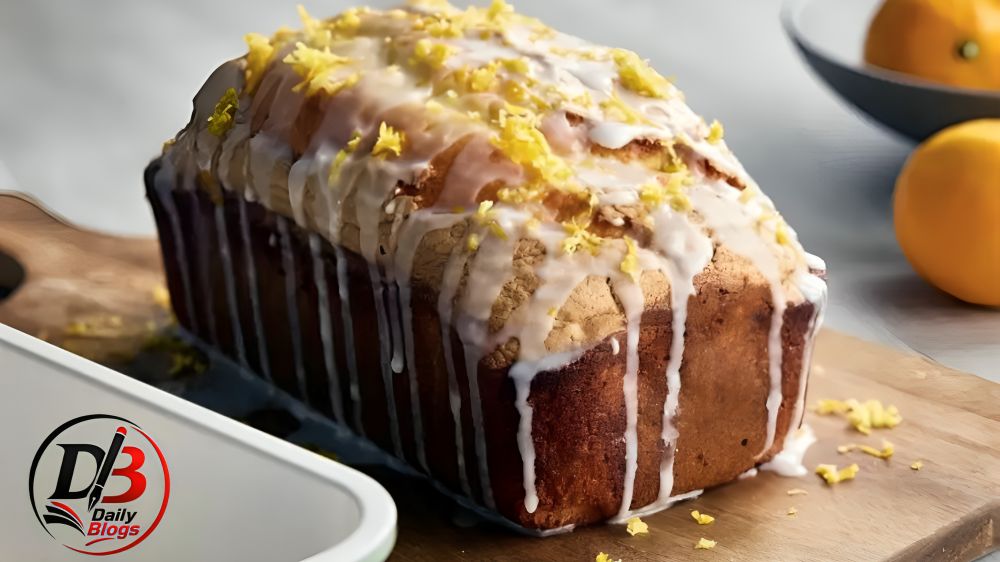
Lemon drizzle loaf remains one of the most requested recipes in British baking, prized for its balance of sweetness and sharp citrus syrup soaked into the warm sponge.
Banana loaf, often made to use up overripe bananas, offers a naturally moist texture and pairs well with additions such as walnuts, chocolate chips or a hint of cinnamon.
Marble cake, with its swirled chocolate and vanilla batters, remains a favourite for its visual appeal as much as its flavour.
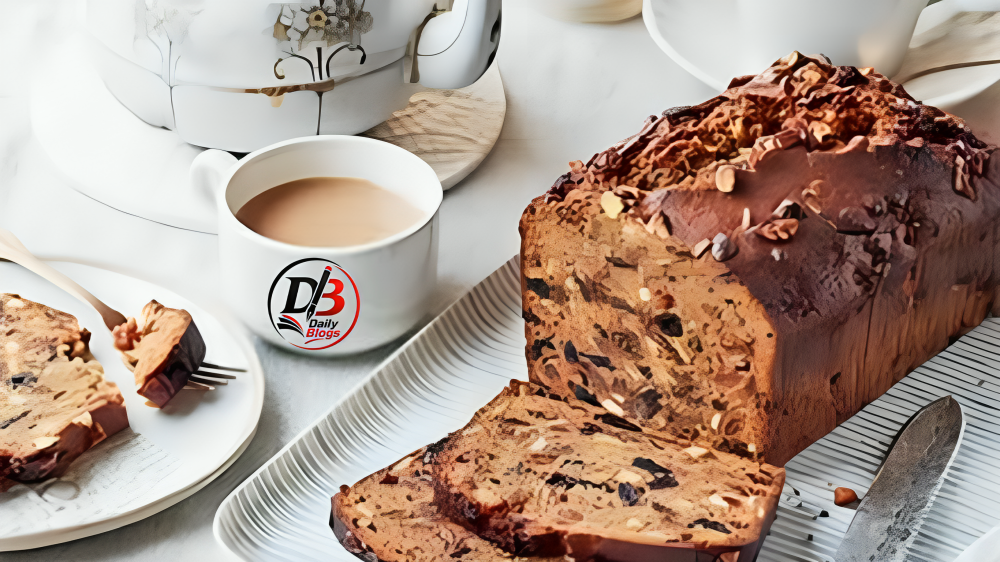
Fruit and spice loaves, including classic tea loaves soaked in cold tea overnight, continue the tradition of using dried fruit to add sweetness and moisture without excessive sugar.
Courgette and carrot loaves have grown in popularity as bakers look for ways to incorporate vegetables into sweet bakes, adding natural moisture and a subtly earthy flavour.
Gluten-free and dairy-free loaf cake recipes have also become widely available, reflecting broader changes in dietary preferences, with almond flour, oat flour and plant-based butters increasingly used as substitutes without compromising texture.
Modern Trends and Where Loaf Cakes Fit Today
Loaf cakes continue to hold a firm place in contemporary baking culture. Independent bakeries and cafés frequently feature a rotating selection of loaf cakes on their counters, valuing the format for its ease of slicing and consistent presentation.
Home bakers, meanwhile, have embraced loaf cakes as an accessible entry point into more confident baking. Because the method is forgiving and the ingredients list is short, loaf cakes are often among the first recipes recommended to those new to baking.
Charity bake sales, school fundraisers and community events regularly rely on loaf cakes for exactly the same reasons that made them practical in earlier generations: they are economical, easy to transport, and simple to portion for a crowd.
Online recipe communities and food blogs have also expanded the loaf cake’s repertoire considerably, introducing global influences such as matcha, cardamom, olive oil and citrus combinations that sit alongside more traditional British favourites.
Quick Facts: Loaf Cake Essentials
| Detail | Information |
| Typical Tin Size | 2lb (900g) loaf tin, approx. 9 x 5 inches |
| Common Ingredients | Flour, sugar, butter or oil, eggs, raising agent |
| Popular Varieties | Lemon drizzle, banana, marble, fruit tea loaf |
| Average Baking Time | 45–60 minutes at 160–180°C (fan) |
| Dietary Adaptations | Gluten-free, dairy-free, vegan options widely available |
| Best Stored | Airtight container, room temperature, 3–5 days |
| Origin | Rooted in bread-baking traditions, popularised through home baking culture |
Baking times and temperatures vary by recipe and oven; always follow specific recipe instructions.
Legacy and Lasting Appeal
The loaf cake’s lasting popularity comes down to a combination of practicality and comfort. It requires no specialist skill or equipment, yet consistently delivers a satisfying result that suits everyday occasions as much as special ones.
Its influence on home baking culture is significant. For many, a loaf cake recipe was among the first they learned, often taught by a parent or grandparent using a well-worn tin and a recipe with no exact measurements, just instinct built over years of practice.
Today, that legacy continues in kitchens across the country, whether through a classic Victoria-style loaf, a modern courgette and lime version, or a simple banana cake made to avoid wasting overripe fruit. The format has proven remarkably resilient, adapting to changing tastes, dietary needs and baking trends without losing its essential character.
Conclusion
Loaf cake recipes endure not because they are flashy or complicated, but because they consistently deliver something genuinely satisfying with minimal fuss. From their practical origins in bread tins to their current status as a beloved staple of British baking, loaf cakes reflect a broader appreciation for reliable, homely food that brings people together.