
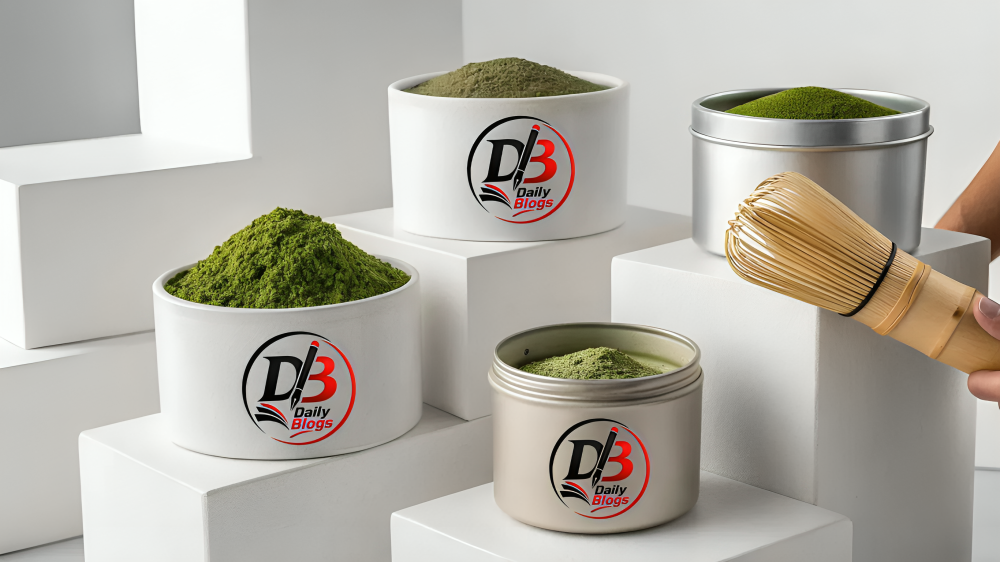
Matcha has moved well beyond its origins as a quiet Japanese tea ceremony ritual. Today, it sits proudly on café menus, in home kitchens, and in the cupboards of anyone hoping to swap their afternoon coffee for something a little gentler. But walk into any health food shop or scroll through an online marketplace, and you’ll quickly discover that not all matcha is created equal. Prices vary wildly, colours range from a dull olive to a vivid emerald, and the labels can be genuinely confusing.
Finding the best matcha powder isn’t simply about picking the prettiest tin. It comes down to understanding where the tea is grown, how it’s processed, and what you actually intend to do with it — whisk it into a traditional bowl, blend it into a latte, or bake it into a batch of biscuits. Each use case rewards a slightly different type of matcha, and knowing the difference can save you both money and disappointment.
This guide walks through everything worth knowing before you buy: the history behind the powder, how quality is graded, what separates a good matcha from a mediocre one, and how to store and use it once it’s in your kitchen. Whether you’re a long-time devotee or simply curious about the hype, there’s a genuinely practical way to shop smarter.
What Exactly Is Matcha, and Where Does It Come From?
Matcha is a finely ground powder made from specially cultivated green tea leaves, traditionally grown in Japan. Unlike standard green tea, the plants are shaded for several weeks before harvest, which boosts chlorophyll production and gives the leaves their signature deep green colour, along with a smoother, less bitter flavour.
The practice dates back centuries, with roots in Chinese tea culture before it was refined into the form we recognise today within Japanese tea ceremonies, particularly in regions such as Uji, Nishio and Kagoshima. These areas remain closely associated with high-quality production, thanks to their climate, soil and generations of specialist growers.
Because the entire leaf is consumed rather than steeped and discarded, matcha delivers a more concentrated dose of nutrients and caffeine than conventional brewed tea — one of the reasons it has become popular among people looking for a steadier, longer-lasting form of energy.
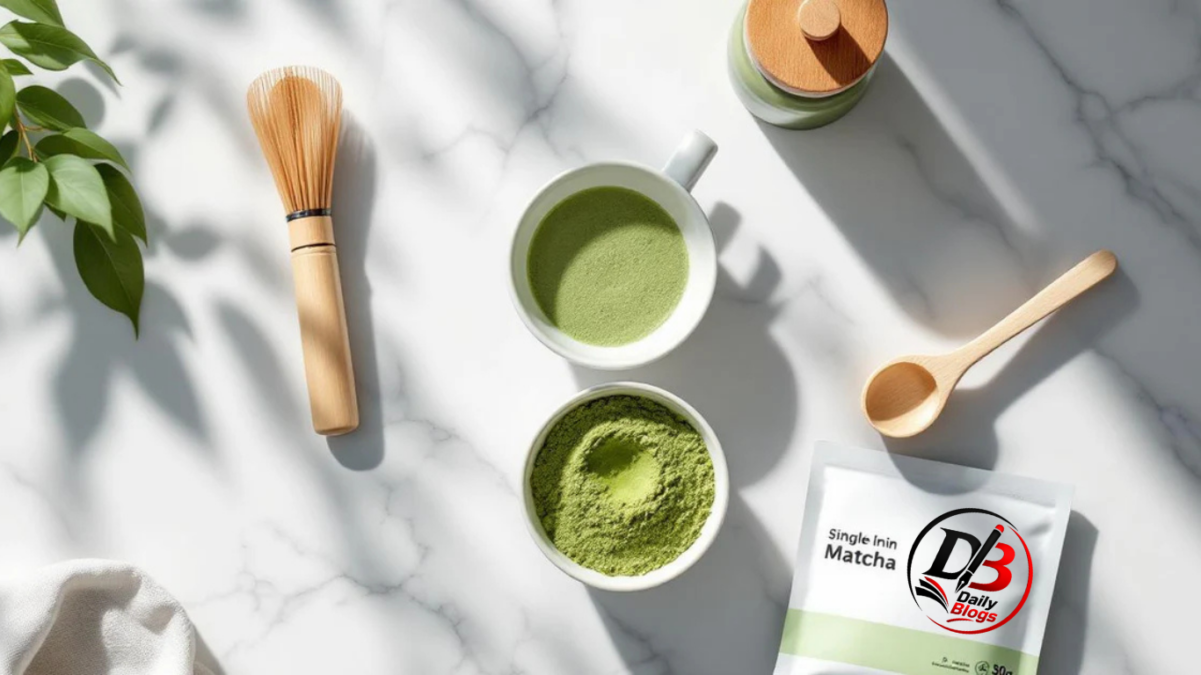
How Matcha Is Graded and Why It Matters
Understanding grading is the single most useful thing you can do before buying matcha, since it directly explains the price differences you’ll encounter.
Ceremonial Grade
This is the top tier, made from the youngest, most tender leaves and stone-ground to a silky-fine texture. It has a naturally sweet, mellow flavour with minimal bitterness, and it’s intended to be enjoyed on its own, whisked with hot water, rather than mixed with milk or sugar. It’s also the most expensive category, reflecting the labour-intensive harvesting process.
Premium or Latte Grade
Slightly more robust in flavour, this grade holds up well when combined with milk, plant-based alternatives, or sweeteners. It’s a sensible middle-ground choice for people who want good quality without ceremonial-grade pricing.
Culinary Grade
Made from slightly older leaves, culinary matcha has a stronger, more assertive taste that can cut through other ingredients. It’s the right choice for baking, smoothies and cooking, where the matcha flavour needs to compete with other flavours rather than stand entirely alone.
Choosing the best matcha powder, in other words, isn’t about always buying the most expensive tin — it’s about matching the grade to the way you’ll actually use it.
What Separates Good Matcha from Poor Quality Matcha
A few practical markers make it much easier to judge quality, even without tasting a product first.
Colour is often the clearest indicator. High-quality matcha tends to be a vibrant, almost luminous green. Dull, yellowish or brownish tones usually suggest lower-grade leaves, sun exposure during growth, or age.
Texture matters too. Genuine stone-ground matcha feels extremely fine, almost like talcum powder, and shouldn’t feel gritty between your fingers.
Origin transparency is another useful signal. Reputable brands are usually happy to state exactly which region in Japan their matcha comes from, along with harvest information. Vague labelling can sometimes indicate blended or lower-grade sourcing.
Aroma and taste, where possible to sample, should lean towards a fresh, slightly grassy sweetness rather than a stale, overly bitter or fishy note, which can indicate poor storage or an inferior product.
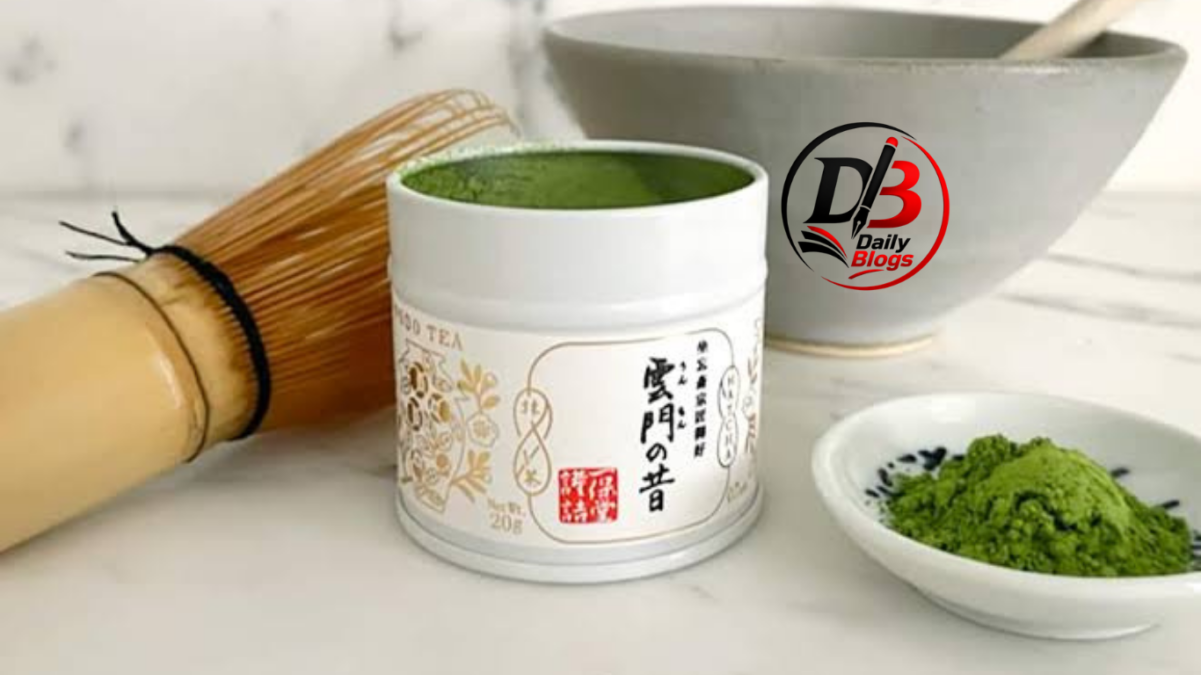
Packaging also plays a genuine role in preserving quality. Matcha is sensitive to light, air and moisture, so it should ideally arrive in an opaque, airtight tin or resealable pouch rather than a clear plastic tub.
How to Store Matcha Properly
Even the best matcha powder can degrade quickly if it isn’t stored with care. Because the powder oxidises easily, exposure to air, light, heat and moisture will gradually dull both its colour and flavour.
The safest approach is to keep it in an airtight container, away from direct sunlight, ideally in the refrigerator once opened. Bringing it back to room temperature before use helps prevent condensation from affecting the powder.
Ways to Use Matcha Beyond the Traditional Bowl
While the traditional method — whisking matcha with hot water using a bamboo whisk, or chasen, in a wide bowl — remains the most authentic way to prepare it, matcha has proven remarkably versatile in modern kitchens.
It works well in lattes, both hot and iced, blended smoothies, homemade energy balls, and baked goods such as cakes, cookies and shortbread, where its slightly earthy flavour pairs nicely with sweetness. Some people also stir it into overnight oats or yoghurt for a gentle lift of flavour and colour. Culinary-grade matcha is generally the more forgiving and cost-effective choice for these applications, saving the delicate ceremonial-grade powder for simpler, unadulterated preparations.
Common Mistakes to Avoid When Buying Matcha
A few recurring pitfalls trip up first-time buyers. Choosing based on price alone, without checking the grade or intended use, often leads to disappointment — a beautifully packaged ceremonial matcha wasted in a smoothie is an expensive mistake, just as a harsh culinary-grade powder can ruin a delicate traditional bowl.
Finally, buying in bulk before you know how quickly you’ll use it can backfire, given how sensitive matcha is to time and storage conditions. Smaller tins, replenished more often, tend to deliver a fresher, more satisfying experience.
Quick Comparison Guide
| Grade | Best Used For | Flavour Profile | Typical Price Range |
| Ceremonial | Traditional whisked tea | Smooth, naturally sweet, low bitterness | Highest |
| Premium/Latte | Lattes, everyday drinking | Balanced, slightly grassy | Mid-range |
| Culinary | Baking, smoothies, cooking | Bold, more astringent | Most affordable |
Is Matcha Actually Worth the Hype?
Much of matcha’s enduring appeal lies in genuine substance rather than passing trend. It offers a more sustained form of caffeine release than coffee, largely thanks to the presence of L-theanine, an amino acid associated with calm alertness. It’s also rich in antioxidants, particularly catechins, which have been widely studied for their potential health benefits, though it’s worth noting that matcha shouldn’t be treated as a cure-all, and claims about dramatic health transformations should be approached with sensible scepticism.
What does hold up consistently is the experience itself: a ritual-like pause, a distinctive flavour, and a drink that feels different from an ordinary cup of tea or coffee. That combination of taste, ritual and gentle energy is likely why matcha’s popularity shows no real sign of fading.
Conclusion
Choosing the best matcha powder ultimately comes down to being honest about how you’ll use it. A dedicated ceremonial tea drinker and a keen home baker have genuinely different needs, and the right choice for one might be entirely wrong for the other. Paying attention to grade, colour, origin and storage will do far more for your matcha experience than chasing the most expensive tin on the shelf.