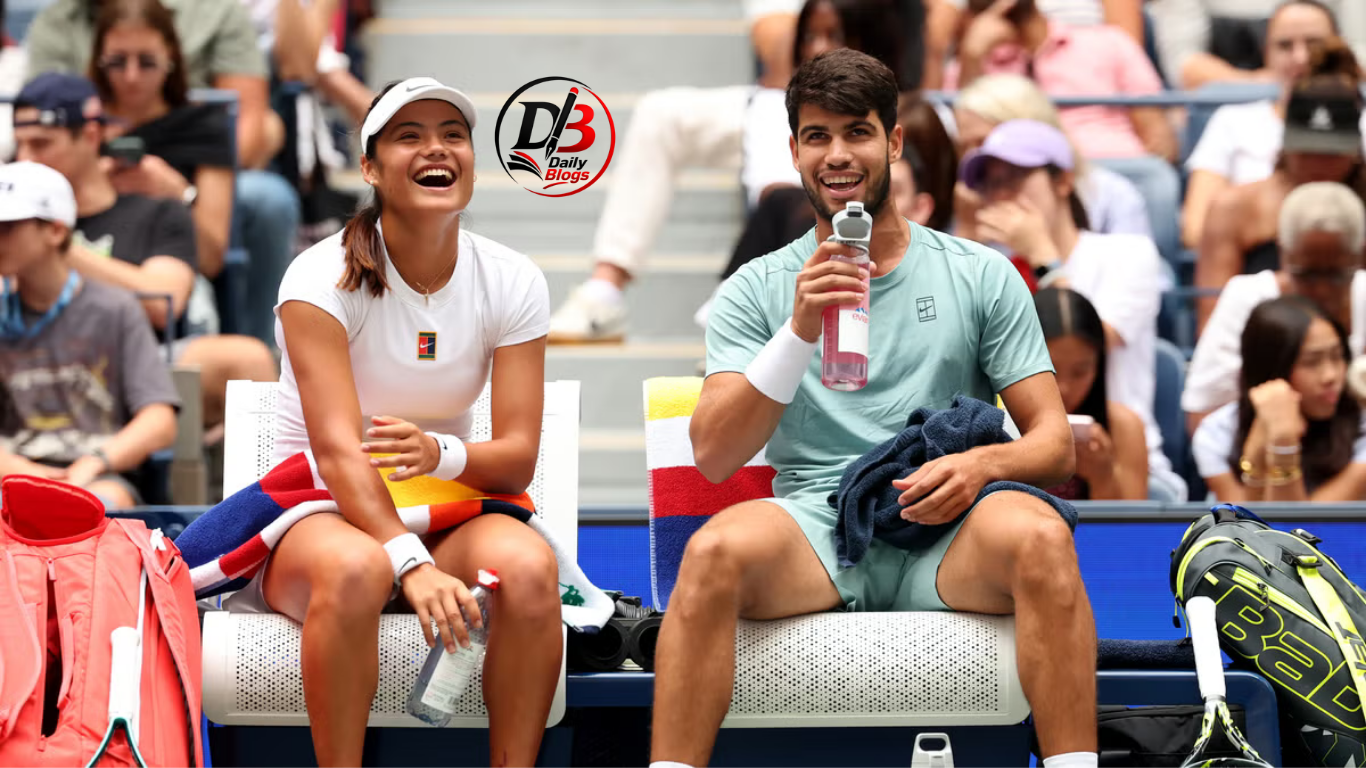

Few names in British sport spark as much curiosity as Emma Raducanu’s. Since her fairytale run to the 2021 US Open title, she has remained a fixture of front pages and sports bulletins alike, and one question keeps resurfacing among fans and casual observers: just how much is Emma Raducanu worth today?
The interest isn’t hard to understand. Raducanu became a global star almost overnight, aged just eighteen, after winning a Grand Slam as a qualifier — a feat no player, male or female, had achieved before. That single fortnight in New York reshaped her life, her bank balance and her public profile, and the ripple effects are still being felt years later.
What makes Raducanu’s story especially compelling is the contrast between her commercial standing and her on-court results since that breakthrough. Her career has included injuries, coaching changes and periods away from the tour, yet her earning power has remained remarkably resilient. This article looks at how Emma Raducanu built her fortune, what shaped her rise, and where her career and finances stand today.
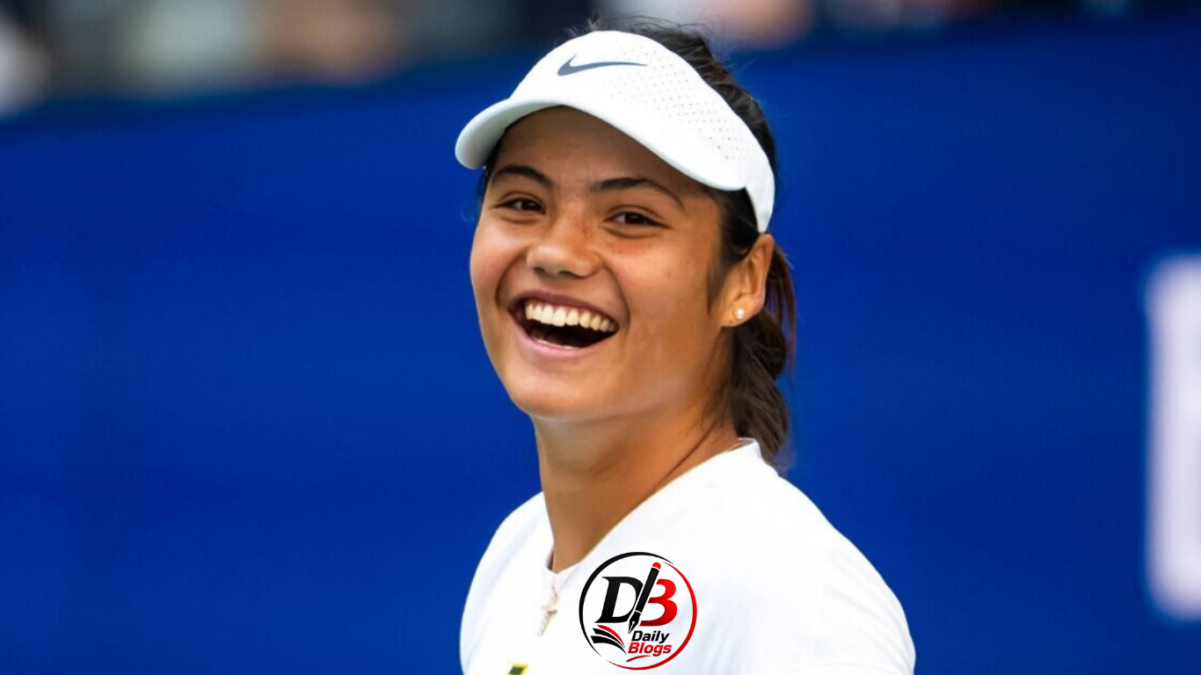
Early Life and Background
Emma Raducanu was born on 13 November 2002 in Toronto, Canada, to a Romanian father, Ian Raducanu, who worked in finance, and a Chinese mother, Renee Zhai, who worked in banking. The family relocated to England when Emma was two years old, settling in Bromley, on the southeastern edge of London, which she has called home ever since.
Raducanu was introduced to sport early, trying her hand at everything from motorsport to horse riding before tennis took hold. Her parents, keen on discipline and structure, encouraged a broad range of activities, and she has often credited them with instilling the work ethic that would later define her rise through the junior ranks.
She attended Newstead Wood School, a selective grammar school in Orpington, where she balanced her studies with an increasingly demanding training schedule. Raducanu achieved strong academic results, including in mathematics and economics, subjects she has said helped shape her analytical approach to the game. She turned to tennis full-time in her mid-teens, progressing through the junior circuit before making her senior breakthrough.
Career and Rise to Fame
Raducanu’s rise to prominence began in earnest at Wimbledon in 2021, where she received a wildcard into the main draw while still ranked outside the world’s top 300. She reached the fourth round on her Grand Slam debut, retiring from her match due to breathing difficulties, but the performance was enough to signal that a serious talent had arrived.
What followed a few months later was extraordinary. Raducanu qualified for the 2021 US Open and proceeded to win the tournament without dropping a single set across ten matches, defeating Leylah Fernandez in the final. She became the first qualifier in the Open era, male or female, to win a Grand Slam singles title, and the first British woman to win a major since Virginia Wade at Wimbledon in 1977.
The victory transformed Raducanu into a household name almost instantly. Brand partnerships followed at a pace rarely seen for a teenage athlete, and she was appointed MBE for services to tennis. Her career-high singles ranking reached the top ten in 2022, cementing her status as one of the sport’s most marketable young stars, even as she worked to translate that early success into consistent results on tour.
Personal Challenges or Turning Points
Raducanu’s post-US Open years have been shaped as much by setbacks as by success. She underwent surgery on both wrists and an ankle in late 2022 and early 2023, a run of procedures that sidelined her for extended periods and disrupted her momentum just as she was adjusting to life as a Grand Slam champion under intense scrutiny.
Coaching changes have also been a recurring theme. Raducanu has worked with a string of coaches since 2021, including Nick Cavaday, Vlado Platenik, Mark Petchey and Francisco Roig, reflecting an ongoing search for the right long-term setup. Commentators have frequently pointed to this instability as a factor in her inconsistent results, though Raducanu has spoken openly about wanting to find a partnership built for the long term.
More recently, illness disrupted parts of her 2026 season, forcing a withdrawal from at least one tournament and interrupting her build-up to the grass-court season. Despite these obstacles, she has shown flashes of the form that made her famous, including a run to the final at a WTA 500 grass-court event in the summer of 2026, her best result on the surface to date and a promising sign heading into Wimbledon.
Personal Life
Raducanu has kept her personal life largely private, rarely discussing relationships in public and firmly resisting speculation in the press. As of the time of writing, no relationship has been publicly confirmed by Raducanu herself, and she has no children.
She continues to live close to her family in Bromley and has spoken warmly in interviews about the role her parents play in supporting her career, including guiding decisions around her coaching team and business interests. Beyond that, Raducanu tends to keep the details of her home life away from the spotlight, a deliberate choice given the intense media attention she has faced since 2021.
Later Career and Current Activities
On court, Raducanu has continued competing across the WTA Tour in 2025 and 2026, with performances that have ranged from encouraging to frustrating. She has reached quarter-finals at WTA 1000 events, made a final at a smaller WTA 250 tournament in Romania, and represented Great Britain in the Billie Jean King Cup, where she has been a key contributor to the team’s results.
Off the court, her business interests operate through her private company, Harbour 6 Ltd, which manages her commercial affairs and has reported healthy profits driven largely by sponsorship income. Her endorsement portfolio has included major names such as Nike, Wilson, Dior, Tiffany & Co, Porsche, HSBC, Evian and British Airways, and she signed a new long-term partnership with Uniqlo as her clothing sponsor, continuing her position as one of British sport’s most sought-after commercial partners even during quieter periods on the scoreboard.
Raducanu has also used her platform for charitable and community work, including appearances supporting junior tennis initiatives and the wider growth of the sport in Britain. She remains the country’s top-ranked female singles player and a central figure in the LTA’s efforts to promote tennis to a new generation of fans.
Quick Bio
| Detail | Information |
| Full Name | Emma Raducanu MBE |
| Date of Birth | 13 November 2002 |
| Place of Birth | Toronto, Ontario, Canada |
| Nationality | British |
| Profession | Professional tennis player |
| Years Active | 2018–present |
| Known For | 2021 US Open singles champion |
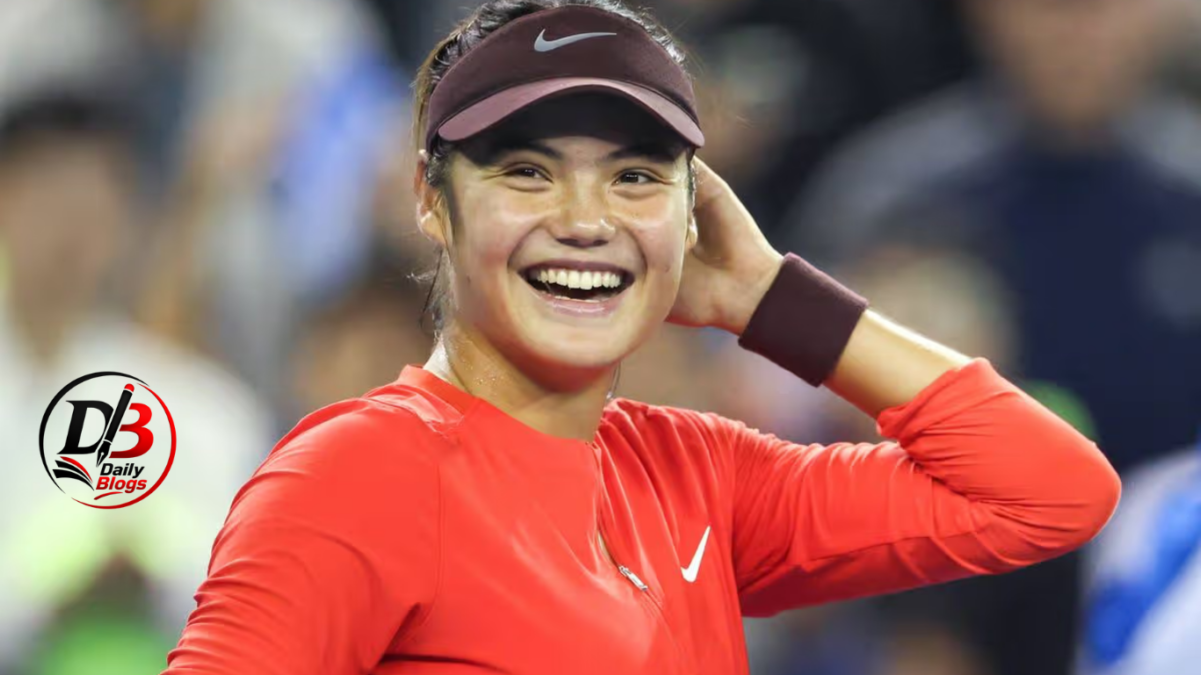
| Estimated Net Worth | Approximately $15 million (£13–13.5 million) as of 2026 |
Estimates of Emma Raducanu’s net worth vary between reputable sources, generally settling in the region of $15 million, with the bulk of this wealth generated through endorsements rather than prize money. Her career prize money sits at several million dollars, but off-court earnings — reported by outlets citing Forbes at roughly $12 million annually at their peak — have long outstripped her tournament winnings. As with most athlete valuations, exact figures aren’t independently verifiable, and readers should treat any precise total as an informed estimate rather than a confirmed sum.
Legacy and Lasting Impact
Whatever unfolds in the remainder of her career, Emma Raducanu has already secured a lasting place in British tennis history. Her 2021 US Open victory ended a 44-year wait for a British women’s Grand Slam singles champion and introduced a new audience to the sport, particularly among younger fans drawn to her story of rapid, unexpected success.
Her influence extends beyond results. Raducanu’s commercial appeal demonstrated to brands and broadcasters the value of a compelling athlete narrative, even in the absence of sustained ranking dominance, and her journey through injury, coaching changes and comebacks has offered a candid, relatable counterpoint to the polished image often associated with elite sport.
For aspiring players, her story carries a clear lesson: that talent and opportunity can combine in unpredictable ways, but that maintaining a career at the top requires resilience well beyond a single standout moment. Raducanu’s ongoing efforts to rebuild consistency on tour, following her whirlwind rise, continue to shape how she is perceived both on court and in the wider sporting conversation.
Conclusion
Emma Raducanu’s story remains one of the more unusual in modern sport — a teenager who achieved the extraordinary before she had fully established herself on tour, and who has spent the years since working to match that early promise with lasting consistency. Her net worth, built overwhelmingly on the commercial goodwill generated by one remarkable fortnight in New York, reflects just how far a compelling story can travel, even through injuries, setbacks and changes in form.