
Walk into any pharmacy or scroll through any wellness feed and you’ll struggle to avoid them: tubs of powder, chewable sachets, and glossy bottles all promising firmer skin, stronger joints, and healthier hair, all built around one ingredient — collagen. Collagen supplements have gone from a niche protein powder favoured by bodybuilders to one of the most talked-about products in the beauty and health industry.
Part of the appeal is simple biology. Collagen is the most abundant protein in the human body, and its natural production slows down as we age. That single fact has been enough to turn collagen supplements into a multi-billion-pound global market, with everyone from dermatologists to television presenters weighing in on whether they’re worth the money.
This article looks at what collagen supplements actually are, how the science behind them developed, the controversies that continue to follow them, and where the trend seems to be heading next.
What Are Collagen Supplements?
Collagen is a structural protein found throughout the body, particularly in skin, bones, tendons, ligaments and connective tissue. It acts a bit like scaffolding, giving tissue its strength and elasticity. The human body produces collagen naturally, but that production gradually declines from around the mid-twenties onwards, a process linked to visible signs of ageing such as fine lines and looser skin, as well as to joint stiffness.
Collagen supplements are typically made from animal sources — most commonly bovine (cow), porcine (pig), or marine (fish) collagen — which is broken down through a process called hydrolysis into smaller units known as collagen peptides. This hydrolysed form is easier for the body to absorb than collagen in its whole form, which is why most modern supplements are labelled “hydrolysed collagen” or “collagen peptides” rather than simply “collagen.”
There are also plant-based products marketed as “vegan collagen boosters.” These don’t contain actual collagen, since collagen is an animal protein, but instead include nutrients such as vitamin C, zinc and amino acids that support the body’s own collagen production.
How Collagen Supplements Rose to Popularity
Collagen itself isn’t new. It has been used in cosmetic and medical settings for decades, from wound dressings to injectable fillers. What changed more recently was the shift towards oral, ingestible forms aimed at the general public rather than specialists.
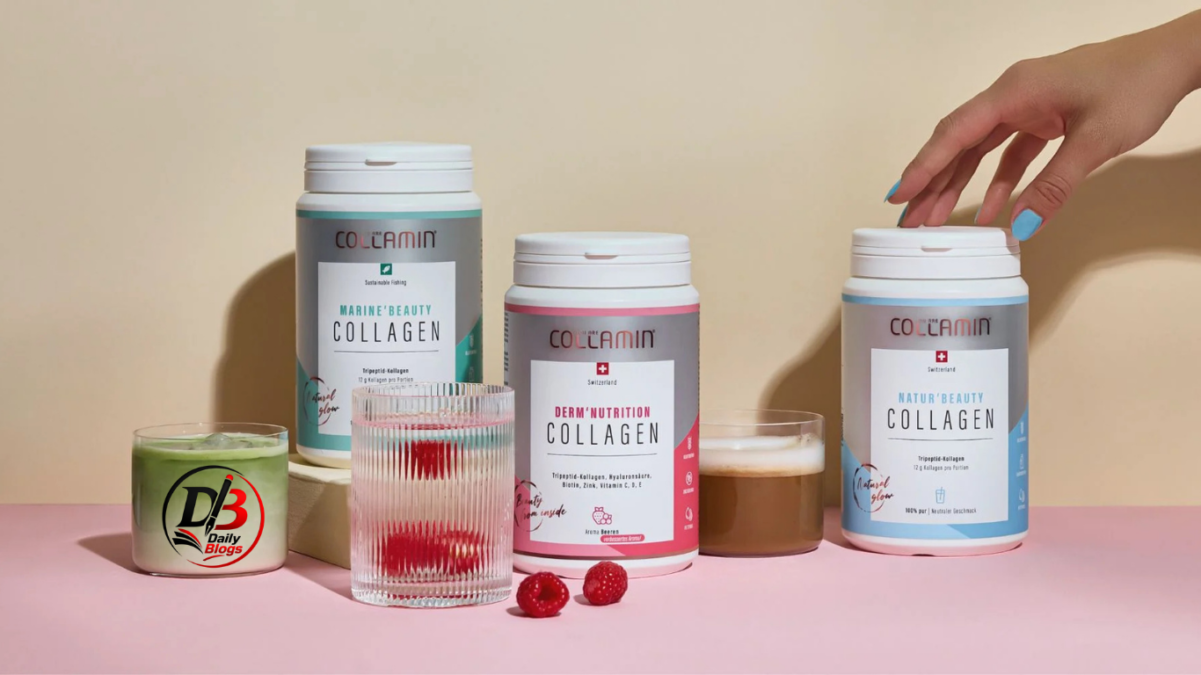
The turning point came in the 2010s, when wellness culture and social media collided. Influencers, nutritionists and celebrities began sharing their morning routines, and collagen powder stirred into coffee or smoothies became something of a visual shorthand for self-care. Brands capitalised on this, packaging collagen not as a clinical protein but as a lifestyle product, often flavoured, brightly packaged, and positioned alongside skincare rather than in the sports nutrition aisle.
Scientific interest grew alongside consumer demand. A number of clinical studies published from the mid-2010s onwards examined whether oral collagen supplementation could improve skin hydration, elasticity and the appearance of wrinkles, as well as support joint comfort in people with osteoarthritis. Results have been genuinely encouraging in several trials, though the research base is still considered moderate in size, and many of the studies have been funded by supplement manufacturers, which is something dermatologists and dietitians consistently flag when discussing the evidence.
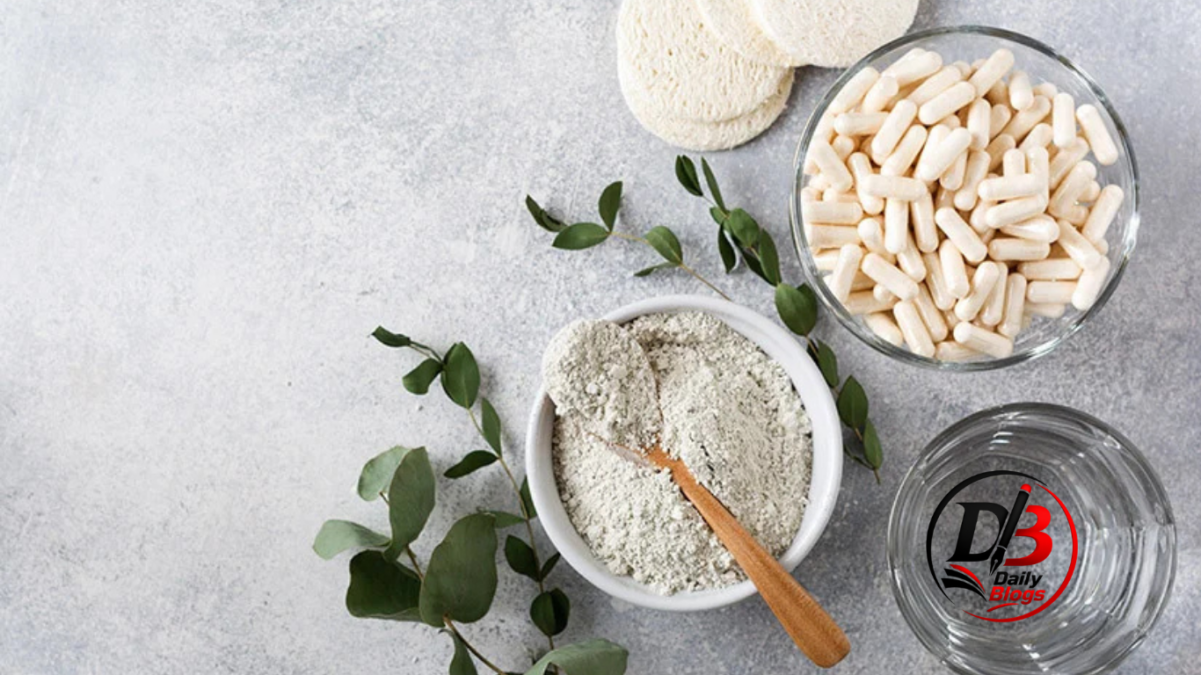
Today, collagen supplements are sold in powder, capsule, liquid and gummy form, and are marketed for an increasingly wide range of uses, including skin health, joint support, gut health, hair and nail strength, and even bone density.
Concerns and Controversies
As with most wellness trends, collagen supplements have not been free of criticism. The central scientific debate is straightforward: when you consume collagen, your digestive system breaks it down into amino acids and peptides, just as it would with any other protein. Some researchers argue there’s no guarantee the body then reassembles those building blocks specifically into new collagen in the skin or joints, rather than simply using them as general protein, the same as it would with a piece of chicken or a scoop of whey.
Supporters of collagen supplementation point to studies showing that certain collagen peptides appear to signal the body to produce more of its own collagen, a process sometimes referred to as biostimulation. This remains an active area of research, and the honest answer is that the science, while promising, is not yet fully settled.
There are also practical concerns. Collagen supplements are not vegetarian or vegan, since they’re derived from animal connective tissue, cartilage, bone or fish skin, which surprises some buyers who associate “supplement” with “plant-based.” Sourcing matters too, and consumers are increasingly asking where the collagen comes from and how animals were raised, particularly with bovine and marine sources.
Regulatory oversight is another point of caution. In the UK, supplements are regulated as food products rather than medicines, meaning manufacturers can make general health claims but cannot claim to treat or cure specific medical conditions. No reliable public evidence currently confirms that collagen supplements can reverse ageing or cure joint disease, and readers should treat any brand claiming otherwise with scepticism.
Who Actually Uses Collagen Supplements
Collagen supplements have broadened well beyond the wellness-influencer crowd. Common users include people in their thirties and forties looking to support skin elasticity as natural collagen production declines, older adults managing joint stiffness, athletes and active people supporting recovery and connective tissue health, and people recovering from certain injuries or surgeries under medical guidance.
Dietitians generally advise that collagen supplements should complement, not replace, a balanced diet rich in protein, vitamin C, zinc and copper, all of which support the body’s own collagen synthesis. Foods such as citrus fruit, leafy greens, eggs, and bone broth are often mentioned alongside supplementation as part of a holistic approach.
As with any supplement, people with allergies, particularly to fish or shellfish in the case of marine collagen, are advised to check labels carefully, and pregnant or breastfeeding women, along with anyone on medication, are generally encouraged to consult a healthcare professional before starting a new supplement.
Current Trends and Where the Market Is Heading
The collagen supplement market shows little sign of slowing down. Recent years have seen a shift towards “beauty from within” product lines that combine collagen with other actives such as hyaluronic acid, biotin and antioxidants, sold as all-in-one skin and hair support.
There’s also been growing interest in sustainability and traceability, with brands highlighting marine collagen sourced from fish by-products as a way of reducing waste, and others exploring lab-grown or bioengineered collagen as an alternative to animal-derived sources. This emerging category, sometimes called “vegan collagen” in the truest sense, uses genetically engineered yeast or bacteria to produce collagen proteins without animal involvement, and is being watched closely by both scientists and ethical consumers.
Personalisation is another growing theme, with some companies now offering supplement blends tailored to specific concerns, whether that’s joint support for active adults or skin-focused formulas for those in their forties and beyond.
Quick Facts
| Detail | Information |
| What It Is | A structural protein supplement, usually hydrolysed collagen peptides |
| Common Sources | Bovine, porcine, marine (fish), or bioengineered/vegan alternatives |
| Popular Forms | Powder, capsules, liquid, gummies |
| Main Claimed Benefits | Skin elasticity, joint comfort, hair and nail strength |
| Regulatory Status (UK) | Regulated as a food supplement, not a medicine |
| Scientific Consensus | Promising but limited; more independent research needed |
| Typical Users | Adults aged 30+, athletes, older adults with joint concerns |
| Market Trend | Growing, with rising interest in sustainable and lab-grown sources |
Why Collagen Supplements Remain Relevant
What keeps collagen supplements in the public conversation isn’t just clever marketing, it’s that they sit at the intersection of two things people care deeply about: how they look and how they feel physically as they age. That combination has proven remarkably durable as a wellness trend, even as individual product brands rise and fall.
The lasting impact of the collagen supplement boom is arguably less about the ingredient itself and more about what it represents, a broader shift towards preventative, ingestible approaches to skincare and joint health, rather than relying solely on topical products or waiting until problems become severe. Whether or not every claim holds up to rigorous scientific scrutiny, collagen supplements have undeniably changed how many people think about ageing, protein intake and self-care.
Conclusion
Collagen supplements sit in that interesting space between genuine science and enthusiastic marketing. The underlying biology, that collagen production declines with age and that this affects skin and joints, is well established. What remains less certain is exactly how much oral supplementation can influence that process, and how much of the appeal is physiological versus psychological. For now, the most sensible approach is an informed one: understanding what collagen supplements can realistically offer, checking the evidence behind specific products, and treating them as one small part of a wider approach to health rather than a miracle fix.