
Conch piercings have quietly become one of the most requested ear piercings in modern body art, and much of their appeal comes down to one thing: the jewellery. Sitting in the wide, shell-shaped cartilage in the centre of the ear, a conch piercing offers a generous canvas for statement rings, studs and sculptural designs that few other piercings can match. Whether you already have one or are simply curious about what the fuss is about, understanding conch piercing jewelry is the key to getting the look right and keeping your ear healthy along the way.
Part of the reason this piercing has stayed popular is its versatility. A conch can be dressed up with a delicate stud for everyday wear or transformed with a bold hoop that wraps dramatically around the ear. Celebrities, piercing studios and jewellery designers have all played a part in pushing conch piercing jewelry into the mainstream, turning what was once a niche choice into a genuine style staple.
This guide walks through where the conch piercing gets its name, the different types of jewellery suited to it, how healing works, and what to consider before booking an appointment. The aim is simple: to give you a clear, honest picture so you can make an informed decision, free from exaggeration or gimmicky trends.
Where the Conch Piercing Gets Its Name
The conch piercing takes its name from the conch shell, thanks to the way the central cartilage of the ear curves inward much like the inside of a seashell. Anatomically, this area is known as the concha, and it’s a thicker, more stable piece of cartilage than many other parts of the ear, which is one reason piercers often recommend it to first-timers exploring cartilage work.
There are two main variations: the inner conch, positioned closer to the ear canal, and the outer conch, sitting slightly further out towards the rim. Each placement suits different jewellery styles, and a skilled piercer will usually assess your ear’s natural shape before recommending one over the other.
Conch piercings aren’t a recent invention. Cartilage piercings have appeared across various cultures for centuries, though the conch specifically gained wider popularity in Western fashion and piercing studios from the 1990s onwards, as body piercing moved from subculture into mainstream style.
Types of Conch Piercing Jewelry
Studs and Labret Style
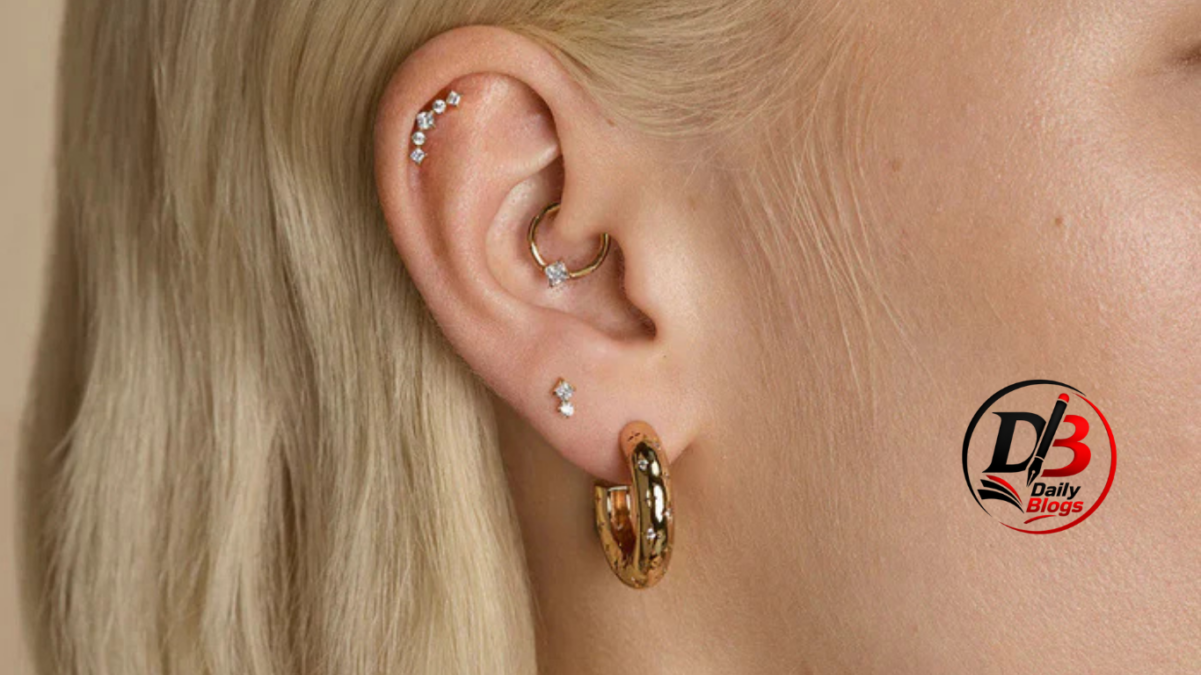
For a fresh conch piercing, most reputable piercers recommend starting with a flat-back labret stud rather than a ring. This style sits flush against the ear, reduces the risk of snagging on clothing or hair, and allows swelling to settle without added pressure. Labret studs come in a huge range of finishes, from simple ball ends to gemstone-topped designs, making them a practical and stylish starting point.
Hoops and Clickers
Once a conch piercing has fully healed, many people switch to hoops, which tend to be the jewellery style most associated with conch piercings in popular culture. Seamless rings, segment rings and hinged clickers all work well, with clicker hoops in particular offering an easy-to-open mechanism alongside a polished, jewellery-like finish. Hoops can range from slim and understated to wide statement pieces, depending on personal taste.
Cartilage Cuffs and Custom Designs
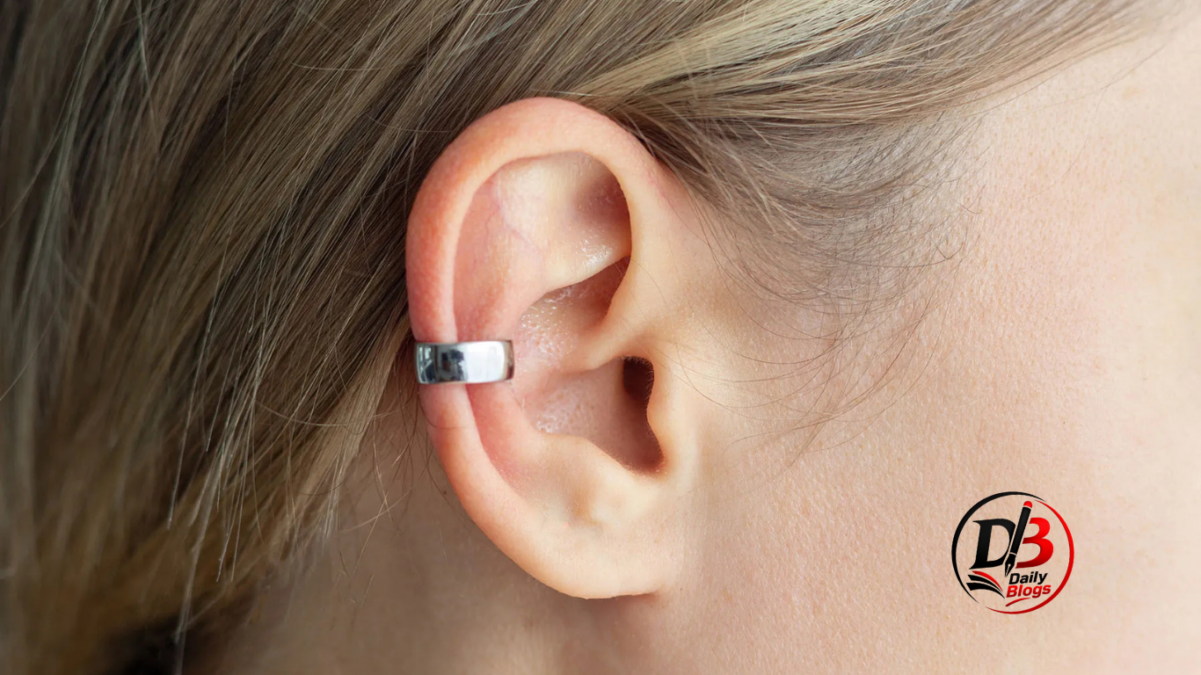
For those wanting something distinctive, cartilage cuffs, faux-piercing wraps and custom-engraved studs have grown in popularity. These designs allow more creative freedom, particularly for people who want their conch jewellery to complement other ear piercings as part of a curated “ear stack.”
Choosing the Right Material
Material choice matters just as much as style when it comes to conch piercing jewelry, particularly during the healing period. Reputable piercers generally recommend:
- Titanium – lightweight, highly biocompatible and a good choice for sensitive skin.
- Surgical steel (implant grade) – durable and widely used, though less suitable for those with nickel sensitivities.
- Solid gold (14k or higher) – suitable once healed, offering a premium finish for long-term wear.
- Niobium – another hypoallergenic option, similar in benefits to titanium.
Avoid low-quality alloys, gold-plated jewellery or costume pieces for a new piercing, as these can irritate the skin and slow healing considerably.
Healing Time and Aftercare
Conch piercings typically take between six months and a year to heal fully, though this varies from person to person. Because cartilage has a limited blood supply compared to soft tissue, patience is essential, and swapping jewellery too early is one of the most common causes of complications.
Standard aftercare advice includes:
- Cleaning the area with a saline solution, generally twice a day.
- Avoiding unnecessary touching, twisting or rotating of the jewellery.
- Steering clear of swimming pools, lakes and hot tubs until fully healed.
- Sleeping carefully to avoid pressure on the piercing, sometimes with a travel pillow with a cut-out centre.
- Avoiding makeup, hair products and perfumes near the piercing site.
Any signs of prolonged redness, unusual discharge or persistent pain should be checked by a professional piercer or medical practitioner, as these could indicate infection or an allergic reaction rather than normal healing.
Styling Conch Piercing Jewelry
One of the biggest appeals of conch piercing jewelry is how well it works alongside other ear piercings. Many people build up what’s often called a “curated ear,” combining a conch piece with helix studs, lobe piercings and tragus jewellery for a layered, personalised look.
For a subtle everyday style, a small stud with a single gemstone tends to work best. For those wanting something more eye-catching, a medium hoop draws attention to the shape of the ear itself, often becoming the centrepiece of the whole arrangement. Mixing metals, such as pairing gold hoops with silver studs elsewhere, has also become an accepted and popular styling choice, moving away from the old “match everything” rule.
Cost and Where to Get It Done
Prices for conch piercings vary depending on location, studio reputation and the jewellery chosen. In general, expect to pay a professional piercing fee plus the cost of jewellery, with quality titanium or gold pieces typically costing more than basic surgical steel starter studs. It’s worth prioritising a licensed, experienced piercer over the cheapest available option, since correct placement and sterile technique significantly reduce the risk of complications.
Quick Reference: Conch Piercing Jewelry at a Glance
| Detail | Information |
| Piercing Name | Conch Piercing |
| Location | Central cartilage of the ear |
| Common Jewellery | Labret studs, hoops, clickers, cartilage cuffs |
| Recommended Starter Jewellery | Flat-back titanium or surgical steel stud |
| Typical Healing Time | 6–12 months |
| Best Materials | Titanium, implant-grade steel, niobium, solid gold |
| Popular Styling | Paired with helix, tragus or lobe piercings |
Why Conch Piercing Jewelry Remains Popular
The lasting popularity of conch piercing jewelry comes down to its flexibility. It works as a subtle addition to an existing ear piercing collection or as a standalone statement, and the wide surface area of the conch means jewellery designers have far more room to experiment with shape and design than with smaller piercings.
It has also benefited from a broader cultural shift towards individualised, mix-and-match jewellery styles rather than matching sets, giving people more freedom to express their own taste. As piercing studios continue to refine techniques and jewellery brands expand their cartilage-specific collections, conch piercings look set to remain a mainstay rather than a passing trend.
Conclusion
Conch piercing jewelry offers a rare combination of versatility, visual impact and long-term wearability, provided it’s approached with the right care and realistic expectations. From a simple titanium stud during healing to an elegant gold hoop once settled, the options allow for genuine personal expression without demanding constant upkeep.