
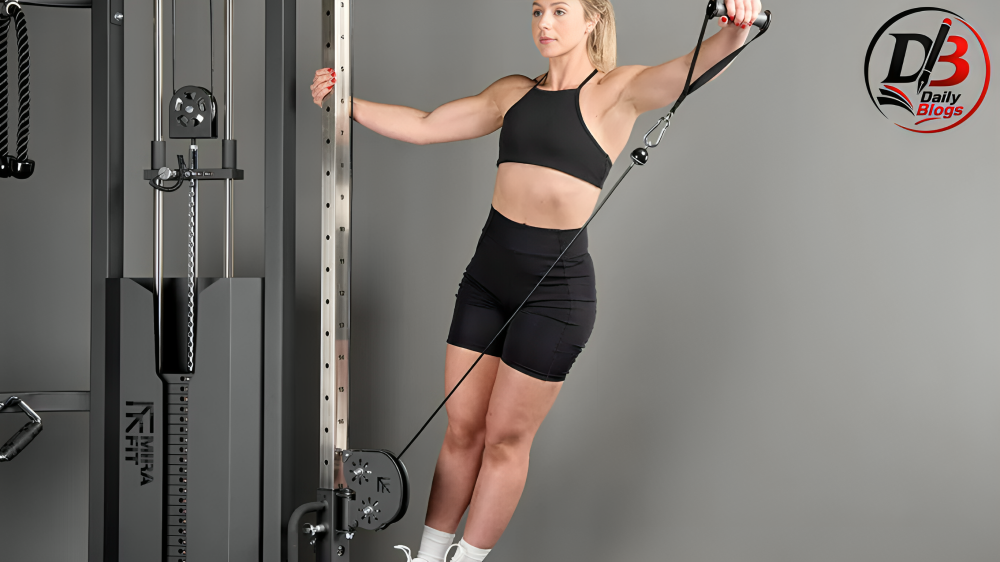
Cable shoulder workouts have become a staple for fitness enthusiasts seeking balanced, impressive deltoids. Unlike free weights, cables provide continuous tension throughout the full range of motion, making them highly effective for muscle growth, shoulder stability, and injury prevention. Whether you’re a gym regular aiming for broader shoulders or someone recovering from imbalances, incorporating cable exercises can transform your upper body development.
In this comprehensive guide, we explore why cable shoulder workouts deliver superior results, the best exercises to target all three deltoid heads, and how to programme them effectively. With proper form and consistency, you’ll notice improved strength, posture, and that coveted capped-shoulder look.
Why Choose Cable Shoulder Workouts?
Cable machines stand out because they maintain resistance at every point of the movement, unlike dumbbells where tension drops at certain angles. This constant load promotes better muscle activation, particularly in the deltoids (anterior, lateral, and posterior heads), while also engaging the rotator cuff for joint health.
They are joint-friendly, allowing smooth, controlled motions that reduce momentum cheating. Cables also enable unilateral training, helping correct muscle imbalances that many develop from dominant-side overuse. Gym-goers of all levels appreciate the versatility—adjustable pulleys let you hit angles difficult to replicate with barbells or dumbbells.
Shoulder Anatomy: Understanding What You’re Training
To maximise a cable shoulder workout, it’s helpful to know the target muscles. The deltoids form the rounded shape of the shoulder:
- Anterior deltoids (front): Responsible for shoulder flexion, like raising arms forward.
- Lateral deltoids (side): Create width and the “capped” look through abduction.
- Posterior deltoids (rear): Handle extension and external rotation, crucial for posture and balanced development.
Supporting muscles include the trapezius, rotator cuff group, and upper back. A well-rounded cable routine addresses all areas to avoid imbalances that can lead to pain or poor posture.
Best Cable Shoulder Exercises for Balanced Development
Here are some of the most effective cable exercises, with step-by-step guidance.
Cable Lateral Raises
This isolation move is excellent for lateral deltoids, building shoulder width.
Stand sideways to the cable machine with the pulley at the lowest setting. Grip the handle with the far hand, palm facing in. Keep a slight bend in your elbow and raise your arm out to the side until it reaches shoulder height. Pause briefly at the top, then lower slowly. Perform 3–4 sets of 10–15 reps per side. Focus on controlled movement to keep tension on the side delts.
Cable Front Raises
Target the anterior deltoids effectively with this exercise.
Use a low pulley and face away or stand with the cable between your legs. Grip with one or both hands and raise straight in front to shoulder level. Avoid swinging—keep your core engaged. Variations include single-arm or using a rope attachment. Aim for 3 sets of 10–12 reps.
Cable Shoulder Press
A compound movement that builds overall strength and size.
Set the pulley low or use dual cables. Grip handles at shoulder height and press overhead, extending your arms fully without locking elbows. Lower with control. This mimics a traditional overhead press but with smoother resistance. Do 3–4 sets of 8–12 reps.
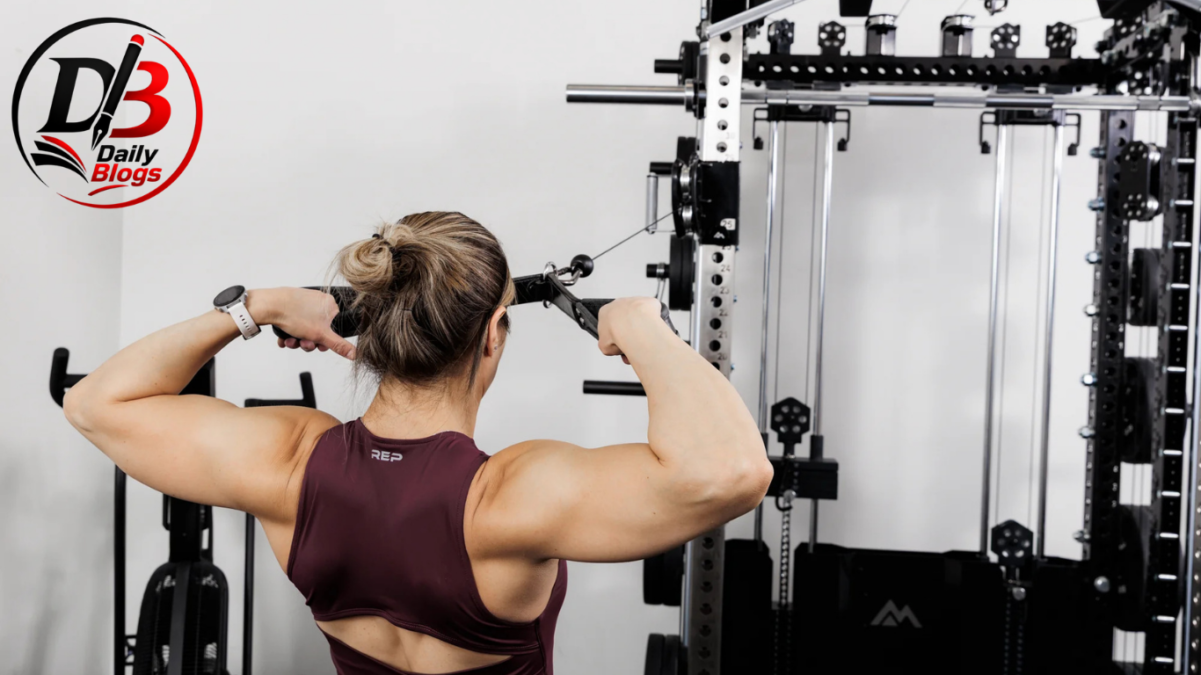
Cable Face Pulls
Essential for rear deltoids and upper back health, improving posture.
Attach a rope to a high pulley. Pull towards your face, leading with your elbows and squeezing your shoulder blades. Keep your upper arms parallel to the floor. This also strengthens external rotators. Perform 3–4 sets of 12–15 reps.
Cable Upright Rows
These hit the traps and lateral deltoids.
Use a straight bar or rope on a low pulley. Pull the bar towards your chin, leading with your elbows. Keep it close to your body and stop when your hands reach chest level to avoid shoulder impingement. 3 sets of 10 reps work well.
Cable Rear Delt Flyes or Reverse Flyes
Stand facing the machine with high pulleys or use crossover setup. Pull handles out and back in a fly motion, focusing on rear delts. Great for posture and balance.
Sample Cable Shoulder Workout Routines
Beginner Routine (30–40 minutes):
- Cable Shoulder Press: 3 sets of 10–12 reps
- Cable Lateral Raises: 3 sets of 12–15 reps per side
- Cable Front Raises: 3 sets of 12 reps
- Cable Face Pulls: 3 sets of 15 reps Rest 60–90 seconds between sets.
Intermediate/Advanced Routine:
- Cable Upright Row: 4 sets of 8–10 reps
- Single-Arm Cable Lateral Raise: 4 sets of 10–12 reps per side
- Cable Stretch Front Raise: 3 sets of 10 reps
- Cable Rear Delt Fly: 4 sets of 12–15 reps
- Cable External Rotations: 3 sets of 15 reps per side
Train shoulders 1–2 times per week, allowing recovery. Pair with a balanced programme that includes pushing and pulling movements.
Benefits of Cable Shoulder Workouts
Beyond aesthetics, cable training enhances functional strength for daily activities and sports. The adjustable resistance suits progressive overload, key for muscle growth (hypertrophy). Many find cables reduce joint stress compared to heavy free weights, making them ideal for rehabilitation or long-term training.
They also improve mind-muscle connection due to the constant tension, leading to better activation and results over time.
Common Mistakes and How to Avoid Them
- Using too much weight: This leads to momentum and poor form. Prioritise control.
- Neglecting rear delts: Many overtrain front and side heads, causing imbalances—always include face pulls or reverse flies.
- Incorrect pulley height: Experiment to find the angle that maximises tension on the target muscle.
- Locking elbows or shrugging: Keep movements smooth and shoulders down.
Warm up thoroughly with light sets or dynamic stretches. Consult a professional if you have pre-existing shoulder issues.
Nutrition and Recovery for Shoulder Gains
Support your cable shoulder workouts with adequate protein (1.6–2.2g per kg of body weight), calories for growth, and micronutrients like vitamin D and omega-3s for joint health. Prioritise sleep, mobility work, and perhaps foam rolling to aid recovery.
Quick Bio: Cable Shoulder Training Essentials
| Detail | Information |
| Focus Area | Deltoids (all three heads) and rotator cuff |
| Equipment Needed | Cable machine with adjustable pulleys, various attachments (handles, rope, bar) |
| Best For | Hypertrophy, strength, stability, and posture correction |
| Training Frequency | 1–2 times per week |
| Typical Session Length | 30–50 minutes |
| Key Benefit | Constant tension for superior muscle activation |
Legacy and Lasting Impact of Cable Training
Cable machines have revolutionised modern gym training by offering versatility that free weights alone cannot match. Their integration into shoulder programmes has helped countless athletes and enthusiasts achieve symmetrical, strong shoulders while minimising injury risk. The principles of constant tension and variable angles continue to influence training methodologies across fitness levels.
Conclusion
A well-structured cable shoulder workout offers an efficient path to stronger, more defined shoulders. By targeting all deltoid heads with precision and maintaining proper form, you can build impressive upper body aesthetics and functional strength that supports long-term health.
What do you find most interesting about cable shoulder workout Share your thoughts in the comments below. If you enjoyed this article, consider sharing it with others who appreciate effective training strategies and remarkable physical transformations.