
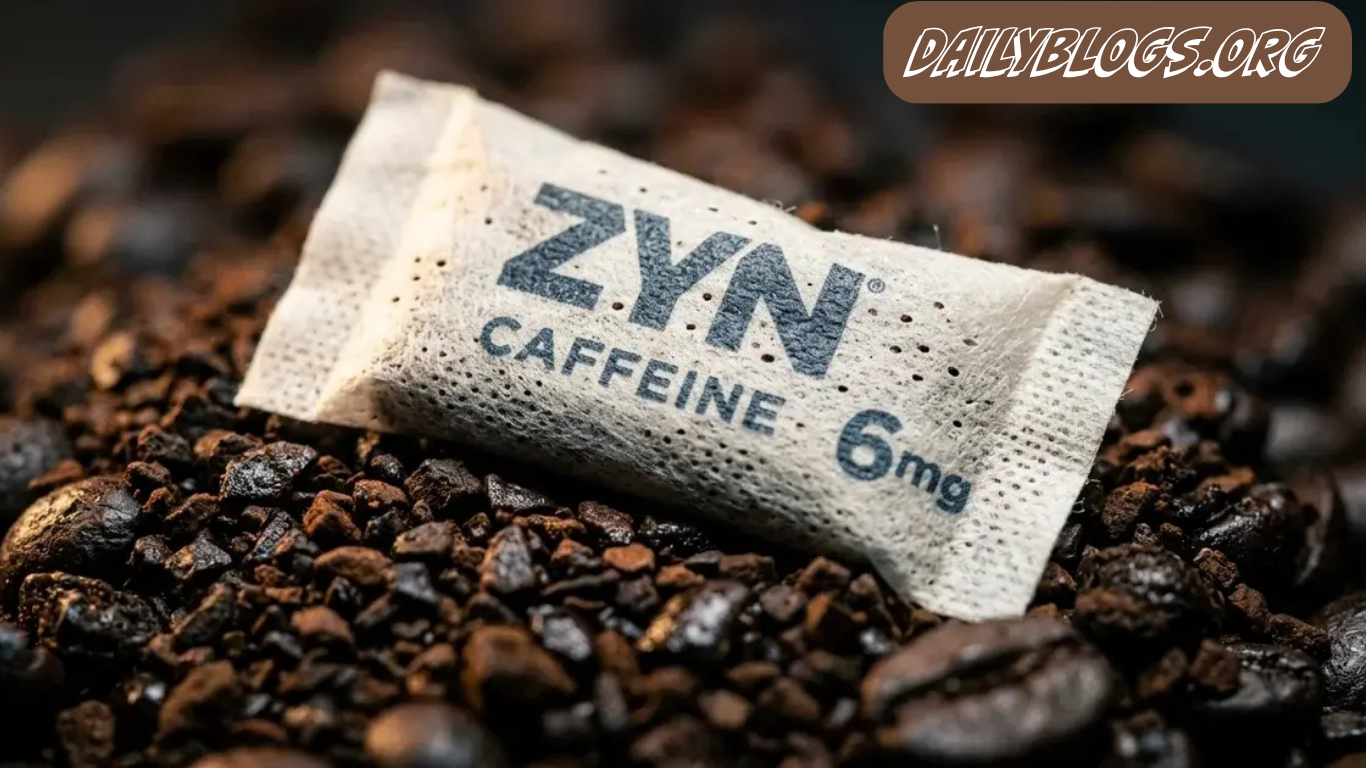
Caffeine pouches are a relatively new way to consume caffeine without drinking coffee, tea or an energy drink. Small, discreet and usually nicotine-free, they are placed between the upper lip and gum, where caffeine is released gradually into the mouth.
Their popularity has grown among people looking for a convenient energy boost during work, study, travel or exercise. However, the format also raises questions about caffeine strength, side effects and whether these products are suitable for everyone. Because long-term research remains limited, understanding the benefits and risks is essential before trying them.
What Are Caffeine Pouches?
Caffeine pouches are small oral sachets containing caffeine, flavourings, sweeteners and a plant-based or cellulose material. Unlike nicotine pouches, they do not contain tobacco or nicotine. Users normally place one under the upper lip for a set period before removing and discarding it.
The caffeine is absorbed through the lining of the mouth, although the exact speed and amount absorbed can vary between products and individuals. The experience is designed to be more discreet than drinking coffee or opening an energy drink, which is one reason the products have attracted attention.
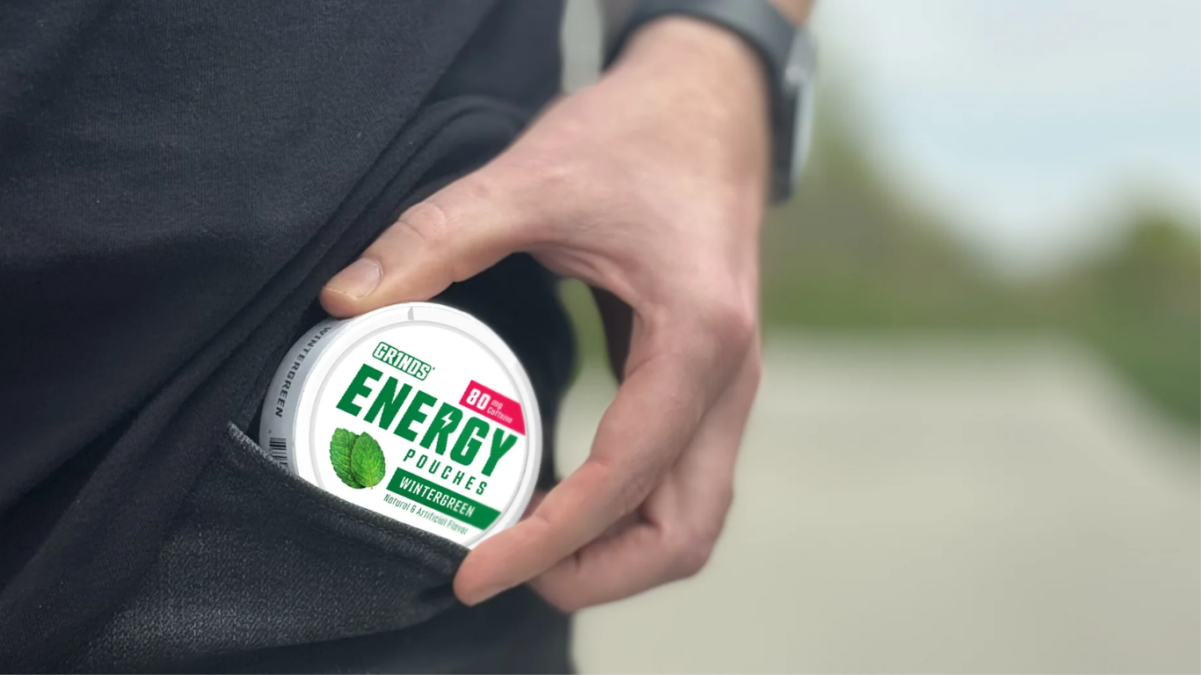
Strength differs considerably. Some caffeine pouches contain around 50 mg per pouch, while others contain 80 mg, 96 mg, 100 mg or more. Products with 200 mg have also been reported, making it important to read the packaging carefully rather than assuming that every pouch provides a mild dose.
Caffeine pouches are sometimes marketed as “energy pouches”, “focus pouches” or nicotine-free alternatives to traditional oral pouches. These terms can describe similar products, but ingredients and caffeine levels should always be checked individually.
How Do Caffeine Pouches Work?
Caffeine is a stimulant that affects the central nervous system. It can temporarily increase alertness and reduce the feeling of tiredness, which explains its widespread use in coffee, tea, soft drinks, chocolate and energy products.
When a caffeine pouch is placed under the lip, its ingredients mix with saliva. Some caffeine may then pass through the tissues in the mouth, while the remainder may be swallowed. The precise experience depends on the product’s formulation, how long it is used and the person’s tolerance.
The attraction is largely practical. A pouch does not require hot water, a café, a bottle or a trip to the vending machine. It can also be used without drawing much attention, although users should follow the manufacturer’s instructions and avoid treating it as a harmless confectionery product.
Typical Caffeine Content
A pouch containing 50 mg of caffeine may be comparable to a modest cup of tea, while a 100 mg pouch can approach the caffeine content of a standard coffee. The comparison depends on the drink, brewing method and serving size, but it illustrates why the strength of each pouch matters.
Some products combine caffeine with ingredients such as B vitamins, citicoline or flavourings. These additions do not necessarily make the product safer or more effective, and consumers should not assume that a longer ingredient list means a stronger benefit.
Why Are Caffeine Pouches Becoming Popular?
Convenience is the main reason people try caffeine pouches. They are compact, portable and do not require preparation. For commuters, students, shift workers and travellers, this can make them appealing when a traditional caffeinated drink is inconvenient.
The products may also suit people who want to avoid liquid, sugar or the taste of coffee. Many are sugar-free and available in flavours such as mint, citrus, coffee, berry or energy drink. That said, sugar-free does not mean caffeine-free, and the stimulant dose remains the most important factor.
Another attraction is discretion. A user can carry a small tin in a pocket or bag and consume a pouch without pouring a drink or opening a can. This convenience may encourage people to use caffeine more frequently, however, particularly if they do not keep track of their total daily intake.
Caffeine pouches are also appearing in online discussions about studying, gaming, fitness and productivity. Their visibility on social media has helped introduce them to younger audiences, a development that health professionals view with caution because adolescents may be more vulnerable to excessive caffeine consumption.
Are Caffeine Pouches Safe?
For many healthy adults, moderate caffeine consumption is generally considered safe. The British Heart Foundation reports that up to 400 mg of caffeine per day is generally regarded as safe for most adults, equivalent to roughly four or five cups of tea or coffee.
That figure applies to total caffeine from all sources, not simply the number of pouches used. A person taking a 100 mg pouch alongside coffee, tea, cola, chocolate or an energy drink can reach a high intake more quickly than expected.
Possible effects of too much caffeine include:
- Restlessness, nervousness or irritability.
- A faster heartbeat or palpitations.
- Headaches and nausea.
- Stomach discomfort.
- Difficulty falling asleep or poor-quality sleep.
- Increased anxiety in people who are sensitive to caffeine.
- Withdrawal symptoms such as tiredness and headaches after regular heavy use.
Caffeine can temporarily raise blood pressure, although its effects vary between individuals. People with heart conditions, high blood pressure, anxiety disorders, sleep problems or sensitivity to stimulants should seek advice from a healthcare professional before using high-caffeine products.
The oral format may introduce additional concerns, including gum discomfort, mouth irritation or soreness. Evidence about the long-term effects of caffeine pouches is still limited, so the absence of nicotine should not be interpreted as proof that frequent use is risk-free.
Who Should Avoid Them?
Caffeine pouches are not suitable for everyone. Children and teenagers should avoid high-caffeine products unless advised otherwise by a qualified healthcare professional. A single strong pouch may contain more caffeine than a younger person should consume in a day, particularly if it is combined with energy drinks or coffee.
Pregnant people should discuss caffeine intake with a midwife or doctor and follow current medical guidance. People taking medicines or managing a medical condition should also check whether caffeine is appropriate for them.
Anyone who experiences chest pain, severe palpitations, fainting, confusion, vomiting or other serious symptoms after consuming caffeine should seek urgent medical assistance. These symptoms should not be dismissed as an ordinary energy boost.
How to Use Caffeine Pouches Responsibly
The safest approach is to treat caffeine pouches as a concentrated caffeinated product rather than as a casual snack. Start by checking the exact amount per pouch and consider how much caffeine has already been consumed that day.
Useful precautions include:
- Follow the product’s serving instructions.
- Do not combine several strong pouches without calculating the total caffeine.
- Avoid using them late in the day if caffeine affects sleep.
- Do not share pouches or reuse them.
- Stop if the mouth becomes sore or irritated.
- Keep tins away from children and pets.
- Buy products with clear ingredient and caffeine information.
- Avoid relying on pouches to compensate for persistent lack of sleep.
A simple example shows how quickly intake can rise. Two 100 mg pouches, two coffees and several cups of tea could bring someone close to or above the commonly cited 400 mg daily amount, depending on the strength of the drinks.
Caffeine Pouches Compared with Coffee and Energy Drinks
The main difference is the delivery format. Coffee and tea provide caffeine in a drink, while caffeine pouches offer a small, portable oral product. Energy drinks may contain caffeine alongside sugar, acids and other ingredients, whereas many pouches are sugar-free.
| Product | Main advantage | Main consideration |
| Caffeine pouch | Portable and discreet | Strength can be high and long-term research is limited |
| Coffee | Familiar and widely available | Serving sizes and caffeine levels vary |
| Tea | Often lower in caffeine than coffee | Several cups can still add up |
| Energy drink | Convenient and ready to consume | May contain caffeine, sugar and other stimulants |
No format automatically makes caffeine safe. The dose, frequency, individual sensitivity and total daily intake matter more than whether caffeine comes from a cup, can or pouch.
The Importance of Product Labelling
Clear labelling is especially important because caffeine pouches are sold in a wide range of strengths. Consumers should look for the caffeine amount per pouch, recommended serving size, full ingredient list and relevant age guidance.
Packaging can use terms such as “focus”, “energy” or “performance”, but these descriptions are marketing language rather than a guarantee of a particular result. Claims about concentration or productivity should be viewed carefully, especially when they are not supported by independent evidence.
There is also a difference between a product being nicotine-free and being harmless. Removing nicotine eliminates nicotine-related exposure, but caffeine remains a pharmacologically active stimulant. In addition, flavourings, sweeteners and other ingredients may affect people differently.
What Does the Research Say?
Research specifically examining caffeine pouches is still emerging. Existing knowledge about caffeine provides a useful basis for understanding likely effects, but it cannot answer every question about repeated use of this particular delivery system.
Important areas for further study include how quickly caffeine is absorbed through the mouth, whether oral exposure affects gum health over time, how accurately products match their labels and how use patterns develop among teenagers and young adults.
Until stronger evidence becomes available, caution is sensible. Choosing lower-strength products, limiting frequency and tracking caffeine from every source are more responsible than assuming that a discreet product carries no meaningful risk.
Later Developments and Current Interest
Caffeine pouches remain part of a wider market for nicotine-free oral products. Retailers have introduced flavours and strengths aimed at different preferences, including mint-based products, coffee-inspired options and formulations promoted for concentration.
Their appeal reflects a broader shift towards portable functional products. Consumers increasingly look for compact ways to manage energy, focus and daily routines, while businesses continue experimenting with formats that fit around work, study and exercise.
However, popularity should not be confused with established safety. The market is developing faster than the scientific evidence, which makes transparent labelling and responsible use particularly important.
Quick Guide
| Detail | Information |
| Product name | Caffeine pouches |
| Main active ingredient | Caffeine |
| Nicotine content | Usually 0 mg in products marketed as nicotine-free |
| Tobacco content | None in nicotine-free caffeine pouches |
| Typical strength | Often about 50–100 mg per pouch, although stronger products exist |
| Common format | Small pouch placed beneath the upper lip |
| Common uses | Alertness, convenience and short-term stimulation |
| General adult guidance | Keep total caffeine intake within recommended limits |
| Main concerns | Excessive intake, sleep disruption, anxiety and mouth irritation |
| Long-term evidence | Limited for caffeine pouches specifically |
Legacy and Lasting Impact
Caffeine pouches are too new to have a conventional legacy, but they are already influencing how people think about everyday stimulants. Their rise shows that caffeine consumption is moving beyond familiar drinks and into discreet, highly portable formats.
They also highlight an important lesson about consumer products: convenience can make dose awareness more important, not less. A pouch may be small, but its caffeine content can equal a substantial drink, and repeated use can quickly increase total intake.
The most balanced public view is neither automatic alarm nor uncritical enthusiasm. Caffeine pouches may be convenient for some adults when used carefully, but they are not appropriate for children and may present avoidable risks for people with certain health conditions or high caffeine sensitivity.
Conclusion
Caffeine pouches offer a discreet and portable alternative to coffee, tea and energy drinks, but their convenience should be matched with careful attention to strength and total daily caffeine. Most healthy adults can tolerate moderate caffeine, yet excessive use may affect sleep, anxiety, heart rate and general wellbeing.
Because long-term research on caffeine pouches remains limited, responsible use means reading labels, avoiding unnecessary high doses and keeping them away from children and teenagers. The product itself is not a substitute for proper sleep, balanced nutrition or medical advice.