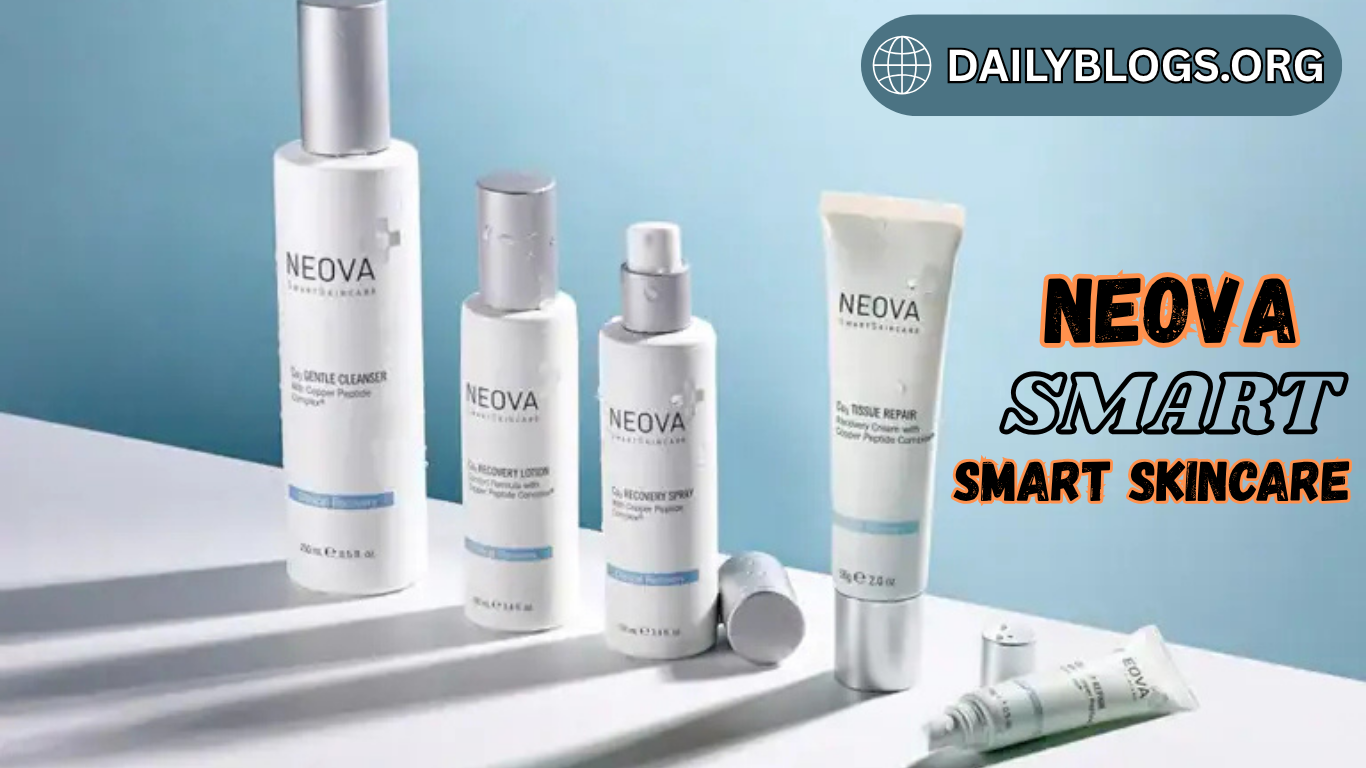
Neova Smart Skincare has built its reputation around a distinctive idea: that caring for ageing skin should involve more than simply moisturising its surface. The brand focuses on photodamage, the visible effects of long-term exposure to ultraviolet radiation and other environmental stressors, and has developed products centred on DNA repair enzymes, copper peptides and antioxidant protection.
That scientific positioning has helped Neova attract attention among skincare enthusiasts, dermatology professionals and people seeking targeted solutions for fine lines, uneven tone and post-procedure recovery. Rather than presenting itself as a conventional beauty label, the company describes its work as a research-led approach to skin health.
However, as with any advanced skincare range, it is important to separate a brand’s own claims from independently verified evidence. Neova Smart Skincare has published information about its technology, patents and clinical research, but consumers should still consider their individual skin type, existing treatments and professional advice before starting a new active skincare routine.
Early Story and Scientific Background
Neova is not associated with a celebrity founder or a single public-facing personality. Its origin story is instead centred on a group of scientists and a long period of research into cellular repair, wound healing and skin ageing.
According to the company’s published timeline, the story began in Virginia in 1980, when three scientists discussed research surrounding the copper peptide GHK. At the time, studies were examining how derivatives of the peptide might influence wound healing and cell growth. Neova states that controlled research showed wounds treated with GHK healed more quickly and completely, helping inspire the brand’s later interest in skin repair.
The company says the scientists continued developing their ideas throughout the 1980s and 1990s. Their work challenged the prevailing emphasis on genetics as the main explanation for visible ageing. Instead, they explored whether skincare could help address damage caused by environmental factors, particularly ultraviolet exposure.
There is limited reliable public information about the personal backgrounds, birth dates, families or formal education of the scientists involved. Neova’s public story concentrates on research milestones rather than individual biographies, so claims about the founders’ private lives or detailed academic histories cannot be confirmed from authoritative sources.
That distinction matters. Although the brand has a compelling scientific narrative, it is more accurate to describe Neova as a scientist-created skincare company than to attach an unsupported founder profile to it.
Neova Smart Skincare and Its Rise
Neova’s major commercial milestone came in 2010, when the company introduced DNA Cofactor technology and launched Neova Smart Skincare. The brand describes DNA Cofactor as a combination of DNA repair enzymes and copper peptide technology, developed after more than two decades of research into photodamage and premature skin ageing.
This gave Neova a clear point of difference in an increasingly crowded skincare market. While many anti-ageing products focus on familiar ingredients such as retinol, vitamin C or peptides, Neova placed DNA repair at the centre of its identity.
The brand’s philosophy is based on the idea that ultraviolet radiation can damage skin cells and contribute to the visible signs of photoageing. Its formulations are designed to support the skin’s response to this damage through a combination of repair enzymes, antioxidants, sunscreens and copper peptide complexes.
The company’s product portfolio includes several categories:
- DNA repair serums designed to address visible signs of photodamage.
- Sunscreens intended to protect skin from further ultraviolet-related damage.
- Copper peptide products aimed at supporting recovery and skin resilience.
- Moisturisers and treatment products for texture, redness and ageing concerns.
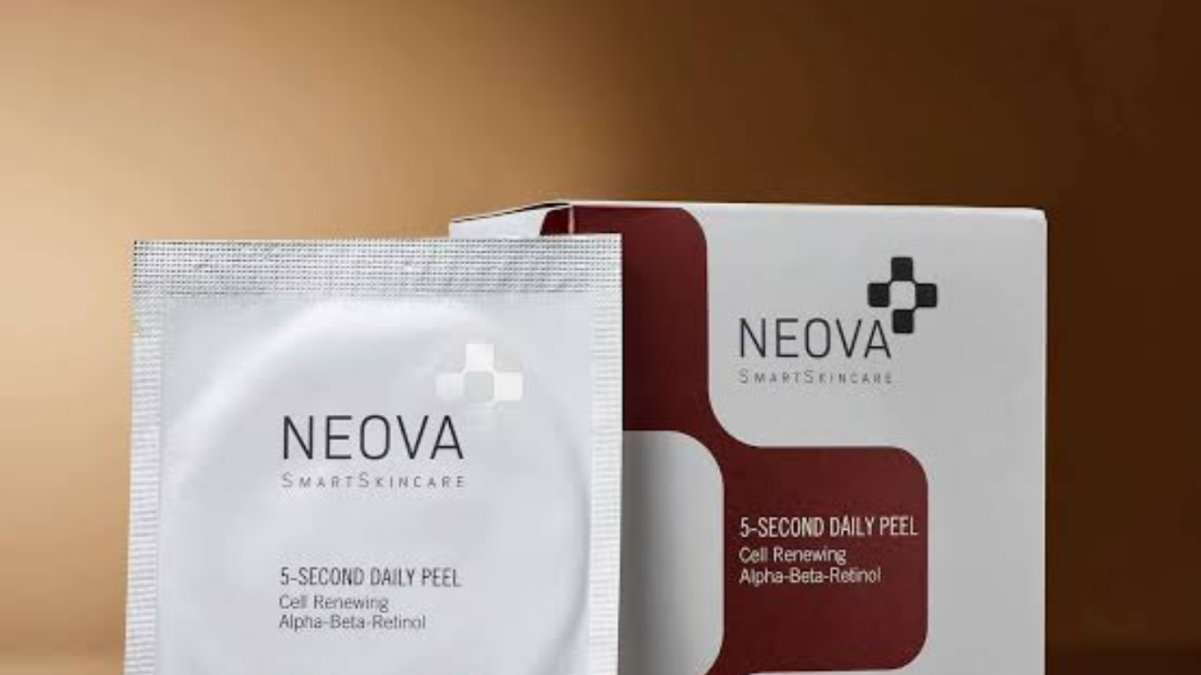
- Exfoliating and resurfacing formulas containing ingredients such as hydroxy acids and retinol.
Neova says its DNA Cofactor and DNA Damage Control Sunscreen formulas received United States patent protection in 2016. The company presents this as an important achievement because the formulas were designed to address the prevention, repair and treatment of photodamaged skin.
Its timeline also records a 2015 Nobel Prize in Chemistry awarded to three scientists for work relating to DNA repair mechanisms. That prize recognised fundamental scientific research; it should not be interpreted as an endorsement of Neova products. The brand uses the wider field of DNA repair research to explain the scientific context behind its formulations.
Important Ingredients
The brand’s most recognisable technologies are DNA repair enzymes and Copper Peptide Complex.
Neova explains that its DNA repair enzymes are intended to recognise and help repair damage associated with UV exposure. The company links this technology with improvements in texture, fine lines, wrinkles and uneven pigmentation. Such claims are central to the brand’s identity, although the strength of evidence may vary between individual products and study designs.
Copper peptides, particularly GHK-Cu, are another important part of the range. Neova describes GHK-Cu as a peptide that supports the skin’s natural repair mechanisms and may be useful in post-procedure skincare. The brand also associates copper peptides with collagen support, firmness and recovery.
Other formulas use antioxidants, retinol, salicylic acid, alpha hydroxy acids and beta hydroxy acids. These ingredients can be effective but may also cause irritation, dryness or increased sensitivity if introduced too quickly. People using prescription treatments or recovering from a cosmetic procedure should seek advice from a qualified clinician before combining several active ingredients.
Challenges and Turning Points
Neova’s principal challenge has been explaining complex science in a consumer-friendly way. Terms such as DNA repair, cellular regeneration and photoageing can sound persuasive, but they require careful interpretation. Cosmetic products may improve the appearance and feel of skin, yet they should not be treated as a substitute for medical care or protection from the sun.
The brand has also had to operate in a market where skincare trends change rapidly. Ingredients that were once considered specialist are now widely discussed online, while consumers increasingly expect transparent clinical evidence, clear ingredient lists and realistic results.
Its response has been to maintain a strong emphasis on research-led branding. Neova says its clinical studies have been conducted with international universities and scientific institutions. It also states that its products are dermatologist- and ophthalmologist-tested and that the company does not conduct animal testing.
Those statements reflect the brand’s stated policies, but consumers should still examine the supporting evidence for individual products. “Clinically tested” can refer to different types of studies, and the results may not apply equally to every skin type or concern.
The company’s continued focus on photodamage is another turning point. Instead of treating skin ageing solely as a cosmetic issue, Neova frames it as a long-term skin-health concern involving daily exposure to environmental stressors. This approach has helped it appeal to customers looking for preventative skincare as well as corrective treatments.
Personal Life and Public Identity
Because Neova Smart Skincare is a company rather than an individual public figure, conventional biographical details such as marriage, children and family life do not apply. The brand has not built its public image around a celebrity founder whose private life drives media coverage.
Publicly available information instead focuses on the company’s scientific collaborators, formulation philosophy, patents, product launches and professional relationships. Neova has also been discussed within the aesthetics sector, including educational activity concerning UV-induced DNA damage and DNA repair technology.
There is no reliable public information confirming rumours about a hidden celebrity owner, controversial founder history or private family connections. Such claims should not be repeated without credible documentation.
Later Work and Current Activities
Neova remains focused on clinical skincare products designed around photodamage, skin repair and prevention. Its current range includes serums, moisturisers, sunscreens and treatment systems, with DNA Total Repair and copper peptide products among its most visible offerings.
The brand’s UK presence has also brought its approach to professional and consumer skincare audiences. Its public communications continue to emphasise DNA repair, copper peptides and sun protection, while distributors and aesthetics organisations have highlighted educational discussions involving dermatology professionals.
Neova’s current direction appears to combine three strands:
- Daily prevention through broad-spectrum sun protection.
- Corrective care for visible signs of photoageing.
- Recovery-focused products for skin that has undergone professional treatment.
This strategy reflects a broader shift in skincare, in which consumers are seeking routines that support long-term skin health rather than relying solely on short-term cosmetic effects.
Even so, the most sensible way to approach the range is selectively. A sunscreen may be a more important starting point than an advanced serum, while someone with sensitive skin may need to avoid combining retinol, acids and other potentially irritating products. Professional guidance is particularly valuable after laser treatments, chemical peels, microneedling or other procedures.
Quick Bio
| Detail | Information |
| Full Name | Neova Smart Skincare |
| Date of Birth | Not applicable; skincare brand |
| Place of Birth | Developed in the United States; company materials identify Virginia as the setting of its early scientific discussions |
| Nationality | United States-based brand |
| Profession | Clinical skincare research and product development |
| Years Active | Research origins cited from 1980; commercial launch in 2010 |
| Known For | DNA repair enzymes, copper peptide technology, photodamage-focused skincare and sunscreens |
| Estimated Net Worth | Not reliably disclosed by authoritative public sources |
Legacy and Lasting Impact
Neova’s lasting influence lies in how it helped connect skincare conversations about visible ageing with the language of cellular damage and DNA repair. The brand did not invent the science of DNA repair, but it helped bring concepts from biomedical research into the marketing and development of topical skincare.
Its approach has also reinforced the importance of prevention. By placing sunscreen and photodamage at the centre of its philosophy, Neova supports a message that is widely accepted in dermatology: limiting UV exposure is an essential part of maintaining healthier-looking skin.
The company’s use of patented technologies has strengthened its reputation as a specialist brand, although patents demonstrate novelty or a protected formulation rather than guaranteeing that a product will work equally well for every consumer. Results can depend on concentration, formulation, consistency of use, sun exposure, age, skin condition and many other factors.
Neova’s public image is therefore best understood as scientific and professional rather than glamorous or celebrity-led. Its appeal comes from research-based storytelling, targeted formulations and a focus on repairing the visible effects of environmental damage.
The brand also offers a useful lesson for consumers: effective skincare is rarely about one miracle product. A balanced routine, daily sun protection, appropriate active ingredients and realistic expectations are usually more important than choosing the most sophisticated-sounding formula.
Conclusion
Neova Smart Skincare has developed a distinctive place in the beauty industry by focusing on photodamage, DNA repair enzymes and copper peptide technology. From its reported research origins in Virginia to its 2010 commercial launch and later patented formulations, the brand’s journey has been shaped more by scientific discovery than by celebrity publicity.