In our fast-paced world, many seek simple, accessible ways to manage stress, ease discomfort, and support overall wellbeing. One such practice gaining renewed attention is hand reflexology, with its visual roadmap—the hand reflexology chart—serving as an essential tool for understanding how pressure points on the hands correspond to various parts of the body.
This ancient-inspired technique offers a convenient self-care method that requires no special equipment, making it ideal for busy individuals looking for natural relief from everyday ailments. Whether you’re new to holistic therapies or a seasoned enthusiast, exploring a hand reflexology chart can open doors to better relaxation and balance.
What Is a Hand Reflexology Chart?
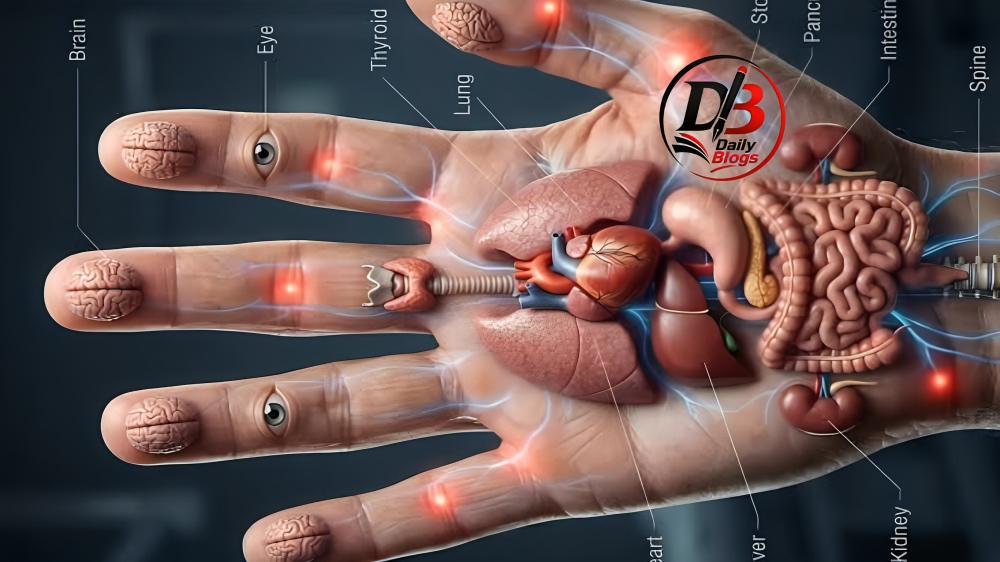
A hand reflexology chart is a detailed map illustrating reflex zones on the palms, fingers, thumbs, and backs of the hands. These zones are believed to connect to specific organs, glands, and body systems through neural pathways and energy channels.
Practitioners and charts typically show the fingers corresponding to the head and neck, the upper palm to the chest and shoulders, the central palm to digestive organs, and the lower palm and wrist area to the lower back, hips, and pelvic region. Both the right and left hands often mirror different sides of the body, with subtle variations between palms and the dorsal (back) side of the hands.
These charts are widely available as printable PDFs, posters, or illustrated guides, often colour-coded for clarity. They transform abstract concepts into practical visuals, empowering users to target areas like the solar plexus for stress relief or the head zones on the fingertips for sinus issues.
The Origins and Evolution of Hand Reflexology
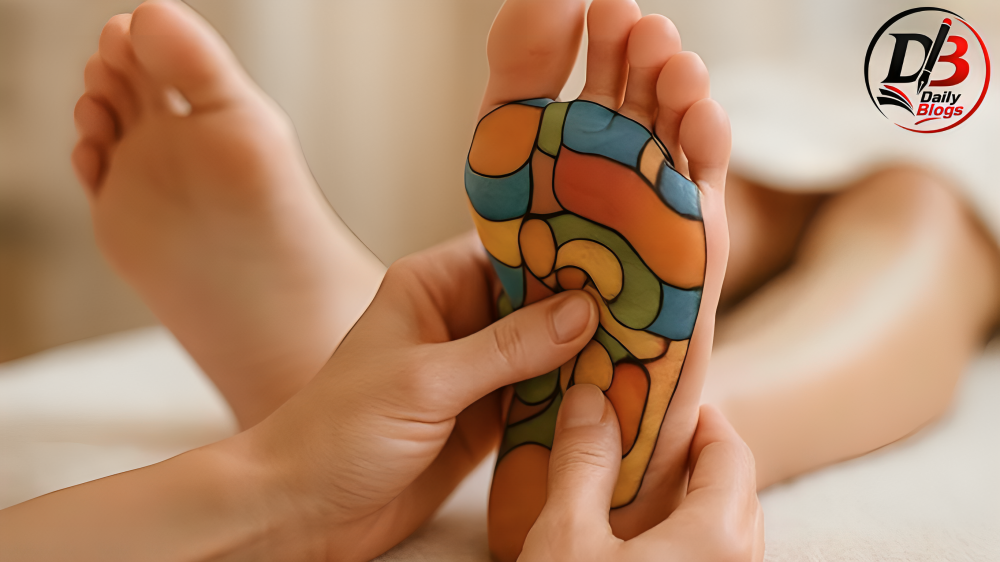
The roots of reflexology trace back thousands of years. Ancient Egyptian hieroglyphics from around 2400 BC depict scenes of foot and hand therapy, while similar practices appear in traditional Chinese medicine and among North American indigenous cultures.
In the early 20th century, American ear, nose, and throat specialist Dr William Fitzgerald developed “zone therapy,” identifying ten vertical zones running through the body and noting how pressure on specific points could reduce pain. His work was expanded by Dr Shelby Riley and later popularised by physiotherapist Eunice Ingham, who created detailed foot maps and contributed to hand reflexology understanding.
Mildred Carter published one of the first dedicated books on hand reflexology in the 1970s, helping bring the practice to a wider audience. Today, the hand reflexology chart builds on these foundations, offering a modern, accessible interpretation suitable for self-practice or professional sessions.
How to Read and Use a Hand Reflexology Chart
Reading a hand reflexology chart is straightforward once you understand the basic layout. The tips of the fingers generally relate to the head, brain, sinuses, and teeth. The joints of the fingers connect to the neck and shoulders, while the palm maps the torso’s major organs. The thumb often corresponds to the head and spine, and the wrist area links to reproductive and lower digestive systems.
To apply the chart effectively:
- Warm your hands by rubbing them together.
- Use your thumb or a finger to apply firm but gentle pressure in small circular motions or a “walking” technique.
- Work systematically, spending 1–3 minutes per area.
- Breathe deeply and maintain a relaxed posture.
Many find it helpful to consult a high-quality chart during sessions. Common targets include the LI4 point (between thumb and index finger) for headaches and the heart area for anxiety relief.
Key Benefits of Hand Reflexology
Advocates report that regular use of techniques guided by a hand reflexology chart can provide several potential benefits, though results vary and it should complement, not replace, conventional medical care.
Physical perks often include improved circulation, reduced muscle tension, better digestion, and relief from headaches or sinus congestion. On the mental side, users frequently note decreased stress and anxiety, improved sleep quality, and an enhanced sense of calm.
Because hands are easily accessible, hand reflexology suits people with mobility issues or those who prefer not to remove shoes for foot sessions. It’s particularly popular for quick stress relief during work breaks or travel.
Scientific evidence remains mixed, with some studies suggesting benefits for pain and relaxation, while larger trials are needed. Many value it as a complementary wellness tool that promotes mindfulness and self-awareness.
Common Reflex Points and Their Correspondences
Familiarising yourself with key areas on a hand reflexology chart enhances its usefulness:
- Fingertips: Head, brain, sinuses, and eyes.
- Base of fingers: Neck and shoulders.
- Palm centre: Solar plexus, stomach, and digestive organs.
- Thumb: Spine and head.
- Wrist crease: Lower back, bladder, and reproductive areas.
- Back of hand: Often used for muscular and skeletal issues.
Target the area between the thumb and index finger for tension headaches, or the palm’s outer edge for sciatica-related discomfort. Consistency matters more than intensity—gentle, regular practice often yields the best results.
Integrating Hand Reflexology into Daily Life
One of the greatest advantages of the hand reflexology chart is its practicality. You can practise while watching television, during a commute, or at your desk. Many combine it with deep breathing or essential oils for enhanced relaxation.
Beginners should start with short 5–10 minute sessions, gradually building comfort. Professional reflexologists can provide personalised guidance, especially for specific health concerns. Always consult a healthcare provider before using reflexology if you have serious medical conditions, injuries, or are pregnant.
Quick Reference: Hand Reflexology Overview
| Detail | Information |
| Full Name | Hand Reflexology Chart |
| Origins | Ancient practices; modernised in 20th century |
| Primary Focus | Pressure points on hands mapping to body |
| Key Benefits | Stress relief, circulation, relaxation |
| Accessibility | High – no equipment needed |
| Best For | Self-care, headaches, anxiety, wellness |
Conclusion
The enduring popularity of the hand reflexology chart lies in its simplicity and empowering nature. In an era dominated by technology and high stress, it reconnects people with their bodies through an intuitive, tactile practice. While not a cure-all, it encourages mindfulness and proactive self-care that many find valuable.
Its influence extends to wellness communities, spas, and complementary therapy training. As interest in holistic health grows, hand reflexology continues to offer a gentle, non-invasive option for those seeking balance.
What do you find most interesting about hand reflexology chart Share your thoughts in the comments below. If you enjoyed this article, consider sharing it with others who appreciate inspiring wellness practices and natural self-care techniques.