Searching for “exercise bikes near me” has become one of the most common fitness queries in the UK. Whether you want a sturdy machine for your spare room, a spin bike for high-intensity sessions, or simply a reliable option you can try before you buy, local availability still matters. Online research is useful, but nothing replaces seeing the build quality, testing the saddle comfort and checking the display in person. This guide walks you through the practical steps to locate, compare and choose the right exercise bike close to home.
Why Local Search Still Matters
Many people begin their search online and then refine it with “near me.” They want to avoid long waits for delivery, high shipping costs on bulky equipment, or the risk of ordering a bike that feels wrong once it arrives. Visiting a shop or showroom lets you adjust the seat, test the resistance levels and speak to staff who know the stock. In the UK, high-street retailers, specialist fitness stores and large department stores continue to stock a wide range of models, from basic upright bikes to advanced smart spin bikes with interactive screens.
Local options also make returns and after-sales service simpler. If a part needs replacing or you decide the bike is not right for your space, collecting it or arranging a local exchange is usually far easier than dealing with a distant warehouse.
Types of Exercise Bikes You Will Find Nearby
When you start looking for exercise bikes near me, you will typically encounter three main categories.
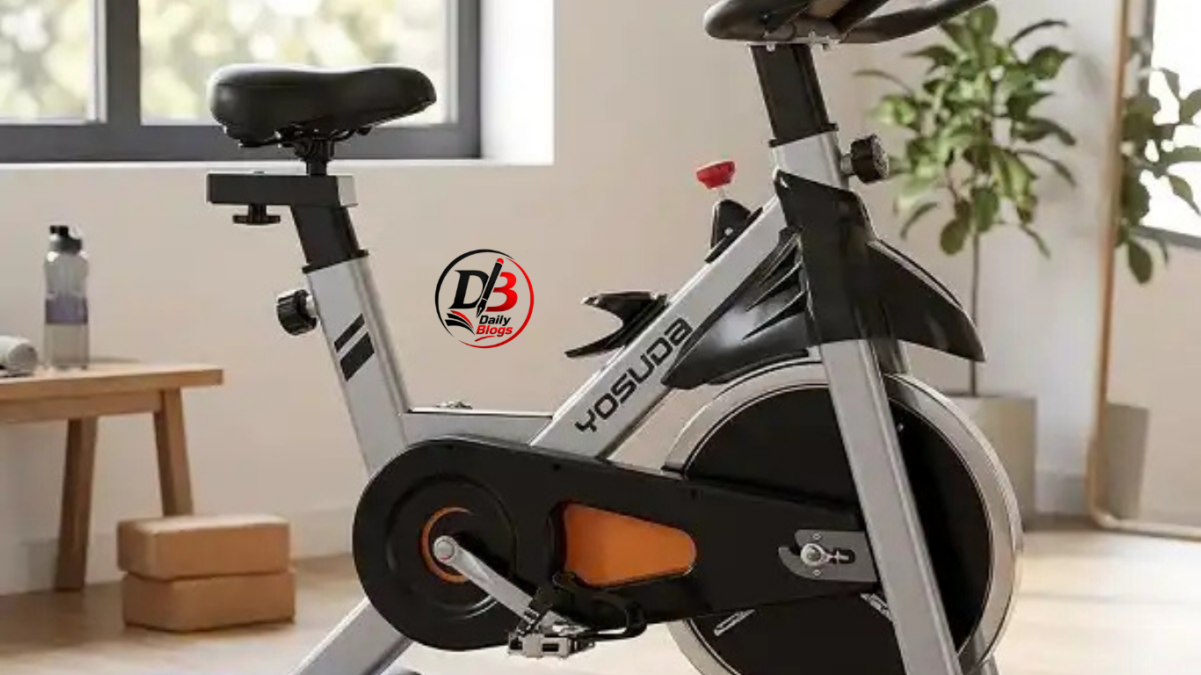
Upright bikes remain the most familiar. They mimic the riding position of a standard road bike and suit users who want a compact footprint and straightforward cardio workouts. Many entry-level models from brands stocked in UK stores offer adjustable resistance, basic digital displays and heart-rate sensors.
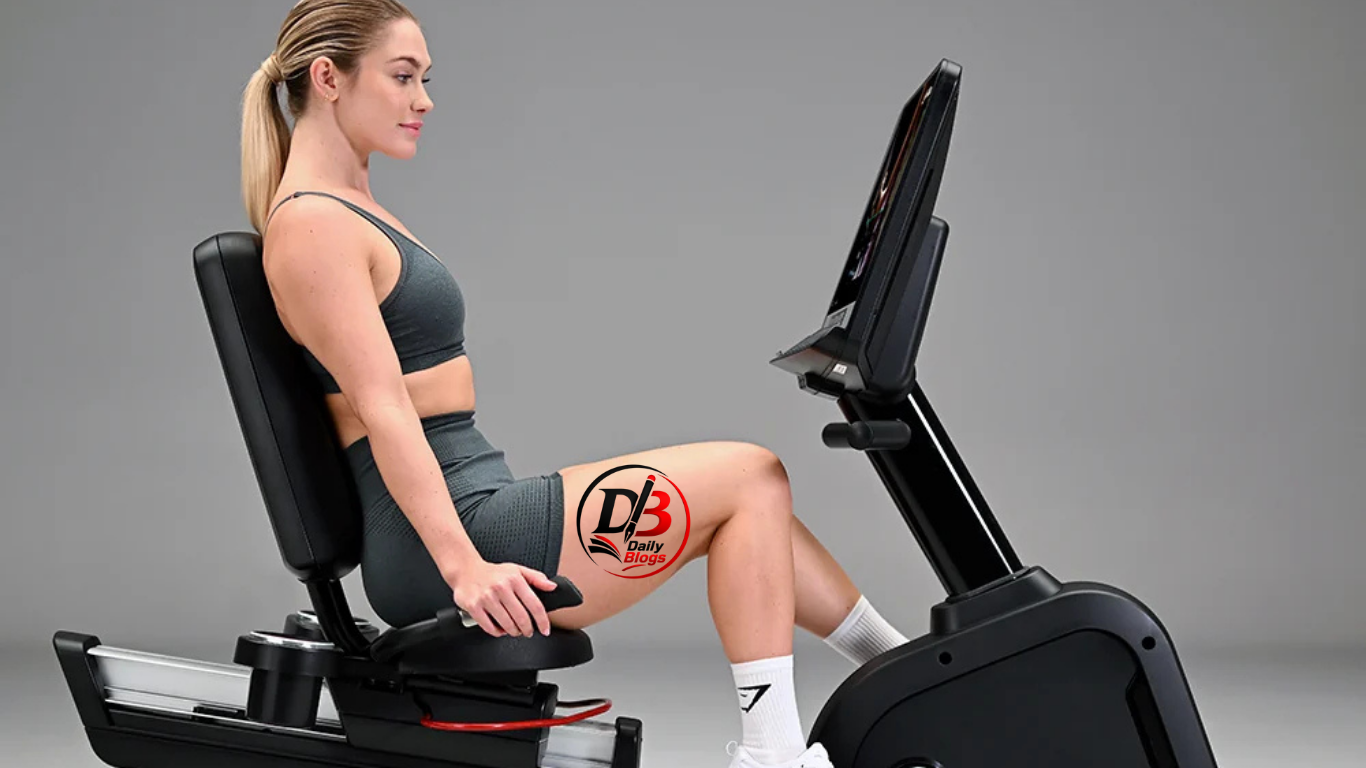
Recumbent bikes place the rider in a reclined position with a larger seat and back support. These are popular with people who prefer lower strain on the lower back or knees. You will often find them in larger sports retailers and some physiotherapy-focused suppliers.
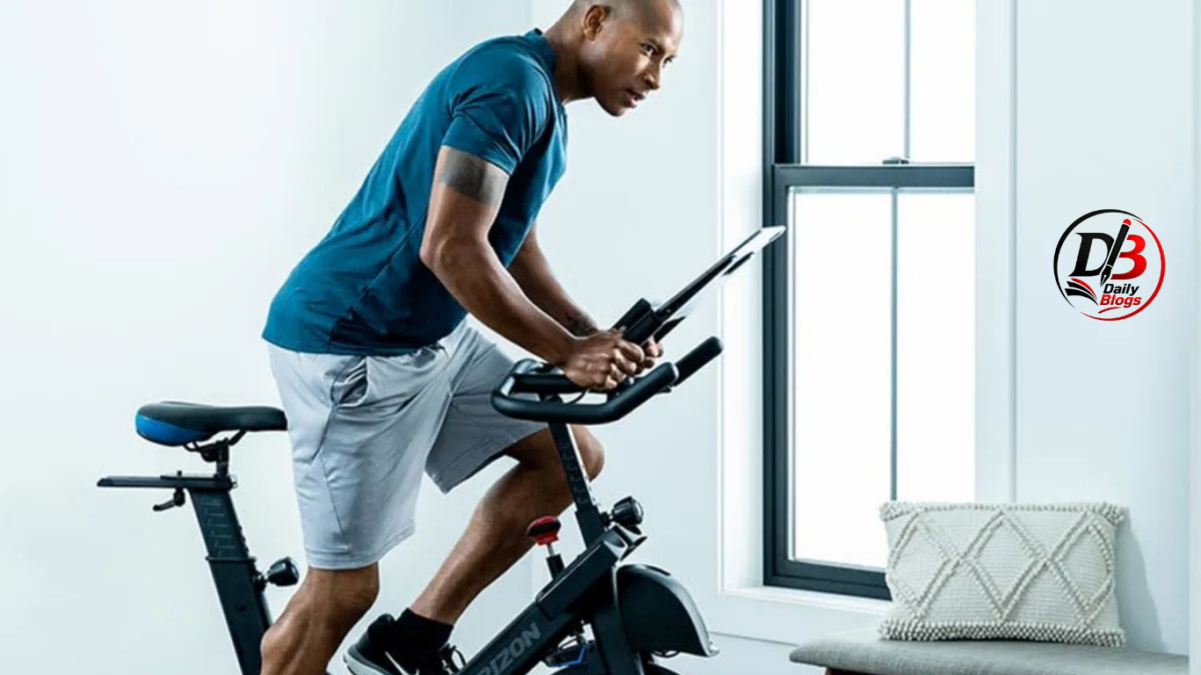
Spin or indoor cycling bikes have become the fastest-growing segment. They feature heavier flywheels, more aggressive riding positions and, in higher-end versions, Bluetooth connectivity for apps such as Zwift or Peloton-style classes. Specialist cycling shops and big-box fitness retailers usually carry several options in this category.
Hybrid or dual-action models that combine arm and leg movement appear less frequently on the high street but can occasionally be found in larger stores or through local fitness equipment dealers.
How to Locate Exercise Bikes Near You
Start with a simple online search using your postcode or town name. Google Maps and the “near me” filter quickly surface Argos, Currys, Decathlon, Sports Direct and independent fitness stores that currently hold stock. Many of these retailers update availability in real time, so you can check whether a particular model is on the shelf before travelling.
Specialist cycling shops often stock higher-quality spin bikes and can arrange test rides. Department stores and larger supermarket chains sometimes carry more affordable upright models suitable for beginners. Local Facebook groups, Gumtree and community noticeboards can also reveal second-hand options from people clearing space, though it is wise to inspect these carefully for wear on the resistance system and frame.
If you prefer not to buy outright, some gyms and leisure centres near you may offer short-term bike hire or day passes that let you try equipment before committing. A few independent studios run “try before you buy” evenings in partnership with local suppliers.
What to Check When You Visit a Store
Once you have a shortlist of locations, visit in person with a few practical questions in mind. Sit on the bike and adjust the saddle height and handlebar position. The riding posture should feel stable rather than strained. Test the resistance dial or magnetic system across the full range; it should move smoothly without sudden jumps or grinding noises.
Look at the display. Basic models show time, distance, speed and estimated calories. Mid-range and premium bikes add heart-rate monitoring, pre-set programmes and connectivity for tablets or smartphones. Check whether the tablet holder is sturdy enough for the device you intend to use.
Examine the build. A heavier flywheel generally delivers a smoother ride. Magnetic resistance is quieter and requires less maintenance than friction systems. Confirm the maximum user weight rating matches or exceeds your needs, and note the assembled dimensions so the bike will fit the space you have at home.
Ask about delivery, assembly and warranty. Many UK retailers offer home assembly for a fee, which can be worthwhile for heavier spin bikes. Warranties on frames often last longer than those on electronic components, so clarify the coverage.
Balancing Price, Features and Space
Budget models available near most town centres start at relatively modest prices and cover the essentials for steady cardio. Mid-range bikes add better displays, more resistance levels and improved comfort. Premium connected bikes command higher prices but open the door to live and on-demand classes that many users find motivating.
Space is often the deciding factor. Measure the area where the bike will live, including clearance for getting on and off. Foldable or compact upright designs suit smaller flats; spin bikes usually need more permanent floor space and a solid surface to prevent movement during intense efforts.
Noise levels matter if you share a home. Magnetic resistance systems are generally quieter than older friction models. Some retailers allow you to test the bike under load so you can judge the sound for yourself.
Benefits of Owning an Exercise Bike
Regular use supports cardiovascular health, helps with weight management and builds lower-body strength without the impact of running. Many people appreciate the ability to train in any weather and at any hour. The low-impact nature makes bikes suitable for a wide age range and for those recovering from certain injuries, provided medical advice has been followed.
Tracking progress through distance, time or heart-rate zones keeps motivation higher for many users. Connecting to apps or joining virtual group rides can turn solitary sessions into something more social.
Practical Tips for First-Time Buyers
Wear the clothes and shoes you would normally use for exercise when you try a bike in store. Bring a water bottle and, if possible, a heart-rate monitor so you can see how the bike’s sensors compare. Ask staff about return policies in case the machine does not suit your routine after a couple of weeks at home.
Consider long-term running costs. Some smart bikes require ongoing subscriptions for full access to classes. Factor that into the total cost of ownership. For pure cardio without content, a solid non-connected bike often proves more economical.
If you are buying second-hand, check the service history if available, inspect the drive belt or chain, and test every resistance level. A professional service from a local bike shop can be a worthwhile investment before regular use.
Current Trends in the UK Market
Demand for connected bikes remains strong, yet many shoppers still choose simpler, more affordable machines for everyday use. Quiet operation, compact storage and reliable customer support rank highly in reviews. Retailers have responded by stocking a broader mix of price points and by improving in-store demonstration areas so customers can ride before they buy.
Sustainability is also gaining attention. Some brands now highlight recyclable materials or longer product lifespans. Local stores can often advise on recycling or trade-in schemes when you eventually upgrade.
Quick Comparison Points
When comparing exercise bikes near me, keep these factors in mind:
- Riding position and comfort
- Resistance type and range
- Display and connectivity options
- Footprint and weight capacity
- Warranty and local service availability
- Total cost including any subscriptions
Making the Final Decision
The right bike is the one you will actually use. A machine that feels comfortable and fits your space will deliver more consistent workouts than an impressive but poorly matched model left gathering dust. Take time to visit a few locations, ask questions and test ride where possible. Local stock and knowledgeable staff remain valuable resources even in a digital age.
Once the bike is home, start with manageable sessions and gradually increase duration or intensity. Consistency matters more than perfection. Many people find that placing the bike in a pleasant, well-lit area and pairing sessions with music or a favourite programme helps the habit stick.
Conclusion
Searching for exercise bikes near me is a practical way to combine online research with real-world testing. From high-street retailers to specialist fitness stores, the UK offers a wide choice of upright, recumbent and spin models at different price points. By checking build quality, comfort, resistance feel and after-sales support in person, you can choose equipment that matches both your fitness goals and your living space.