
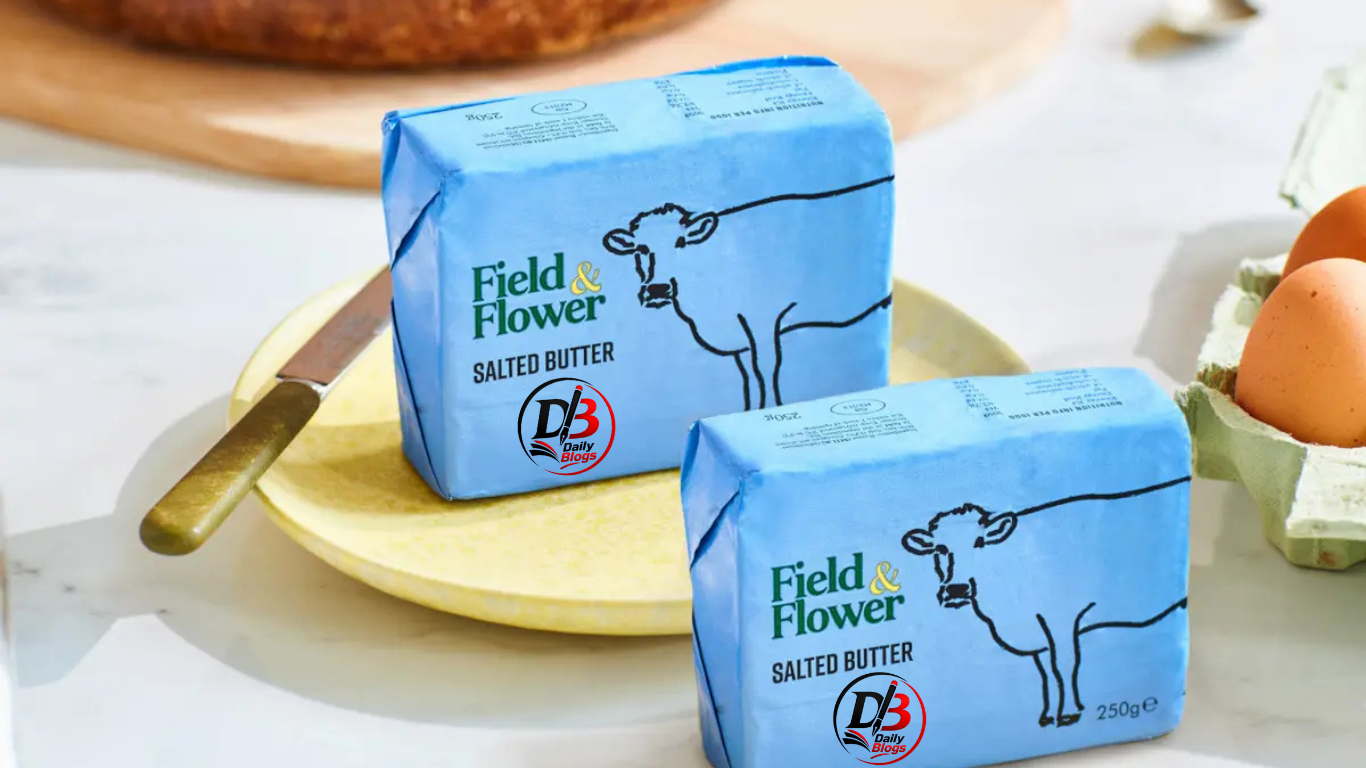
Wander down the chilled aisle of almost any UK supermarket and you’ll notice something has changed. Alongside the usual blocks of butter, there’s now a growing shelf of options proudly labelled “grass fed.” What was once a niche health-food term has become a mainstream shopping consideration, and for good reason.
Grass fed butter brands have earned a loyal following among home cooks, bakers and health-conscious families who want to know exactly where their food comes from. The appeal isn’t just about taste, though the richer, golden colour and deeper flavour certainly play a part. It’s also about how the cows are raised, what they eat, and the knock-on effects that diet has on the butter’s nutritional profile.
This growing interest raises a fair question: with so many brands now claiming “grass fed” status, how do you know which ones genuinely deliver, and which are simply riding the trend? This guide walks through what the term actually means, how to spot the real deal, and which grass fed butter brands are worth seeking out in the UK.
What Does “Grass Fed” Actually Mean?
Before comparing brands, it helps to understand what “grass fed” is supposed to signify. In simple terms, it refers to butter made from the milk of cows that graze primarily on pasture, rather than being fed a diet dominated by grain or silage in an indoor feedlot system.
The reality, however, is more nuanced than the label suggests. Unlike terms such as “organic,” which is tightly regulated and independently certified in the UK and EU, “grass fed” doesn’t have a single universal legal definition. Some producers’ cows graze outdoors for the majority of the year, while others may only be pasture-fed for part of it, supplementing with grain during colder months.
This is why it’s worth looking beyond the front-of-pack claim. Reputable grass fed butter brands are usually transparent about how many days a year their cows spend on pasture, and some go further by seeking third-party verification, such as certification from bodies like the Non-GMO Project or organic accreditation schemes, to back up their claims.
Why Shoppers Are Choosing Grass Fed Butter
There are a few consistent reasons grass fed butter has grown in popularity.
Flavour and colour. Butter from pasture-raised cows tends to have a noticeably deeper golden hue, a result of higher beta-carotene levels from fresh grass. Many people also find the flavour richer and slightly more complex than butter made from grain-fed milk.
Nutritional profile. Some research suggests grass fed dairy can contain higher levels of certain beneficial fatty acids and vitamins compared with conventional dairy, although the extent of the difference varies depending on the season, breed and specific farming practices involved. It’s a genuine point of interest for nutritionally minded shoppers, though not a dramatic transformation in health terms.
Animal welfare and sustainability. Pasture-based systems are often associated with better outdoor access for livestock and, in some cases, more sustainable land management, which appeals to shoppers thinking about the wider footprint of their food choices.
Culinary performance. Chefs and keen bakers frequently favour grass fed butter for its higher butterfat content in premium lines, which can make a genuine difference in pastry work, sauces and simple spreads.
Notable Grass Fed Butter Brands
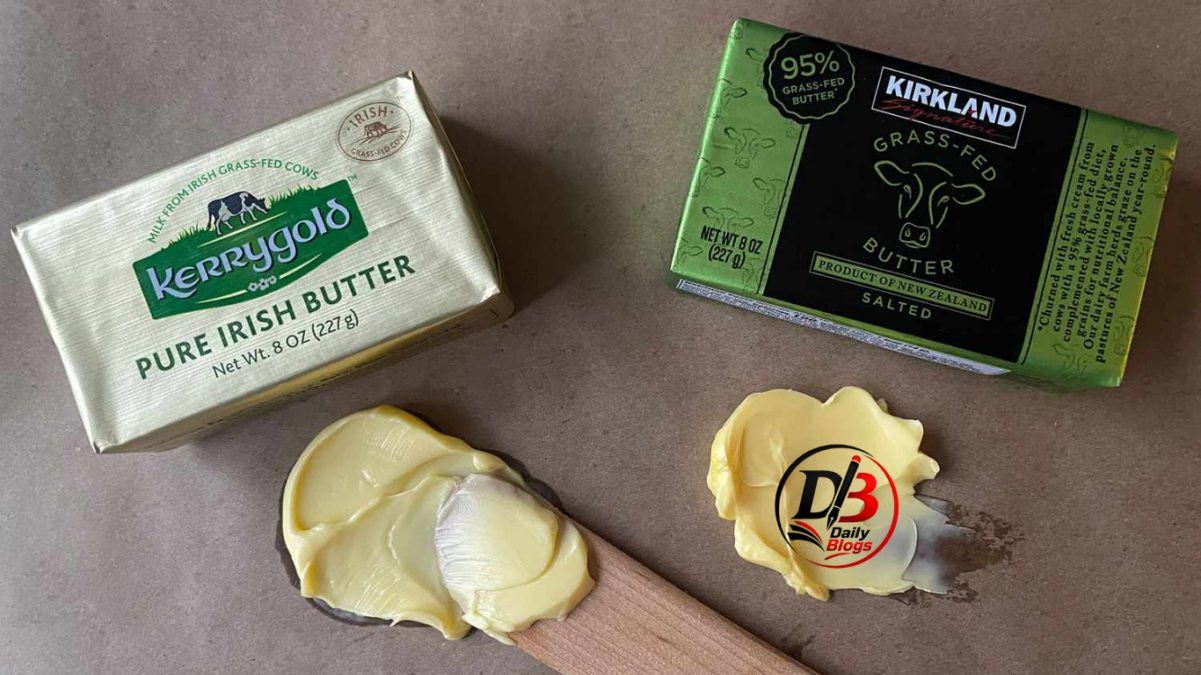
Kerrygold
Kerrygold is arguably the most recognisable grass fed butter brand on UK shelves, and it’s stocked in the majority of major supermarkets, including Tesco, Sainsbury’s and Waitrose. Its cows are grass-fed for up to 312 days per year, and the brand has built its reputation on that distinctly golden colour and creamy texture that comes from Irish pasture farming. It sits at an accessible price point, which has helped it become something of a gateway brand for shoppers newly exploring grass fed options.
Anchor
Originally from New Zealand, Anchor is another widely available name in UK supermarkets. Given that dairy cows in New Zealand tend to graze outdoors year-round, Anchor’s butter is generally considered a reliable grass fed option, and the brand has more recently introduced organic-certified lines for shoppers wanting an extra layer of assurance.
Yeo Valley
A well-known British name in organic dairy, Yeo Valley produces organic salted and unsalted butter that’s available in most UK supermarkets, though its cows are only pasture-fed for part of the year rather than continuously. It remains a popular choice for shoppers who prioritise organic certification alongside grass fed credentials.
Fen Farm Dairy (Bungay Butter)
For those after a more artisanal option, Fen Farm Dairy’s Bungay Butter is a smaller-batch, handmade choice from Suffolk. It’s made using milk from grass-fed Montbeliarde cows, and the process includes adding lactic bacteria to the cream before churning, giving it a distinctive character compared with mass-market alternatives. It sits at a premium price point, reflecting its small-scale production.
Isigny Sainte-Mère
This French butter, sourced from Normandy, is available through some UK retailers including Waitrose and Ocado. Raw, unpasteurised versions are also sold by these retailers for shoppers seeking a traditional, minimally processed option, and it’s frequently favoured by bakers for its high butterfat content.
Lurpak
A familiar name from Denmark, Lurpak is one of the best-known butter brands in Europe. It’s worth noting that while Lurpak isn’t marketed as 100% grass-fed certified, its cows are pasture-raised under Danish dairy standards, which gives it a smoother, milder profile that many households already know well from years of use.
How to Choose the Right Grass Fed Butter
With multiple credible options available, the right choice often comes down to what matters most to you as a shopper.
If accessibility and price are priorities, Kerrygold and Anchor remain the most practical everyday choices, found in almost every major supermarket. If organic certification matters more than convenience, Yeo Valley is a solid middle-ground option. For those wanting the most artisanal, small-batch experience, and who don’t mind paying a premium, Fen Farm Dairy or Isigny Sainte-Mère are worth seeking out from specialist retailers or larger supermarket chains.
It’s also worth checking the label itself rather than relying solely on brand reputation. Look for details about how many days per year the cows graze on pasture, any third-party certifications, and a short, recognisable ingredients list, ideally just cream and salt, with no unnecessary additives.
Common Myths and Misconceptions
A few misunderstandings tend to follow grass fed butter around, and it’s worth addressing them directly.
“Grass fed automatically means organic.” This isn’t accurate. A cow can be pasture-raised without the farm meeting the strict criteria required for organic certification, which covers areas like feed sourcing, land management and the use of pesticides or fertilisers.
“Darker colour always means better quality.” While a deeper golden colour often correlates with higher grass intake, colour alone isn’t a foolproof indicator, as some producers may achieve similar tones through other means. It’s a helpful visual cue, not a guarantee.
“All grass fed butter tastes the same.” In reality, flavour varies considerably by region, breed of cow, season and production method, which is exactly why trying a few different grass fed butter brands can be a genuinely enjoyable exercise for keen cooks.
Cooking and Baking with Grass Fed Butter
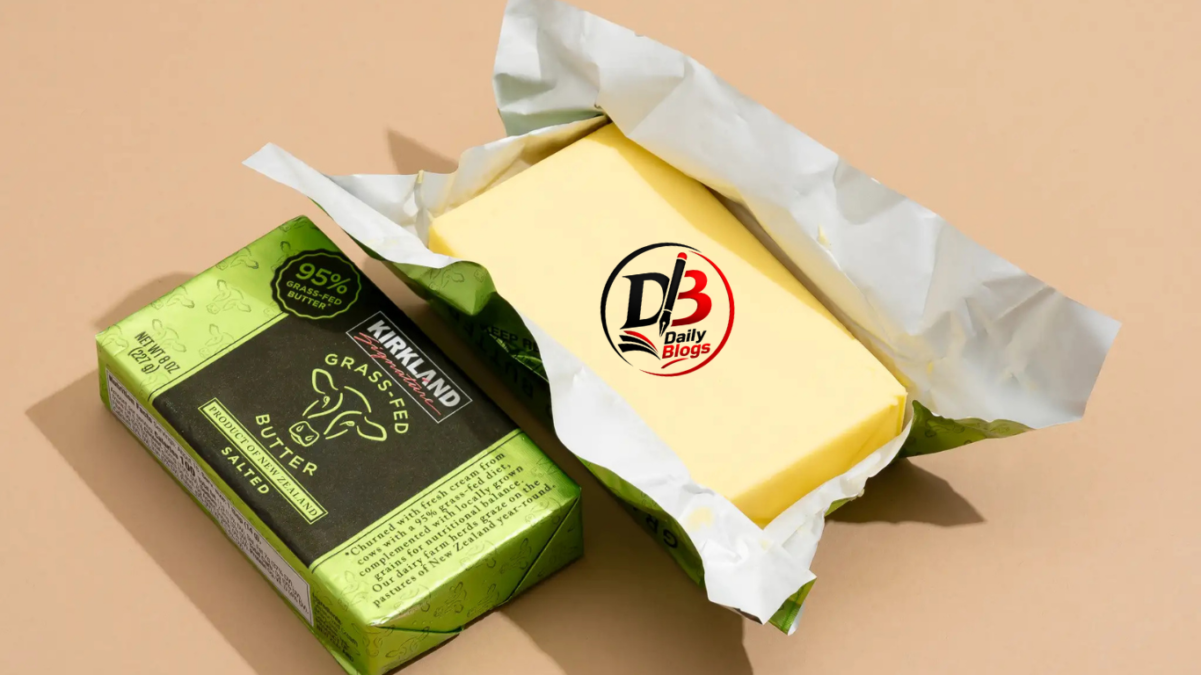
Grass fed butter performs well across most kitchen applications, though there are a few points worth knowing. Its slightly softer texture, particularly in brands with higher butterfat content, can make it ideal for pastry work, where a rich, flaky result is the goal. For everyday spreading and cooking, most grass fed butter brands behave much like conventional butter, so there’s no need to adjust recipes significantly.
Some bakers do note that certain artisanal, cultured varieties bring a subtle tang that can add depth to baked goods, so it’s worth experimenting to find a brand whose flavour profile suits your particular style of cooking.
FAQs
Is grass fed butter healthier than regular butter?
It may offer a slightly different nutritional profile, including variations in certain fatty acids, but it shouldn’t be viewed as a dramatically healthier alternative. Moderation remains sensible with any butter.
Why is grass fed butter more expensive?
Pasture-based farming is generally more labour and land-intensive than intensive grain-feeding systems, and premium or small-batch producers often have lower output volumes, both of which contribute to higher retail prices.
Can I substitute grass fed butter in any recipe?
Yes, in almost all cases it can be used as a direct substitute for standard butter, with no changes needed to quantities or method.
Conclusion
Choosing between grass fed butter brands ultimately comes down to balancing budget, availability and personal priorities, whether that’s flavour, animal welfare, or nutritional nuance. What’s clear is that this is no longer a fringe category reserved for specialist health shops; it’s a well-established part of how many UK households now shop for dairy.
Whether you reach for an easily available option like Kerrygold or Anchor, or seek out something more artisanal from a smaller producer, the growing range of grass fed butter brands means there’s a genuine choice for every kitchen and every budget.