
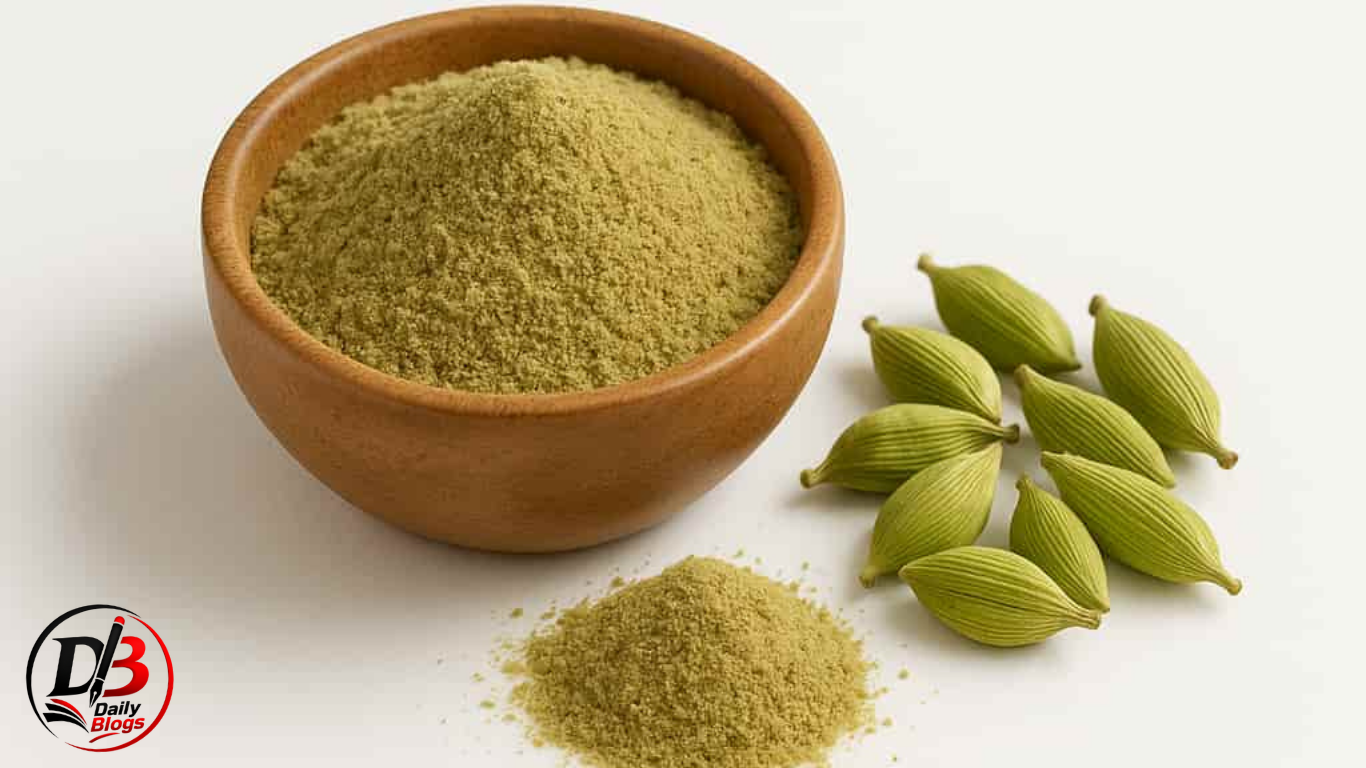
Few spices carry quite as much history, aroma and versatility as cardamom seeds. Tucked inside small green or black pods, these tiny seeds have flavoured everything from royal Mughal kitchens to modern coffee cups, earning cardamom its reputation as the “queen of spices.” For centuries, cooks, healers and traders have prized cardamom seeds not just for their warm, citrusy fragrance, but for the sense of luxury they bring to even the simplest dish.
Today, interest in cardamom seeds continues to grow, driven by a renewed appreciation for natural ingredients, traditional medicine and global cuisine. Whether stirred into a steaming cup of chai, ground into a fragrant biryani, or used in home remedies passed down through generations, cardamom remains a quiet but powerful presence in kitchens around the world.
This article explores the origins, uses, health properties and cultural significance of cardamom seeds, offering a well-rounded look at why this humble spice has stood the test of time.
Origins and Background
Where Cardamom Comes From
Cardamom seeds originate from plants belonging to the ginger family, primarily grown in the tropical forests of southern India, particularly the Western Ghats of Kerala. Historical records suggest cardamom has been cultivated and traded for more than a thousand years, with references appearing in ancient Ayurvedic texts and later in Greek and Roman writings.
How Cardamom Entered Global Trade
Cardamom’s fragrant appeal made it a valuable commodity along ancient trade routes. Arab traders introduced it to the Middle East, where it became a staple in coffee culture, while European explorers later carried it further afield. Its early interest as a treasured import laid the foundation for its enduring role in global cuisine and medicine.
Culinary Rise and Widespread Popularity
Early Culinary Uses
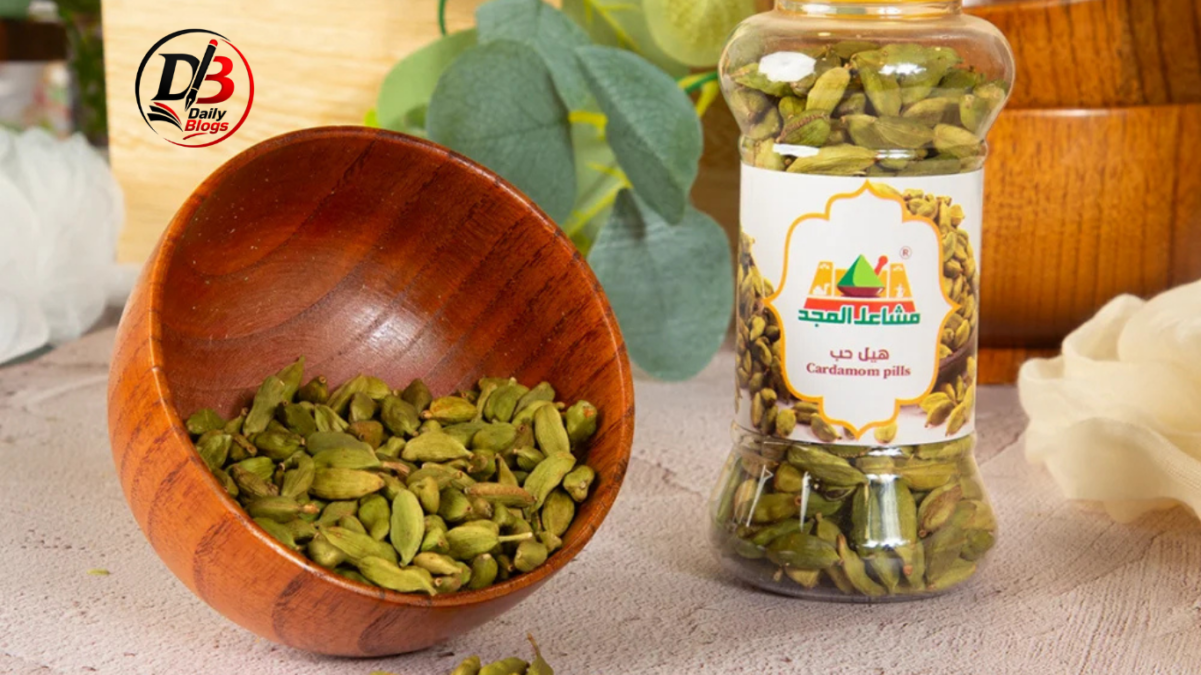
Cardamom seeds first gained prominence in South Asian and Middle Eastern cooking, where they were used to enhance rice dishes, meat preparations and sweets. Their warm, slightly peppery aroma made them a natural pairing for both savoury and sweet recipes.
Breakthrough Into Global Cuisine
As international trade expanded, cardamom found its way into Scandinavian baking, Middle Eastern coffee traditions, and even modern Western desserts. Scandinavian countries, in particular, developed a deep love for cardamom-spiced buns and pastries, a tradition that continues to thrive today.
Recognition in Modern Gastronomy
In recent decades, cardamom has experienced a renewed surge in popularity, driven by the global rise of specialty coffee shops, wellness trends and fusion cuisine. Chefs and home cooks alike increasingly seek out cardamom seeds for their ability to elevate both traditional and contemporary dishes.
Collaborations Across Cuisines
Cardamom seeds are frequently paired with cinnamon, cloves and cumin in spice blends such as garam masala, while also appearing in Scandinavian baking alongside cinnamon and sugar. This versatility has helped cardamom maintain relevance across vastly different culinary traditions.
Challenges in Cultivation and Trade
Growing cardamom is far from simple. The plant requires a very specific climate, consistent humidity and shaded conditions, making cultivation labour-intensive and vulnerable to environmental changes. Fluctuating weather patterns, pest infestations and soil degradation have all posed challenges to cardamom farmers, particularly in traditional growing regions.
Market volatility has also affected cardamom production. Prices can swing dramatically due to poor harvests or global demand shifts, creating financial uncertainty for smallholder farmers who rely heavily on the crop. Despite these setbacks, sustainable farming initiatives and improved agricultural techniques have helped many cardamom-producing communities adapt and recover, ensuring the spice’s continued availability worldwide.
Everyday Role in Food and Wellness
In everyday life, cardamom seeds appear in tea blends, coffee preparations, baked goods and spice mixes. Families across many cultures pass down recipes that rely on cardamom for both flavour and tradition, reinforcing its place as more than just a cooking ingredient, but a part of cultural identity and family heritage.
Current Popularity and Modern Applications
Recent Culinary Trends
Cardamom continues to feature prominently in modern food and beverage trends, from cardamom-infused lattes to artisanal chocolate and gourmet baking. Its aromatic profile pairs well with both sweet and savoury innovations, keeping it relevant in an ever-evolving culinary landscape.
Appearances in Global Markets
Cardamom seeds are widely available in supermarkets, speciality spice shops and online marketplaces, reflecting sustained consumer interest. Countries such as India, Guatemala and Sri Lanka remain among the largest producers, supplying both regional and international markets.
Wellness and Natural Living Movements
As interest in natural ingredients and traditional remedies grows, cardamom has found renewed attention within wellness circles. It is often included in herbal teas and natural remedy blends, valued for its aromatic and traditionally soothing qualities.
Sustainability Efforts
Various agricultural organisations and cooperatives have introduced initiatives aimed at promoting sustainable cardamom farming, supporting fair trade practices and protecting the delicate ecosystems where cardamom is grown. These efforts help ensure that cardamom production remains viable for future generations.
Quick Facts: Cardamom Seeds at a Glance
| Detail | Information |
| Common Name | Cardamom Seeds |
| Scientific Name | Elettaria cardamomum (green); Amomum subulatum (black) |
| Origin | Southern India (Western Ghats) |
| Plant Family | Zingiberaceae (ginger family) |
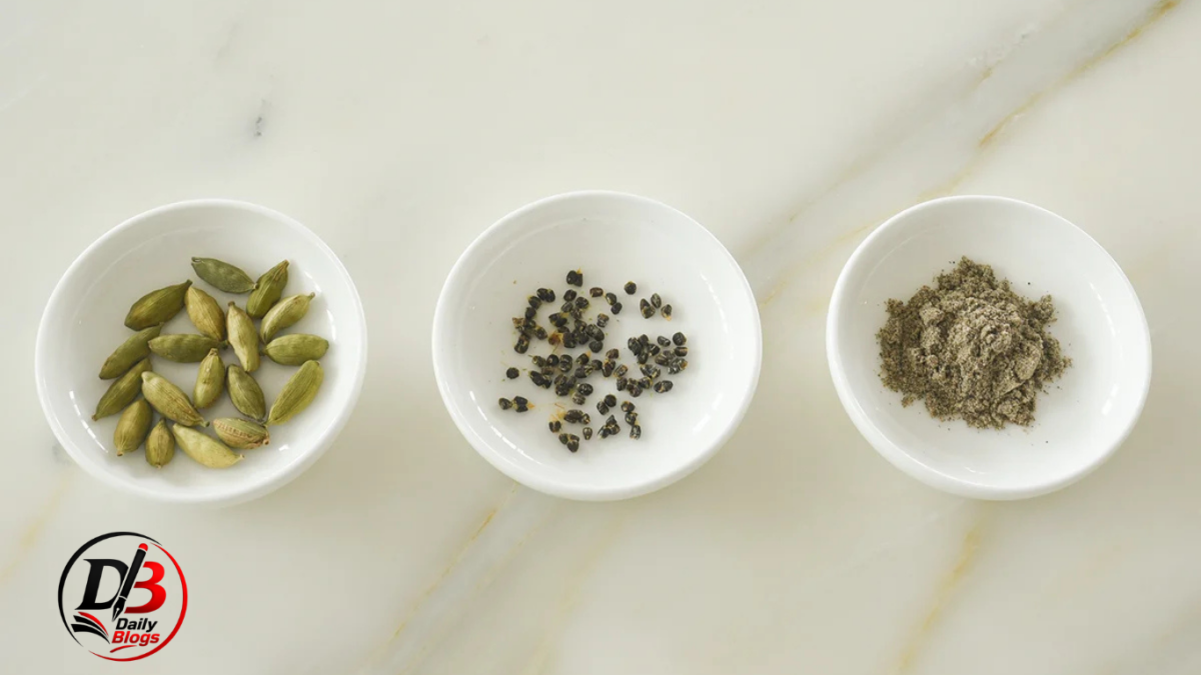
| Main Types | Green cardamom, black cardamom |
| Primary Producers | India, Guatemala, Sri Lanka |
| Known For | Aromatic flavour in cooking, tea, coffee and traditional remedies |
| Estimated Market Value | Among the most expensive spices by weight globally |
Lasting Impact and Cultural Significance
Cardamom seeds have earned a lasting place in global food culture, not simply as a flavouring agent, but as a symbol of hospitality, tradition and craftsmanship. From the spiced coffee ceremonies of the Middle East to the comforting chai enjoyed across South Asia, cardamom continues to connect people through shared culinary experiences.
Its influence extends beyond the kitchen, shaping trade histories, inspiring sustainable farming practices, and contributing to wellness traditions that remain relevant today. As modern cuisine continues to evolve, cardamom’s timeless appeal shows no sign of fading, a testament to its versatility and enduring charm.
Conclusion
From ancient trade routes to modern coffee shops, the story of cardamom seeds is one of resilience, adaptability and quiet influence. Despite the challenges of cultivation and shifting market demands, this small but mighty spice has maintained its place as one of the world’s most cherished culinary treasures.