Few natural ingredients have captured the beauty world’s attention quite like black castor oil. Thick, dark and unmistakably pungent, it has moved from Caribbean kitchen cupboards and folk remedies to the shelves of high-street pharmacies and premium beauty retailers across the globe. For many people, it is simply “the oil your grandmother swore by” — a home remedy passed down through generations long before it became a social media staple.
What makes black castor oil so enduring is not a single celebrity endorsement or a clever marketing campaign, but decades of lived experience within Caribbean and African diaspora communities, where it has always been valued as a practical, multipurpose remedy. Its journey from a homemade household staple to an internationally recognised beauty product is a story worth telling in its own right.
This article explores where black castor oil comes from, how it is made, why it became so popular, and what current understanding says about its genuine benefits and limitations.
Origins and Background
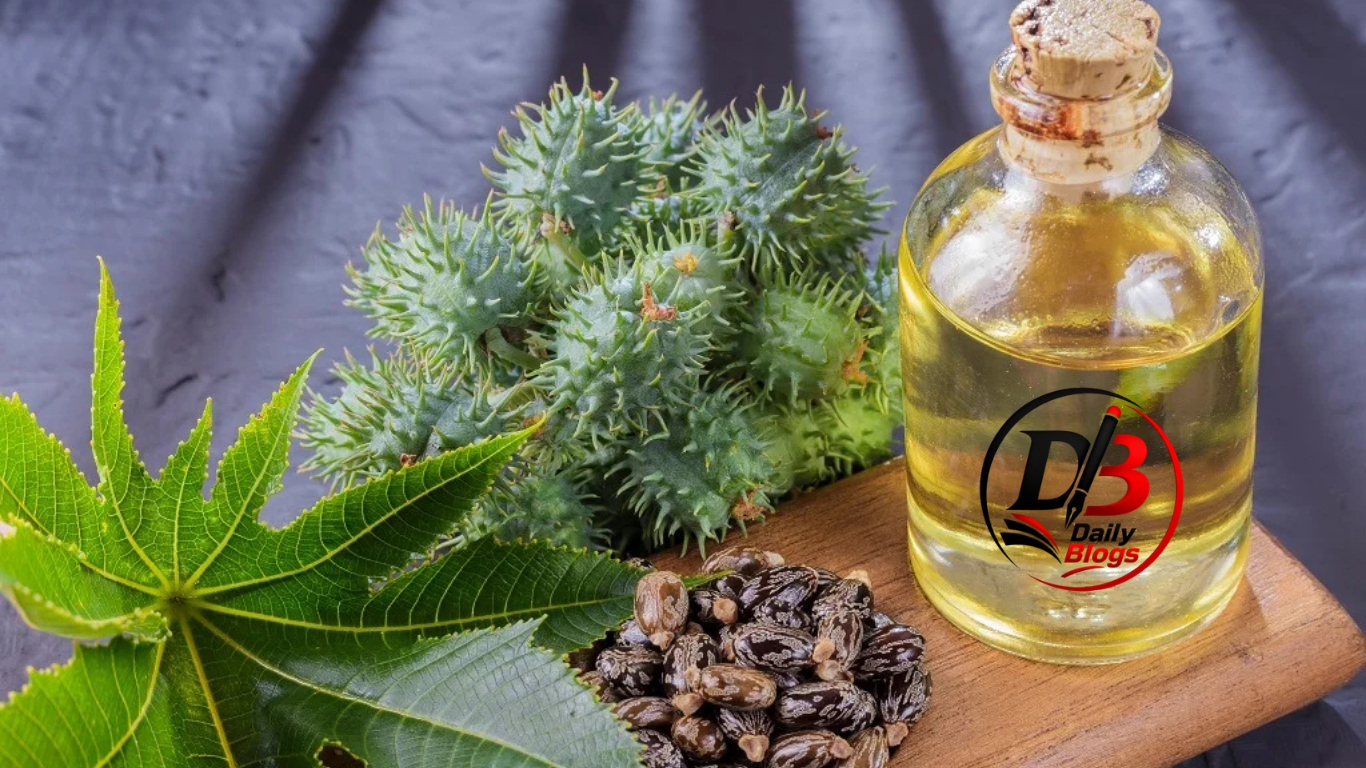
Black castor oil is extracted from the seeds of the castor plant, Ricinus communis, a hardy shrub native to Africa that has since been cultivated across tropical and subtropical regions worldwide. The plant itself has an ancient pedigree; castor oil in its lighter, cold-pressed form has been used since antiquity, including in ancient Egypt, where it was employed for skin and hair care, and in Ayurvedic medicine in India, where it was known as “eranda” and prized for its detoxifying properties.
The distinctly dark, smoky variety most people now refer to as black castor oil has a more specific and more recent history. Historical accounts trace its development to enslaved Africans, who brought both the castor plant and traditional oil-extraction knowledge with them to the Caribbean during the transatlantic slave trade. In Jamaica in particular, this method of preparing castor oil became deeply embedded in local culture, eventually giving rise to what is now marketed worldwide as Jamaican Black Castor Oil, or JBCO.
Unlike standard castor oil, which is typically cold-pressed from raw seeds, black castor oil is made using a labour-intensive traditional process. The seeds are first roasted, which produces the ash responsible for the oil’s dark colour and distinctive aroma. They are then pounded and boiled to release the oil, which is left to settle before being strained and bottled. This roasting step is what sets black castor oil apart, both in appearance and, according to those who use it, in potency.
Rise in Popularity
For much of its history, black castor oil remained a regional remedy, used within Jamaican and wider Caribbean households for everything from scalp treatments to joint aches. Its reputation travelled largely through word of mouth and the Caribbean diaspora, who carried the tradition with them as they settled in the United Kingdom, the United States and elsewhere.
The oil’s move into the mainstream beauty market gathered real momentum alongside the natural hair movement of the 2000s and 2010s, when growing numbers of people with textured and curly hair began turning away from chemical relaxers in favour of natural, traditional ingredients. Black castor oil fitted neatly into this shift. It was affordable, versatile and, crucially, came with generations of anecdotal backing from communities who had used it long before it had any social media presence at all.
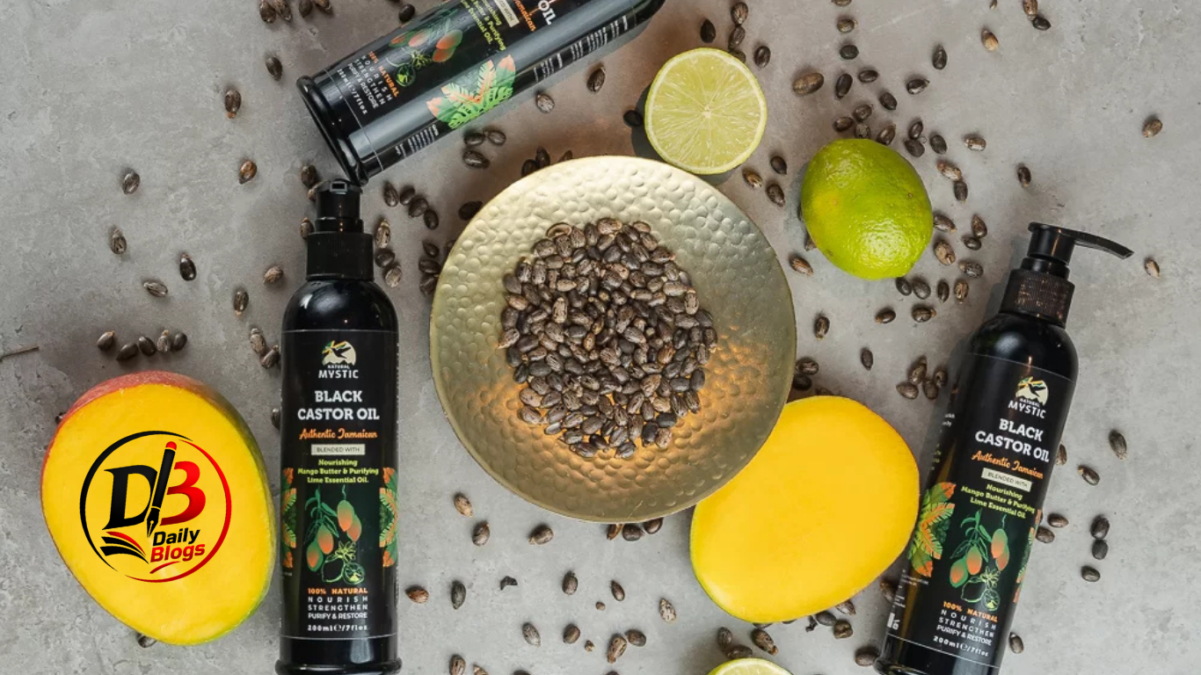
Online beauty communities and video platforms accelerated its visibility considerably, as users shared before-and-after results for hair thickness, scalp health and eyebrow growth. Independent Caribbean-owned brands producing traditional, unrefined black castor oil found themselves competing with, and increasingly outselling, larger commercial skincare and haircare companies. Today, black castor oil sits comfortably alongside ingredients such as shea butter and coconut oil as a recognised staple of natural beauty routines, stocked by major retailers and specialist beauty shops alike.
Common Concerns and Myths
As with many ingredients that gain rapid popularity, black castor oil has attracted both enthusiastic claims and reasonable scepticism. It is frequently marketed as a hair growth “miracle,” but it is worth being clear about what the evidence actually supports.
Black castor oil is rich in ricinoleic acid, a fatty acid known to have anti-inflammatory and moisturising properties, and it is genuinely effective at conditioning hair, softening the scalp and reducing breakage when used consistently. However, no reliable clinical research confirms that it directly stimulates new hair growth from follicles that have stopped producing hair altogether. Its apparent “growth” effect is more accurately explained by improved hair health and reduced breakage, which allows existing hair to retain more of its length over time.
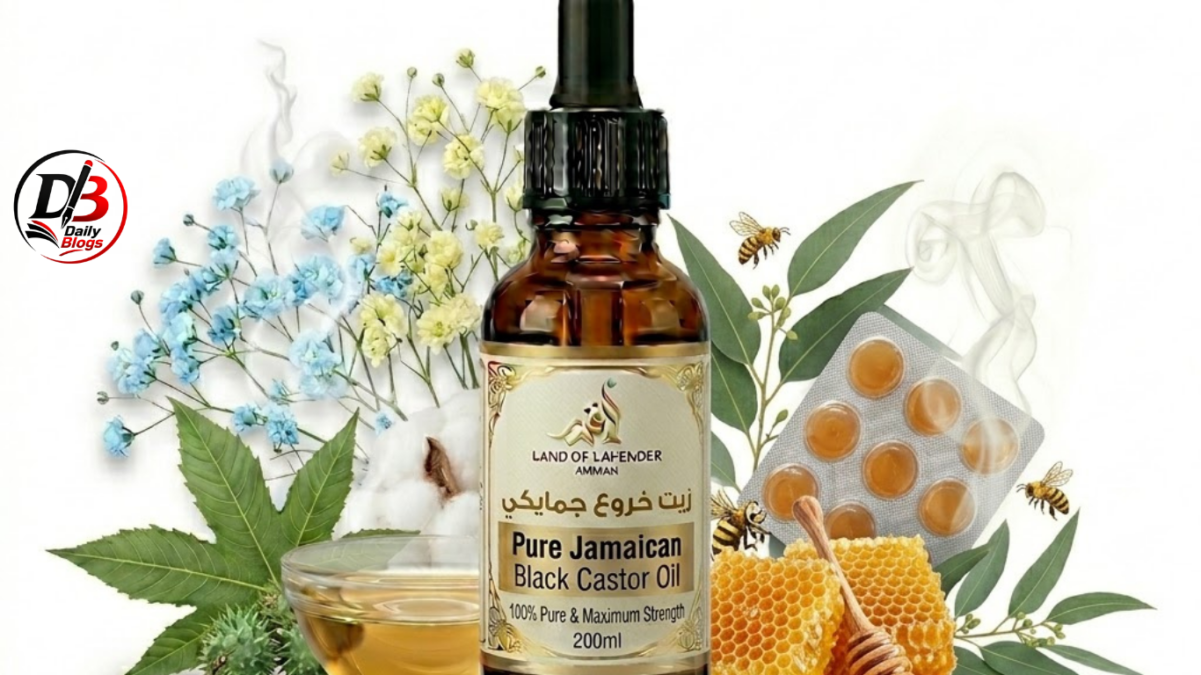
There are also practical concerns worth noting. Black castor oil is very thick and can be difficult to wash out if overused, sometimes leading to product build-up on the scalp. A small number of users report mild allergic reactions or scalp irritation, so a patch test is generally recommended before regular use. Additionally, because the market for JBCO has grown so quickly, not every product labelled “Jamaican black castor oil” is made using the authentic roasting method; some are diluted or artificially coloured. Buyers are generally advised to check ingredient lists and buy from reputable, transparent suppliers.
How It’s Used Today
Black castor oil’s versatility is a large part of its appeal. In haircare, it is most commonly massaged into the scalp to moisturise and soothe dryness, applied to hair ends to reduce split ends and breakage, or used sparingly on eyebrows and eyelashes to condition the hair follicles there. It is also a popular ingredient in “hot oil” treatments, deep conditioners and pre-shampoo scalp masks.
Beyond hair, black castor oil is used in skincare for its emollient properties, often mixed with lighter carrier oils to make it easier to spread. Some people use it on cuticles and dry patches of skin, while others follow traditional Caribbean practices of using it topically for minor joint or muscle discomfort, though such uses are based on tradition rather than clinical evidence and should not replace medical advice.
Modern Applications and Industry Growth
Interest in black castor oil shows little sign of slowing. The global castor oil market more broadly has expanded steadily, driven by demand across cosmetics, pharmaceuticals and industrial applications, and black castor oil has carved out a strong niche within the natural beauty segment specifically. A growing number of Caribbean-owned and diaspora-led brands have used this demand to build sustainable businesses, often emphasising traditional, small-batch production methods as a point of pride and authenticity rather than simply a marketing angle.
Retailers now offer black castor oil in various forms, including pure unrefined oil, blended growth serums, and formulations combined with ingredients such as rosemary or peppermint oil for added scalp stimulation. Its popularity has also encouraged more scrutiny from dermatologists and cosmetic chemists, who continue to study ricinoleic acid’s properties and offer more measured, evidence-based guidance on how the oil should realistically be used within a haircare routine.
Quick Facts
| Detail | Information |
| Common Name | Black Castor Oil (Jamaican Black Castor Oil / JBCO) |
| Source Plant | Ricinus communis (castor bean plant) |
| Origin of Method | Developed by enslaved Africans; strongly associated with Jamaica |
| Production Process | Roasting, pounding and boiling castor seeds |
| Key Compound | Ricinoleic acid |
| Primary Uses | Scalp and hair conditioning, eyebrow/lash care, skin moisturising |
| Popularity Surge | 2000s–2010s, alongside the natural hair movement |
| Market Status | Widely available; strong presence in natural beauty retail |
Legacy and Lasting Impact
Black castor oil’s story is, in many ways, a story about the resilience and resourcefulness of the communities who developed and preserved it. What began as a practical remedy, born out of necessity and passed down through oral tradition, has grown into a globally recognised beauty ingredient without losing its cultural roots.
Its influence extends beyond the product itself. The success of black castor oil has helped open doors for other traditional, community-rooted beauty ingredients to gain mainstream recognition, and it has supported the growth of independent Caribbean-owned businesses within a competitive global industry. For many consumers, choosing black castor oil is also a way of acknowledging and supporting that heritage.
The broader lesson from its rise is a fairly simple one: genuine, time-tested traditions often outlast passing trends, provided the people who understand them best are given the credit and the space to share them on their own terms.
Conclusion
From its origins in African tradition and its deep roots in Jamaican culture, to its current status as a global beauty staple, black castor oil’s journey reflects the value of ingredients that have earned trust over generations rather than through hype alone. It is not a miracle cure, and it is not without its limitations, but used thoughtfully, it remains a genuinely useful, culturally significant part of many people’s haircare and skincare routines.