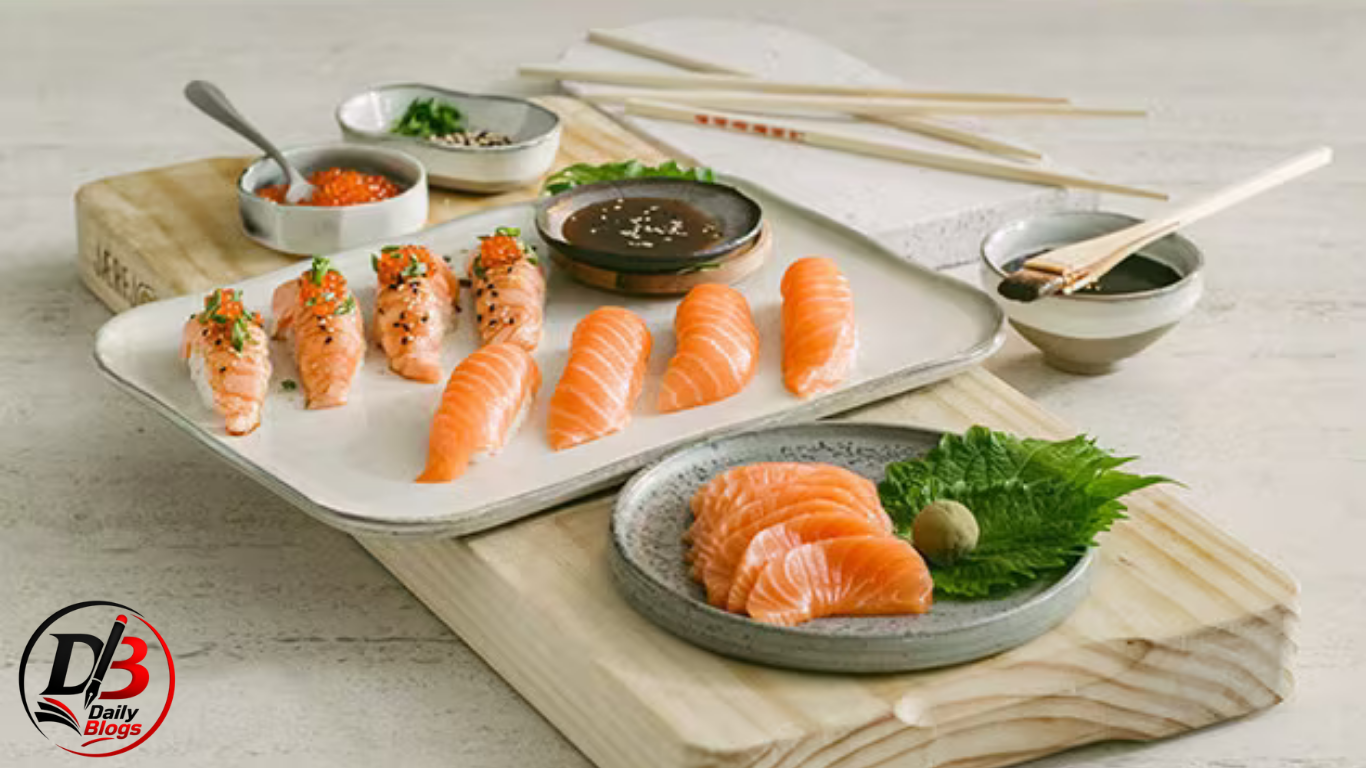
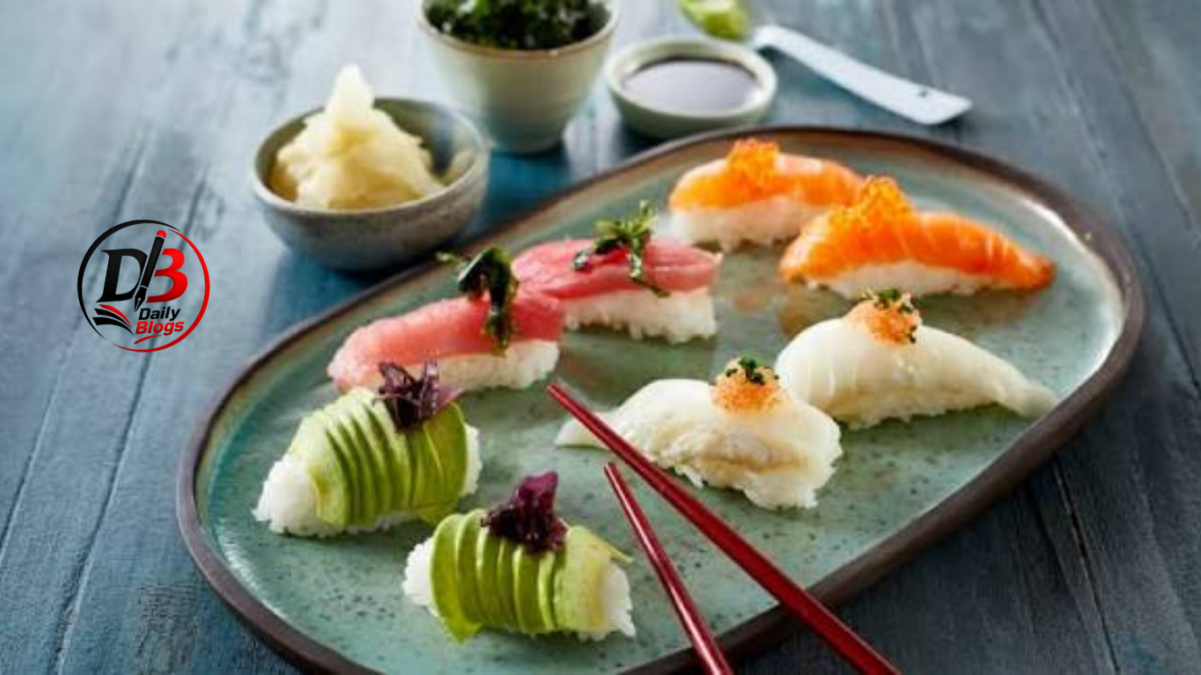
Few foods carry as much quiet elegance as nigiri. A single mound of vinegared rice, a delicate slice of fish draped over the top, perhaps a whisper of wasabi tucked between the two — it looks almost too simple to be remarkable. Yet nigiri has become one of the most recognised and celebrated dishes in the world, gracing everything from humble neighbourhood sushi bars to Michelin-starred counters where a single piece can cost more than a full meal elsewhere.
Its appeal lies in that very simplicity. There is nowhere to hide with nigiri. The rice must be seasoned just so, the fish must be impeccably fresh, and the balance between the two must be judged by hand and instinct rather than measured precisely. This is a dish that rewards decades of practice, and that is precisely why sushi chefs, food historians and diners alike continue to hold it in such high regard.
Understanding nigiri means understanding a slice of Japanese history — one shaped by necessity, ingenuity and, eventually, a global appetite for something both beautiful and delicious.
Origins and Background
Nigiri’s story begins not in a refined restaurant but on the busy streets of nineteenth-century Edo, the city that would later become Tokyo. Before nigiri existed in its modern form, sushi across Japan largely referred to narezushi, a method of preserving fish by fermenting it with rice over weeks or even months.
The dish we now recognise as nigiri emerged as a much faster, fresher alternative. Around the 1820s, a chef named Hanaya Yohei is widely credited with popularising nigirizushi — literally “hand-pressed sushi” — as a form of fast food for Edo’s workers and merchants. Rather than waiting weeks for fermentation, Yohei paired freshly caught fish with rice seasoned in rice vinegar, pressing it into bite-sized portions that could be eaten quickly, often standing up at a street stall.
This was, in essence, the original fast food: convenient, affordable and suited to a fast-growing urban population. Fish came straight from Tokyo Bay, meaning freshness was rarely an issue, and the dish’s popularity spread quickly through the city’s bustling food stalls.
What began as a practical solution to feeding a hungry city gradually evolved into something far more refined, as chefs began to experiment with technique, presentation and the growing variety of seafood available to them.
Evolution and Rise to Prominence
The role of the itamae, or sushi chef, became increasingly respected during this period. Training to become a fully qualified sushi chef in Japan traditionally takes many years, with apprentices often spending long periods simply learning to cook and season rice before they are permitted to handle fish at all. This lengthy apprenticeship system helped cement nigiri’s reputation as a discipline requiring genuine mastery, not merely assembly.
Nigiri’s international breakthrough came later, propelled by Japan’s post-war economic growth and the opening of high-end sushi restaurants abroad from the 1960s onwards.
By the 1980s and 1990s, sushi — and nigiri in particular — had shifted from a niche curiosity to a symbol of sophisticated dining across Europe, the Americas and beyond.
Today, nigiri sits at the heart of Japan’s culinary reputation on the world stage, and Tokyo’s sushi establishments regularly feature among the most acclaimed restaurants globally, some holding multiple Michelin stars for their nigiri-focused menus.
Challenges and Misconceptions
Nigiri’s global success has not come without complications. As demand for sushi-grade fish has grown internationally, so too have concerns around sustainability, particularly regarding species such as bluefin tuna, which has faced significant overfishing pressure in various parts of the world. Chefs and suppliers have increasingly had to navigate the tension between traditional preferences and responsible sourcing.
The dish has also suffered from widespread misunderstanding outside Japan. Nigiri is frequently confused with sashimi, despite the two being quite different — sashimi is simply sliced raw fish served without rice, while nigiri specifically combines fish with hand-shaped rice. Similarly, the mass adaptation of sushi for Western palates has, at times, diluted the precision and philosophy behind traditional nigiri, with some establishments prioritising novelty over the careful rice-to-fish balance that defines the dish at its best.
There have also been ongoing debates within the culinary world about authenticity, price accessibility and whether the elevation of nigiri into an exclusive, expensive experience has distanced it from its origins as an everyday food for working people.
Cultural Significance
Seasonality plays an important role too. This means a nigiri menu in summer may look markedly different from one served in winter, reflecting a deep-rooted respect for natural cycles rather than year-round uniformity.
Beyond Japan, nigiri has become something of a cultural ambassador, often serving as many people’s first meaningful introduction to Japanese cuisine. Its presence in popular culture — from film and television to social media — has further cemented its status as instantly recognisable, even among people who have never visited Japan.
Nigiri Today
In contemporary dining, nigiri continues to occupy a fascinating dual identity. On one hand, it remains available as an accessible, everyday meal through conveyor-belt sushi restaurants and supermarket offerings found across the world. On the other, it sits at the pinnacle of fine dining, with elite sushi counters in Tokyo, London, New York and elsewhere offering tasting menus built entirely around a small number of expertly prepared pieces.
Sustainability has become a defining conversation in the modern nigiri world, with a growing number of chefs and restaurants placing greater emphasis on responsibly sourced fish, lesser-known species, and closer relationships with fishing communities. This shift reflects broader changes in how the hospitality industry approaches seafood more generally.
Innovation continues alongside tradition. While purists maintain that classic nigiri requires nothing more than rice, fish and perhaps a touch of wasabi, other chefs have introduced subtle variations — different rice seasonings, alternative proteins, or plant-based interpretations — aimed at broadening the dish’s appeal without abandoning its fundamental technique.
Quick Facts
| Detail | Information |
| Dish Name | Nigiri (Nigirizushi) |
| Origin | Edo (present-day Tokyo), Japan |
| Approximate Era of Origin | Early to mid-1800s |
| Key Historical Figure | Hanaya Yohei (credited with popularising the style) |
| Main Ingredients | Vinegared rice, fresh fish or seafood |
| Traditional Serving Style | Hand-pressed, eaten in one bite |
| Global Spread | Gained prominence internationally from the 1960s–1980s onwards |
| Known For | Precision, freshness, minimalist presentation |
Legacy and Lasting Impact
Nigiri’s enduring appeal lies in its refusal to be anything other than what it is. In an era of increasingly elaborate food trends, its continued popularity speaks to a broader appreciation for craftsmanship, restraint and quality ingredients allowed to speak for themselves.
Its influence on global dining culture is difficult to overstate. Nigiri helped introduce raw fish to palates around the world that had previously been unfamiliar with it, reshaping perceptions of Japanese cuisine and paving the way for the broader popularity of Japanese food internationally. It has also elevated the role of the sushi chef into one of genuine artistry, inspiring documentaries, media coverage and renewed public interest in traditional culinary apprenticeships.
Perhaps most importantly, nigiri stands as a reminder that some of the most respected dishes in the culinary world began not in grand kitchens, but as practical, affordable food for ordinary people going about their day.
Conclusion
From its beginnings on the busy streets of Edo to its place today on some of the world’s most celebrated restaurant menus, nigiri has travelled an extraordinary distance while staying remarkably true to its original form. It remains, at its heart, a dish built on balance — of flavour, of texture, and of the quiet skill required to bring rice and fish together in perfect harmony.