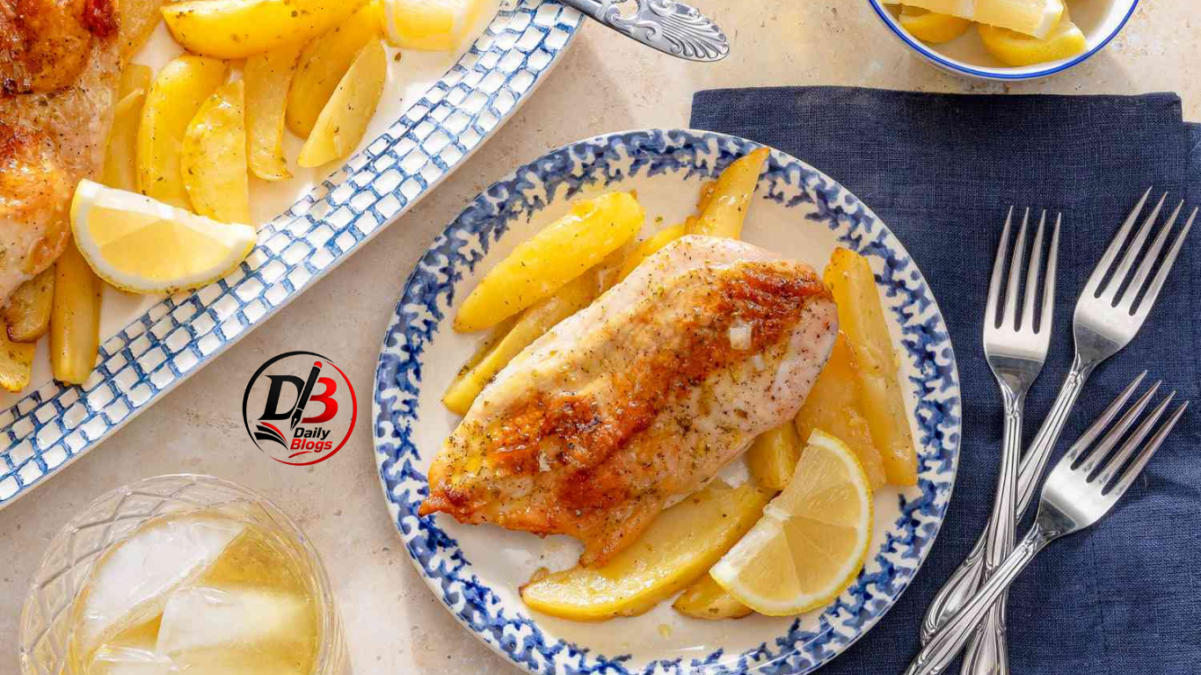
Few dishes capture the warmth of Mediterranean home cooking quite like Greek lemon chicken and potatoes. Bright, garlicky and deeply comforting, it’s the kind of meal that turns up at family tables across Greece and, increasingly, in kitchens all over the world.
Part of its enduring appeal lies in its simplicity. There’s no complicated technique here, no long list of obscure ingredients — just chicken, potatoes, lemon, olive oil and a handful of herbs, roasted together until everything turns golden and tender. Yet the result tastes far more impressive than the effort it takes to make it.
That balance of ease and flavour is exactly why readers keep searching for it, cooking it, and returning to it again and again. It’s a dish that rewards patience without demanding perfection, which may be the real secret to its lasting popularity.
Origins and Background
Greek lemon chicken and potatoes, sometimes known as kotopoulo lemonato or kotopoulo riganato depending on the region, has roots in traditional Greek home cooking rather than restaurant menus. It belongs to a broader family of Mediterranean one-pan roasts, where humble ingredients are transformed through slow roasting and a well-balanced marinade.
The dish draws on staples that have defined Greek cuisine for generations: lemon, olive oil, garlic and oregano. These ingredients aren’t just flavourings — they reflect the agricultural landscape of Greece, where olive groves and citrus trees are woven into daily life and cooking.
Historically, dishes like this one developed out of practicality. Families would roast chicken and potatoes together in a single pan, often taken to a communal village oven, as many rural households didn’t have their own. This shared cooking tradition helped cement the dish as a fixture of Greek family life, prepared for Sunday lunches, celebrations and everyday meals alike.
Its introduction to a wider audience came gradually, through Greek diaspora communities, Mediterranean cookbooks, and later, food blogs and television cooking shows that popularised Greek cuisine internationally from the late twentieth century onwards.
Rise to Popularity
From Regional Staple to Global Favourite
As Mediterranean cuisine gained international recognition for its health benefits and vibrant flavours, Greek lemon chicken and potatoes found a natural place in that wider movement. The Mediterranean diet’s emphasis on olive oil, lean protein and vegetables aligned perfectly with what this dish already offered.
Food writers and chefs helped bring the recipe into mainstream kitchens, adapting it slightly for different ovens, ingredient availability and dietary preferences, while keeping its essential character intact.
Recognition and Reputation
Today, the dish is widely regarded as a benchmark of comforting, no-fuss Mediterranean cooking. It regularly appears in roundups of classic Greek recipes and one-pan dinners, praised for its reliability and crowd-pleasing flavour.
Its reputation rests on consistency: when made well, with a generous marinade and properly roasted potatoes, it rarely disappoints. That dependability has made it a trusted recipe for home cooks who want something impressive without unnecessary complexity.
Notable Variations
Cooks across Greece and beyond have introduced their own twists over the years, including:
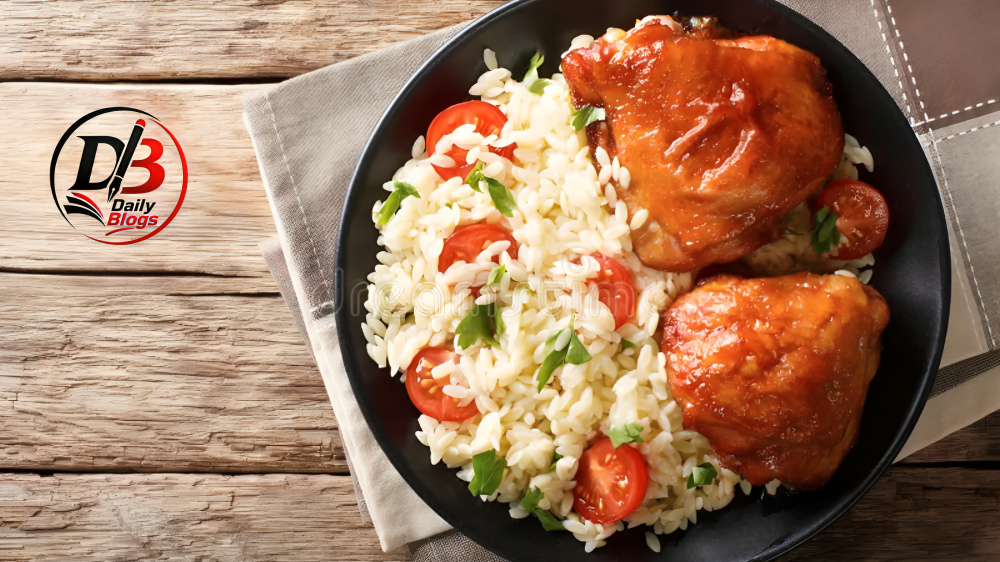
- Adding orzo or rice to the pan to absorb the lemony juices
- Using bone-in, skin-on chicken thighs for extra flavour and moisture
- Incorporating Dijon mustard or honey into the marinade for depth
- Finishing with crumbled feta and fresh herbs before serving
These variations show how adaptable the dish is, while the core combination of lemon, garlic and oregano remains largely untouched.
Common Challenges in Getting It Right
Despite its simplicity, the dish isn’t entirely foolproof. Home cooks often encounter a few recurring issues:
Soggy potatoes are the most common complaint, usually caused by overcrowding the pan or using too much liquid. Spreading the potatoes in a single layer and roasting at a high enough temperature helps them crisp properly.
Dry chicken can result from overcooking, particularly with leaner cuts like chicken breast. Many experienced cooks recommend using thighs or a whole cut-up chicken, which stay moister during roasting.
Underseasoned marinade is another frequent pitfall. Because lemon and olive oil form the backbone of the dish, skimping on either — or on the garlic and oregano — can leave the final result tasting flat.
Understanding these common mistakes has helped countless home cooks refine their technique over time, turning an average attempt into a genuinely memorable meal.
Ingredients and Preparation
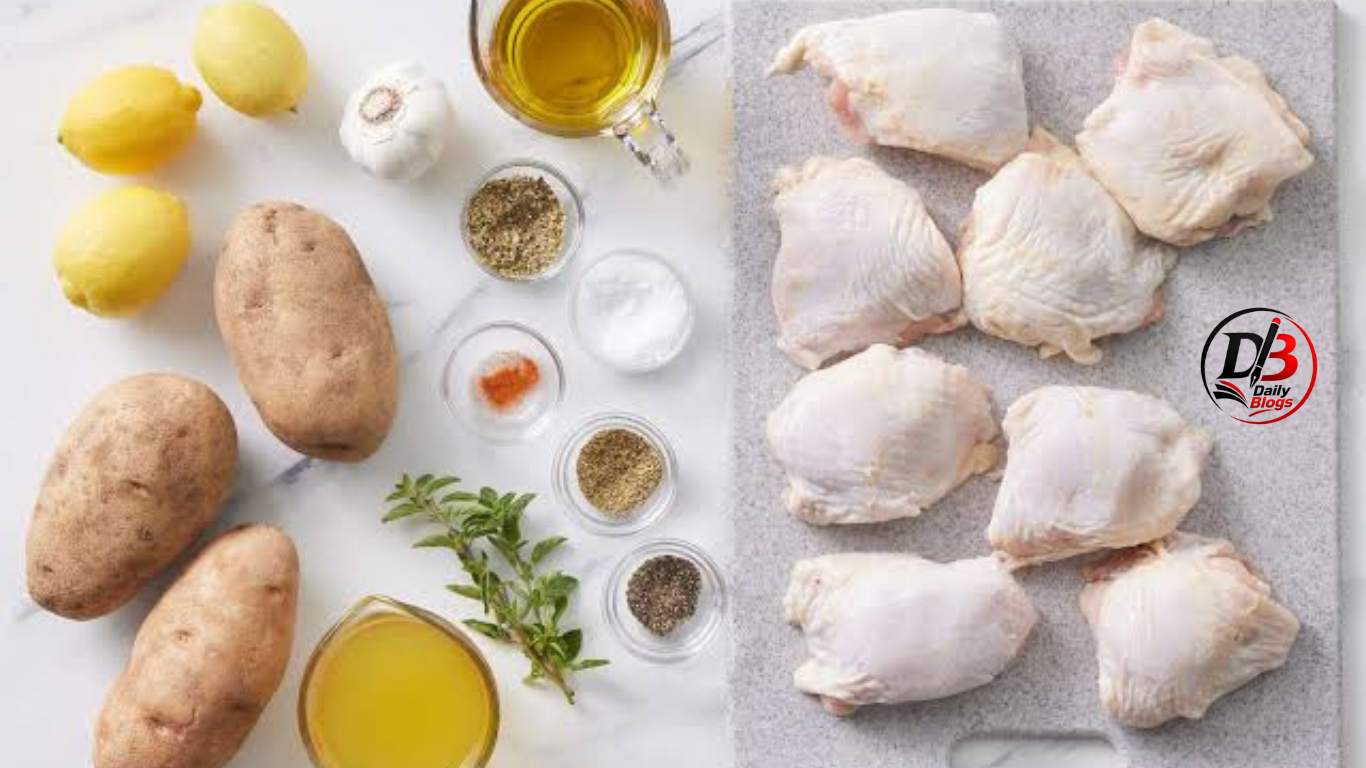
A traditional version typically includes:
- Bone-in chicken pieces (thighs, drumsticks, or a whole chicken cut into portions)
- Waxy potatoes, peeled and cut into wedges
- Fresh lemon juice and zest
- Olive oil
- Garlic cloves
- Dried oregano
- Salt and black pepper
- Chicken stock or water, added partway through roasting
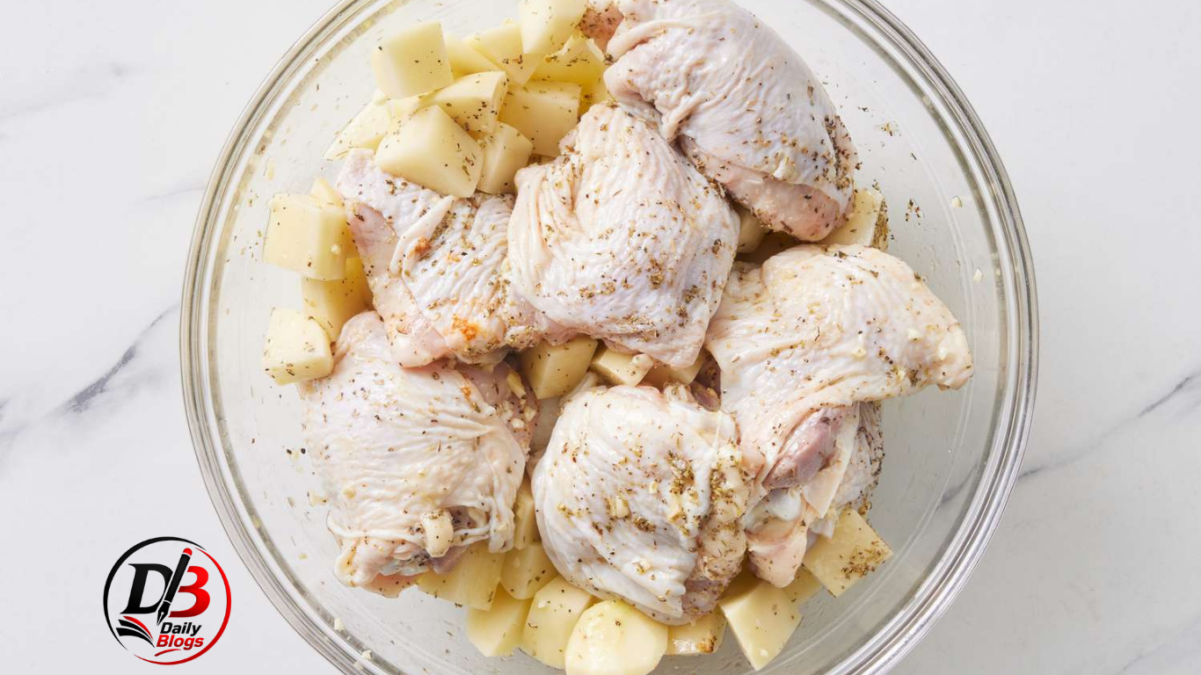
The chicken and potatoes are typically marinated together, then roasted at a high temperature, with stock added partway through to keep the potatoes moist before a final blast of heat crisps everything up.
Quick Reference
| Detail | Information |
| Dish Name | Greek Lemon Chicken and Potatoes |
| Also Known As | Kotopoulo Lemonato / Kotopoulo Riganato |
| Origin | Greece (traditional home cooking) |
| Cuisine Type | Mediterranean / Greek |
| Main Ingredients | Chicken, potatoes, lemon, olive oil, garlic, oregano |
| Cooking Method | Roasting (one-pan) |
| Typical Prep Time | 15–20 minutes |
| Typical Cook Time | 60–75 minutes |
Why the Dish Endures
Greek lemon chicken and potatoes remains popular because it delivers on something increasingly valued in modern cooking: honest, satisfying food made without excessive effort. It reflects a broader appreciation for Mediterranean flavours and one-pan meals that fit into busy lifestyles.
Beyond its practicality, the dish carries a sense of tradition and place. It connects home cooks, even those far from Greece, to a style of cooking rooted in family, seasonality and simplicity.
Its influence can be seen in the many roast chicken and potato variations that have followed, many borrowing its core technique of marinating before roasting.
Conclusion
Greek lemon chicken and potatoes has earned its place as a genuine classic — not through trends or reinvention, but through consistency, flavour and ease. It’s a dish that respects both the cook’s time and the diner’s expectations, which explains why it continues to appear on tables generation after generation.