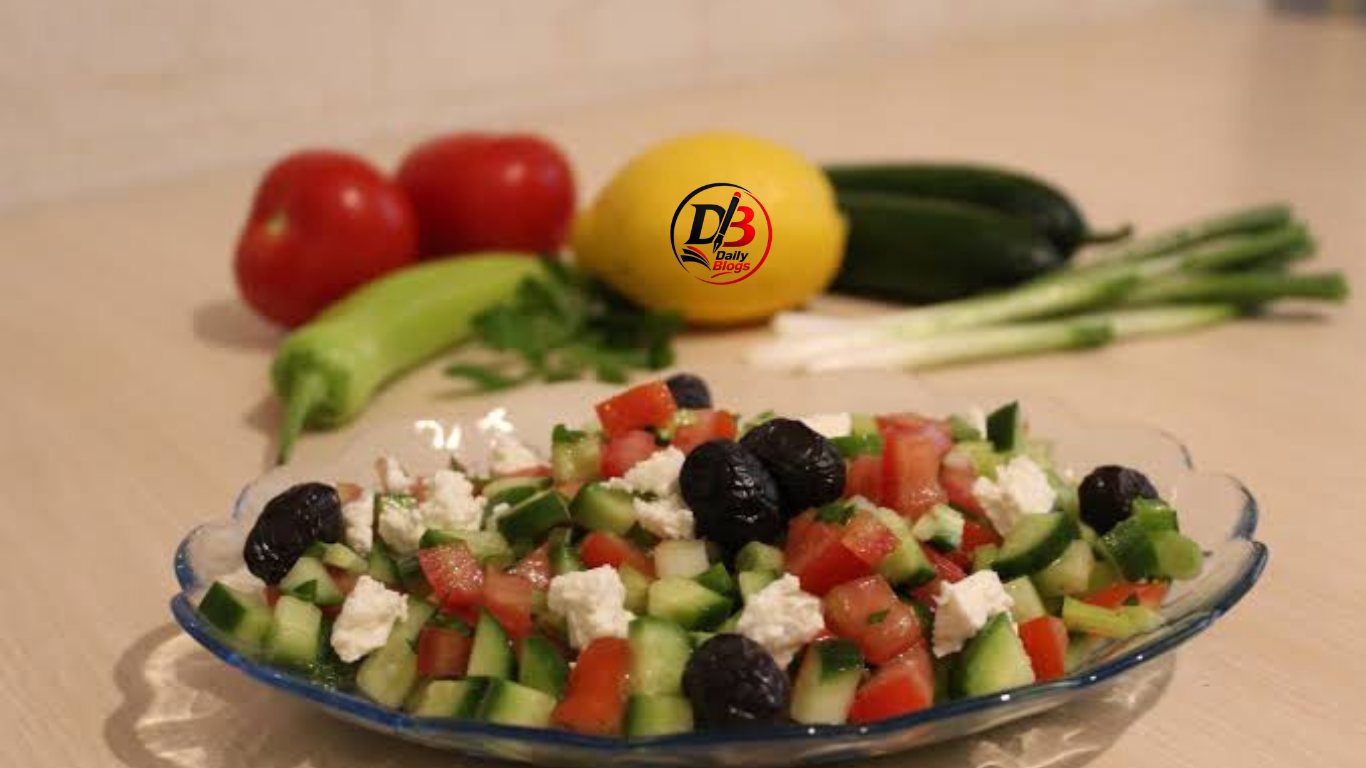
Searching for coban salatasi near me often leads food lovers straight to the bright, crunchy heart of Turkish cuisine. This simple chopped salad of ripe tomatoes, cool cucumbers, crisp peppers and fragrant parsley has become a staple wherever Turkish restaurants or Mediterranean kitchens appear. Its appeal is immediate: light, refreshing and packed with summer flavour, yet easy enough to prepare in minutes at home.
Whether you are hunting for a local spot that serves an authentic version or simply want to understand why this dish appears on so many menus, the story of coban salatasi is one of rural practicality meeting everyday pleasure. In the UK and beyond, demand for fresh, vegetable-forward sides continues to grow, and this Turkish classic fits the bill perfectly. Readers keep returning to it because it feels both familiar and distinctive—an uncomplicated plate that still manages to taste like sunshine.
Early Life and Background of Coban Salatasi
Coban salatasi, or çoban salatası in Turkish, translates directly as “shepherd’s salad.” The name points to its humble beginnings among rural herders in Anatolia. Shepherds would carry a few durable vegetables—tomatoes, cucumbers, onions and peppers—into the pastures. At lunch they would roughly chop whatever they had and eat it with a pinch of salt, sometimes a splash of oil or lemon if available. The result was a hydrating, nourishing meal that required no cooking.
Reliable sources note that the dish as we know it today only became widespread in the mid-twentieth century. Tomatoes, now central to the salad, arrived in the Ottoman lands from the Americas centuries earlier, but they took time to enter everyday village cooking. By the 1950s, city restaurants had refined the rustic field snack into the finely diced version still served across Turkey. Historians such as Musa Dağdeviren have observed that written references to the salad are scarce before that decade, underlining its relatively recent formalisation even while its spirit remains pastoral.
Early interests were practicality and seasonality. When tomatoes and cucumbers are at their peak, the salad tastes best. That seasonal focus still guides how many people approach it today, whether they search for coban salatasi near me in summer or recreate it at home with the best produce they can find.
Career and Rise to Fame
Coban salatasi began as a private lunch for shepherds and quickly moved onto restaurant tables. Its breakthrough came with the growth of Turkish urban dining and the rise of kebab houses and meyhane culture. Diners discovered that the sharp, juicy salad cut through richer grilled meats and rice dishes perfectly. It required no special equipment and used ingredients almost every kitchen already held.
Major milestones include its firm place on everyday Turkish menus and its quiet export abroad. In the UK, Turkish restaurants from London to Manchester routinely list shepherd’s salad or coban salatasi as a side. Mediterranean and Middle Eastern spots often offer near-identical versions. Collaborations of a culinary kind occur whenever a chef pairs it with grilled halloumi, kebabs, pide or simply good bread for mopping up the juices that gather at the bottom of the bowl.
Public reputation is one of reliable freshness. Critics and home cooks alike praise its lack of pretension. Awards are informal—the quiet recognition that a dish appears on tables from Istanbul to Birmingham without needing reinvention. Its reputation rests on consistency: chop finely, dress lightly, serve immediately. That straightforward excellence has kept it popular for decades.
Personal Challenges or Turning Points
Like many traditional dishes, coban salatasi has faced the challenge of modern produce. Out-of-season tomatoes can be watery or flavourless, and supermarket cucumbers sometimes lack the snap of smaller Turkish or Persian varieties. Cooks respond by choosing the best available fruit, sometimes peeling tomatoes for a softer texture, or adding a pinch of sumac for extra tang when lemon alone feels insufficient.
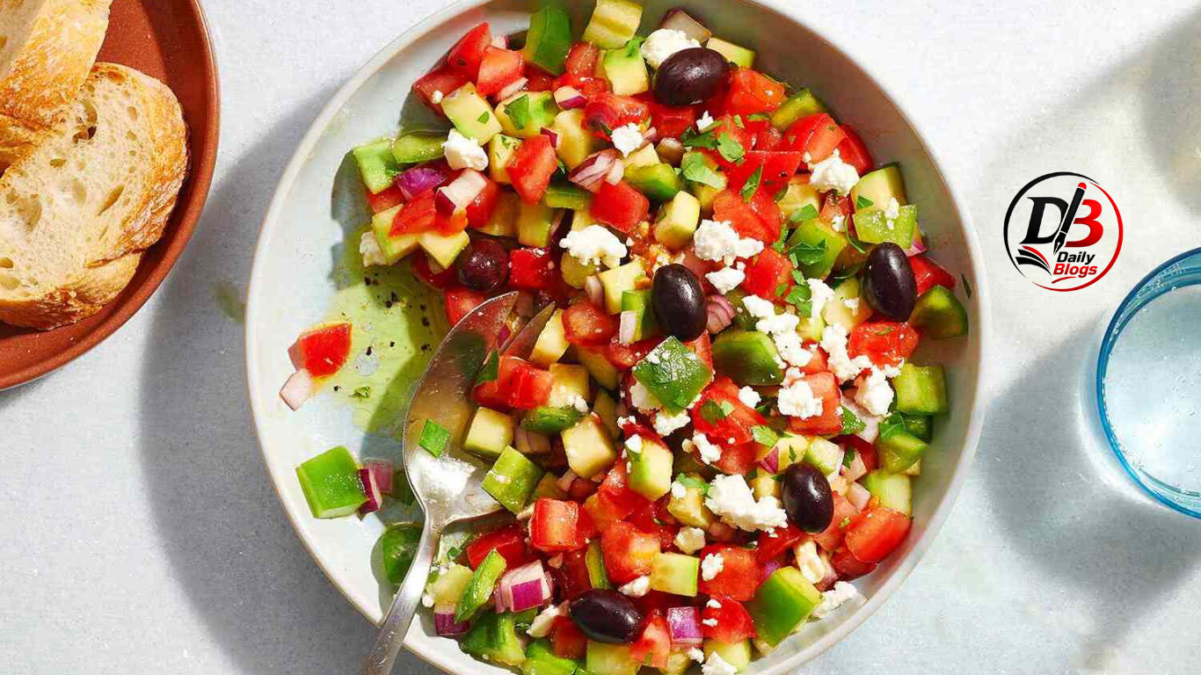
Career setbacks, if one can call them that, appear mainly as regional variations that dilute the original simplicity. Some versions introduce feta or olives, edging closer to Greek salad; others omit the green pepper. Purists note that the classic Turkish plate stays lean and herb-forward. Major life events for the dish have been migration and globalisation: Turkish communities abroad carried the recipe with them, ensuring that anyone searching for coban salatasi near me in British cities can usually find a competent version.
Personal growth is visible in the salad’s adaptability. It remains vegan, gluten-free and naturally low in calories while still feeling satisfying. Resilience shows in its refusal to become complicated. When trends favour elaborate bowls or heavy dressings, coban salatasi continues to prove that four or five well-chosen ingredients, treated with care, are enough.
Personal Life of the Dish
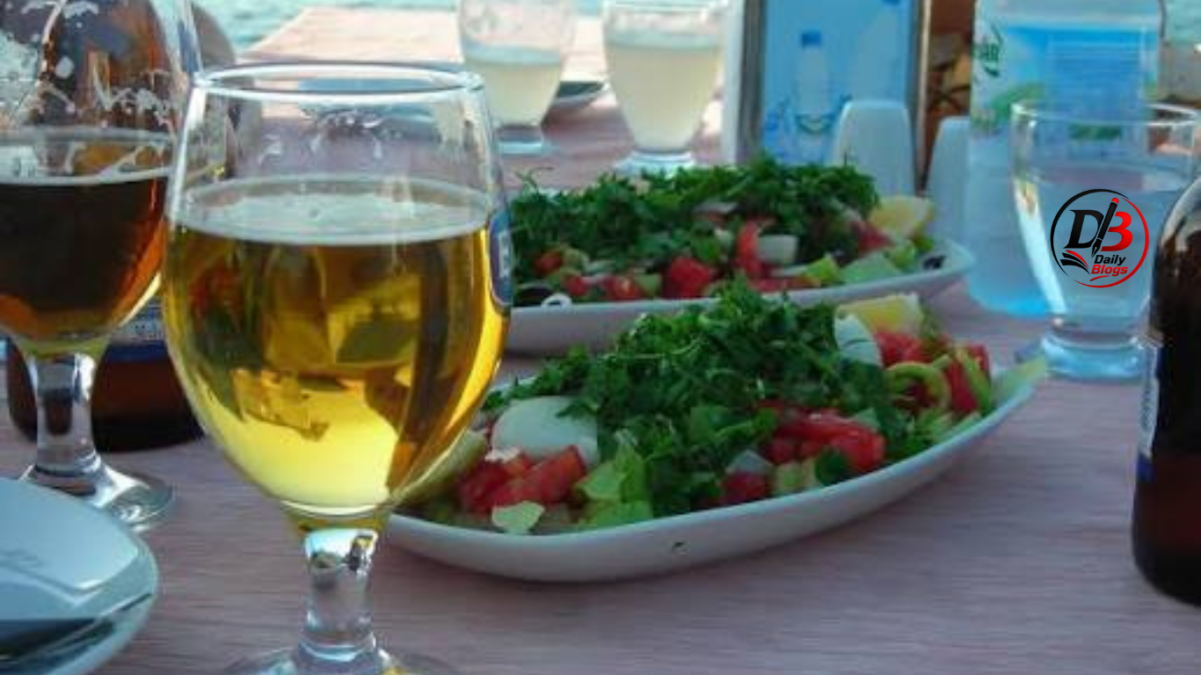
Publicly confirmed details of coban salatasi centre on its core ingredients and preparation. The salad typically contains finely diced ripe tomatoes, cucumbers (often the smaller, thinner-skinned kinds), long mild green peppers or a little green bell pepper, red or spring onion, and a generous amount of flat-leaf parsley. Optional additions in some households include a little mint or a light sprinkle of sumac.
The dressing is almost always extra-virgin olive oil, fresh lemon juice and salt, sometimes with a touch of black pepper or mild vinegar. No cream, no mayonnaise, no heavy spices. Relationships with other dishes are companionable: it sits happily beside grilled meat, fish, rice, bulgur or simply crusty bread. Family life in Turkish homes means it appears at almost every summer table and many winter ones when good tomatoes can still be found.
Public statements from cooks and writers emphasise its everyday nature. It is not a showpiece for special occasions but a daily pleasure. Speculation about secret ingredients or elaborate techniques finds no support in reliable sources; the salad’s strength is transparency.
Later Career and Current Activities
Today coban salatasi remains a fixture in Turkish restaurants and an easy weeknight side for home cooks. Recent work includes its steady presence on takeaway menus and in meal-kit style recipes that highlight fresh chopping over long cooking. Public appearances occur whenever food writers list essential Turkish dishes or when Mediterranean restaurant guides recommend the shepherd’s salad as a reliable order.
Charity or community work is less formal, yet the dish participates in a broader culture of sharing seasonal produce. Business ventures appear mainly as restaurant specials or packaged versions in delis, though most people still prefer it made to order. Advocacy for the salad is quiet: it simply demonstrates that healthy, flavourful food need not be expensive or time-consuming.
Other professional activities include its role in teaching basic knife skills and the importance of seasoning. Many cooks first learn to balance acid, oil and salt through this straightforward plate. For anyone typing “coban salatasi near me” into a search bar, the practical result is usually a short list of nearby Turkish or Mediterranean eateries, or a quick decision to make it themselves.
Quick Bio
| Detail | Information |
| Full Name | Çoban salatası (Coban salatasi / Shepherd’s salad) |
| Date of Birth | Popularised mid-20th century (1950s onwards) |
| Place of Birth | Turkey (Anatolian pastoral tradition) |
| Nationality | Turkish |
| Profession | Side salad / everyday table dish |
| Years Active | 1950s–present |
| Known For | Chopped tomato-cucumber salad with lemon and olive oil |
| Estimated Net Worth | N/A (culinary tradition) |
Legacy and Lasting Impact
Coban salatasi remains important because it embodies a clear culinary philosophy: use excellent seasonal ingredients, treat them simply, and let their natural flavours shine. Its influence appears across the eastern Mediterranean in countless chopped salads that share the same logic. Public perception is warmly practical; diners trust it to refresh the palate and accompany richer dishes without competing.
Lessons from its “career” are straightforward. Good food does not require complexity. Freshness matters more than novelty. A dish that began as a shepherd’s lunch can travel the world and still feel local when made with care. In an age of elaborate plating and long ingredient lists, the salad’s quiet persistence offers a useful reminder of restraint and balance.
Conclusion
From its origins in the pastures of Anatolia to its place on restaurant menus and kitchen tables far from Turkey, coban salatasi has stayed true to a simple idea. Ripe tomatoes, crisp cucumber, sharp onion, green pepper and parsley, dressed with lemon and olive oil, deliver more pleasure than many more complicated creations. Searching for coban salatasi near me remains a reliable way to find that pleasure, whether the answer is a nearby Turkish restaurant or a quick trip to the greengrocer followed by ten minutes of chopping.