Sushi has long held a reputation as a lighter alternative to many takeaway options, yet not every roll on the menu lives up to that image. Specialty creations loaded with tempura, creamy sauces or extra rice can quietly push a single order past 400 or even 500 calories. For anyone watching their intake while still craving the clean flavours of Japanese cuisine, knowing the lowest calorie sushi rolls makes all the difference.
Interest in these lighter choices has grown steadily. More people want meals that feel satisfying without the heavy aftermath, and sushi’s combination of protein, vegetables and portion control fits that brief well when chosen carefully. Whether you are ordering at a local restaurant, picking up supermarket packs or making rolls at home, a few simple guidelines help keep calories in check while preserving the experience that makes sushi so appealing.
Understanding What Drives Sushi Calories
The biggest contributor is usually the vinegared rice. A standard maki roll can contain a surprising amount of it, and that rice is seasoned with sugar as well as vinegar. Add avocado, mayonnaise-based sauces, cream cheese or deep-fried elements and the numbers climb quickly. Lean fish and crisp vegetables, by contrast, keep the count modest.
Portion size also matters. Restaurants typically serve six to eight pieces per roll, but thickness and filling density vary. Asking for less rice or choosing thinner hosomaki-style rolls can reduce the total without sacrificing much flavour. Soy sauce, while low in calories itself, is high in sodium, so light dipping rather than soaking remains the wiser approach.
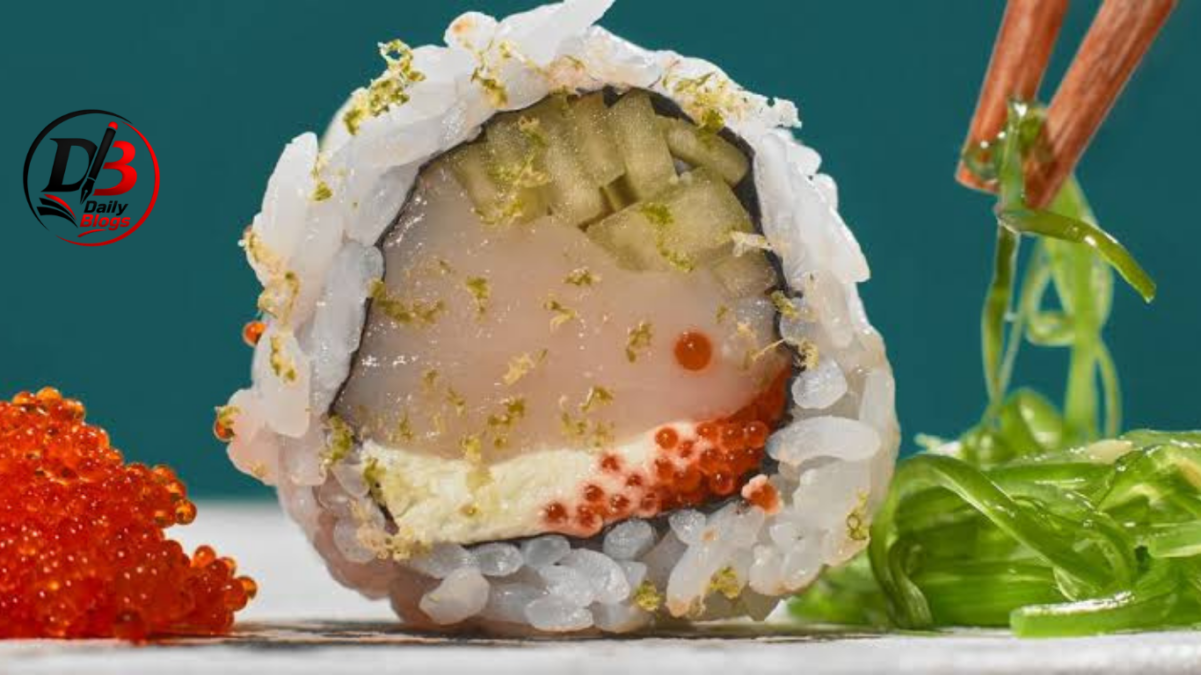
The Lowest Calorie Sushi Rolls
Among traditional rolls, a few consistently rank as the lightest options.
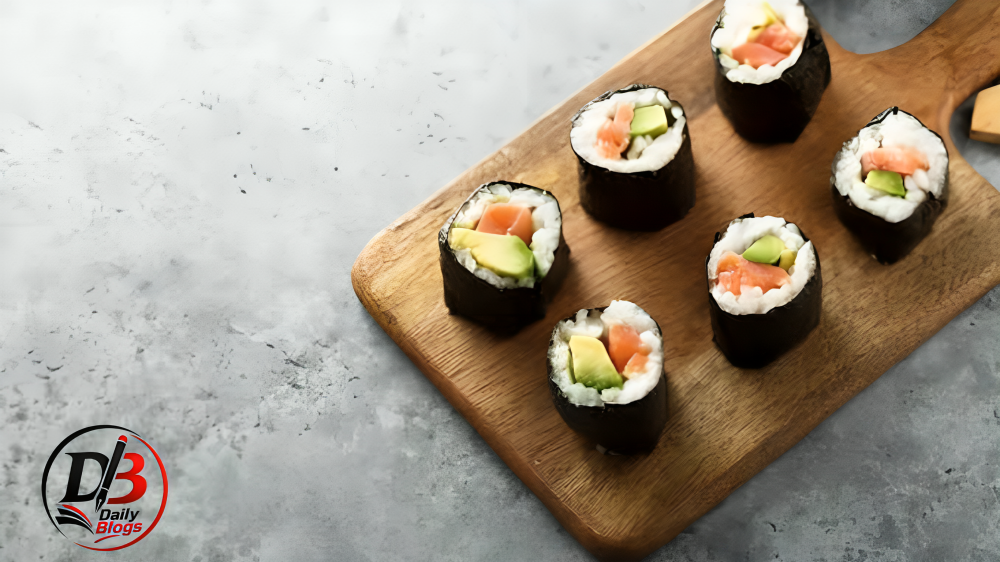
Cucumber roll (kappa maki) regularly emerges as one of the lowest calorie sushi rolls. Made with little more than rice, nori and fresh cucumber, a full roll usually sits between 135 and 200 calories depending on rice quantity. The cucumber adds refreshing crunch and almost no fat, making it an excellent vegetarian starting point or side to pair with higher-protein choices.
Avocado roll follows closely. The healthy fats from the avocado raise the count slightly—typically 140 to 190 calories per roll—but they also improve satiety. It remains a solid plant-based pick and pairs well with wasabi and pickled ginger.
Tuna roll (tekka maki) offers a lean-protein alternative. Raw tuna is naturally low in fat, so a standard roll lands around 184 to 200 calories while delivering a good amount of protein. Salmon rolls sit a little higher because of the fish’s natural oils, often in the 210 to 230 range, yet they still qualify as moderate.
Vegetable rolls using a mix of cucumber, carrot, pickled radish or asparagus generally stay under 170 to 200 calories. These options provide fibre and micronutrients with minimal fat. Simple shrimp or prawn rolls without tempura also stay relatively light, often under 200 calories when prepared plainly.
By comparison, a classic California roll usually ranges from 225 to 300 calories, while spicy tuna or Philadelphia rolls climb further once mayonnaise or cream cheese enters the picture. Tempura shrimp or dragon-style rolls can easily exceed 400 to 500 calories.
Sashimi, Nigiri and Other Light Alternatives
Strictly speaking, sashimi is not a roll, yet it deserves mention as the lowest-calorie sushi-related choice. Thin slices of raw fish without rice typically contain 25 to 40 calories per ounce or piece, depending on the variety. Tuna, salmon, yellowtail and white fish all deliver high-quality protein and omega-3 fats with virtually no carbohydrates.
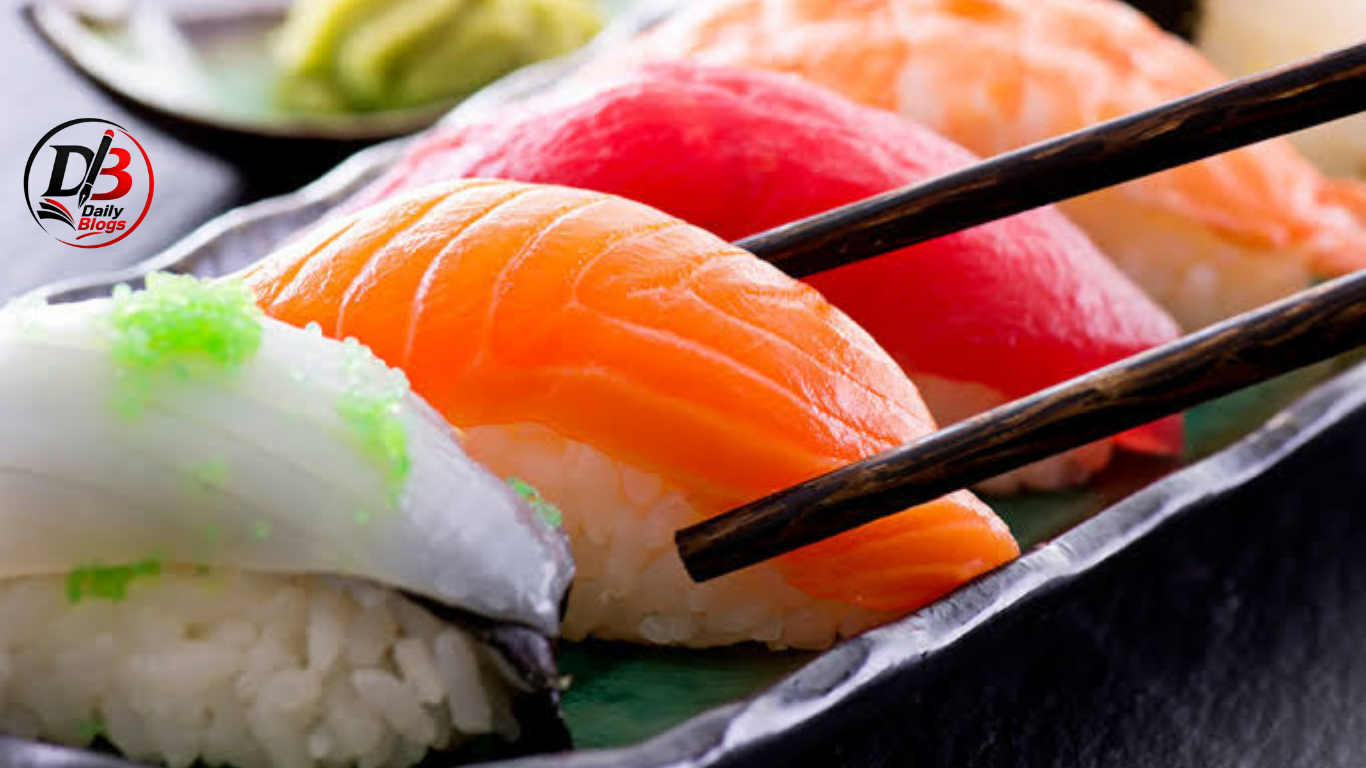
Nigiri sits in a useful middle ground: a modest mound of rice topped with a slice of fish. Most pieces fall between 40 and 60 calories. Six pieces of tuna or salmon nigiri therefore provide a balanced, higher-protein meal that still feels substantial. Ordering sashimi or nigiri alongside a single light roll is one of the most effective ways to keep an entire meal under 400 calories while remaining satisfied.
Naruto-style rolls, in which thinly sliced cucumber replaces both the nori and much of the rice, offer another low-calorie route for those who prefer the rolled format. These can drop the carbohydrate load dramatically.
Practical Tips for Ordering the Lowest Calorie Sushi Rolls
When dining out, start by scanning for the simplest names on the menu. Words such as “tempura,” “crispy,” “spicy mayo,” “cream cheese,” “eel sauce” or “special” usually signal higher calories. Requesting sauce on the side, asking for brown rice if available, or requesting “light rice” can shave meaningful amounts from the total.
Pair a cucumber or tuna roll with a small portion of edamame and a clear miso soup for added volume and protein without many extra calories. Share larger specialty rolls rather than ordering one each. At supermarket counters, check the nutrition labels; many pre-packed selections now list calories clearly, and the simpler cucumber, tuna or salmon options tend to be the lightest.
Sodium remains a consideration. Even low-calorie rolls can contribute significant salt through soy sauce, nori and seasoned rice. Choosing low-sodium soy or limiting dips helps balance the overall profile.
Making Lower-Calorie Versions at Home
Home preparation gives the greatest control. Using less rice, swapping some or all of it for cauliflower rice, and focusing on cucumber, lean fish, prawns or avocado keeps calories low. A basic cucumber or tuna roll made with modest rice can comfortably stay under 150 calories for six pieces. Adding a light sprinkle of sesame seeds or a thin slice of avocado still preserves the classic texture and taste.
Fresh fish quality is essential for both safety and flavour. If you are new to handling raw fish, start with cooked prawn or fully vegetable fillings until you feel confident. Rolling tightly and slicing with a sharp, damp knife produces neat pieces that look as good as any restaurant offering.
Nutritional Context and Balance
Low-calorie does not automatically equal nutritionally complete. Cucumber rolls are wonderfully light but relatively low in protein, so pairing them with sashimi, nigiri or edamame creates a more balanced plate. Fatty fish such as salmon contribute valuable omega-3s even if they add a few extra calories. Seaweed itself supplies iodine and other minerals in useful amounts.
Sushi can fit comfortably into weight-management or general healthy-eating patterns when the focus stays on simplicity. The combination of protein, fibre from vegetables and controlled portions supports satiety better than many higher-calorie alternatives. As with any food, variety and overall dietary pattern matter more than any single meal.
Quick Comparison of Popular Options
| Sushi Type | Approx. Calories (6–8 pieces) | Key Notes |
| Cucumber roll (kappa maki) | 135–200 | Lowest among common rolls |
| Avocado roll | 140–190 | Healthy fats, vegetarian |
| Tuna roll | 184–200 | High protein, lean |
| Salmon roll | 210–230 | Omega-3s, moderate |
| California roll | 225–300 | Mid-range, often includes mayo |
| Spicy tuna roll | 240–290 | Mayo raises the count |
| Shrimp tempura roll | 420–500+ | Fried coating adds significantly |
| Sashimi (per piece) | 25–40 | No rice, pure protein |
Figures are approximate averages drawn from common restaurant and nutritional data; actual values vary by preparation and portion size.
Legacy of Simpler Choices
The enduring appeal of the lowest calorie sushi rolls lies in their honesty. Traditional Japanese preparations prioritised quality ingredients and restraint long before calorie counting became widespread. Choosing cucumber, tuna or plain vegetable rolls reconnects with that spirit while still delivering the visual pleasure and clean taste that keep people returning to sushi.
These lighter options demonstrate that enjoying restaurant or takeaway food need not mean abandoning nutritional awareness. Small, informed decisions—skipping the tempura, requesting lighter rice, pairing rolls with sashimi—add up without feeling restrictive.
Conclusion
The lowest calorie sushi rolls prove that Japanese cuisine can remain both enjoyable and measured. Cucumber, avocado and tuna rolls, along with sashimi and simple nigiri, offer reliable ways to keep energy intake sensible while still experiencing the textures and flavours that make sushi special. With a little knowledge of what drives the calorie count and a preference for simpler preparations, it becomes easy to order or prepare meals that satisfy without excess.