Mezcal has moved from a niche curiosity found in dusty cantinas to one of the most talked-about spirits on drinks menus across the world. Ask any bartender or spirits enthusiast what they’ve been reaching for lately, and there’s a good chance mezcal comes up. But with hundreds of producers, a dozen agave varieties and an ever-expanding shelf of options, working out what actually counts as the best mezcal can feel overwhelming.
This guide explains what makes mezcal distinctive, how it differs from its better-known cousin tequila, and what to look for when choosing a bottle. Whether you’re new to the category or already have opinions about your favourite palenque, understanding the fundamentals will help you drink more thoughtfully and appreciate why this spirit has earned such a devoted following.
Rather than crowning a single “best” bottle, which largely comes down to personal taste, this article focuses on the qualities that define genuinely excellent mezcal, so you can make informed choices whether you’re sipping neat, mixing cocktails, or buying a gift for a spirits lover.
Origins and Background
Mezcal’s story stretches back centuries, long before it became fashionable in cocktail bars from London to Los Angeles. The spirit is produced primarily in Oaxaca, though it is also made in states including Guerrero, Durango, San Luis Potosí and Michoacán. Its roots lie in the indigenous distillation traditions of Mexico, which predate widespread European influence and were later shaped by the introduction of copper stills.
Unlike tequila, which by law must be made from blue Weber agave, mezcal can be produced from more than thirty different agave species, each contributing its own character. Espadín is the most widely cultivated and forms the backbone of most commercial mezcal, but wild and semi-wild varieties such as Tobalá, Tepeztate and Madrecuixe are prized by connoisseurs for their complexity and scarcity.
Traditional production still relies on methods passed down through generations. Agave hearts, known as piñas, are roasted in earthen pits lined with volcanic rock, giving mezcal its signature smokiness. They are then crushed, often by a stone wheel called a tahona pulled by a horse or mule, before natural fermentation and distillation in clay or copper pots. This artisanal process is central to why mezcal is often described as a spirit that expresses a genuine sense of place.
Rise to Global Recognition
Mezcal’s growth in popularity has been steady rather than overnight. For decades it was consumed mainly within Mexico, often dismissed internationally as a rougher alternative to tequila. That perception began shifting in the early 2000s as bartenders and spirits importers started championing small producers and educating drinkers about the category’s depth.
Key milestones have shaped the spirit’s reputation. The establishment of the Denomination of Origin for mezcal helped formalise production standards and protect the term for spirits made in designated regions. International bartending competitions began featuring mezcal-based cocktails, introducing the spirit to a wider audience. Meanwhile, a wave of documentaries and food and drink publications turned their attention to the palenques of Oaxaca, highlighting the craftsmanship behind each bottle.
Collaborations between mezcal producers and celebrity backers, chefs and mixologists have also raised the category’s profile considerably. Numerous well-known brands now carry endorsements from actors, musicians and athletes, which has undeniably broadened mezcal’s appeal, even as purists caution that fame doesn’t always correlate with quality.
Today, mezcal enjoys a reputation as a sophisticated, terroir-driven spirit. Industry awards, including recognition at international spirits competitions, have gone to both large-scale and boutique producers, reflecting a category that rewards both consistency and experimentation.
Challenges Facing the Industry
Mezcal’s popularity has brought real benefits to producers, but it has also created significant pressure. Agave takes anywhere from seven to twenty-five years to mature depending on the species, and rising global demand has outpaced supply in some regions. This has led to concerns about overharvesting, particularly of slower-growing wild varieties.
Sustainability has become one of the most pressing issues in the category. Some producers and cooperatives have introduced replanting programmes and are working with agronomists to protect biodiversity, but the strain on land and traditional practices remains a genuine concern for the industry’s long-term future.
There are also questions around fair compensation. As mezcal has become fashionable internationally, some smaller producers have voiced frustration that the financial rewards of the boom haven’t always reached the communities doing the traditional labour. Several cooperatives and certification initiatives have emerged specifically to address this imbalance, promoting more equitable trade relationships between producers and international distributors.
Counterfeit and low-quality products have also entered the market as demand has grown, making it harder for newcomers to distinguish genuine artisanal mezcal from mass-produced imitations riding on the category’s popularity.
Culture and Tradition
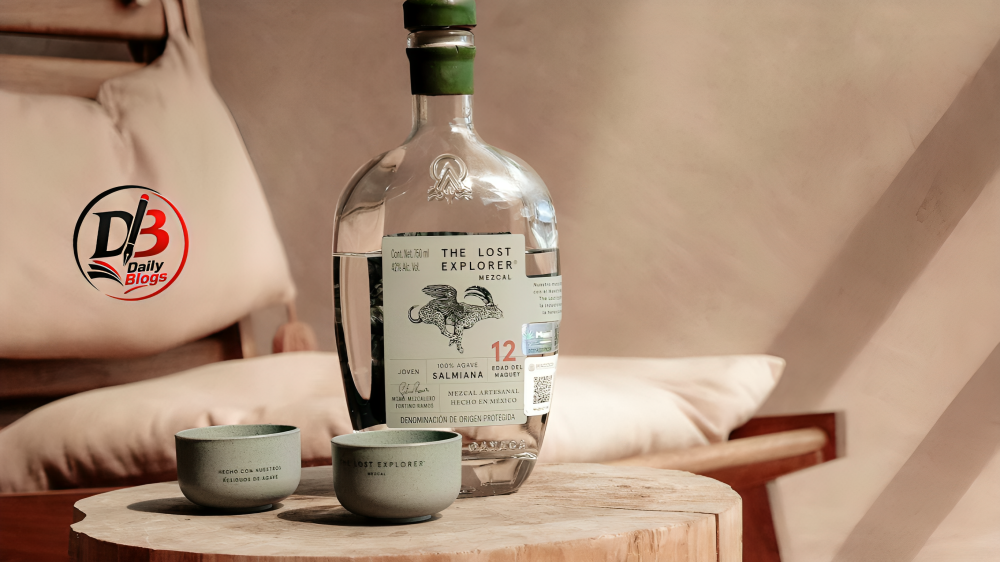
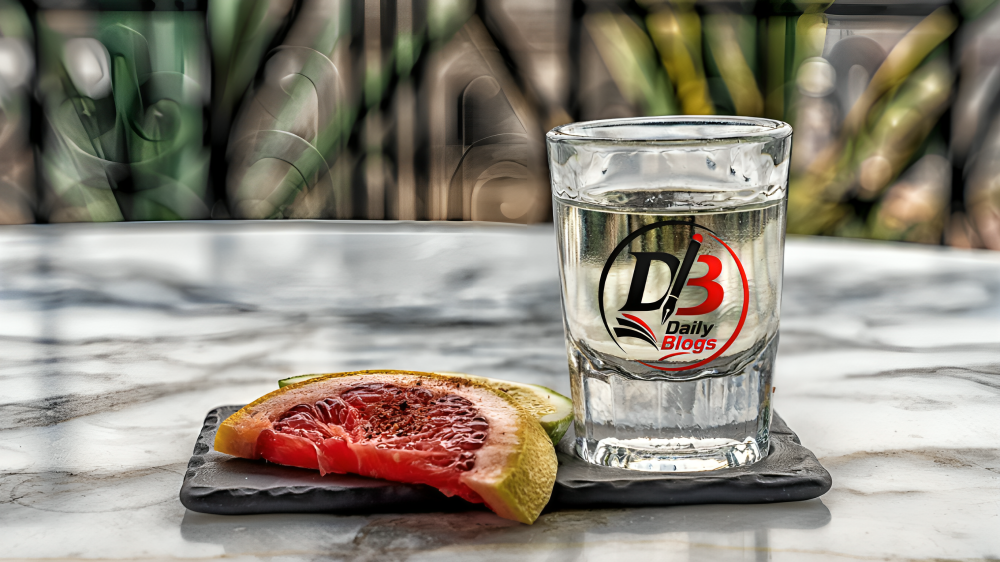
Mezcal is deeply woven into Mexican cultural life, far beyond its role as a drink. In many Oaxacan communities, it is central to celebrations, religious festivals and rites of passage. It is traditionally served in small clay cups called copitas and often accompanied by orange slices dusted with sal de gusano, a salt made with dried, ground agave worm and chilli.
The communal aspect of drinking mezcal remains important. Sharing a bottle is often treated as a social ritual rather than a quick pour, with sipping done slowly to appreciate the spirit’s aroma and complexity. This cultural context is part of why enthusiasts encourage newcomers to taste mezcal neat before mixing it into cocktails, at least the first time.
Families involved in mezcal production frequently pass down their techniques across generations, and many palenques remain small, family-run operations rather than industrial facilities. This heritage is a significant part of what drinkers are paying for when they buy a well-made bottle.
Current Trends and What’s Next
Mezcal’s evolution continues, with several trends shaping the category today. Sustainably focused and organic-certified mezcals are gaining traction among environmentally conscious consumers. Ensemble mezcals, blended from multiple agave species, are also becoming more common, offering complexity that single-varietal bottles can’t always achieve.
Cocktail culture has embraced mezcal well beyond the classic mezcal margarita, with bartenders experimenting with mezcal negronis, smoky twists on the old fashioned, and mezcal-based tiki drinks. Restaurants and bars increasingly dedicate entire menu sections to the spirit, reflecting sustained rather than fleeting interest.
Meanwhile, education-focused tastings and mezcal-specific bars have opened in major cities worldwide, helping demystify the category for curious drinkers. Producers are also experimenting with ageing mezcal in wood, creating reposado and añejo styles that appeal to those who enjoy the character oak barrels bring to whisky and rum.
What Makes a Great Mezcal
Quality Indicators
- Transparency about production: Reputable brands disclose the agave species used, the region of origin and whether the mezcal is produced using traditional methods.
- Certification: Look for the Denomination of Origin seal, which confirms the spirit was produced in an authorised region following regulated standards.
- Small-batch craftsmanship: Many of the most highly regarded mezcals come from producers working in limited quantities, prioritising flavour over volume.
- Balanced smokiness: The best mezcal isn’t defined purely by how smoky it is; a well-made bottle balances smoke with the natural sweetness and vegetal notes of the agave.
Quick Facts
| Detail | Information |
| Primary Region | Oaxaca, Mexico (also Guerrero, Durango, San Luis Potosí, Michoacán) |
| Main Ingredient | Agave (over 30 species used) |
| Traditional Production | Pit-roasting, tahona crushing, clay or copper pot distillation |
| Common Styles | Joven, Reposado, Añejo, Ensemble |
| Legal Protection | Denomination of Origin |
| Typical ABV | 40–55% |
| Popular Serving Style | Neat, in copitas, with orange and sal de gusano |
Legacy and Lasting Impact
Mezcal’s growing international reputation has done more than boost sales figures; it has renewed appreciation for traditional Mexican craftsmanship and given smaller producers a platform they didn’t previously have. The spirit has become a symbol of authenticity in a drinks industry often dominated by mass production.
Its influence on cocktail culture has been significant, encouraging bartenders to think beyond tequila and explore how smoke, terroir and agave variety can transform a drink. For many spirits enthusiasts, mezcal represents a shift towards valuing process and provenance as much as flavour.
The ongoing conversations around sustainability and fair trade within the industry also offer a broader lesson: as demand grows, protecting the traditions and communities behind a product matters just as much as celebrating it.
Conclusion
Mezcal’s journey from regional tradition to global favourite reflects a genuine appreciation for craftsmanship, patience and place. The best mezcal isn’t necessarily the most expensive or the most famous bottle on the shelf; it’s one made with care, transparency and respect for the agave it comes from.
As the category continues to grow, drinkers have more excellent options than ever, alongside a responsibility to support producers who are doing things properly. Whether you’re just starting to explore mezcal or already have a favourite palenque, there’s always another bottle worth discovering.