Few dishes manage to be both an everyday staple and a source of genuine culinary curiosity, but seaweed salad pulls off that balancing act with ease. Served in sushi restaurants, health food cafés and family kitchens across the world, it has quietly become one of the most recognisable ocean-based dishes on modern menus.
Its appeal lies in its contradictions. Seaweed salad is simple enough to prepare at home in minutes, yet its flavour and texture feel distinctly special. It is rooted in centuries-old coastal traditions, yet it has found a new audience among health-conscious diners looking for nutrient-dense, low-calorie options. That blend of heritage and relevance is precisely why people continue to search for it, order it and ask questions about what it actually is.
This article looks at where seaweed salad comes from, what goes into it, the health considerations worth knowing, and why it continues to hold its place on menus decades after it first became widely available outside coastal communities.
The Origins and History of Seaweed Salad
Seaweed has been harvested and eaten along coastlines for thousands of years, long before it appeared as a named “salad” on a restaurant menu. Coastal communities in East Asia, particularly in Japan, Korea and China, developed sophisticated methods of drying, fermenting and preparing various sea vegetables as a practical response to living near the ocean and needing reliable, nutrient-rich food sources.
In Japan, seaweed such as wakame has long been used in soups and side dishes, valued for its subtle flavour and slippery, satisfying texture. Korea has its own deep-rooted seaweed traditions, including miyeok-guk, a seaweed soup traditionally eaten by new mothers and on birthdays. These culinary customs predate the modern “seaweed salad” by centuries, but they laid the groundwork for the dish as it is known today.
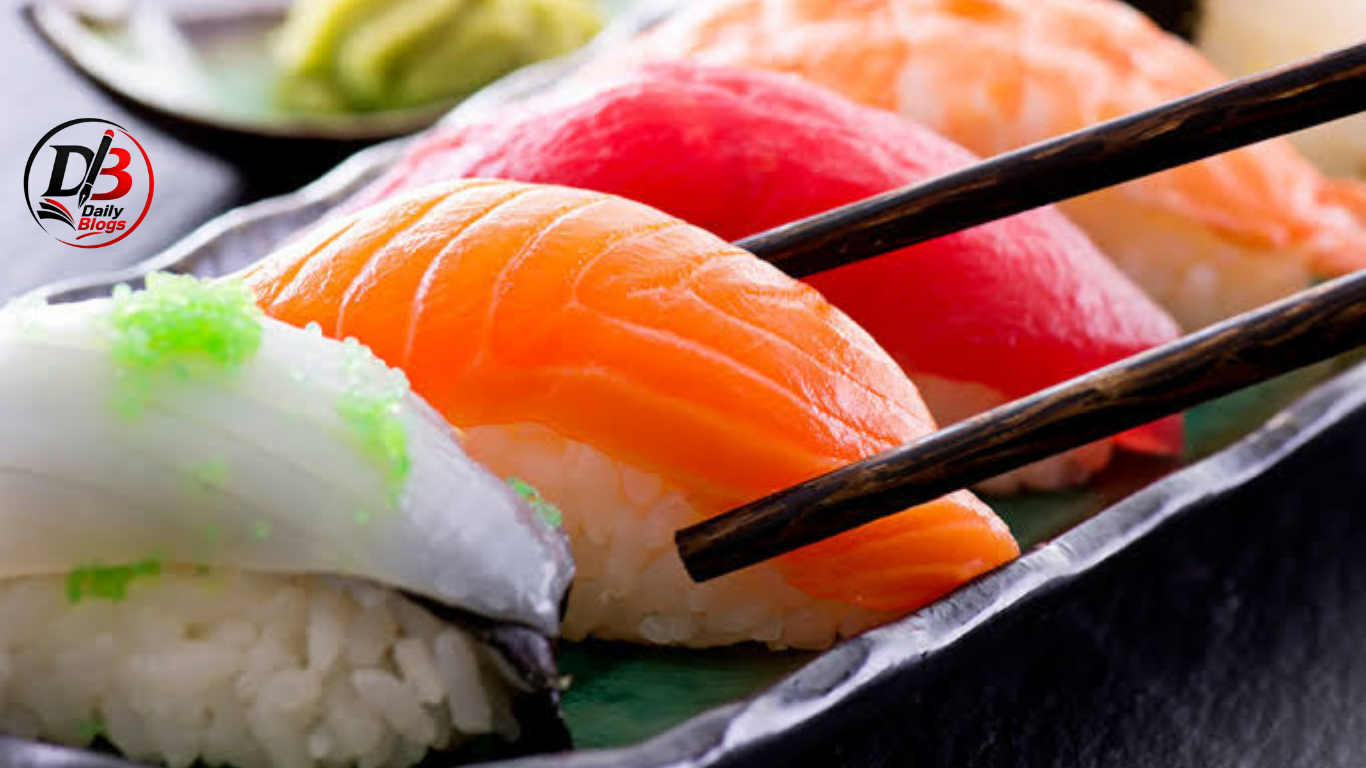
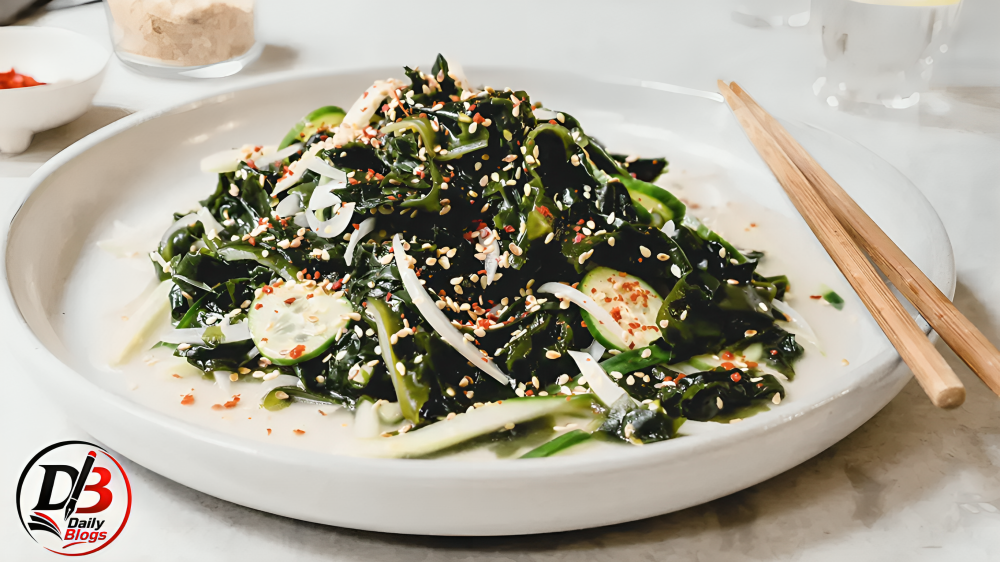
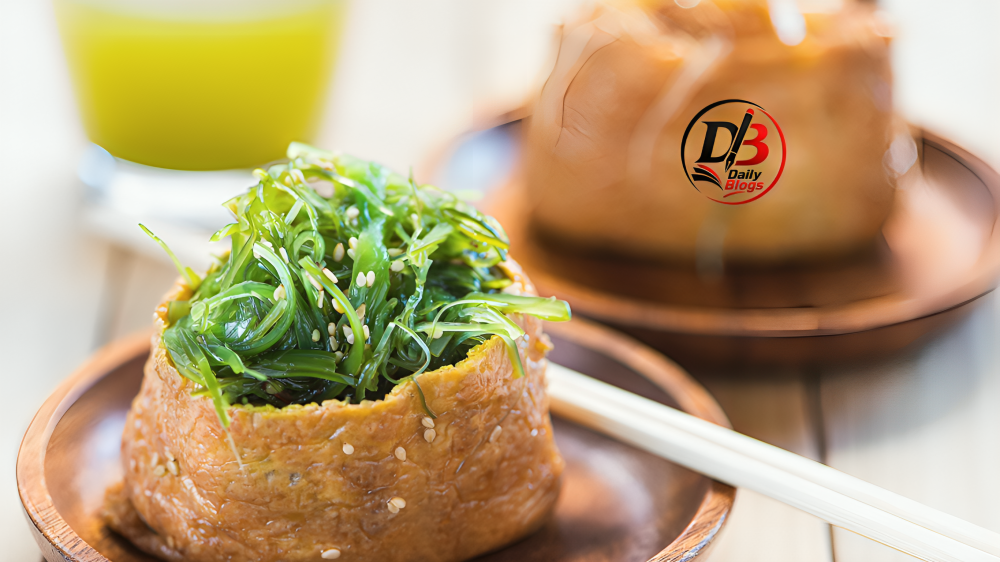
The seaweed salad most people recognise now — often bright green, lightly sweetened and dressed with sesame oil — became widely popular through Japanese-American and international sushi restaurants from the late twentieth century onwards. As sushi spread globally, seaweed salad travelled with it, frequently served as a starter or side dish. Over time, it evolved into a dish in its own right, adapted slightly for different palates while retaining its essential character.
What Is Seaweed Salad Made Of?
Seaweed salad is not made from a single type of seaweed, and understanding the variety involved helps explain why the dish can taste and look quite different depending on where it is served.
Wakame
Wakame is the seaweed most commonly associated with the dish familiar from sushi restaurants. It has a mild, slightly sweet flavour and a tender, silky texture once rehydrated. Dried wakame is soaked in water before being dressed, which gives the salad its characteristic soft bite.
Hijiki and Kombu
Other varieties, such as hijiki and kombu, are used in different regional versions of seaweed salad, particularly in Japanese and Korean cooking. These tend to have a slightly firmer texture and a more pronounced, savoury flavour.
Dressings and Additions
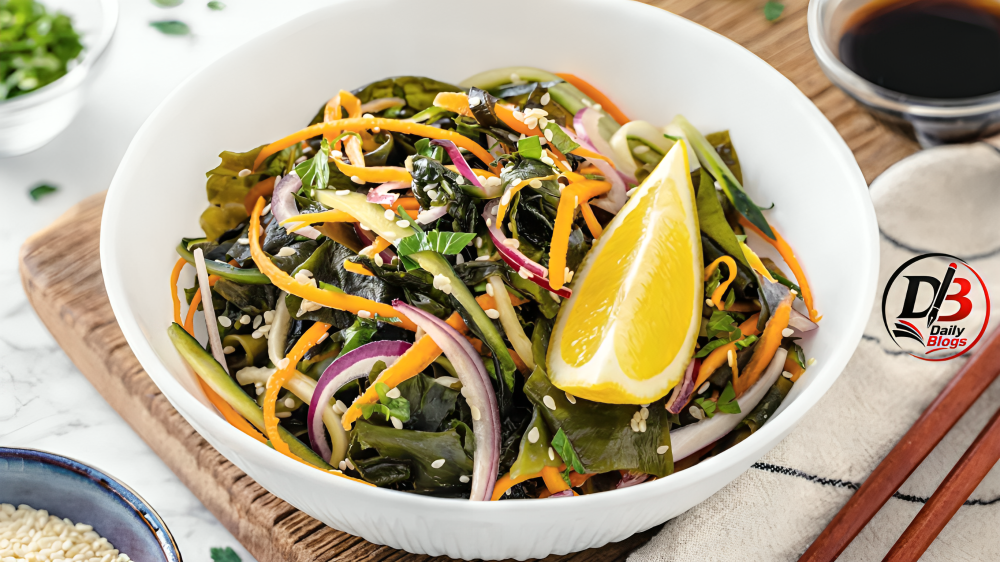
The dressing is where much of the dish’s personality comes from. Typical seasonings include sesame oil, rice vinegar, soy sauce, a touch of sugar, garlic and sesame seeds. Some versions add chilli for warmth, while others include cucumber or carrot for extra crunch and colour.
Nutritional Profile and Health Benefits
Part of the reason seaweed salad has moved beyond niche appeal into mainstream popularity is its nutritional reputation, which is largely well-founded.
Seaweed is naturally low in calories while offering a notable concentration of vitamins and minerals. It is a recognised source of iodine, which supports healthy thyroid function, as well as calcium, magnesium and iron. It also contains dietary fibre, which can support digestive health, and small amounts of plant-based protein.
Many varieties of seaweed contain antioxidants and compounds that have been studied for their potential anti-inflammatory properties. While seaweed salad itself is not a “superfood” in the exaggerated sense that phrase is sometimes used, it is a genuinely nutrient-dense addition to a balanced diet, particularly for those seeking plant-based sources of iodine and minerals that can otherwise be harder to obtain.
Potential Health Considerations
As with many nutrient-rich foods, moderation matters. Seaweed’s high iodine content, while beneficial in normal amounts, can be problematic in excess, particularly for people with existing thyroid conditions. Store-bought seaweed salad can also be higher in sodium and added sugar than home-made versions, depending on the dressing used, so those managing salt or sugar intake may wish to check ingredients or prepare it themselves.
There is no reliable evidence to support some of the more extravagant health claims occasionally made about seaweed online, and readers should treat any such claims with appropriate scepticism unless backed by credible nutritional research.
Seaweed Salad Around the World
While its modern popularity owes a great deal to Japanese cuisine, seaweed salad has taken on regional forms elsewhere.
In Korea, seaweed-based side dishes and soups remain a staple of everyday cooking, often prepared with sesame oil and garlic in ways that differ subtly from Japanese preparations. In Hawaii, “limu” — a term for various edible seaweeds — has long featured in local cuisine, reflecting the island’s own coastal food traditions independent of East Asian influence.
More recently, seaweed salad has appeared on menus in the UK, the United States, Australia and beyond, often served as a starter alongside sushi or as a stand-alone health-focused dish in cafés and salad bars. Its adaptability has helped it travel well, with chefs adjusting sweetness, spice and texture to suit local tastes without losing the dish’s essential identity.
How Seaweed Salad Is Made
Despite its restaurant polish, seaweed salad is straightforward to prepare at home. Dried wakame is rehydrated in cold water for a few minutes until it softens and expands considerably, then drained thoroughly to remove excess moisture. It is typically chopped if the pieces are large, then combined with a dressing of sesame oil, rice vinegar, a little soy sauce and sugar, finished with sesame seeds.
The simplicity of the method is part of the dish’s enduring popularity. It requires no cooking, comes together quickly, and keeps well in the refrigerator for a few days, making it a practical option for those wanting a nutritious side dish without much effort.
Quick Facts
| Detail | Information |
| Dish Name | Seaweed Salad |
| Primary Ingredient | Wakame (also hijiki, kombu) |
| Origin | East Asia (Japan, Korea, China) |
| Popularised Internationally | Late 20th century, via sushi restaurants |
| Typical Flavour Profile | Savoury, lightly sweet, umami |
| Common Dressing | Sesame oil, rice vinegar, soy sauce, sugar |
| Dietary Notes | Low calorie, source of iodine, calcium and fibre |
| Common Serving Style | Starter or side dish |
Why Seaweed Salad Remains Popular Today
Seaweed salad’s staying power comes down to a combination of factors that continue to align with how people eat today. It fits comfortably into health-conscious diets without requiring specialist knowledge or preparation. It offers a genuinely distinctive flavour and texture that stands apart from more familiar green salads. And it carries a sense of authenticity, tied to genuine culinary traditions rather than a passing food trend.
Sustainability has also played a role in its continued relevance. Seaweed farming is generally considered to have a lower environmental footprint than many forms of agriculture, requiring no fresh water, fertiliser or arable land. As interest in sustainable food sources grows, seaweed-based dishes like this one are increasingly discussed as part of a broader, more environmentally conscious approach to eating.
Conclusion
Seaweed salad’s journey from coastal tradition to global menu staple reflects something broader about how food travels and adapts without losing its roots. It remains rooted in genuine culinary history, shaped by generations of coastal communities who understood the value of the sea’s own vegetables long before nutritionists caught up with them.