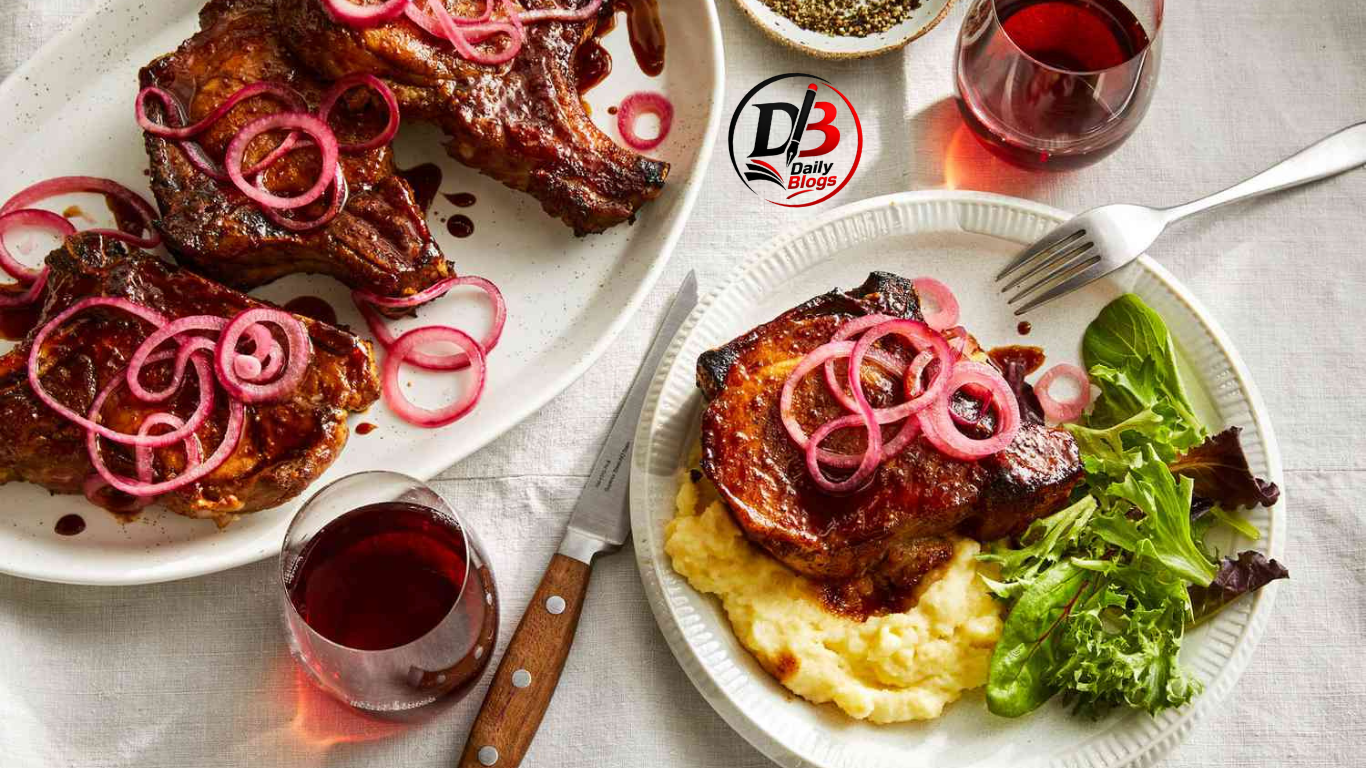
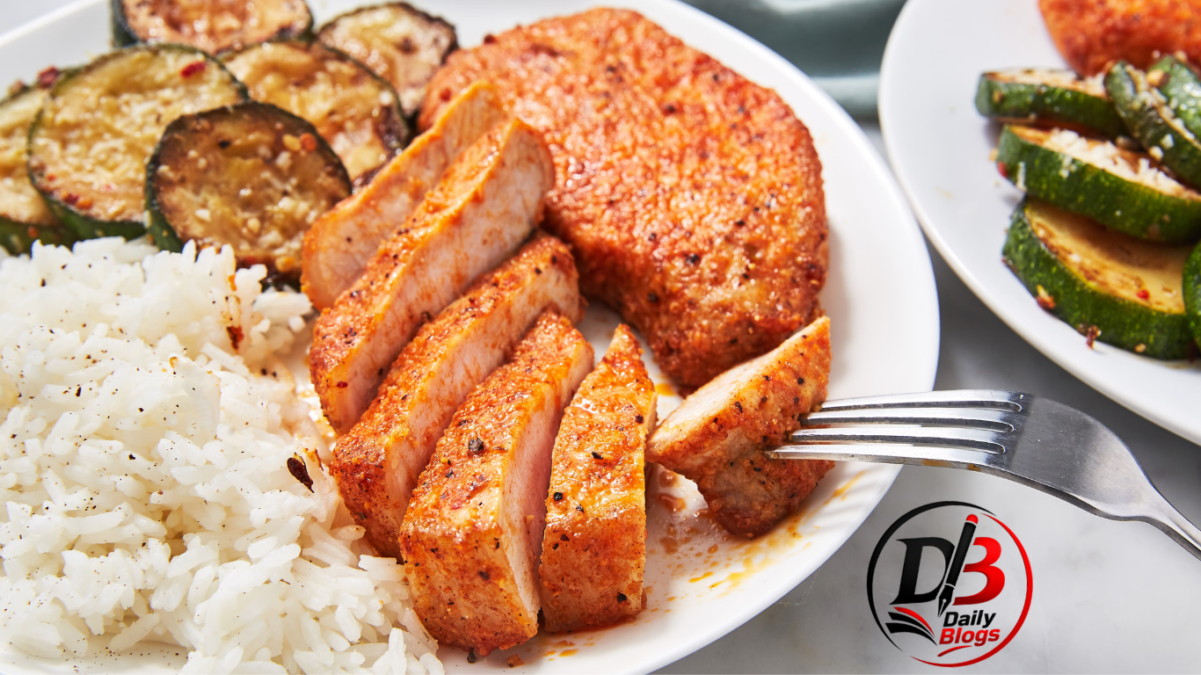
Few midweek dinners have won over British kitchens quite like air fryer pork chops. What was once a slightly intimidating cut, prone to drying out under a grill or in a frying pan, has become one of the most forgiving and reliable meals a home cook can make. Ask anyone who has switched to an air fryer why they keep coming back to pork chops, and the answer is almost always the same: it is quick, nearly foolproof, and the result tastes far better than the effort involved would suggest.
Interest in air fryer pork chops has grown alongside the wider air fryer boom, but the appeal goes deeper than convenience. There is something genuinely satisfying about pulling a chop from the basket with a caramelised, crisp exterior and a centre that is still tender and pink at the bone, all without the puddle of oil that traditional frying demands. It is a small culinary win that fits into a busy evening.
This guide walks through where the method came from, why it works so well, the mistakes that trip up even experienced cooks, and how to get consistently great results, whether you are cooking for one or feeding a family.
Where Air Fryer Pork Chops Came From
Pork chops themselves are hardly new. They have featured on European and American dinner tables for generations, prized for being quick to cook and reasonably priced compared with other cuts of meat. The challenge has always been the same: pork chops are lean, particularly around the loin, and lean meat cooked at high heat for too long turns dry and tough in a matter of minutes.
The air fryer changed that equation. First popularised in the early 2010s as a compact countertop device using rapid air circulation to mimic deep frying, it found a natural home in British kitchens over the following decade as energy costs rose and smaller households looked for quicker, more efficient ways to cook. Its combination of high, even heat and a short cooking window turned out to be almost perfectly suited to pork chops, searing the outside quickly while limiting the time the inside spends losing moisture.
By the time air fryers became a fixture in most kitchen appliance aisles, pork chops had already established themselves as one of the appliance’s signature dishes, alongside chicken thighs and chips.
Why Air Fryer Pork Chops Have Won Over Home Cooks
The popularity of this dish rests on a few practical advantages that are hard to overstate.
Speed. Bone-in chops typically cook in around 12 to 14 minutes, while thinner boneless chops can be ready in under 10. There is no need to preheat a large oven or stand over a hot pan.
Consistency. Because the air fryer circulates heat evenly around the food, chops cook uniformly without the hot spots that can catch cooks out on a stovetop.
Less fat, similar texture. A light brushing of oil is usually enough to achieve a golden, slightly crisp crust, a texture that traditionally required far more oil to reach in a pan.
Easy clean-up. A perforated basket or tray means far less mess than shallow frying, with no spitting fat to wipe from the hob.
Food writers and home cooking communities have consistently rated pork chops among the top air fryer recipes shared online, and cookery sections of UK newspapers and lifestyle publications have featured variations on the dish regularly since air fryers became mainstream. The reputation is well earned: it is one of the rare recipes where a faster method also happens to produce a better result.
Common Mistakes and How to Avoid Them
Even a forgiving method has pitfalls, and most disappointing air fryer pork chops can be traced back to one of the following issues.
Overcooking
This is by far the most common problem. Because air fryers cook quickly, it is easy to assume a few extra minutes will not matter. With pork chops, it does. The difference between a juicy chop and a dry one can be as little as two minutes. A meat thermometer is the most reliable safeguard, with 63°C (145°F) followed by a short rest being the widely recommended safe internal temperature for pork in most modern food safety guidance.
Skipping the rest
Pulling a chop straight from the basket and cutting into it releases much of its juice onto the plate rather than back into the meat. Resting for three to five minutes under loosely tented foil makes a noticeable difference.
Overcrowding the basket
Air fryers work by circulating hot air. Piling chops on top of one another blocks that airflow and leads to uneven, steamed-rather-than-crisped results. Cooking in batches, if needed, is worth the extra few minutes.
Choosing the wrong thickness
Very thin chops, under 1.5cm, can overcook before the outside has a chance to brown. Chops around 2 to 2.5cm thick tend to give the best balance of a crisp exterior and a juicy centre.
Under-seasoning
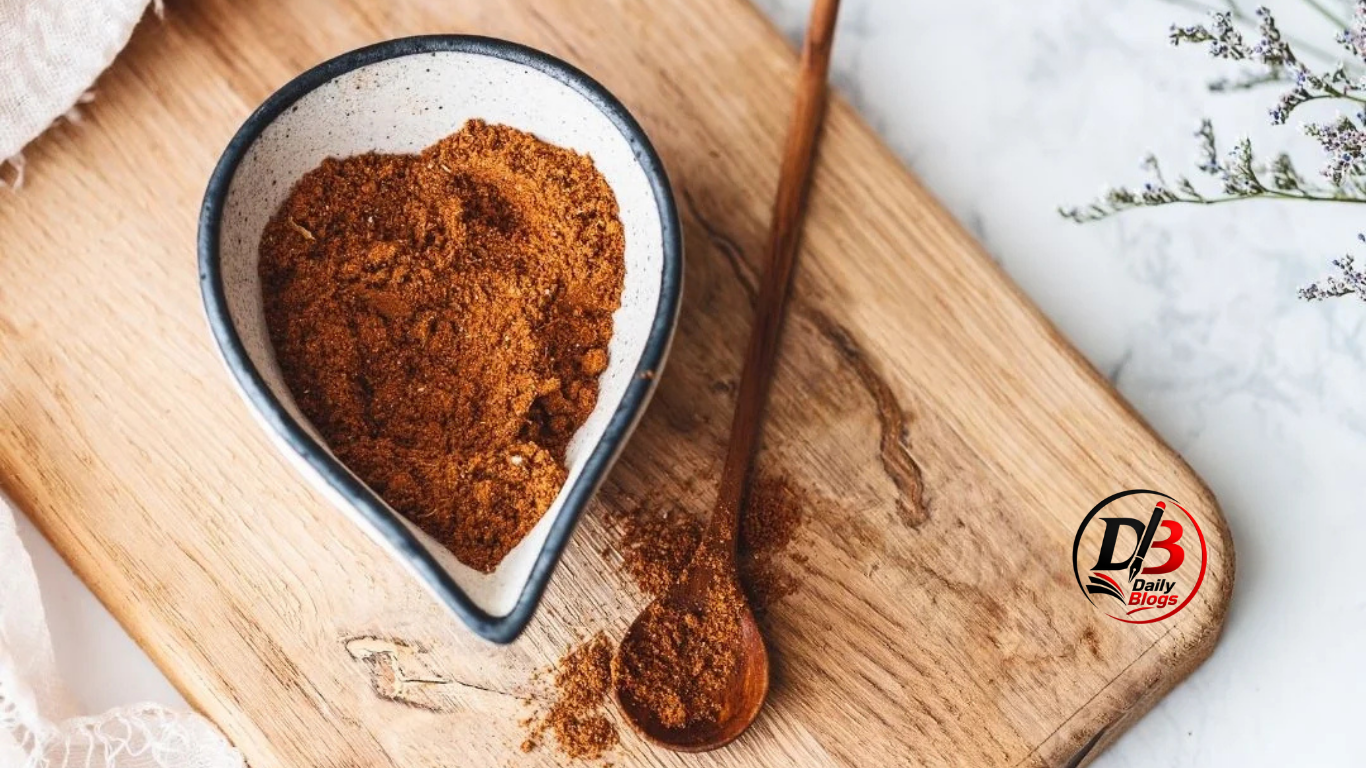
Because air frying uses so little fat, seasoning matters more, not less. A simple mix of salt, pepper, garlic powder and paprika, or a short marinade beforehand, goes a long way.
Choosing and Preparing Your Pork Chops
Both bone-in and boneless chops work well in an air fryer, though many cooks prefer bone-in cuts for the extra flavour and moisture the bone provides during cooking. Look for chops with a small amount of fat marbling and a slightly pink, firm colour, avoiding any that look pale grey or overly wet on the packaging.
A short dry brine, simply salting the chops and leaving them uncovered in the fridge for 30 minutes to a few hours, draws out moisture that is then reabsorbed, helping the meat stay juicy and the surface crisp up more effectively. For those short on time, a quick rub of oil, salt, pepper and a chosen spice blend applied just before cooking still produces excellent results.
A typical method involves preheating the air fryer to around 190°C (375°F), lightly coating the chops in oil and seasoning, then cooking for 12 to 14 minutes for bone-in chops around 2.5cm thick, flipping halfway through. Boneless or thinner chops usually need closer to 8 to 10 minutes.
Modern Variations and Ways to Enjoy Them Today
As air fryer pork chops have settled into regular rotation in home kitchens, cooks have experimented well beyond the basic seasoned version.
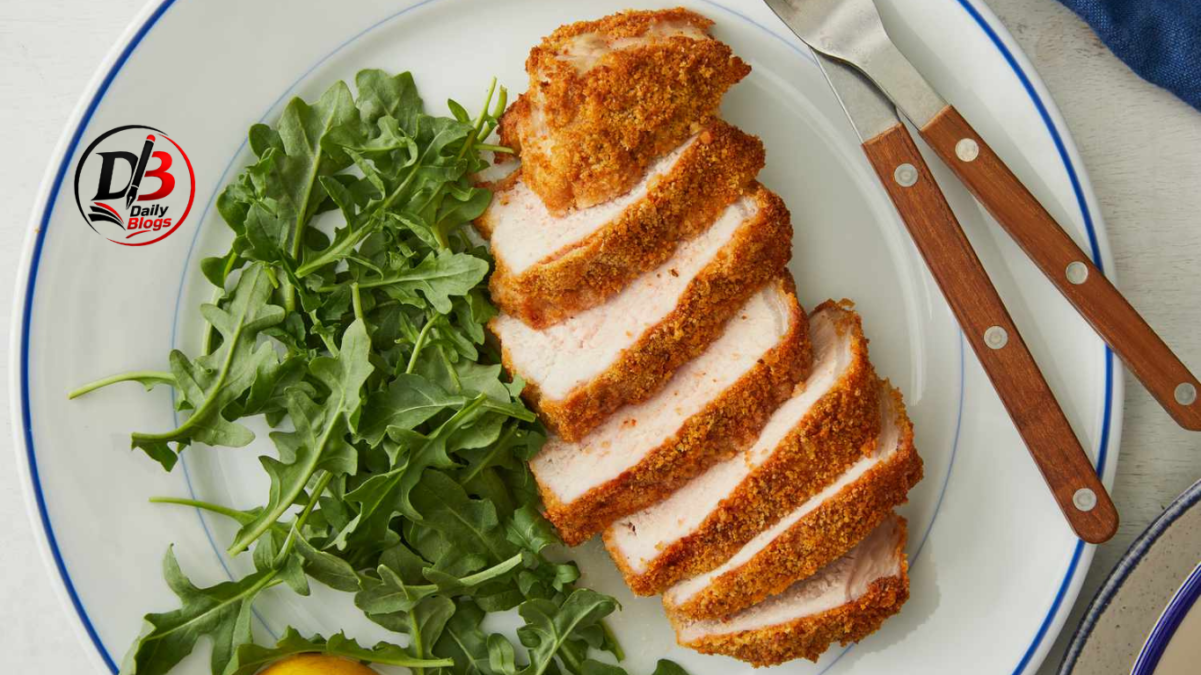
Breaded chops coated in panko breadcrumbs offer a lighter take on the classic pan-fried, breaded pork chop, with far less oil.
Marinated versions, using anything from honey and mustard to soy and ginger, add depth without extra cooking time.
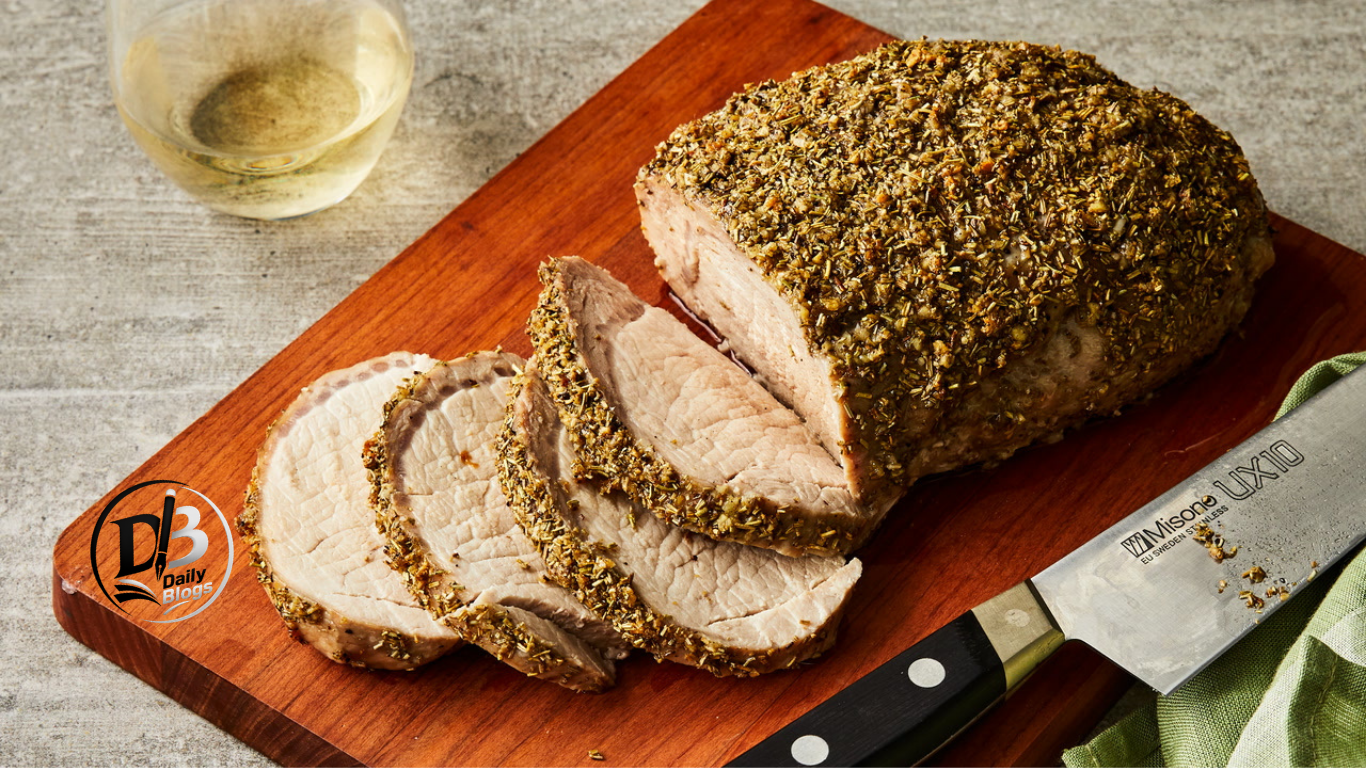
Herb and parmesan crusts have become a popular dinner-party-friendly option, giving the chops a restaurant-style finish with minimal effort.
Stuffed pork chops, sliced into a pocket and filled with ingredients such as spinach and cheese, also adapt well to the air fryer, though they generally need a slightly longer cooking time and a lower temperature to cook through evenly.
Beyond the recipe itself, pork chops remain a fixture of meal-prep content and quick family dinner round-ups, regularly featured in seasonal recipe guides and appearing consistently in “best air fryer recipes” lists published by food websites and lifestyle magazines throughout the year.
Quick Recipe Facts
| Detail | Information |
| Best Cut | Bone-in or boneless loin chop, 2–2.5cm thick |
| Air Fryer Temperature | 190°C (375°F) |
| Cooking Time (bone-in) | 12–14 minutes, flipped halfway |
| Cooking Time (boneless) | 8–10 minutes, flipped halfway |
| Safe Internal Temperature | 63°C (145°F), followed by a short rest |
| Prep Time | 5–10 minutes (plus optional brining) |
| Typical Servings | 2–4 chops per batch |
| Known For | Quick, low-oil, crispy-outside, juicy-inside results |
Timings vary depending on chop thickness and individual air fryer models; always confirm doneness with a meat thermometer.
Why Air Fryer Pork Chops Remain a Weeknight Favourite
The lasting appeal of this dish lies in how well it balances convenience and quality. It does not demand advanced technique, expensive ingredients or lengthy preparation, yet it consistently produces a result that feels considered rather than rushed. In an era where quick, healthier cooking methods are in high demand, air fryer pork chops offer a genuine middle ground between fast food and something that could comfortably be served to guests.
For many home cooks, mastering this one dish has also been something of a gateway into wider air fryer cooking, building the confidence to experiment with chicken, vegetables and beyond. The broader lesson it offers is a simple one: a small adjustment in method, in this case swapping a pan for a basket of circulating hot air, can meaningfully change the outcome of a familiar meal.
Conclusion
Air fryer pork chops have earned their place as a modern kitchen staple, not through hype, but through consistently delivering what busy cooks actually want: a fast, healthier, reliably good meal with minimal fuss. With the right thickness, a careful eye on cooking time and a thermometer to hand, it is a dish that is genuinely difficult to get wrong once the basics are understood.