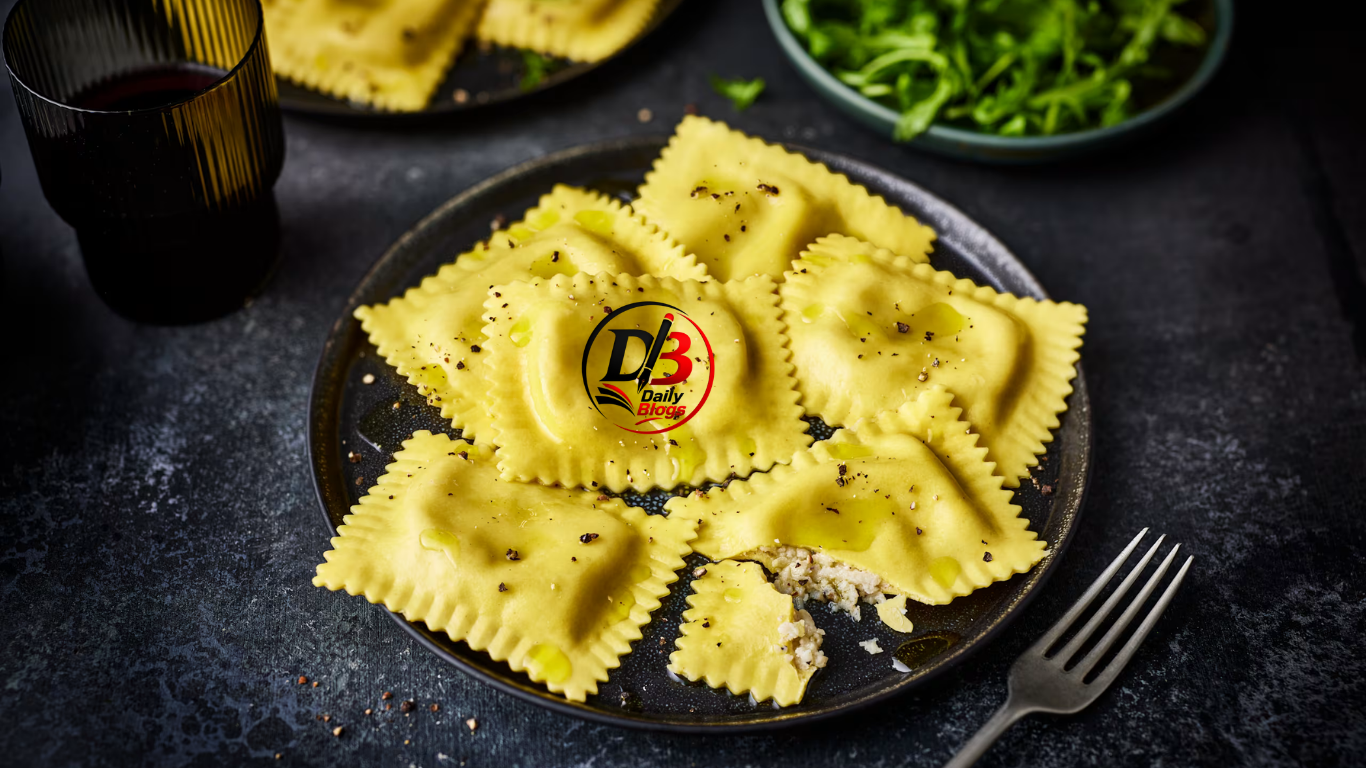
Cacio e pepe ravioli captures the essence of Roman cooking in a form that feels both familiar and freshly inventive. The classic dish of pasta tossed with sharp Pecorino Romano and generous black pepper has long been a cornerstone of Lazio cuisine. When those same bold flavours are tucked inside delicate pasta parcels or used to sauce ready-made ravioli, the result is a plate that satisfies both tradition and contemporary appetites.
Readers and home cooks keep returning to cacio e pepe ravioli because it delivers comfort without complication. It bridges the gap between the pure simplicity of the original Roman recipe and the playful creativity of modern kitchens. Whether prepared from scratch in a pastificio on the edge of Rome or assembled in twenty minutes with supermarket ravioli, the dish offers creamy richness, peppery heat and that unmistakable salty tang of sheep’s-milk cheese.
Its appeal lies in accessibility as much as flavour. Busy weeknight cooks favour the quick versions, while pasta enthusiasts enjoy the ritual of making the dough and filling by hand. In either case, the combination remains faithful to the spirit of Roman cucina povera elevated by careful technique.
Early Life and Background
The story of cacio e pepe begins long before anyone thought of stuffing the flavours into ravioli. In the Roman dialect, “cacio” simply means cheese and “pepe” means pepper. The most widely repeated legend places the dish with shepherds of Lazio, Abruzzo, Tuscany and Umbria during the seasonal movement of flocks known as transhumance. They carried durable ingredients—aged Pecorino, dried pasta and black pepper—and combined them with starchy cooking water to create a sustaining meal.
Food historians note that black pepper was once an expensive imported spice, so its inclusion may have been later than the pure cheese-and-pasta combinations of medieval and early modern times. By the mid-twentieth century the dish had become a fixture in Roman osterias and trattorias, sometimes served quite dry to encourage diners to order more wine. Its wider fame grew with the Slow Food movement and, later, with social-media images of silky, speckled strands of tonnarelli or spaghetti.
Ravioli themselves have deeper roots. Mentions of stuffed pasta appear in fourteenth-century Italian and English sources. By the Renaissance they featured at papal tables. The idea of combining the two—cacio e pepe flavours inside or surrounding ravioli—emerged more recently as a natural extension of Roman creativity. Pasta masters began experimenting with fillings of ricotta, Pecorino and cracked pepper, or with sauce-style treatments of cheese ravioli, turning a classic into something new without abandoning its soul.
Career and Rise to Fame
Cacio e pepe’s breakthrough as a global favourite came in the early twenty-first century. Restaurants from New York to London put the dish on menus, sometimes serving it in hollowed cheese wheels. Food writers and chefs praised its deceptive simplicity: only pasta, Pecorino Romano, black pepper and pasta water, yet capable of producing a glossy emulsion when handled correctly.
The ravioli interpretation gained particular notice through the work of artisans such as Mauro Secondi of Pastificio Secondi in Rome’s Torre Maura district. In a 2018 Eater video, Secondi demonstrated his version, filling fresh pasta with a mixture of ricotta, Pecorino and pepper and finishing the parcels with guanciale for extra depth. He described it as an interpretation rather than a strict traditional dish, showing how Roman pasta makers continue to innovate within their heritage.
Home cooks discovered an even more approachable route. American food personality Ree Drummond published a popular version using store-bought cheese or mushroom ravioli, toasted black peppercorns, butter, a splash of cream and Pecorino. The sauce comes together in the time it takes the ravioli to cook, making it a reliable midweek favourite. Similar recipes appear across food blogs and Italian sites such as GialloZafferano, where the filling is often a blend of ricotta and Pecorino seasoned assertively with pepper, sometimes finished with crisp guanciale.
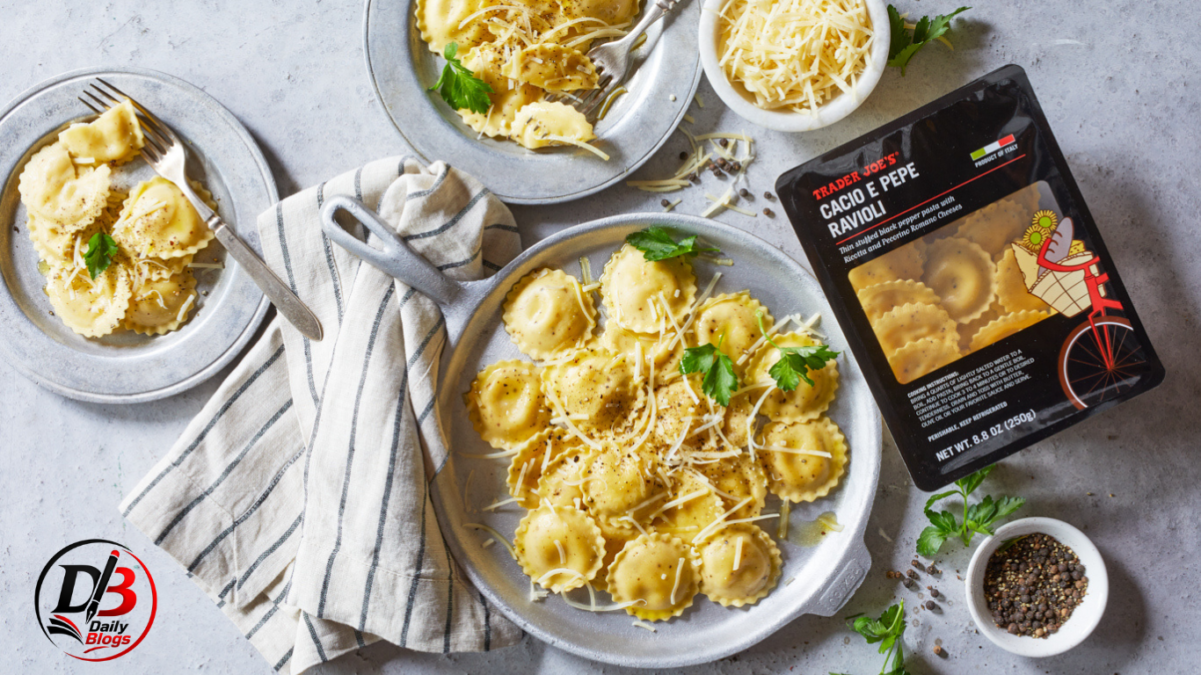
Commercial producers followed. Brands including Trader Joe’s, Nuovo Pasta and Marks & Spencer have offered ready-to-cook cacio e pepe ravioli, complete with pepper in the dough or a creamy five-cheese filling. These products introduced the flavours to households that might never attempt fresh pasta from scratch, further spreading the dish’s reputation.
Personal Challenges or Turning Points
Even the classic cacio e pepe is notoriously tricky. The cheese can seize into stringy clumps if the temperature is wrong or the pasta water is insufficiently starchy. Cooks must grate the Pecorino finely, toast the pepper carefully and work the emulsion off the heat, adding liquid gradually. Researchers have even studied the physics of the sauce, noting how temperature and starch concentration affect protein behaviour.
When the flavours move into ravioli, new challenges appear. A filling that tastes authentic must avoid the mildness of plain ricotta while remaining pipeable and stable during cooking. Some cooks turn to a thick béchamel enriched with Pecorino and pepper to achieve a melting, pure cacio e pepe character inside the pasta. Others prefer the traditional ricotta base and rely on generous seasoning. Sauce versions that use cream or butter attract criticism from purists who insist the original Roman recipe needs neither.
These debates have become turning points for the dish’s identity. Rather than remaining a strict traditionalist’s preserve, cacio e pepe ravioli has thrived by accepting variation. The willingness of Roman artisans and international home cooks to adapt has kept the flavours relevant without erasing their origins.
Personal Life
Because cacio e pepe ravioli is a dish rather than a person, its “personal life” is best understood through the kitchens and tables where it appears. In Rome it sits comfortably alongside the other great pasta of the city—carbonara, amatriciana and gricia—sometimes sharing a menu with them. Families pass down slight variations in pepper quantity or cheese ratios. Restaurant versions may include a scattering of crispy guanciale or a simple butter finish.
Public statements about the dish tend to emphasise respect for ingredients. Pasta makers stress the quality of Pecorino Romano PDO, the freshness of the eggs in the dough and the importance of coarsely cracked rather than pre-ground pepper. Home cooks share tips for achieving a silky sauce or a well-sealed ravioli edge. Speculation about secret techniques exists, yet reliable information points only to careful temperature control, good cheese and patience.
Later Career and Current Activities
In recent years cacio e pepe ravioli has settled into everyday cooking as comfortably as it has into restaurant repertoires. Quick versions using refrigerated ravioli remain popular for weeknights, while weekend projects focus on homemade dough and fillings. Food writers continue to publish new interpretations—some with lemon for brightness, others with herbs or a beurre monté finish.
Supermarket ranges and specialty pasta producers keep expanding their offerings, making the flavours available year-round. In Rome, pastifici such as Secondi’s still supply both traditional and inventive ravioli to local customers and restaurants. Social media platforms fill with photographs of glossy, pepper-flecked plates, ensuring the dish stays visible to new generations of cooks.
Charity or advocacy connections are limited, yet the broader appreciation of Roman pasta traditions supports small producers of Pecorino and artisan pasta makers. The dish’s success also encourages home cooks to seek better ingredients and to practise fundamental techniques of emulsion and dough handling.
Quick Bio
| Detail | Information |
| Full Name | Cacio e Pepe Ravioli |
| Date of Birth | Modern interpretation of a classic (late 20th–early 21st century prominence) |
| Place of Birth | Rome / Lazio region, Italy |
| Nationality | Italian |
| Profession | Pasta dish |
| Years Active | Classic cacio e pepe mid-20th century onward; ravioli versions more recent |
| Known For | Creamy Pecorino and black-pepper flavour in stuffed pasta form |
| Estimated Net Worth | Not applicable |
Legacy and Lasting Impact
Cacio e pepe ravioli matters because it demonstrates how a regional classic can evolve without losing its character. The original dish taught cooks the power of restraint—three or four ingredients handled with precision. The ravioli form extends that lesson into texture and presentation, showing that tradition and invention need not be enemies.
Its influence appears in the wider trend of reinterpreting Roman pastas in new formats: pizzas, arancini, even gelato experiments. More importantly, it has introduced countless people to the sharp, peppery profile of authentic Pecorino Romano and the pleasure of a properly emulsified sauce. Public perception remains affectionate; the dish is seen as both approachable comfort food and a mark of culinary curiosity.
The lasting lesson is one of balance. Too much pepper overwhelms; too little cheese leaves the plate flat. Temperature must be watched; patience rewarded. In that sense the dish continues to teach anyone who cooks it.
Conclusion
From the pastoral hills around Rome to contemporary kitchen counters across the world, the journey of cacio e pepe has been one of quiet persistence and occasional reinvention. Cacio e pepe ravioli stands as a natural chapter in that story—an affectionate update that keeps the original’s bold flavours front and centre while inviting new textures and techniques.