Few desserts deliver such reliable comfort with so little effort as a no-bake cheesecake built around Philadelphia cream cheese. The phrase “philadelphia cheesecake no bake filling” has become a shorthand for a smooth, tangy, spoonable mixture that sets in the fridge rather than the oven. Home cooks turn to it for summer gatherings, last-minute puddings and everyday treats because it needs no water bath, no worrying about cracks and no specialist equipment beyond a mixing bowl and a fridge.
The appeal lies in its simplicity and consistency. Full-fat Philadelphia cream cheese provides the body and distinctive mild tang that other soft cheeses struggle to match. When beaten with sugar, a little acid and whipped cream or condensed milk, it transforms into a filling that slices cleanly after several hours of chilling. Readers keep returning to the subject because the method is forgiving yet still feels special, and because the brand itself carries more than a century of kitchen heritage.
Origins of Philadelphia Cream Cheese
The story begins not in the city of Philadelphia but in Chester, New York. In 1872 dairyman William Lawrence was attempting to recreate the French soft cheese Neufchâtel. He added extra cream and produced a richer, more spreadable product that would become known as cream cheese. By 1880 the cheese was being sold under the name Philadelphia, a deliberate marketing choice. At the time the Philadelphia region enjoyed a strong reputation for high-quality dairy, so the name signalled premium quality even though production remained in New York State.
The brand changed hands, eventually joining the Kraft group in 1928. Aluminium-foil packaging in the 1920s extended shelf life and helped the product travel. By the mid-twentieth century Philadelphia cream cheese had become a household staple on both sides of the Atlantic. In the United Kingdom it arrived in the 1960s and quickly found a place in fridges for everything from sandwiches to cheesecakes.
The Rise of the No-Bake Method
Baked cheesecakes have long been associated with New York delis, but the no-bake version grew in popularity for practical reasons. It requires no eggs and no oven time, making it ideal for warmer weather or kitchens without reliable temperature control. Philadelphia’s dense, high-fat brick or tub styles hold their shape when whipped and chilled, which is why so many recipes specify the brand by name.
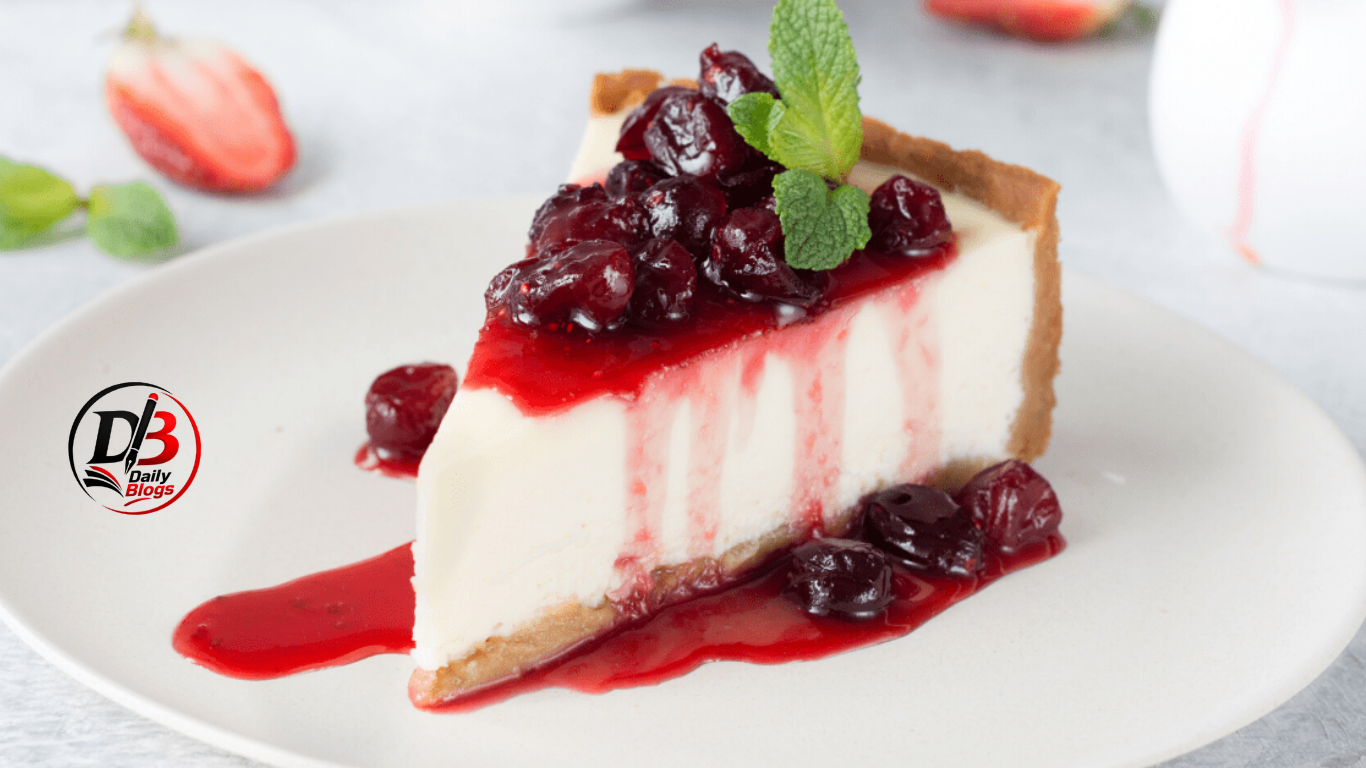
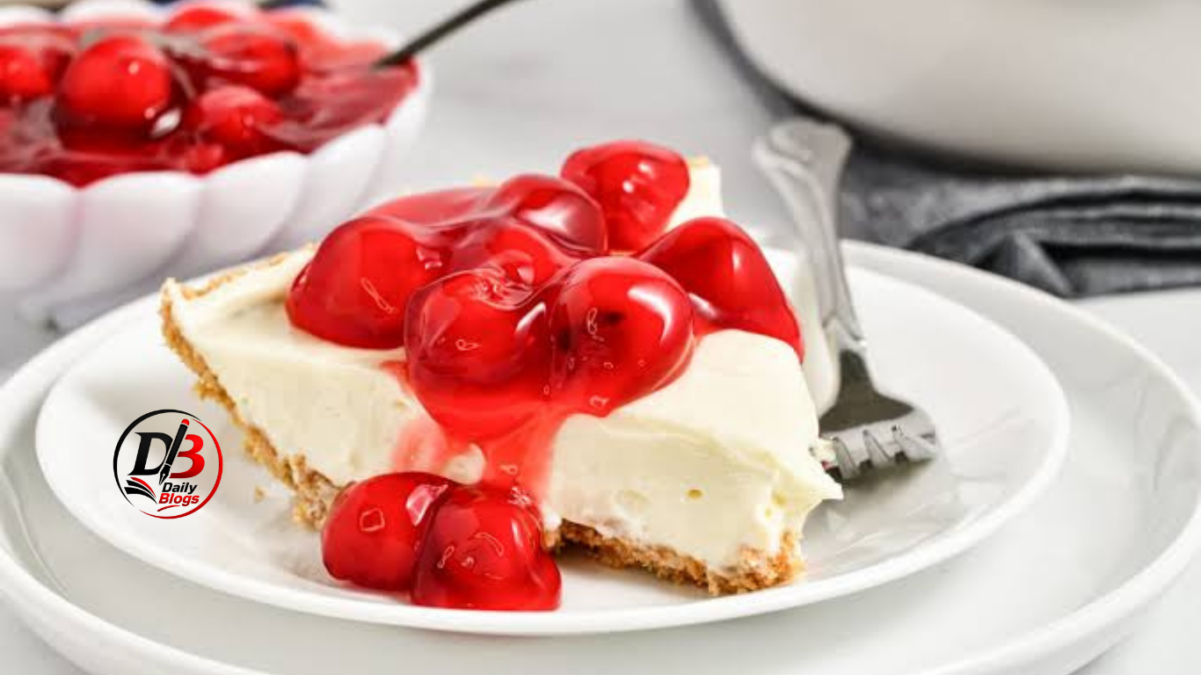
Two main approaches dominate. The first combines softened Philadelphia with icing sugar or caster sugar, vanilla and lemon juice, then folds in softly whipped double cream. The second, often called the three-ingredient method, beats the cream cheese with sweetened condensed milk and fresh lemon juice until the mixture thickens. Both produce a philadelphia cheesecake no bake filling that sets firm enough to slice after six hours or overnight in the refrigerator.
In the UK the base is usually crushed digestive biscuits mixed with melted butter, pressed into a springform tin or loose-bottomed cake tin. Shortbread or ginger biscuits offer pleasant variations. The filling is spooned over the chilled base, smoothed and left to firm. Toppings range from fresh berries and fruit compote to chocolate shavings or a simple dusting of icing sugar.
Getting the Texture Right
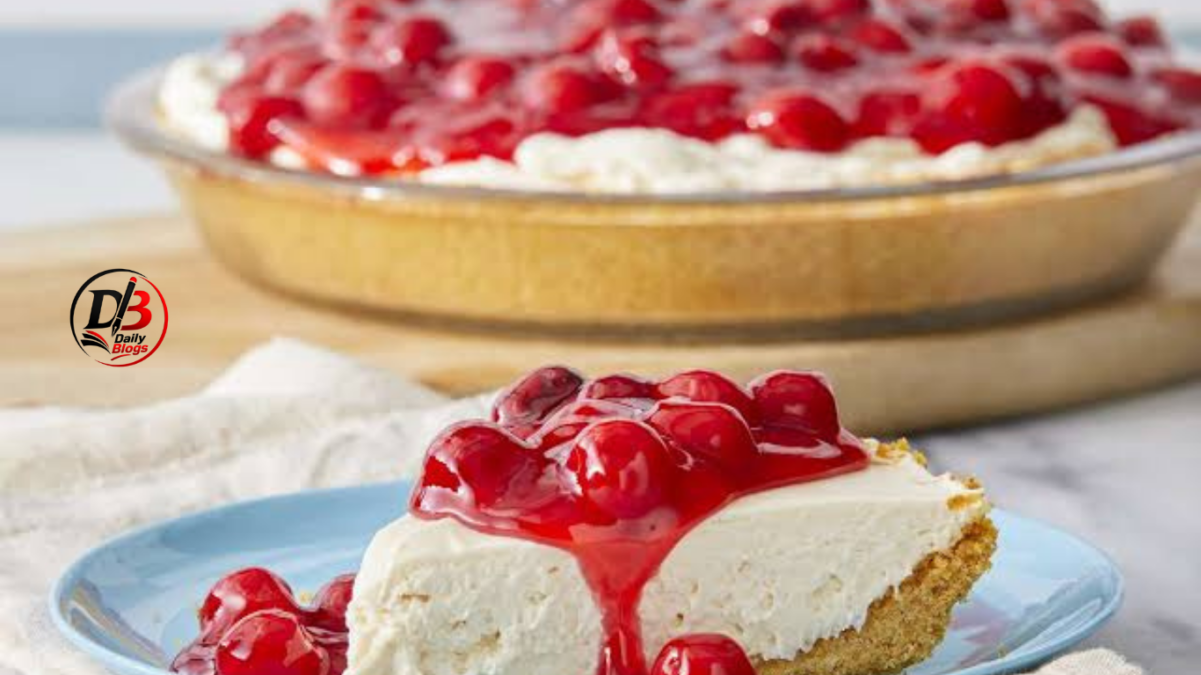
Even a straightforward recipe can go wrong if the basics are ignored. Cream cheese must be at room temperature so it beats smooth without lumps. Cold cheese leads to a grainy result that never fully recovers. Full-fat versions are essential; reduced-fat or spreadable tubs contain more moisture and often refuse to set properly. Over-whipping the cream can cause the filling to become buttery or separate, while under-whipping leaves it too soft.
Lemon juice or another acid helps the mixture thicken and balances the richness. Some bakers add a little sour cream or mascarpone for extra silkiness, but the core remains Philadelphia. Ready-made no-bake fillings in tubs have appeared in some markets, offering a convenient shortcut, yet most enthusiasts prefer the homemade version for fresher flavour and control over sweetness.
Variations and Everyday Use
Once the basic philadelphia cheesecake no bake filling is mastered, flavour variations open up quickly. A spoonful of lemon curd or passion-fruit pulp swirled through the mixture gives a bright note. Chocolate can be melted and cooled before folding in, or cocoa powder sifted with the sugar. For adult versions a splash of Baileys or other liqueur works well, provided the alcohol quantity remains modest so the set is not compromised.
Individual portions in glasses or jars make attractive dinner-party desserts. Mini cheesecakes in muffin cases suit children’s parties. The same filling can be piped into tart shells or used as a layer in trifle-style assemblies. In British kitchens the recipe often appears alongside summer fruits or as a Christmas alternative when oven space is at a premium.
Quick Facts
| Detail | Information |
| Full Name | Philadelphia Cream Cheese (no-bake cheesecake filling) |
| First Produced | 1872 (cream cheese); no-bake popularity mid-20th century onwards |
| Place of Origin | Chester, New York, USA |
| Brand Ownership | Kraft Heinz / Mondelēz International |
| Key Ingredient | Full-fat Philadelphia cream cheese |
| Typical Setting Time | 4–8 hours or overnight |
| Common Base | Digestive biscuits and butter (UK) |
| Known For | Smooth, tangy, fridge-set cheesecake |
Lasting Appeal
The lasting importance of philadelphia cheesecake no bake filling rests on its combination of accessibility and quality. It democratises a dessert that once felt complicated. Generations of home cooks have learned that a reliable block of Philadelphia, a bit of sugar and cream, and patience in the fridge produce something that looks and tastes far more impressive than the effort involved. The brand’s consistent texture and mild flavour have made it the default choice for many professional and amateur bakers alike.
Public perception remains warm and practical. It is the dessert people make when they want to please without stress, and the one they return to because it rarely disappoints when the simple rules are followed. In an age of elaborate patisserie, its straightforward character continues to feel refreshing.
Conclusion
From a nineteenth-century dairy experiment in New York to a staple of British kitchen cupboards, Philadelphia cream cheese has earned its place through reliability and flavour. The no-bake filling that carries its name offers one of the clearest expressions of that reliability: a creamy, sliceable dessert that asks little of the cook and rewards with generous texture and taste. Whether prepared with whipped cream or condensed milk, finished with berries or left plain, it remains a quiet favourite for good reason.