
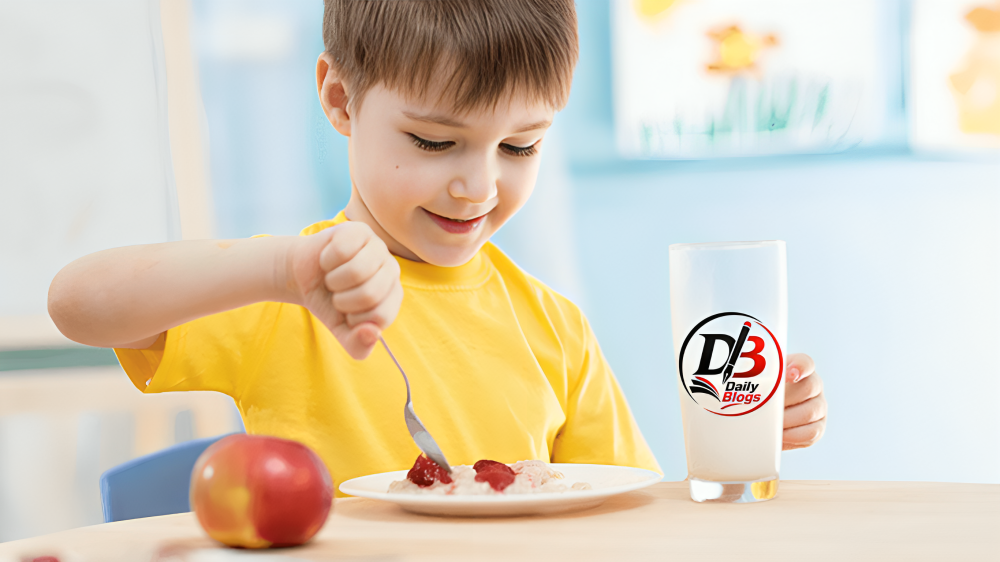
Getting children to eat a proper breakfast before school can feel like a daily negotiation. Between rushed mornings, packed lunchboxes and the inevitable “I don’t like that”, many parents end up reaching for whatever is quickest, even if it isn’t the most nutritious option. Yet breakfast remains one of the most important meals for growing children, and with a little planning, healthy breakfast ideas for kids don’t have to mean extra stress.
This guide brings together practical, family-tested breakfast options that are quick to prepare, appealing to younger palates and genuinely good for children’s health. Whether you’re catering for a toddler who refuses anything green or a school-age child who wants to eat and run, there’s something here that fits real family life rather than an idealised version of it.
We’ll also look at why breakfast matters so much for children’s concentration and mood, how to handle fussy eating without turning mealtimes into a battleground, and how to keep things varied enough that nobody gets bored of the same bowl of cereal every single day.
Why Breakfast Matters So Much for Children
Breakfast helps replenish the energy children’s bodies have used overnight and provides fuel for the first few hours of the day, which for most families means school, nursery or an active morning of play. Numerous nutrition bodies, including the NHS, note that a balanced breakfast can support better concentration and steadier energy levels throughout the morning, particularly when it includes a mix of slow-release carbohydrates, protein and some fibre.
Skipping breakfast, or relying on high-sugar options, can lead to an energy dip mid-morning, irritability, and difficulty concentrating in class. This doesn’t mean every breakfast needs to be elaborate. A simple, balanced meal, eaten consistently, tends to matter more than any single “perfect” recipe.
It’s also worth remembering that children’s appetites vary considerably from day to day. Some mornings a child will eat heartily; other mornings they’ll barely touch their plate. This is normal, and it’s generally more useful to focus on what’s offered over a week rather than obsessing over one meal in isolation.
What Makes a Breakfast “Healthy” for Kids
Before diving into specific ideas, it helps to understand what a nutritious breakfast for children actually looks like. Rather than following strict rules, most paediatric dietitians suggest aiming for a combination of:
- Slow-release carbohydrates – wholegrain bread, oats, or wholewheat cereals that release energy steadily rather than causing a sugar spike and crash.
- Protein – eggs, yoghurt, milk, nut butters (where there’s no allergy) or beans, which help keep children fuller for longer.
- Fruit or vegetables – even a small portion adds fibre, vitamins and variety.
- Limited added sugar – many children’s cereals and flavoured yoghurts contain more sugar than people realise, so checking labels is worthwhile.
None of this needs to be complicated. In fact, some of the most nutritious breakfasts are also the simplest.
Quick and Easy Healthy Breakfast Ideas for Kids
1. Overnight Oats
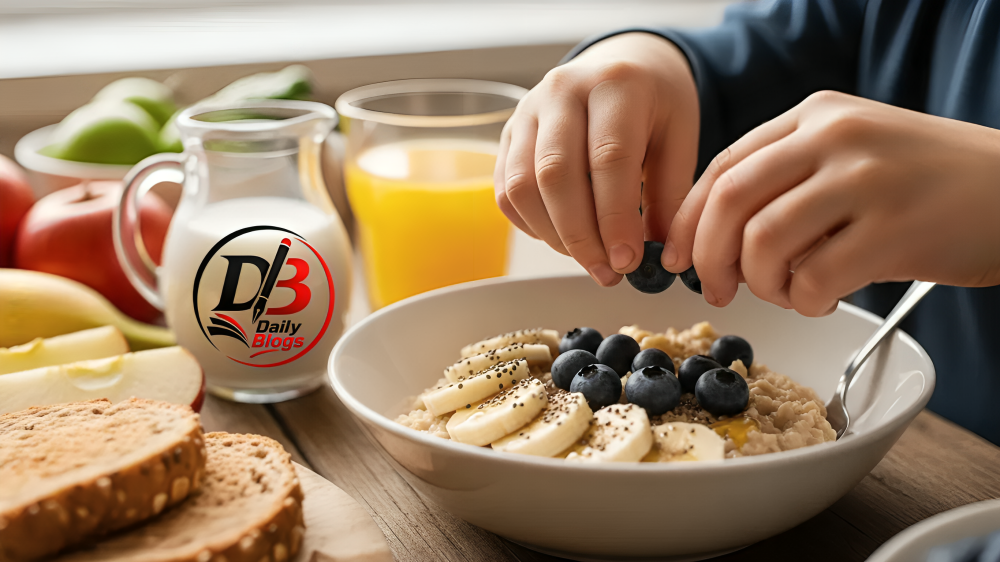
Prepared the night before, overnight oats are ideal for households where mornings are tight on time. Combine rolled oats with milk (or a plant-based alternative), a spoonful of yoghurt and a handful of berries, then leave in the fridge overnight. By morning, it’s ready to eat cold or gently warmed. Children can also help assemble their own jar, which often makes them more willing to eat it.
2. Wholegrain Toast with Nut or Seed Butter
A slice of wholegrain toast topped with peanut butter, almond butter or a seed-based alternative (for schools with nut restrictions) offers a good balance of fibre and protein. Adding sliced banana or a scattering of berries brings in extra fruit without much additional effort.
3. Egg-Based Breakfasts
Eggs are a genuinely versatile option — scrambled, boiled, or made into a simple omelette with grated vegetables folded in. Many children who resist eating vegetables at other meals will happily eat them hidden in a cheesy omelette. Boiled eggs paired with toast “soldiers” also remain a popular choice for younger children.
4. Yoghurt and Fruit Parfaits
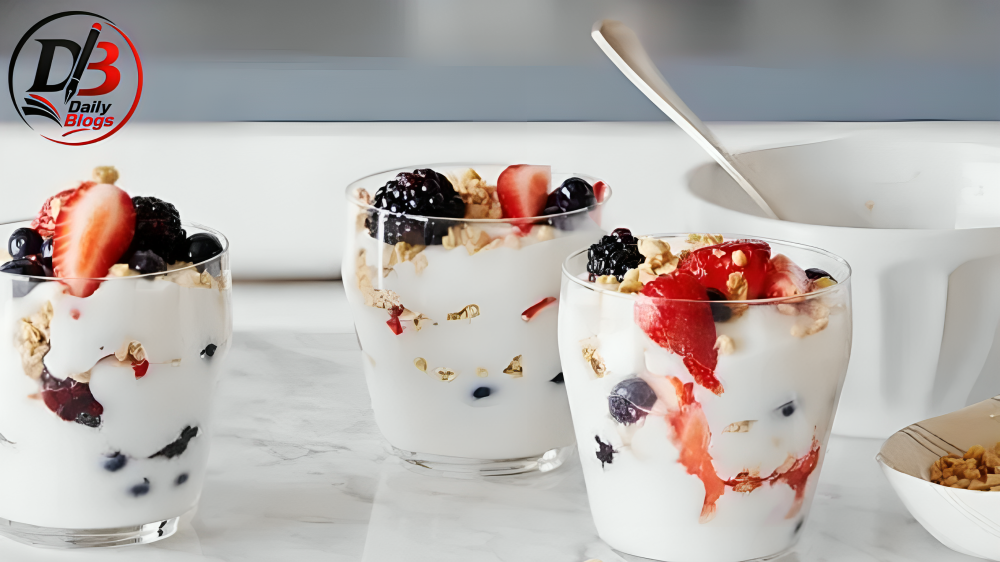
Layering natural or Greek yoghurt with fruit and a small amount of granola in a glass or bowl turns a simple snack into something that feels special. Choosing plain yoghurt and sweetening it lightly with fruit, rather than buying pre-flavoured varieties, helps keep added sugar down.
5. Homemade Breakfast Muffins or Pancakes (Batch-Made)
Savoury muffins made with grated vegetables, cheese and egg, or wholemeal pancakes made in batches and frozen, can be a lifesaver on busy mornings. They reheat quickly and give parents more control over the ingredients than shop-bought alternatives.
6. Fruit and Nut Butter Smoothies
For children who struggle to eat much first thing, a smoothie made with milk or yoghurt, a banana, a spoonful of nut butter and a handful of spinach (which is barely noticeable once blended) can be an easy way to pack in nutrients without a battle over a plate.
7. Wholegrain Cereal with Milk and Fruit
Not every breakfast needs to be homemade. Choosing a lower-sugar, wholegrain cereal and adding fresh fruit on top is a perfectly reasonable everyday option, especially paired with a glass of milk for extra protein and calcium.
Handling Fussy Eaters Without the Stress
Fussy eating is extremely common among young children, and it rarely responds well to pressure. A few approaches that tend to help:
- Keep offering variety, even if it’s initially refused. Children often need to see a food several times before they’ll try it.
- Let them help prepare breakfast. Children are generally more willing to eat something they’ve had a hand in making.
- Offer familiar alongside new. Pairing a new food with something the child already likes reduces resistance.
- Avoid turning breakfast into a negotiation. Calmly offering the meal, without excessive persuasion or bribery, tends to work better over time than pleading or offering rewards.
It’s worth noting that no single breakfast idea works for every family, and what succeeds one week may be rejected outright the next. This is a normal part of raising children, not a sign that something has gone wrong.
Meal Planning Tips for Busy Parents
A little preparation on quieter days can make weekday mornings considerably easier. Batch-cooking muffins or pancakes at the weekend and freezing portions, prepping overnight oats the night before, or boiling a batch of eggs to keep in the fridge are all simple ways to reduce morning stress.
Keeping a small rotation of five or six breakfast options, rather than trying to invent something new every day, also tends to reduce decision fatigue for parents while still giving children enough variety to avoid boredom.
Quick Reference: Healthy Breakfast Ideas at a Glance
| Breakfast Idea | Prep Time | Key Nutrients |
| Overnight oats with berries | 5 minutes (night before) | Fibre, slow-release carbs, calcium |
| Wholegrain toast with nut butter | 5 minutes | Protein, healthy fats, fibre |
| Boiled egg with toast soldiers | 8 minutes | Protein, iron |
| Yoghurt and fruit parfait | 5 minutes | Protein, calcium, vitamins |
| Vegetable omelette | 10 minutes | Protein, vitamins |
| Homemade breakfast muffins | Batch-made, reheat in minutes | Protein, fibre, vegetables |
| Fruit and nut butter smoothie | 5 minutes | Protein, fibre, vitamins |
| Wholegrain cereal with milk and fruit | 3 minutes | Carbohydrates, calcium, vitamins |
Why This Matters Beyond the Breakfast Table
Establishing a habit of eating a balanced breakfast in childhood tends to carry forward into later habits around food. Children who grow up with regular, varied breakfasts are more likely to view a range of foods as normal, rather than developing rigid preferences that become harder to shift as they get older.
That said, no parent gets this right every single morning, and that’s entirely fine. The goal isn’t perfection but consistency over time — offering a reasonable range of options, involving children where possible, and not turning every meal into a source of anxiety for either party.
Conclusion
Finding healthy breakfast ideas for kids that actually get eaten, rather than left half-touched on the plate, often comes down to a mix of simplicity, variety and a bit of advance planning. None of the ideas above require special skills or expensive ingredients, and most can be adapted to suit allergies, fussy phases or whatever happens to be in the fridge that week.
What matters most is finding a small rotation of breakfasts that work for your family’s routine and your children’s tastes, then allowing some flexibility for the mornings that don’t go to plan. Over time, small, consistent choices tend to matter far more than any single “perfect” breakfast.