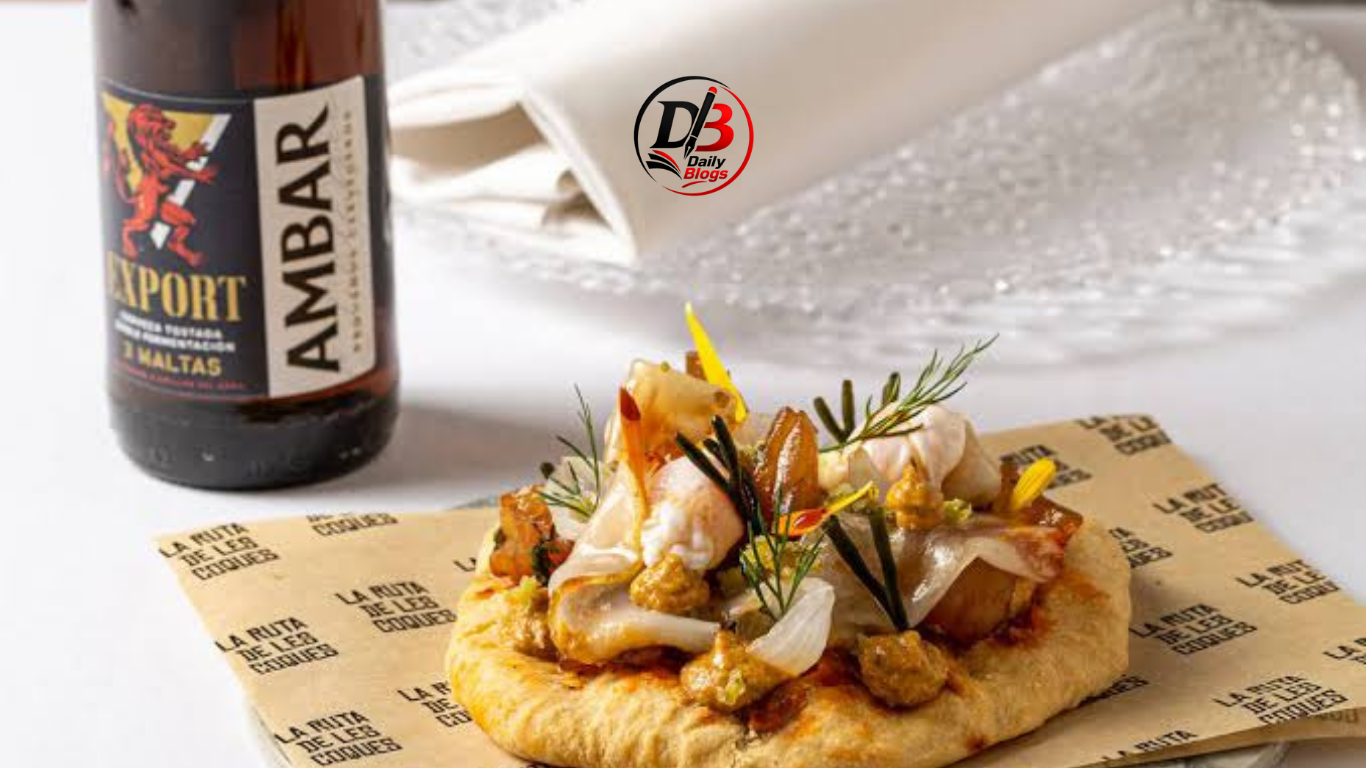
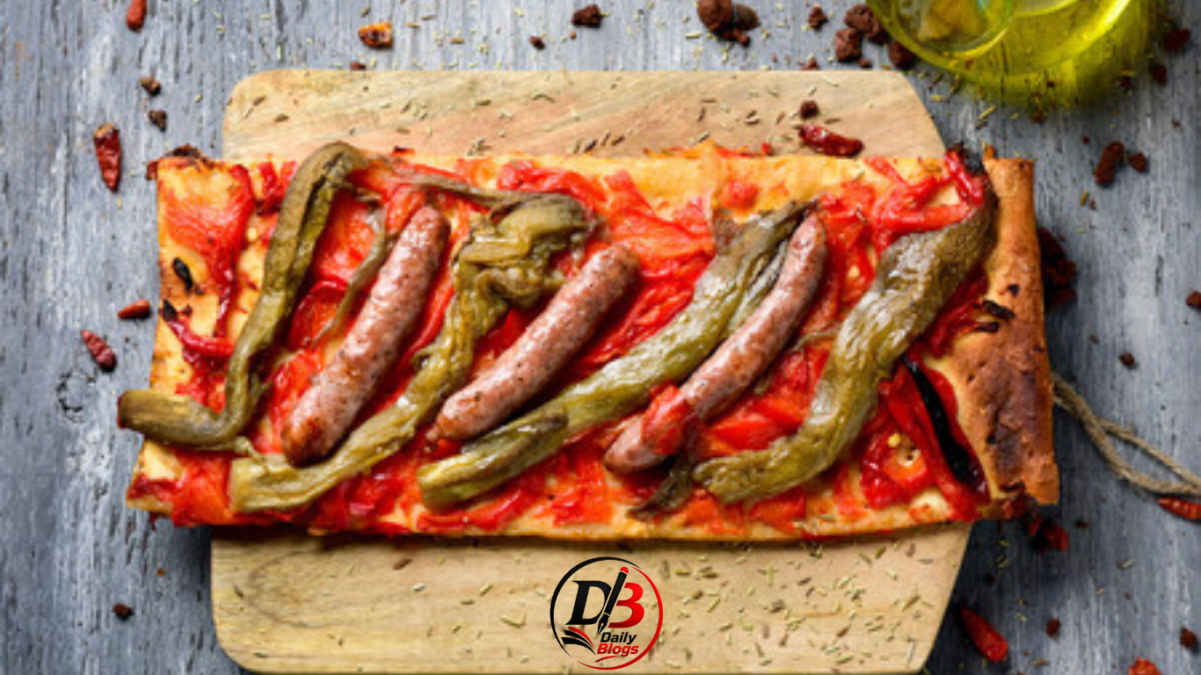
Searching for the best coca de recapte near me often leads curious food lovers straight into the heart of Catalan tradition. This humble yet deeply satisfying savoury flatbread has long been a staple in bakeries and home kitchens across Catalonia, particularly in the provinces of Lleida and Tarragona. With its thin dough base topped by roasted vegetables known as escalivada, and optional additions such as sardines, anchovies or botifarra, it offers a taste of the region’s resourceful, seasonal cooking. Readers remain drawn to it because it captures everyday Catalan life so well: simple ingredients transformed into something shareable, portable and full of flavour.
Whether you are exploring Barcelona’s Gothic Quarter, the plains of Lleida or the Camp de Tarragona, the quest for the best coca de recapte near me reveals both continuity and quiet variation. Bakeries still produce it year-round, and locals often buy it to eat cold the following day. Its appeal lies in that practicality combined with genuine Mediterranean character.
Early Life and Background
Coca de recapte belongs firmly to Catalan gastronomy. The name comes from the Catalan word “recapte,” meaning provisions or whatever one has gathered. Traditionally, households would take whatever vegetables or leftovers were available to the communal village oven, where the baker prepared a thin dough and baked the toppings on top. This practice explains the dish’s flexibility and its deep roots in rural life.
Its precise origins remain unclear. Some writers link it to Roman times because of a resemblance to early forms of pizza; others point to possible Arabic influences given the historical presence of Arab communities in the region. Catalan authors such as Josep Pla have associated versions of the escalivada coca with the Noguera area, while others note long-standing traditions in the comarques of Tarragona and Lleida. It is especially common in Ribagorça, Noguera, Urgell, Segrià and the Camp de Tarragona, though it is now found throughout Catalonia, including Barcelona.
In its classic form the base is a simple bread dough made with flour, salt, olive oil, yeast and water. The topping centres on escalivada – roasted peppers, aubergines and often onions or tomatoes – seasoned with olive oil and salt. Fish such as sardines or herring, or cured meats like botifarra, frequently appear as well. The result is typically oval or rectangular, thin and crisp, and designed to be eaten by hand.
Career and Rise to Fame
What began as a practical rural preparation gradually became a fixture of Catalan bakeries and pastisseries. By the twentieth century it was widely available year-round rather than being reserved only for festivals. Its rise mirrors broader interest in regional Catalan cooking. Writers and cooks have celebrated it as an example of cuisine based on proximity and seasonality.
Major milestones include its recognition in gastronomic guides and its steady presence on restaurant menus that emphasise traditional Catalan dishes. In Barcelona, establishments such as L’Antic Bocoi del Gòtic and Bar del Pla have been noted for their versions, the latter particularly for one topped with sardines. In Lleida province the Forn de Camarasa has earned a strong local reputation for its fine, tender dough and generous vegetable and sausage toppings.
Personal Challenges or Turning Points
Like many traditional foods, coca de recapte has faced the pressures of industrial production and changing eating habits. Some commercial versions use frozen dough or standardised toppings, which can dilute the character of the original. Yet artisanal bakeries have responded by emphasising slow fermentation, local olive oil and carefully roasted vegetables.
A positive turning point has been recent promotional efforts. In 2025 Lleida Turisme worked with the local bakers’ guild to refresh the packaging of coques de recapte sold across more than a hundred bakeries in the Terres de Lleida. The initiative aimed to strengthen the dish’s identity as a product of the region and to support Catalonia’s recognition as a World Region of Gastronomy. Such steps help keep traditional methods visible and commercially viable.
Personal Life
Confirmed information about how the dish is enjoyed centres on everyday and communal settings. It is commonly eaten cold, often the day after baking, which suits picnics, light meals or late-night snacks during festivals. Families still prepare it at home using garden vegetables, while bakeries supply those who prefer to buy rather than bake.
Later Career and Current Activities
Today the best coca de recapte near me can be found in traditional bakeries and in restaurants that prioritise Catalan classics. In Barcelona the Gothic Quarter and nearby streets offer reliable options. In Lleida city and surrounding towns such as Balaguer and Camarasa, long-established pastisseries and forns continue the craft. Across the Camp de Tarragona, bakeries in Riudoms and neighbouring villages maintain strong local followings.
Recent activities include the packaging refresh mentioned above and ongoing participation in regional food promotion. The dish appears regularly in discussions of Catalan culinary heritage and is sometimes compared – always with care – to pizza, though locals rightly insist on its distinct identity. Home cooks also keep the tradition alive by following recipes that stress good olive oil and properly roasted escalivada.
Quick Bio
| Detail | Information |
| Full Name | Coca de recapte (also coca d’escalivada, coca de verdures, coca amb recapte) |
| Date of Birth | Traditional; exact origin uncertain, long-established in Catalonia |
| Place of Birth | Catalonia, especially Lleida and Tarragona provinces |
| Nationality | Catalan / Spanish |
| Profession | Traditional savoury flatbread / bakery speciality |
| Years Active | Centuries, continuous to the present |
| Known For | Thin dough topped with escalivada and optional fish or botifarra |
| Estimated Net Worth | Not applicable (cultural rather than commercial product) |
Legacy and Lasting Impact
Coca de recapte remains important because it embodies a practical, seasonal approach to cooking that still resonates. It has influenced how many Catalans think about simple, high-quality everyday food and has helped keep bakery culture vibrant in smaller towns as well as cities. Public perception is affectionate and matter-of-fact: it is not a luxury item but a reliable pleasure rooted in the landscape and the calendar.
Conclusion
The search for the best coca de recapte near me ultimately rewards attention to place and tradition. Whether bought from a long-standing forn in Lleida, a Barcelona restaurant, or a village bakery in the Camp de Tarragona, a well-made example delivers the clear flavours of roasted vegetables, good oil and carefully baked dough.