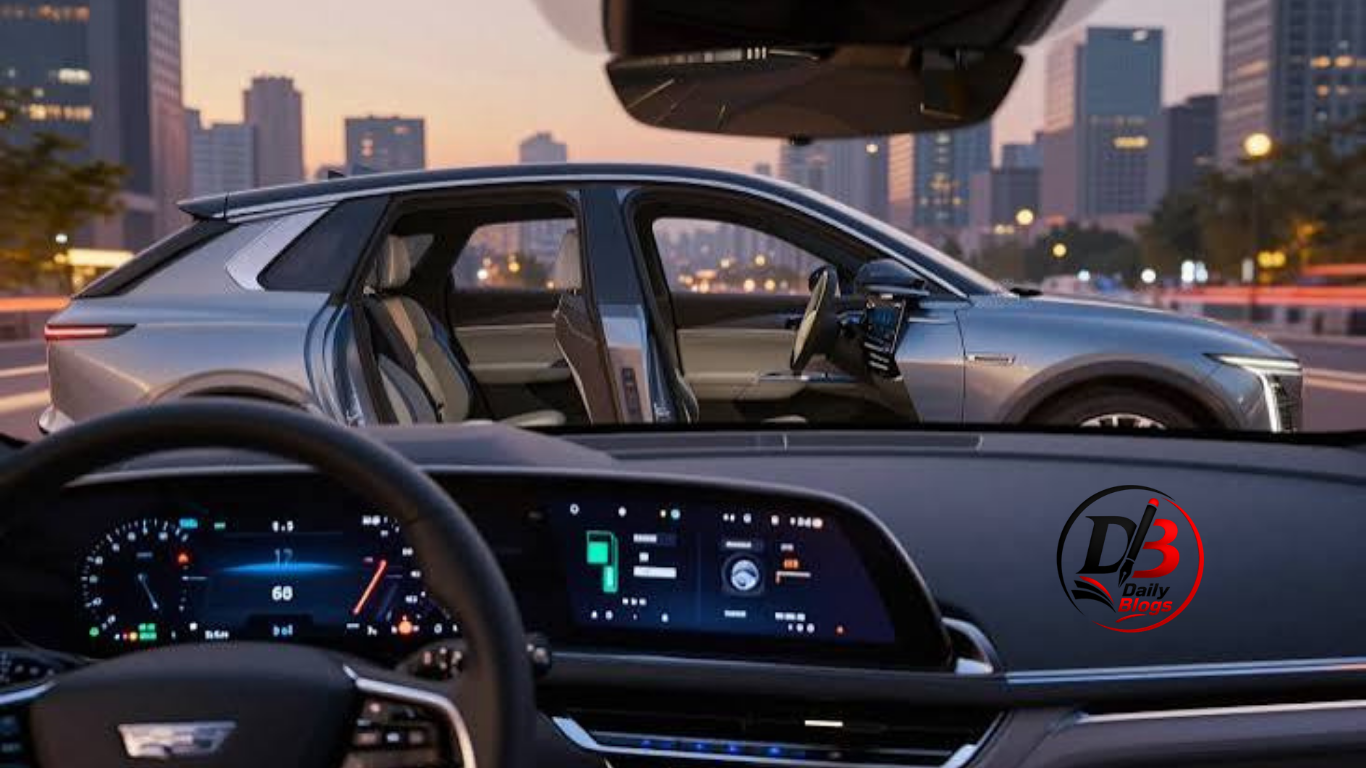
The Cadillac Lyriq has carved out a distinctive place among premium electric SUVs. With its bold styling, spacious cabin and Ultium battery technology, it appeals to drivers who want both luxury and practical everyday range. One question that surfaces often among owners and prospective buyers is whether the available driving modes alter how far the vehicle can travel on a charge or how quickly the battery is depleted.
The short answer is that the modes do not change the physical size or capacity of the battery. They do, however, influence how energy is drawn and recovered. This can produce noticeable differences in real-world range depending on how and where you drive. Understanding these effects helps drivers get the most from their Lyriq without unnecessary surprises at the end of a journey.
Understanding the Cadillac Lyriq’s Driving Modes
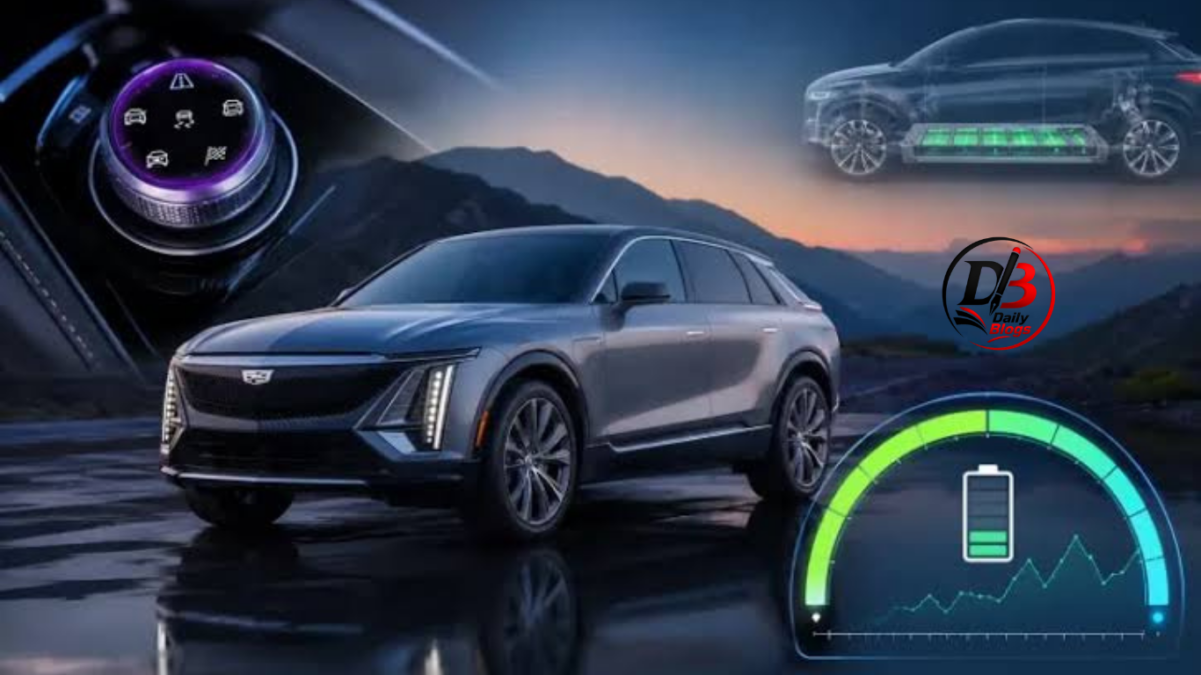
Cadillac equips the Lyriq with four primary drive modes: Tour, Sport, Snow/Ice and My Mode. These settings adjust throttle response, steering weight, regenerative braking behaviour and, in some cases, suspension and sound characteristics. The underlying 102 kWh battery pack remains the same regardless of the selection. Official EPA-estimated ranges are published by drivetrain rather than by mode—up to 326 miles for rear-wheel-drive models and around 303–319 miles for dual-motor all-wheel-drive versions, depending on the onboard charger fitted.
Tour mode is the everyday default. It delivers smooth, progressive acceleration and balanced regenerative braking suited to comfortable commuting and longer trips. Sport mode sharpens throttle mapping and steering for a more immediate, engaging feel. Snow/Ice softens torque delivery to improve traction on low-grip surfaces. My Mode lets the driver mix and match accelerator response, steering feel, braking characteristics and the electric vehicle soundscape according to personal preference.
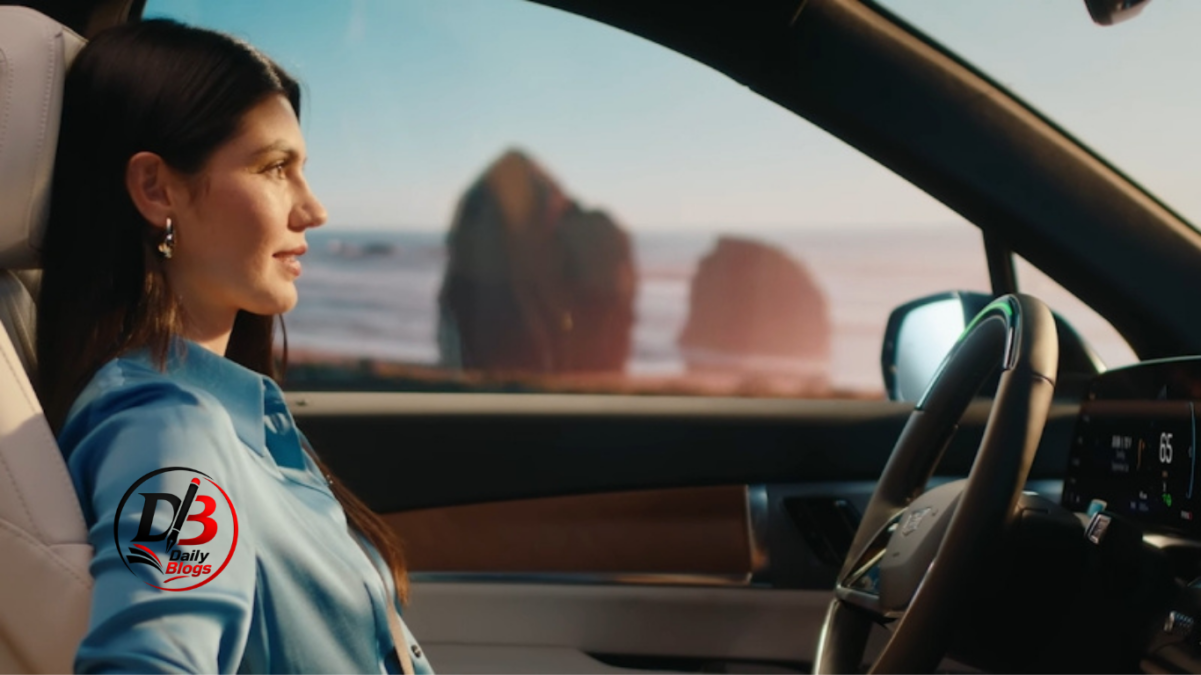
How Modes Influence Energy Use and Real-World Range
Energy use in an electric vehicle is shaped by many factors: speed, temperature, terrain, load, tyre choice and driving style. Drive modes sit among these variables by altering the vehicle’s response to the driver’s inputs.
In Tour mode the throttle mapping encourages smoother application of power. Regenerative braking is typically more progressive, allowing greater energy recovery in stop-start traffic or when approaching junctions. Owner reports and independent observations consistently place Tour among the most efficient settings for mixed driving. Many drivers find they can approach or occasionally exceed the published EPA figures when conditions are favourable and One-Pedal Driving is used effectively.
Sport mode prioritises responsiveness. The same pedal movement produces more torque earlier, which feels rewarding on open roads or when overtaking. That sharper delivery draws higher current more frequently, especially during acceleration. Real-world data from owner forums and comparative tests often show a reduction in efficiency of roughly 10–20 per cent compared with Tour under similar conditions. At steady motorway speeds the difference narrows, but in urban or hilly driving the gap becomes more apparent. A vehicle that might deliver around 300 miles in Tour could see that figure fall by 30–60 miles with consistent Sport use, depending on the exact route and conditions.
Snow/Ice mode restricts torque to reduce the chance of wheelspin. On dry roads this gentler power delivery can be slightly more efficient than Sport, yet the priority remains stability rather than maximum range. In cold weather the greater challenge is usually cabin heating and battery preconditioning rather than the mode itself. Using Snow/Ice only when traction is limited remains the sensible approach.
Other Factors That Interact with Drive Modes
Drive mode is rarely the largest influence on range. High speeds increase aerodynamic drag dramatically, so sustained motorway running at 70 mph or above will reduce efficiency regardless of mode. Cold temperatures lower battery performance and increase heating demand; preconditioning while the vehicle is still plugged in helps mitigate this. Larger wheel and tyre packages, common on higher-spec Lyriqs, raise rolling resistance. Heavy loads or strong headwinds further affect consumption.
Cadillac has not published official range figures for each individual mode. The EPA estimates reflect standardised testing rather than mode-specific calibrations. Therefore any percentage differences cited by owners or independent testers should be treated as indicative rather than absolute. Actual results vary with individual driving habits and external conditions.
Practical Advice for Maximising Range
For daily commuting or long journeys where maximising distance between charges is the priority, Tour mode (or an efficiently configured My Mode) paired with moderate speeds and higher regenerative braking settings usually works best. Sport mode can be selected for shorter, more enjoyable drives where the extra responsiveness is valued and range is not critical. Snow/Ice should be reserved for genuinely slippery conditions.
Conclusion
Do the driving modes in Cadillac Lyriq offer different ranges or battery usages? Indirectly, yes. The modes reshape throttle response, power delivery and regenerative behaviour, which in turn alters how quickly the 102 kWh battery is drawn down and how much energy is recovered. Tour mode generally supports the longest real-world range, Sport mode trades some efficiency for sharper performance, Snow/Ice prioritises traction, and My Mode reflects the driver’s chosen balance.