Interest in the Tesla Pi Phone price has remained surprisingly strong for years. Online searches, social media posts and speculative articles continue to circulate claims about a revolutionary smartphone supposedly developed by Tesla. Many of these stories promise Starlink connectivity, solar charging and prices ranging from a few hundred dollars to around $789. Readers keep returning to the topic because anything linked to Elon Musk and Tesla tends to generate curiosity, especially when it appears to challenge established phone makers.
Yet the reality is far simpler. No reliable public information confirms that a Tesla Pi Phone exists, has been announced or carries any official price. Tesla has never listed such a device on its website, filed the necessary regulatory documents or issued a press release. Elon Musk himself has repeatedly stated that the company is not building a phone. This article examines the background to the rumours, how they spread, the verified facts and why the Tesla Pi Phone price remains a matter of speculation rather than product reality.
Origins of the Tesla Pi Phone Rumours
The idea of a Tesla-branded smartphone did not appear overnight. Speculation about Tesla entering the mobile market has surfaced intermittently for more than a decade, often tied to Musk’s broader comments about technology platforms and user control. In earlier years, Musk occasionally noted that Tesla might consider making a phone only if major operating-system providers blocked the Tesla app. He framed any such move as a defensive step rather than a strategic priority.
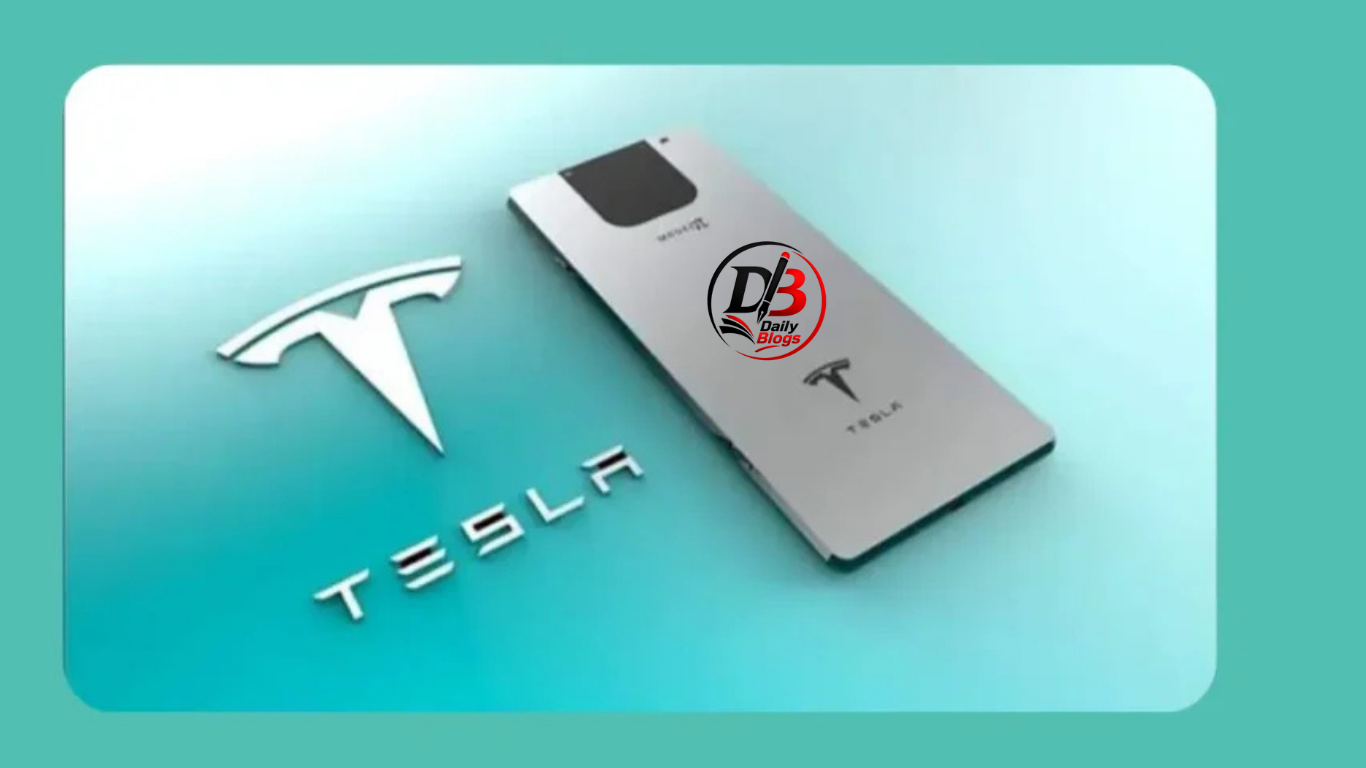
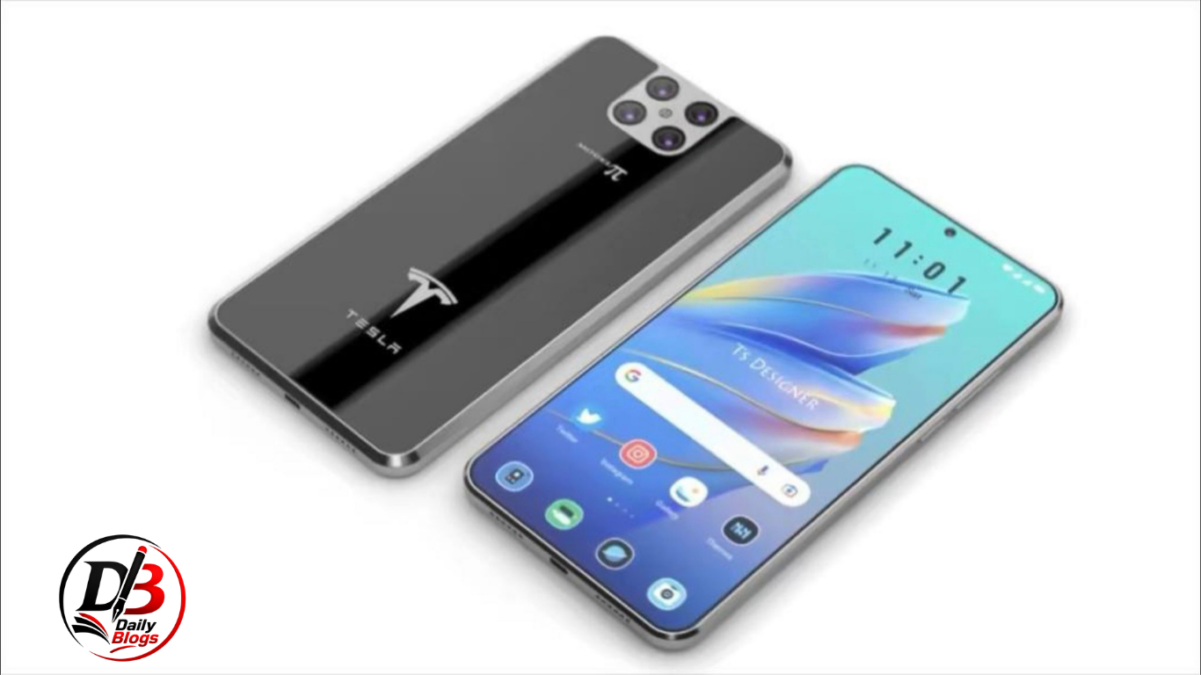
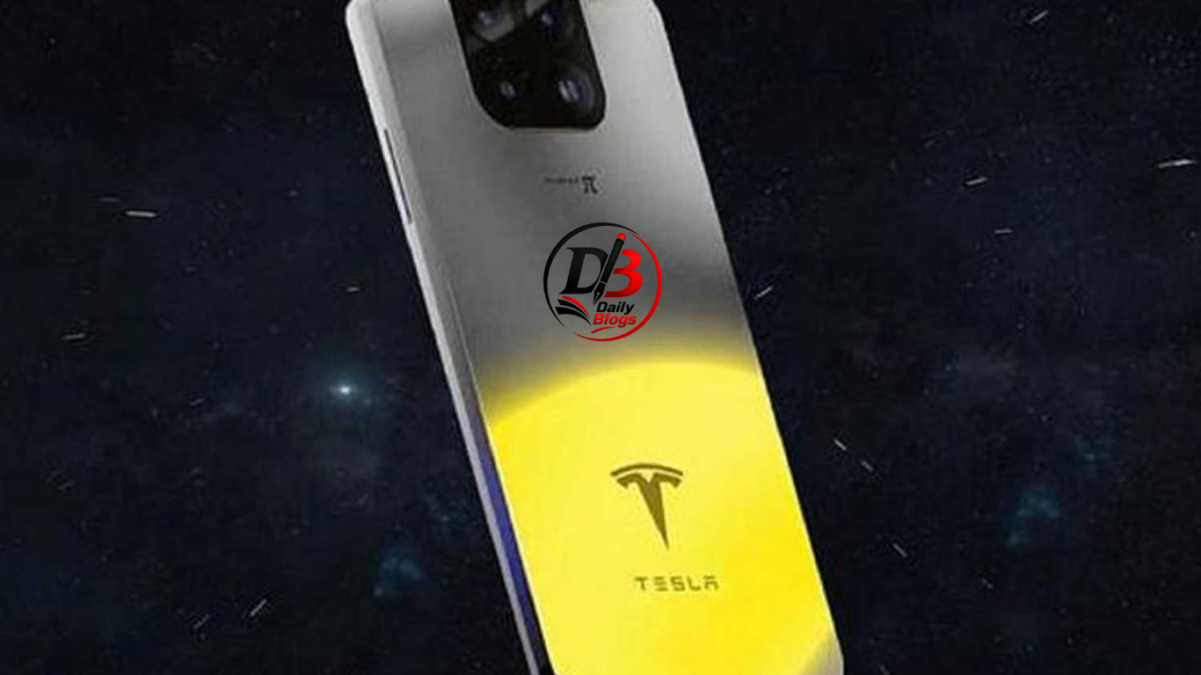
The specific name “Pi Phone” or “Tesla Pi” gained traction more recently through social media posts, AI-generated videos and low-credibility blogs. These materials typically described a device with built-in Starlink satellite access, solar panels on the rear, advanced cameras and seamless integration with Tesla vehicles. Prices attached to these claims varied widely. Some posts suggested a budget figure near $100–$200, while others settled on $789 as a competitive alternative to premium flagships. A number of listings on secondary sites even presented speculative Indian rupee prices around ₹69,999, labelling the phone as “rumoured.”
None of these details originated from Tesla, SpaceX or official company channels. Fact-checking organisations, including Snopes and PolitiFact, examined the circulating claims and rated them false. They noted the absence of any credible news coverage, product certification or statements from Musk confirming a launch. Images and videos promoting the device were frequently identified as digitally generated or recycled from earlier hoaxes.
How the Rumours Gained Momentum
The Tesla Pi Phone price narrative spread primarily through platforms that reward engagement. Facebook pages, short-form video channels and certain aggregator sites repeated similar wording: Musk had supposedly declared that “Apple should be worried” while unveiling a $789 handset with free Starlink internet. Posts sometimes included fabricated quotes or altered photographs of Musk holding a device. Engagement numbers could reach hundreds of thousands of likes, amplifying the story further.
At the same time, genuine developments at SpaceX added fuel. Starlink’s direct-to-cell technology, which allows ordinary smartphones to send and receive messages via satellite in partnership with carriers such as T-Mobile, is real and has progressed through regulatory approvals. This legitimate progress was sometimes misrepresented as evidence of a dedicated Tesla handset. Similarly, Tesla’s own vehicles already offer strong connectivity and app control, which rumour-mongers stretched into claims of a purpose-built phone.
Musk’s public comments consistently pushed in the opposite direction. In a 2024 interview he stated plainly that Tesla was not making a phone. On another occasion he remarked that the idea of producing one “makes me want to die,” while adding that the company would only do so if forced by platform restrictions. Later remarks reinforced the same position: phones represent a competitive, low-margin business outside Tesla’s core focus on sustainable energy and autonomy. No subsequent announcement reversed those statements.
Debunkings and Persistent Misinformation
Major fact-checkers treated the September 2025 wave of “Pi Phone” posts as fabricated. Snopes reported that Tesla had never announced the product and that prominent media outlets carried no supporting coverage. Similar conclusions appeared from other verification teams. Claims of free global Starlink service ignored the actual hardware and subscription costs associated with satellite internet. Suggestions of Neuralink mind-control features or self-charging solar glass lacked any technical or corporate backing.
The persistence of the rumours highlights a broader challenge online. AI-generated footage and click-driven content can create the appearance of legitimacy even when no underlying product exists. Some third-party sellers have listed generic Android devices under Tesla-inspired names, further muddying the waters. These listings have no connection to Tesla, Inc. and do not represent official products.
Throughout this period, Tesla continued its established work on vehicles, energy storage, robotics and related software. The company’s investor communications and regulatory filings contain no references to smartphone development, engineering teams dedicated to handsets or supply-chain arrangements for mobile hardware.
Related Developments and Public Interest
While a Tesla Pi Phone remains unconfirmed, several adjacent technologies keep public attention high. Starlink’s expansion into direct-to-device services demonstrates real progress in satellite connectivity for everyday phones. Tesla owners already enjoy deep vehicle integration through the official app on both iOS and Android. Advances in battery technology, AI chips and materials science at Tesla and its partner companies continue to influence consumer electronics more broadly.
Public statements from Musk have occasionally left a narrow opening: if platform policies forced the issue, Tesla could theoretically respond. That conditional language, however, has never been accompanied by development timelines, prototypes or pricing discussions. As of mid-2026, no FCC filings, trademark applications specific to a Pi Phone, or credible supply-chain leaks have emerged to support the existence of such a device.
Quick Facts on the Tesla Pi Phone Claims
| Detail | Information |
| Full Name | Tesla Pi Phone (rumoured) |
| Announced Price | None official; circulating claims $100–$789+ |
| Status | Unconfirmed rumour; repeatedly debunked |
| Manufacturer | No evidence of Tesla involvement |
| Connectivity Claims | Free Starlink (unsupported) |
| Official Sources | None from Tesla, SpaceX or Elon Musk |
| Regulatory Filings | None identified |
| Current Availability | Not available for purchase |
Only information supported by reliable public sources appears above. Speculative specifications circulating on secondary sites—such as particular screen sizes, camera arrays or battery capacities—lack verification and should be treated with caution.
Why the Topic Continues to Matter
The enduring interest in the Tesla Pi Phone price reveals more about online information dynamics than about any forthcoming product. Consumers remain hungry for innovation that challenges established smartphone makers, especially when associated with a company known for disruptive approaches in other sectors. The gap between verified corporate activity and viral storytelling creates space for repeated cycles of rumour and correction.
From a broader perspective, the episode underscores the value of primary sources. Official company websites, regulatory databases and direct statements from executives provide a more reliable foundation than social media posts or AI-assisted concept videos. Tesla’s actual priorities—electric vehicles, energy products, autonomy software and related ventures—continue to shape industries without requiring a handset.
The rumours also illustrate how satellite connectivity and vehicle-phone integration are evolving through partnerships rather than a single proprietary device. Existing smartphones already benefit from expanding satellite messaging options, while the Tesla app delivers sophisticated control for vehicle owners. These practical developments offer more tangible value than unconfirmed price points.
Looking Ahead
No credible public information indicates that Tesla intends to release a Pi Phone or any smartphone in the near term. Musk’s repeated denials, the absence of product documentation and the company’s stated focus areas all point in the same direction. Speculation about pricing therefore remains purely hypothetical. Any future change in strategy would almost certainly be announced through official channels rather than circulating social posts.
For readers evaluating smartphones today, established manufacturers continue to offer tested devices with clear pricing, warranty support and verified features. Those interested in satellite connectivity can explore current carrier partnerships and Starlink options designed for existing handsets. Tesla vehicle owners already access a mature ecosystem of software tools without needing specialised hardware.
Conclusion
The story of the Tesla Pi Phone price ultimately serves as a reminder to approach extraordinary claims with measured scrutiny. While the idea of a Starlink-enabled, solar-assisted Tesla handset captures the imagination, the available evidence shows that no such product has been confirmed. Interest in the topic is understandable; treating the circulating figures as factual is not.