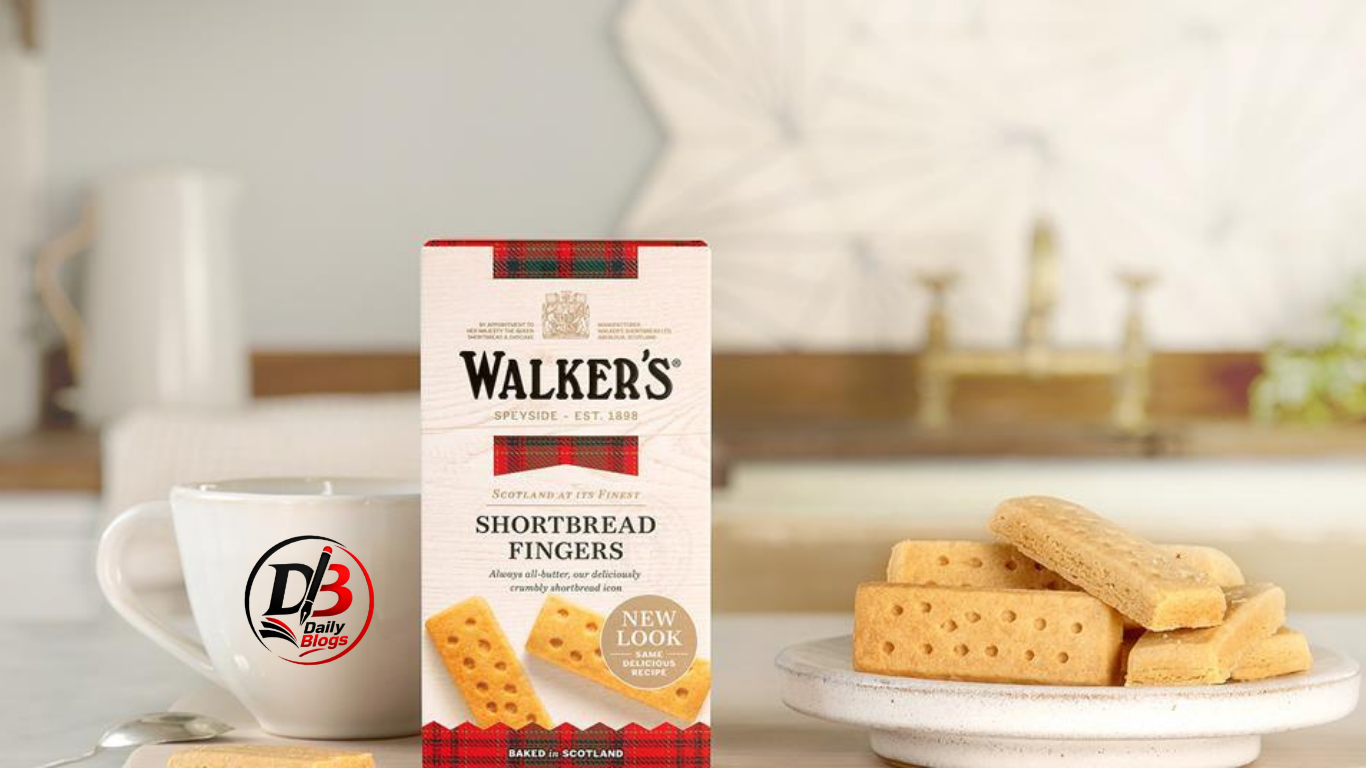
Walkers Shortbread cookies have long held a special place in tins and cupboards across Britain and far beyond. The distinctive tartan packaging and the rich, crumbly texture of the all-butter biscuits evoke a sense of Scottish tradition that feels both comforting and celebratory. Whether enjoyed with a cup of tea on a quiet afternoon or shared as a gift at Christmas, these shortbreads carry a quiet prestige that few other biscuits match.
For more than 125 years the company has stayed true to a simple ambition first voiced by its founder: to bake the world’s finest shortbread. That promise, combined with consistent quality and a refusal to cut corners on ingredients, explains why Walkers Shortbread cookies continue to attract loyal customers in nearly 100 countries. In an age of fleeting food trends, the brand’s steady presence offers something rare – a product whose reputation rests on genuine craftsmanship rather than marketing hype.
Readers remain drawn to the story because it is, at heart, a family narrative of perseverance, quality and quiet pride in Scottish produce. From a small village bakery to one of Scotland’s most successful food exporters, the journey of Walkers Shortbread cookies mirrors the best of Highland enterprise.
Early Life and Background
Joseph Walker was born on 20 February 1876 in Victoria Park, Aberdeen, where his father Robert worked as park keeper. Growing up in the north-east of Scotland, he developed an early interest in baking. By the age of 21 he had secured a modest £50 loan and taken over a small village bakery in Torphins, Aberdeenshire. His declared aim was clear: to bake “the world’s finest shortbread.”
In those first months Joseph spent every spare hour refining his recipe. He settled on four basic ingredients – flour, pure creamery butter, sugar and salt – and refused to compromise on their quality. Locals and visitors from the surrounding estates quickly noticed the difference. Shooting parties began detouring to the bakery, and demand soon outgrew the original premises.
In 1921 Joseph sold the Torphins shop and moved the family and business to Aberlour in Speyside. The picturesque village, set amid whisky country and beside the River Spey, offered better transport links and room to expand. There the bakery became a fixture of the community. Joseph’s wife Margaret played an important supporting role, tasting and advising as the recipes settled into their final form. Even the family’s delivery horse, a blind former tram horse named Lovie, became a local character by learning the village routes by heart.
Joseph’s early years established the principles that still define Walkers Shortbread cookies: absolute commitment to butter rather than cheaper substitutes, small-batch baking where possible, and an insistence that quality would ultimately win customers.
Career and Rise to Fame
The business grew steadily through the 1930s when two of Joseph’s sons, James and Joseph (often known as Bud), joined the firm. They introduced a wider range of cakes and confectionery and, in 1936, the company’s first delivery van. This allowed products to reach further into the surrounding towns.
Wartime rationing and ingredient shortages tested the bakery severely. The family kept the ovens going by supplying bread and oatcakes to local customers, maintaining goodwill even when shortbread itself was harder to produce. After the war they deliberately continued to use pure butter while many competitors switched to margarine. That decision reinforced the brand’s reputation for superior taste.
Joseph Walker died in 1954, leaving the company in the hands of his sons. By 1961 the third generation – James’s children Joseph, Marjorie and James (later Sir Jim Walker) – had entered the business. Under their leadership the firm expanded from a village operation employing a handful of people into a proper manufacturer. Shops opened in Elgin and Grantown-on-Spey, a fleet of vans grew, and Walkers Shortbread cookies began appearing on the shelves of fine food stores across Britain.
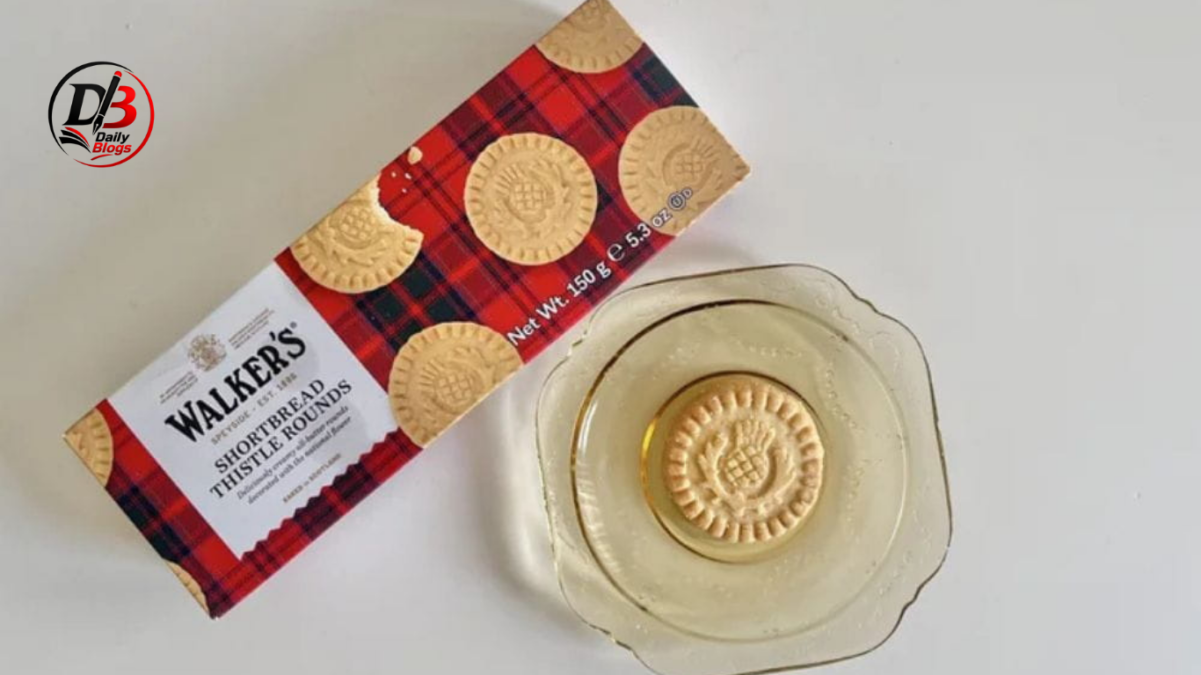
Export markets opened in the 1970s. The recognisable tartan packaging – based on the Grant tartan of the Speyside area – helped the product stand out overseas. By the end of the century Walkers had become one of Scotland’s largest food exporters. The company received the Queen’s Award for Export Achievement multiple times and later the King’s Award for Enterprise in International Trade. Royal Warrants followed: first from Queen Elizabeth II and subsequently from King Charles III for the supply of shortbread and oatcakes to the Royal Household.
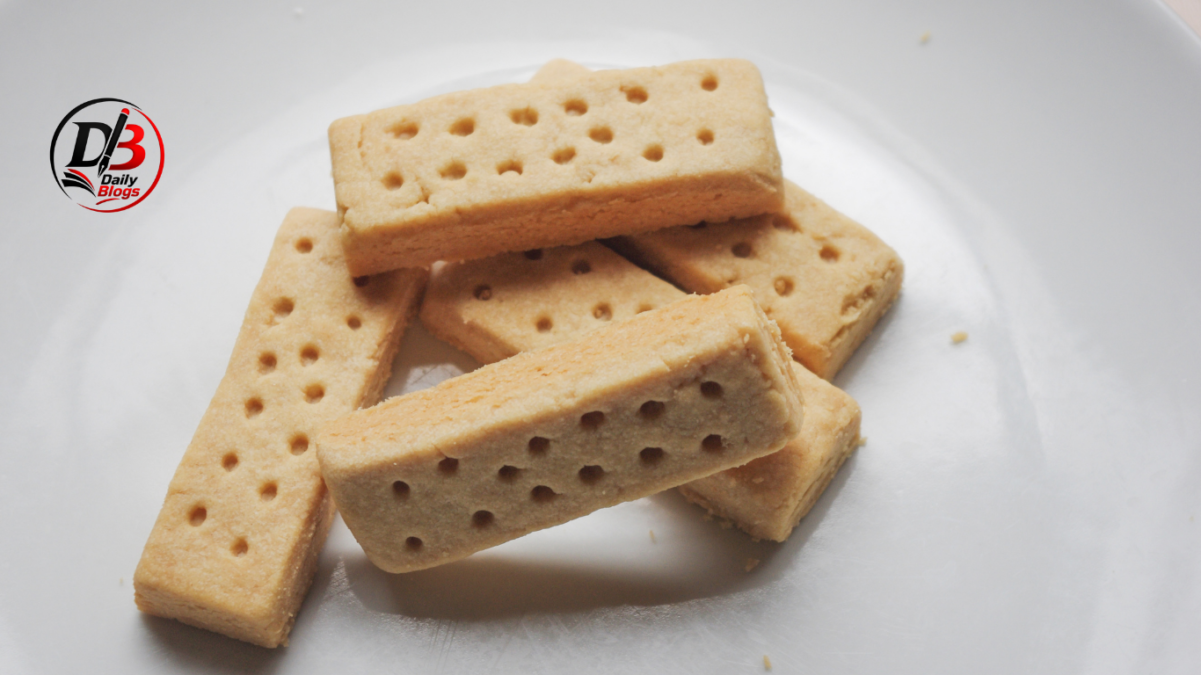
Today the range includes the classic Shortbread Fingers, Rounds, Petticoat Tails, Highlanders and numerous seasonal and flavoured varieties, alongside oatcakes and other Scottish specialities. All still carry the founder’s guarantee that only the finest ingredients are used.
Personal Challenges or Turning Points
The two world wars presented the most serious early tests. Ingredient shortages forced temporary changes, yet the family refused to abandon their standards once normal supplies returned. The post-war decision to stick with butter, despite its higher cost, proved pivotal. It differentiated Walkers Shortbread cookies at a time when many brands diluted their recipes.
Later challenges have been commercial rather than existential. Global butter price spikes, energy costs, labour pressures and, more recently, US tariffs have squeezed margins. In the year to December 2025 turnover eased slightly to around £197 million after a record previous year, and profits fell as costs rose. The company has described the results as robust given the conditions and has continued to invest in capacity and efficiency.
Leadership transitions have also required careful handling. The death of Sir Jim Walker in December 2024 marked the end of the third generation’s direct day-to-day involvement. The fourth generation, including managing director Nicky Walker and commercial director Bryony Walker, has taken the reins while retaining the family’s long-term perspective.
Throughout these periods the business has avoided dramatic reinvention. Continuity of recipe, ownership and location has itself become a source of strength.
Personal Life
Public information about the Walker family centres on their collective commitment to the business rather than private detail. Joseph Walker and his wife Margaret raised their children in Aberlour, where successive generations have continued to live and work. Sir Jim Walker married Jennifer Poushinsky in 1979; several of their children remain involved in the company.
The family has consistently emphasised that Walker’s remains independently owned and managed. Statements from successive generations stress pride in Scottish heritage, responsibility to employees in Moray, and the importance of passing the business on intact. Beyond these confirmed points, the family maintains a relatively private profile, preferring the product to speak for itself.
Later Career and Current Activities
Walker’s Shortbread Ltd now operates six factories – four in Aberlour and two in nearby Elgin – and employs more than 1,200 people, rising higher during the busy Christmas season. It is the largest private-sector employer in Moray. Roughly half of production is exported. The company continues to innovate within its traditional framework, introducing limited-edition flavours, gluten-free options and seasonal lines while protecting the core all-butter recipe.
Recent years have seen a refreshed brand identity that still features the familiar tartan, the founder’s signature and the Royal Warrant. Partnerships, such as with tennis champion Andy Murray for Christmas campaigns, have helped keep the brand visible to younger audiences without altering the product. The business also supports local community and charitable initiatives, though these remain secondary to its primary focus on baking.
Sustainability and efficiency investments continue, reflecting the practical needs of a large manufacturing operation rooted in a rural area.
Quick Bio
| Detail | Information |
| Full Name | Walker’s Shortbread Ltd (founded by Joseph Walker) |
| Date of Birth / Founded | Joseph Walker born 20 February 1876; company founded 1898 |
| Place of Birth / Origin | Aberdeen (founder); Torphins then Aberlour, Scotland |
| Nationality | Scottish |
| Profession | Manufacturer of shortbread, biscuits, oatcakes and related baked goods |
| Years Active | 1898–present |
| Known For | All-butter shortbread baked to the original four-ingredient recipe; tartan packaging; Royal Warrants |
| Estimated Net Worth / Scale | Family-owned private company; recent annual turnover approximately £197–201 million; net assets over £100 million |
Legacy and Lasting Impact
Walkers Shortbread cookies remain important because they demonstrate that a simple, high-quality product, consistently made, can travel the world without losing its identity. The brand has helped keep traditional Scottish shortbread in the global conversation about fine food and has provided stable employment in Speyside for generations.
Public perception centres on authenticity and reliability. Shoppers recognise the tartan tin as a mark of genuine butter shortbread rather than an approximate imitation. The company’s influence lies less in radical innovation than in stubborn fidelity to an original standard – a lesson that quality and patience still matter in a crowded marketplace.
For many people the first taste of Walkers Shortbread cookies is also an introduction to a particular idea of Scotland: generous, unpretentious and rooted in the Highlands.
Conclusion
From a £50 loan and a village bakery in 1898 to a substantial family-owned enterprise exporting to around 100 countries, the story of Walkers Shortbread cookies is one of steady craftsmanship rather than sudden fame. Joseph Walker’s original recipe of flour, pure creamery butter, sugar and salt continues to define the product more than a century later. Successive generations have expanded the business while protecting that core, proving that tradition and commercial success need not be opposites.