

Few desserts spark as much curiosity as queso helado. The name translates literally to “frozen cheese,” yet there is no cheese involved at all. For newcomers, that contradiction is often the first hook; for those who grew up with it, the appeal runs much deeper, tied to memory, family and a particular corner of South American culinary history.
If you’ve typed “best queso helado near me” into a search bar, you’re not alone. Interest in this dessert has grown steadily as more people encounter it through travel, family recipes passed between generations, or simply a chance find at a local ice cream parlour. Its creamy texture, delicate spice and coconut sweetness make it distinct from almost anything else on a dessert menu.
This guide explains what queso helado actually is, where the tradition began, and what to look for when you’re hunting down a genuinely good version of it in your area.
Origins and Background
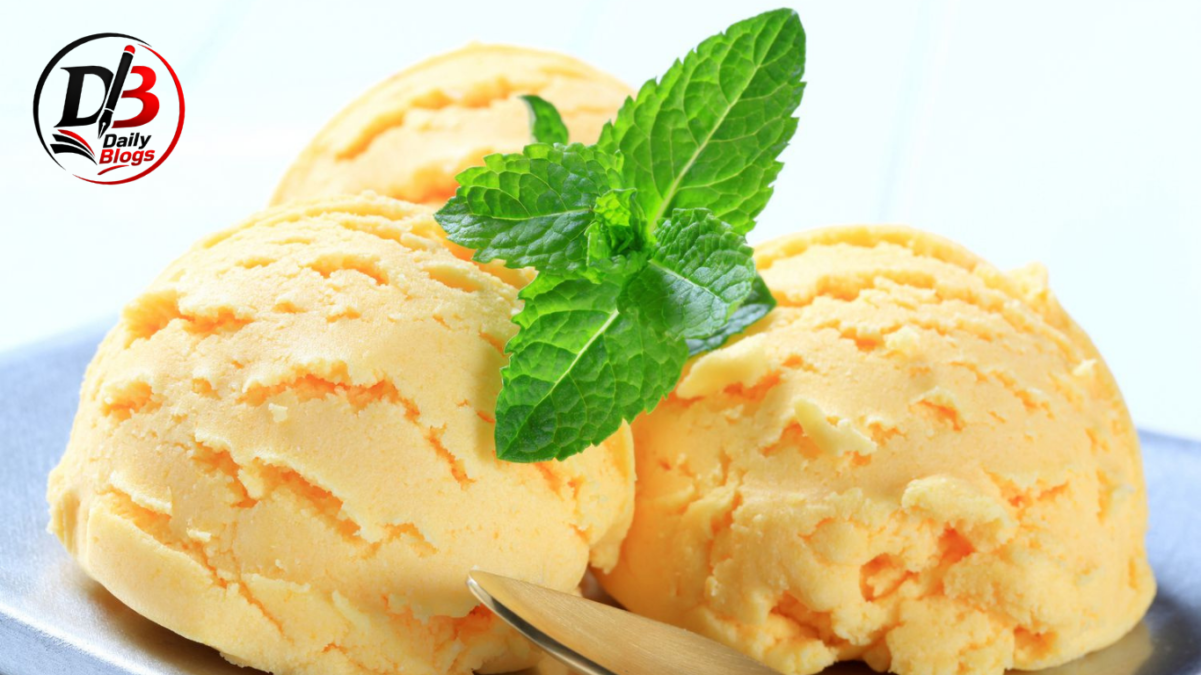
Queso helado traces its roots to Arequipa, a city in southern Peru known for its white volcanic stone architecture and strong culinary identity. Historical accounts suggest the dessert dates back to the nineteenth century, when Peruvian confectioners began experimenting with coconut milk, condensed milk, sugar and warming spices such as cinnamon and cloves, frozen into a dense, slightly grainy texture reminiscent of a soft cheese wheel when moulded — hence the name.
Unlike many ice creams that rely on dairy fat for richness, queso helado gets its body from coconut, which gives it a slightly firmer, more compact texture than a typical scoop of vanilla or chocolate. It’s traditionally shaped in a cone or wheel and served in thin, chilled slices rather than round scoops, a presentation style that has stayed largely unchanged for well over a century.
Because it developed as a regional speciality rather than a mass-market product, queso helado has historically been harder to find outside Peru and parts of the wider Andean region. That is beginning to change, as Latin American bakeries, ice cream shops and pop-up stalls in cities with strong Peruvian communities increasingly offer it on their menus.
Rise in Popularity and Recognition
For decades, queso helado remained something of a local secret, sold from street carts and small family-run heladerías in Arequipa and neighbouring towns. Word of mouth among travellers, food writers documenting Peruvian cuisine, and diaspora communities carrying the recipe abroad have all played a part in its gradual spread.
In recent years, food media coverage of Peruvian cuisine more broadly — driven by the international acclaim of dishes like ceviche and lomo saltado — has brought renewed attention to lesser-known regional specialities, queso helado among them. Some Peruvian restaurants abroad now list it as a signature dessert precisely because it offers diners something distinctive that isn’t available elsewhere on the menu.
Recognition has also come through cultural events and Peruvian food festivals held in cities with sizeable Latin American populations, where queso helado is often served alongside other Arequipeño specialities. These events have done much to introduce the dessert to audiences who might otherwise never have encountered it.
Challenges in Finding It
One of the honest realities of searching for “queso helado near me” is that supply remains genuinely limited outside Peru. It isn’t a dessert that lends itself easily to commercial mass production, partly because its texture and flavour depend on techniques passed down within families or small businesses rather than standardised industrial recipes.
This means availability can vary enormously depending on where you live. In cities with established Peruvian communities, you may find it at a dedicated heladería, a Peruvian restaurant’s dessert menu, or occasionally at a Latin American grocery store with a frozen foods section. In areas without that community presence, it can be genuinely difficult to track down, and claims of “authentic queso helado” should be treated with a degree of caution unless the maker can speak to the traditional method.
Where reliable public information about a specific vendor’s authenticity or sourcing isn’t available, it’s worth asking directly about how the dessert is made rather than assuming a menu listing guarantees the traditional recipe.
How to Find Good Queso Helado Near You
If you’re serious about tracking it down, a few practical approaches tend to work better than a generic search:
- Search for Peruvian restaurants specifically, rather than general ice cream shops, since queso helado is far more likely to appear on a Peruvian dessert menu than a standard gelateria list.
- Check Latin American grocery stores in your area, particularly ones serving Peruvian or broader Andean communities, as some stock frozen queso helado alongside other imported treats.
- Look out for food festivals and cultural fairs, especially around Peruvian Independence Day celebrations in late July, when community vendors are more likely to sell traditional desserts.
- Ask within local Peruvian community groups or forums, since recommendations from people with direct cultural knowledge tend to be more reliable than general review sites.
- Consider making it at home, if none of the above options are available nearby — coconut milk, condensed milk, sugar and warming spices are the core ingredients, and while it takes patience to get the texture right, it’s achievable in a domestic freezer with regular stirring.
Personal and Cultural Significance
For many Peruvian families, queso helado carries meaning well beyond its taste. It’s frequently associated with childhood memories, family gatherings and specific regional pride tied to Arequipa. Recipes are often handed down rather than written formally, which explains some of the subtle variation you’ll find between makers, and why no single version can claim to be definitively “the best.”
This personal, community-rooted quality is part of what makes queso helado different from more commercially standardised desserts. It resists the kind of uniform branding that has helped other treats spread quickly worldwide, and that resistance is arguably part of its charm.
Quick Facts
| Detail | Information |
| Name | Queso Helado (“frozen cheese”) |
| Origin | Arequipa, Peru |
| Main Ingredients | Coconut milk, condensed milk, sugar, cinnamon, cloves |
| Traditional Serving Style | Sliced from a cone or wheel shape |
| Best Known Region | Southern Peru (Arequipa) |
| Availability Abroad | Limited; mostly through Peruvian restaurants and community vendors |
| Related Dishes | Peruvian desserts such as suspiro a la limeña, mazamorra morada |
Lasting Appeal
Queso helado endures because it offers something increasingly rare: a dessert defined by regional identity and family tradition rather than mass appeal. Its unusual name draws people in, but its flavour and texture are what keep them coming back, and its scarcity outside Peru only adds to its sense of being a genuine discovery rather than another item on a standard dessert list.
As interest in Peruvian cuisine continues to grow internationally, queso helado seems likely to become somewhat easier to find, though it will probably always retain a degree of the local, community-based character that has defined it for generations.
Conclusion
Searching for the best queso helado near me is, in many ways, a search for something more than dessert — it’s an introduction to a specific culinary tradition with deep roots in Arequipa and a story that hasn’t yet been fully told to the wider world. Whether you track it down at a Peruvian restaurant, a community grocery store, or decide to make your own version at home, it’s a treat well worth the effort of finding.