Few dishes capture the warmth of Canarian home cooking quite like ropa vieja canaria. If you’ve typed “best ropa vieja canaria near me” into a search bar, you’re probably after more than a recipe — you want to know where you can actually sit down, order a plate, and taste something close to what a Canarian grandmother might serve on a Sunday.
The trouble is that ropa vieja canaria isn’t as widely available as paella or tapas, so tracking down a genuinely good version can take a bit of local knowledge. This guide explains what the dish actually is, how it differs from its Cuban namesake, what separates an excellent plate from a mediocre one, and how to go about finding the best ropa vieja canaria near you, wherever you happen to be.
Whether you’re a Canary Islands regular missing the flavours of home, a traveller who tried it once in Tenerife and can’t stop thinking about it, or simply curious about Spanish regional cooking, this article should help you order with confidence.
What Is Ropa Vieja Canaria, Exactly?
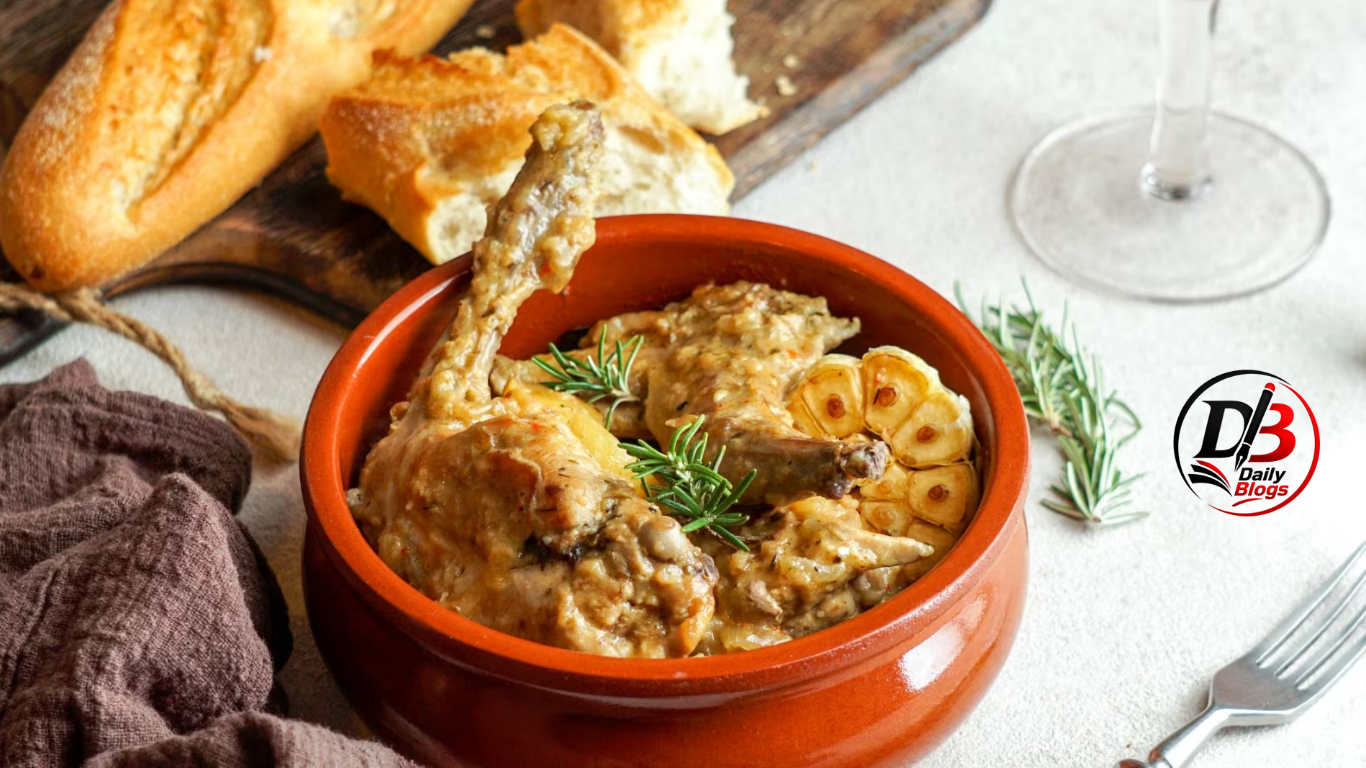
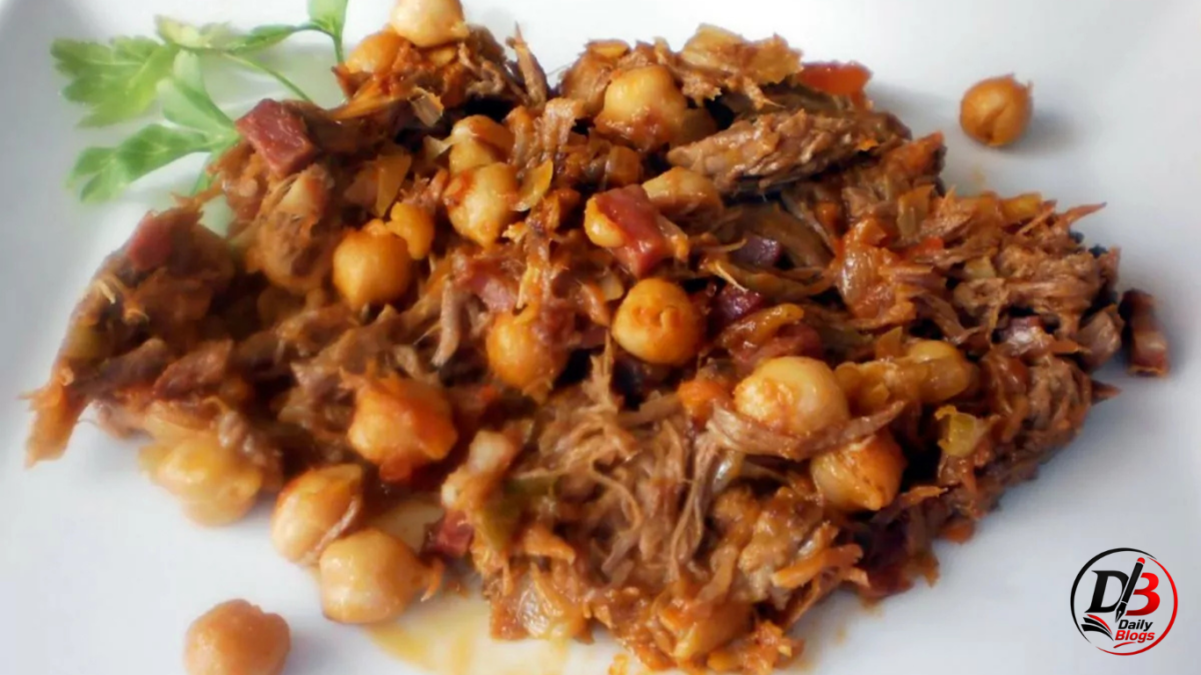
Ropa vieja translates loosely as “old clothes,” a reference to the dish’s shredded, stew-like texture rather than any culinary shortcut. The Canarian version is a hearty stew built from chickpeas, shredded meat (traditionally a mix of beef and chicken, sometimes pork), potatoes, and a sofrito base of tomatoes, peppers, onion and garlic, often finished with a touch of paprika or saffron.
It’s worth being clear on one point of confusion: Cuban ropa vieja is a different dish entirely, built around shredded flank steak in a tomato sauce, usually served with rice. The Canarian version shares the “shredded meat” concept and the name, but the chickpeas, the stew consistency, and the seasoning profile mark it out as its own regional dish, rooted in the Canary Islands’ Spanish and Latin American culinary crossover.
Ropa vieja canaria is comfort food in the truest sense — the kind of dish families make in large batches, often better the day after it’s cooked, when the flavours have had time to settle.
What Makes a Truly Great Ropa Vieja Canaria
Not every version you’ll find is created equal. A handful of details separate a memorable plate from a forgettable one.
The Balance of Meat and Chickpeas
The best versions don’t overload on meat or drown the dish in chickpeas. There should be a genuine balance, with the shredded meat taking on the flavour of the broth rather than sitting on top of it.
Depth of the Sofrito
The sofrito — the slow-cooked base of tomato, onion, garlic and pepper — is where most of the dish’s character comes from. A rushed sofrito produces a flat, one-note stew. A properly built one gives the dish real depth.
Freshness Over Reheated Batches
Because ropa vieja canaria is traditionally a slow-simmered dish, some restaurants lean on large batches kept warm for hours or reheated across multiple days. That’s not necessarily a problem — many Canarian cooks insist it improves overnight — but there’s a difference between a stew that’s been thoughtfully rested and one that’s simply tired.
Proper Seasoning, Not Just Salt
A good ropa vieja canaria should have warmth from paprika or saffron, not just salt for seasoning. If the dish tastes flat or one-dimensional, it’s usually a sign of a shortcut somewhere in the process.
How to Find the Best Ropa Vieja Canaria Near You
Since this is a regional Spanish dish rather than a global staple, finding it requires a slightly different approach than searching for, say, the best pizza nearby.
Search for Canarian or Spanish regional restaurants specifically. General “Spanish restaurant” listings often lean towards tapas bars serving more widely known dishes. Searching for “Canarian restaurant,” “cocina canaria,” or “Canary Islands cuisine” tends to surface more specialist venues that are more likely to serve ropa vieja canaria properly.
Check recent reviews, not just star ratings. A high overall rating doesn’t guarantee the ropa vieja canaria itself is good — a restaurant might excel at other dishes. Look for reviews that mention the dish by name and describe the texture, seasoning, or portion balance.
Ask about it directly. If you’re near a restaurant with genuine Canarian roots, it’s worth asking staff whether ropa vieja canaria is a regular menu item or a specials-board dish, since some kitchens only make it on certain days when demand or ingredients allow for a proper slow simmer.
Look to Canarian community hubs. Cities with a noticeable Canarian or wider Spanish community — parts of the UK, Germany, and Latin America among them — sometimes have smaller, family-run restaurants that don’t rank highly in general search results but are well known locally for authentic regional dishes.
Consider specialist food delivery filters. Some delivery platforms allow filtering by cuisine subtype. Filtering for “Canarian” or “Spanish – regional” rather than generic “Spanish” can narrow results considerably.
Red Flags to Watch For
A few signs suggest a restaurant’s version may not live up to the name:
- The dish is listed simply as “Spanish stew” with no further description, suggesting the kitchen may not distinguish it from other regional stews.
- Reviews mention the dish tasting bland or overly starchy, often a sign of overcooked chickpeas or a weak sofrito.
- The restaurant’s broader menu leans heavily on generic tapas with little else pointing to Canarian specialisation.
None of these are dealbreakers on their own, but together they’re worth factoring in before you commit to a booking.
Making It at Home When Nothing Nearby Measures Up
If a search for the best ropa vieja canaria near me turns up limited options, making it at home is a realistic alternative. The dish doesn’t require rare ingredients — chickpeas, a mix of beef and chicken, potatoes, and a well-built sofrito are the essentials. The main investment is time, since a proper simmer is what develops the depth of flavour restaurants aim for.
Many home cooks find that a version made a day in advance and reheated gently the next day tastes noticeably better, mirroring the way it’s often served in the Canary Islands themselves.
FAQs
Is ropa vieja canaria the same as Cuban ropa vieja?
No. They share a name and the concept of shredded meat, but the Canarian dish is a chickpea-based stew, while the Cuban version is a tomato-based shredded steak dish typically served with rice.
Is ropa vieja canaria spicy?
Not typically. It’s seasoned rather than spiced, with warmth from paprika or saffron rather than chilli heat.
Where is ropa vieja canaria most commonly found?
It’s most reliably found in the Canary Islands themselves, and in cities with an established Canarian or Spanish community elsewhere in the world.
Conclusion
Finding the best ropa vieja canaria near you often comes down to looking past generic “Spanish food” listings and seeking out restaurants that specifically identify with Canarian cuisine. The dish rewards patience — both in the kitchen and in the search for a restaurant that gets it right — and a properly made plate, with its balance of tender meat, well-seasoned chickpeas and a deep sofrito, is well worth the effort of tracking down.